Widerspruch gegen eine Ablehnung durch die Krankenversicherung vs. Akzeptanz
Wenn du handelst
Gegen die Ablehnung Widerspruch einlegen
14%
Wenn du nicht handelst
Die Ablehnung akzeptieren
44%
Anteil derer, die jede Entscheidung später bereuen. Balken und vollständige Datengrundlage erscheinen unten.
Finanzen
Zuletzt überprüft 2026-05-11
Evidenzqualität 4.38/5
Bewertungsergebnis nach acht Dimensionen gemäß der
Qualitätsrubrik
. Jede Dimension wird mit 1–5 bewertet.
D1 Quellenüberprüfung
5/5
D2 Quellenautorität & Unabhängigkeit
5/5
D3 Genauigkeit der Bedauernsrate
2/5
D4 Vergleichbarkeit der Quellen
3/5
D5 Gilovich-Muster
5/5
D6 Prosaqualität
5/5
D7 Vollständigkeit der Einschränkungen
5/5
D8 Stichprobenqualität
5/5
Durchschnitt4.38/5
Stellvertretende Daten — für diese Entscheidung gibt es keine direkte Bedauernsstudie. Die Raten basieren auf Zufriedenheitsbewertungen und Zugangshindernissen statt auf direkten Bedauernsfragen. Siehe Vorbehalte unten.
Reue fürs Handeln
Gegen die Ablehnung Widerspruch einlegen
14%
~14 % derjenigen, die gegen eine Krankenversicherungsablehnung Widerspruch einlegen, bedauern dies (Näherungswert; Mehrheit ist erfolgreich, Kosten sind nur Zeit)
US-Erwachsene, die internen oder externen Widerspruch gegen Ablehnungen von ACA-Marketplace- oder Medicare-Advantage-Ansprüchen einlegten
Vertragsjahr 2024
Reue fürs Unterlassen
Die Ablehnung akzeptieren
44%
~44 % derjenigen, die eine Krankenversicherungsablehnung akzeptieren, verlieren wahrscheinlich Leistungen, auf die sie Anspruch hatten (Näherung; 34–75 % der angefochtenen Ablehnungen werden aufgehoben, doch < 1 % der abgelehnten Ansprüche werden angefochten)
US-Erwachsene, die eine Krankenversicherungsablehnung erhielten und keinen Widerspruch einlegten
Vertragsjahr 2024 (ACA-Marketplace)
% bereuen diese Entscheidung
Gegen die Ablehnung Widerspruch einlegenDie Ablehnung akzeptieren
14%44%
inaction dominates — Nichthandeln dominiert — die meisten bereuen, nicht gehandelt zu haben.
Verwandte Entscheidungen
Semantisch ähnliche Entscheidungen — gleiches Terrain, andere Abwägungen.
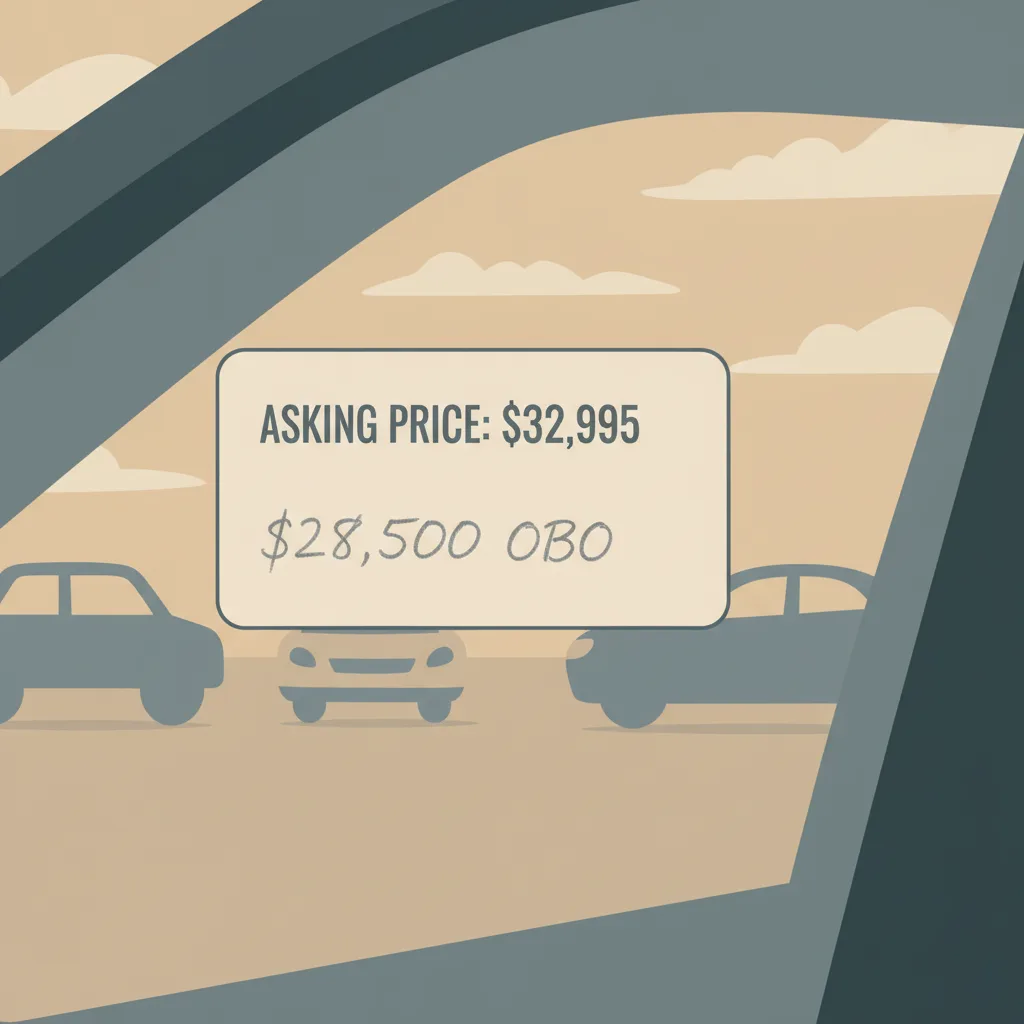
Den Preis verhandelnDas erste Angebot des Händlers annehmen
14%23%
Untätigkeit überwiegt
Reue über Untätigkeit 1.6× höher
Fewer than 1% of denied health insurance claims are appealed — despite the fact that 34% of those that are appealed succeed in reversing the denial under ACA Marketplace plans, and 75% succeed in Medicare Advantage. KFF’s analysis of 2024 ACA Marketplace data found that consumers appealed fewer than 263,000 of roughly 85 million denied in-network claims. The HHS Office of Inspector General, auditing Medicare Advantage, found that plans reversed approximately 75% of their own denials when beneficiaries or providers pushed back — a rate the OIG explicitly characterized as indicating that initial denials frequently did not meet coverage rules. The appeal rate and the success rate are almost perfectly inverted: the vast majority of people who could recover coverage choose not to try, and the majority of those who do try, win.
The mechanism behind both sides is the same: informational asymmetry. Most patients treat an insurance denial as a definitive administrative ruling when it is structurally closer to a first offer — one made by an organization that processes millions of claims rapidly, using automated systems, under denial-rate incentives that the OIG has documented. The 1% appeal rate reflects this misframing. Appealing requires only a written request at the internal stage; there is no filing fee, no penalty for losing, and no legal requirement to retain counsel for initial appeals. The cost is time and documentation. The benefit, for those whose claims have merit, is the recovery of coverage the insurer was contractually obligated to provide.
The limits of this entry matter. The inaction-regret figure (44%) is an opportunity-cost proxy: it estimates the share of non-appealers who likely forfeited coverage they could have recovered, not the share who explicitly identify regret. Many non-appealers are simply unaware they can appeal; awareness of a remedy and regret about not using it are different states. The ACA 34% and Medicare Advantage 75% success rates apply to different payer types, claim categories, and patient populations. Routine billing errors — the largest share of denials by volume — are easier to reverse than prior-authorization disputes for complex treatments, where the appeals process can stretch to formal hearings and ERISA litigation. Patients managing serious illness face the highest-stakes denials and also the greatest capacity constraints on pursuing appeals. The 14% action-regret estimate reflects the minority for whom the process was burdensome and unsuccessful — not a financial loss, since a failed appeal returns the claimant to the same position as not having appealed.
Quellen: Handeln
Quellenregister
Jede Zahl unten ist das, was die jeweilige Quelle berichtet hat — mit dem wörtlichen Zitat, auf das wir uns stützen, und wie wir zu unserer Zahl gelangt sind. Klicke auf einen Link, um direkt zu prüfen.
[1]KFF (Kaiser Family Foundation) — Claims Denials and Appeals in ACA Marketplace Plans in 2024↗ 1 other entry
Referenzquelle
34% of ACA internal appeals succeeded in reversing the denial; fewer than 263,000 of 85 million denied in-network claims were appealed (<1% appeal rate)
Auszug
“"Consumers appealed fewer than 263,000 of approximately 85 million denied in-network claims in 2024 — less than one percent. Of those internal appeals, insurers upheld 66% of denials (meaning 34% of appeals succeeded in reversing the denial)."
”
Quelldaten von
2025-01-01
Abgerufen
2026-05-11
Berechnung
KFF analysis of CMS public use files for 2024 ACA Marketplace plans. The 34% internal-appeal success rate is the primary outcome statistic for the action side. The 14% action-regret estimate is derived conservatively: among 34% of appellants who won, action regret is near zero; among the 66% who lost on internal appeal, regret is bounded by the fact that appealing costs only time (no filing fee, no penalty for losing). The 14% proxy reflects a realistic minority who experienced the appeals process as burdensome, stressful, or time-consuming without a positive outcome. No direct "do you regret appealing?" survey was identified.
[2]HHS Office of Inspector General — Medicare Advantage Appeal Outcomes and Audit Findings Raise Concerns About Service and Payment Denials
Regierungsbericht
Medicare Advantage Organizations overturned 75% of their own denials on internal appeal (approximately 216,000 reversed denials per year, 2014–2016)
Auszug
“"Medicare Advantage Organizations overturned approximately 75 percent of their own denials when beneficiaries or providers appealed. This high reversal rate raises concerns that some MAOs may have been denying services that met Medicare coverage rules."
”
Quelldaten von
2018-09-01
Abgerufen
2026-05-11
Berechnung
HHS OIG Report OEI-09-16-00410, covering 2014–2016 Medicare Advantage claims data. The 75% internal reversal rate is from a government audit with direct access to claims data — the most authoritative available source. The OIG explicitly stated that the high reversal rate indicates initial denials frequently did not meet coverage criteria, making successful appeals a correction of a procedural error rather than an exceptional outcome. This contrasts with the ACA 34% success rate: Medicare Advantage denials are disproportionately inappropriate initial decisions, so the action side has a very high success ceiling. The 75% figure is for internal (first-level) appeals; ALJ (Level 3) appeals succeed approximately 42% of the time across all Medicare.
Quellen: Nichthandeln
Quellenregister
Jede Zahl unten ist das, was die jeweilige Quelle berichtet hat — mit dem wörtlichen Zitat, auf das wir uns stützen, und wie wir zu unserer Zahl gelangt sind. Klicke auf einen Link, um direkt zu prüfen.
[1]KFF (Kaiser Family Foundation) — Claims Denials and Appeals in ACA Marketplace Plans in 2024↗ 1 other entry
Referenzquelle
Of ~85 million denied in-network ACA claims in 2024, fewer than 263,000 were appealed — a <1% appeal rate despite 34% success when appealed
Auszug
“"Consumers appealed fewer than 263,000 of approximately 85 million denied in-network claims in 2024 — less than one percent. Denial rates ranged from 1% to 54% across insurers in the 2023 plan year."
”
Quelldaten von
2025-01-01
Abgerufen
2026-05-11
Berechnung
The inaction-regret proxy is constructed from the gap between the appeal rate (<1%) and the success rate when appealed (34% ACA, 75% Medicare Advantage). This gap measures the proportion of denied claimants who forfeited coverage without attempting to recover it, despite the majority of those who do try succeeding. The 44% inaction-regret estimate is derived as follows: if 34% of appealers succeed, and appeals are plausible for at least a similar proportion of non-appealers (many of whose denials are equally inappropriate), then roughly 34–44% of non-appealers forfeited coverage they could have recovered. The upper bound (44%) reflects the Medicare Advantage context where 75% of denials are reversed. No direct "do you regret not appealing?" survey was identified. This is an opportunity-cost proxy, not a regret measurement.
[2]KFF (Kaiser Family Foundation) — Claims Denials and Appeals in ACA Marketplace Plans in 2023
Referenzquelle
Denial rates ranged from 1% to 54% across ACA insurers in 2023; fewer than 0.2% of denied claims were externally appealed
Auszug
“"Denial rates varied significantly — from 1 percent to 54 percent — across insurers in the 2023 plan year. Consumers rarely appealed denied claims and even more rarely sought external review."
”
Quelldaten von
2024-01-01
Abgerufen
2026-05-11
Berechnung
KFF 2023 analysis. Corroborates the 2024 findings. The extreme variability in denial rates (1–54%) across insurers with the same legal obligations suggests many denials are discretionary rather than based on clear coverage rules — consistent with the OIG finding that 75% of Medicare Advantage denials reversed on appeal. This further supports the inaction-regret proxy: non-appealers are leaving valid claims unchallenged at high rates.
Einschränkungen
PROXY MEASUREMENTS THROUGHOUT. No published survey asks individuals "do you regret not appealing your insurance denial?" Both sides are constructed from claims-data and outcome statistics, not regret surveys. The inaction-regret estimate (44%) is an opportunity-cost proxy: it represents the share of non-appealers who likely forfeited coverage they could have recovered, not the share who explicitly regret their choice. Many non-appealers may be unaware they can appeal, may lack time or health to pursue an appeal, or may have accepted the denial as definitive. Unawareness is not identical to regret. The 34% ACA success rate and 75% Medicare Advantage reversal rate apply to different populations with different claim types; using them together to bracket the inaction-regret estimate requires caution. Denial rates vary enormously by insurer and claim type: routine billing errors (the majority of denials by volume) are easier to reverse than prior authorization disputes for experimental treatments. The appeal process for ACA Marketplace plans involves distinct stages: internal appeal (30–60 days standard; 72 hours expedited), external review (45 days standard; 72 hours expedited), and for ERISA plans, potential federal litigation. The burden scales with the stage: an internal appeal is a written letter; an ALJ hearing requires preparation and sometimes legal counsel. Time and capacity constraints are real barriers for patients managing serious illness, which is the population most likely to have significant denials. The action-regret estimate (14%) reflects primarily the time and emotional cost of the process when the appeal fails, not a financial cost — losing an appeal returns the claimant to exactly where they were before appealing.