




Lewati ke konten
Likelier

Penyesalan bertindak vs. tidak bertindak

Menegosiasikan sewa Anda versus menerima harga yang diminta

Jika Anda bertindak

Menegosiasikan sewa

18%

Jika Anda tidak bertindak

Menerima harga yang diminta

35%

Persentase orang yang kemudian menyesali setiap pilihan. Diagram batang dan catatan lengkap ditampilkan di bawah.


Keuangan

Terakhir ditinjau 2026-05-11

Kualitas bukti 4.25/5

Skor tinjauan delapan dimensi terhadap rubrik kualitas . Setiap dimensi dinilai 1–5.

D1 Verifikasi sumber
5/5
D2 Otoritas & independensi sumber
4/5
D3 Akurasi tingkat penyesalan
2/5
D4 Keterbandingan sumber
3/5
D5 Pola Gilovich
5/5
D6 Kualitas prosa
5/5
D7 Kelengkapan peringatan
5/5
D8 Kualitas sampel
5/5
Rata-rata 4.25/5
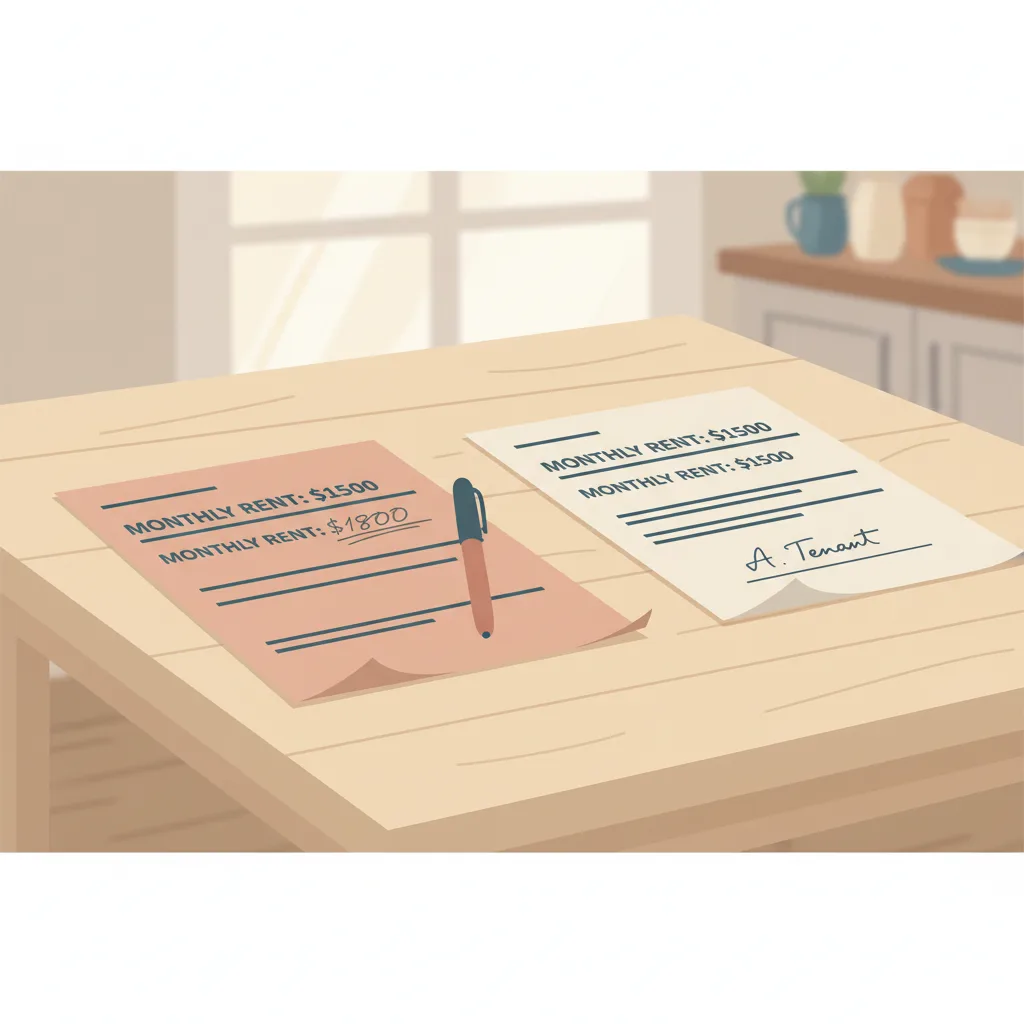
A lease agreement on a table, one version with a handwritten rent adjustment, the other with the printed price unchallenged.
Data proksi — tidak ada survei penyesalan langsung untuk keputusan ini. Tingkat diturunkan dari skor kepuasan dan data hambatan akses daripada pertanyaan yang langsung menanyakan tentang penyesalan. Lihat peringatan di bawah.

Penyesalan atas tindakan

Menegosiasikan sewa

18%

~18% penyewa yang mencoba bernegosiasi melaporkan ketidakpuasan dengan hasil (proksi)

Penyewa AS yang mencoba negosiasi sewa pada penandatanganan sewa atau perpanjangan

retrospektif, perpanjangan sewa terbaru

Penyesalan atas kelambanan

Menerima harga yang diminta

35%

~35% penyewa yang tidak pernah bernegosiasi percaya mereka membayar berlebih dan berharap mereka meminta (proksi)

Penyewa AS yang tidak pernah menegosiasikan persyaratan sewa mereka

retrospektif, tidak ada kerangka waktu tetap

% menyesal dengan pilihan ini

inaction dominates — Tidak bertindak mendominasi — sebagian besar menyesali karena tidak bertindak.

Keputusan terkait

Keputusan yang serupa secara semantik — area yang sama, kompromi yang berbeda.

Keuangan

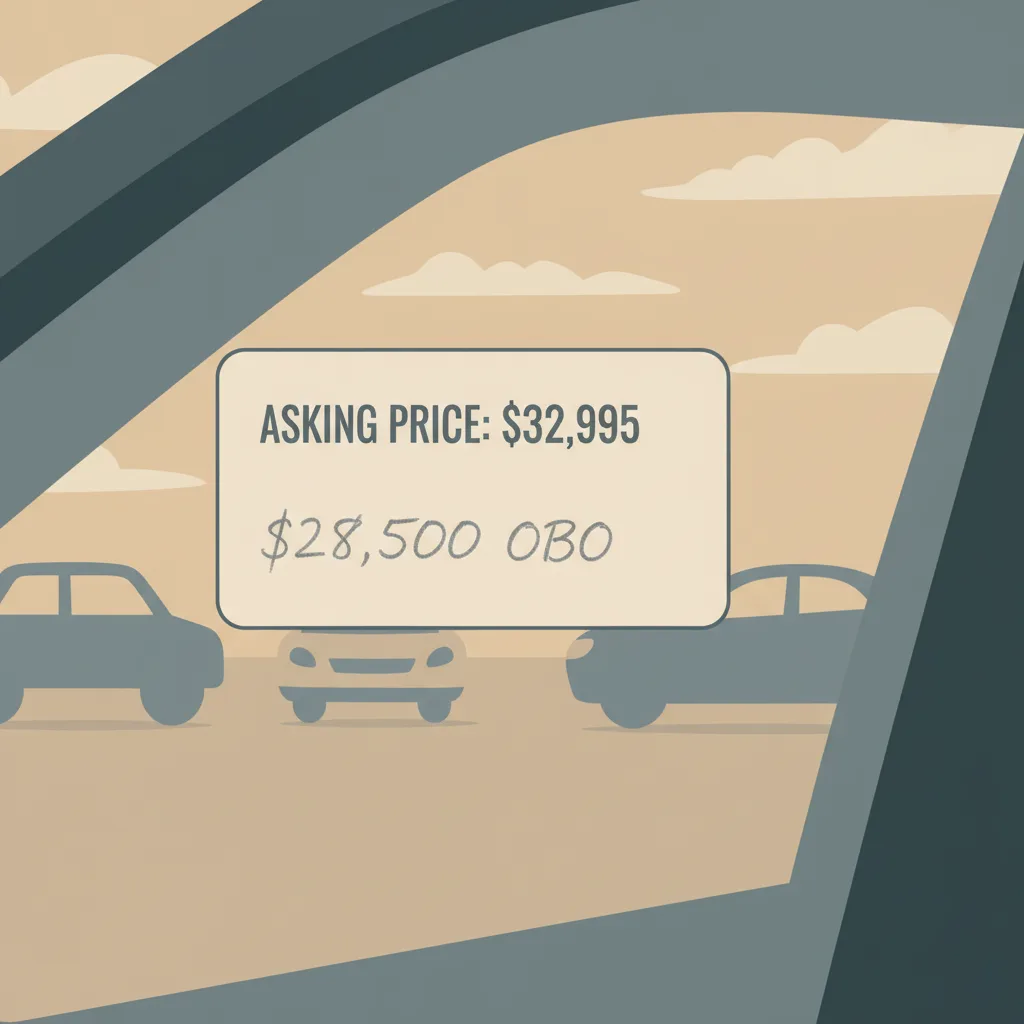
Negosiasi harga mobil

% menyesal dengan pilihan ini

Ketidakaktifan mendominasi

Penyesalan tidak bertindak 1.6× lebih tinggi

KeuanganLangsung

Beli rumah

% menyesal dengan pilihan ini

Ketidakaktifan mendominasi

Penyesalan tidak bertindak 5.6× lebih tinggi

Keuangan

Negosiasi tagihan medis

% menyesal dengan pilihan ini

Ketidakaktifan mendominasi

Penyesalan tidak bertindak 7.6× lebih tinggi

career

Negosiasi gaji

% menyesal dengan pilihan ini

Ketidakaktifan mendominasi

Penyesalan tidak bertindak 1.2× lebih tinggi

Keuangan

KPR tetap vs. ARM

% menyesal dengan pilihan ini

Tindakan mendominasi

Penyesalan bertindak 3.6× lebih tinggi

Keuangan

Renovasi rumah

% menyesal dengan pilihan ini

Tindakan mendominasi

Penyesalan bertindak 2.3× lebih tinggi

Keuangan

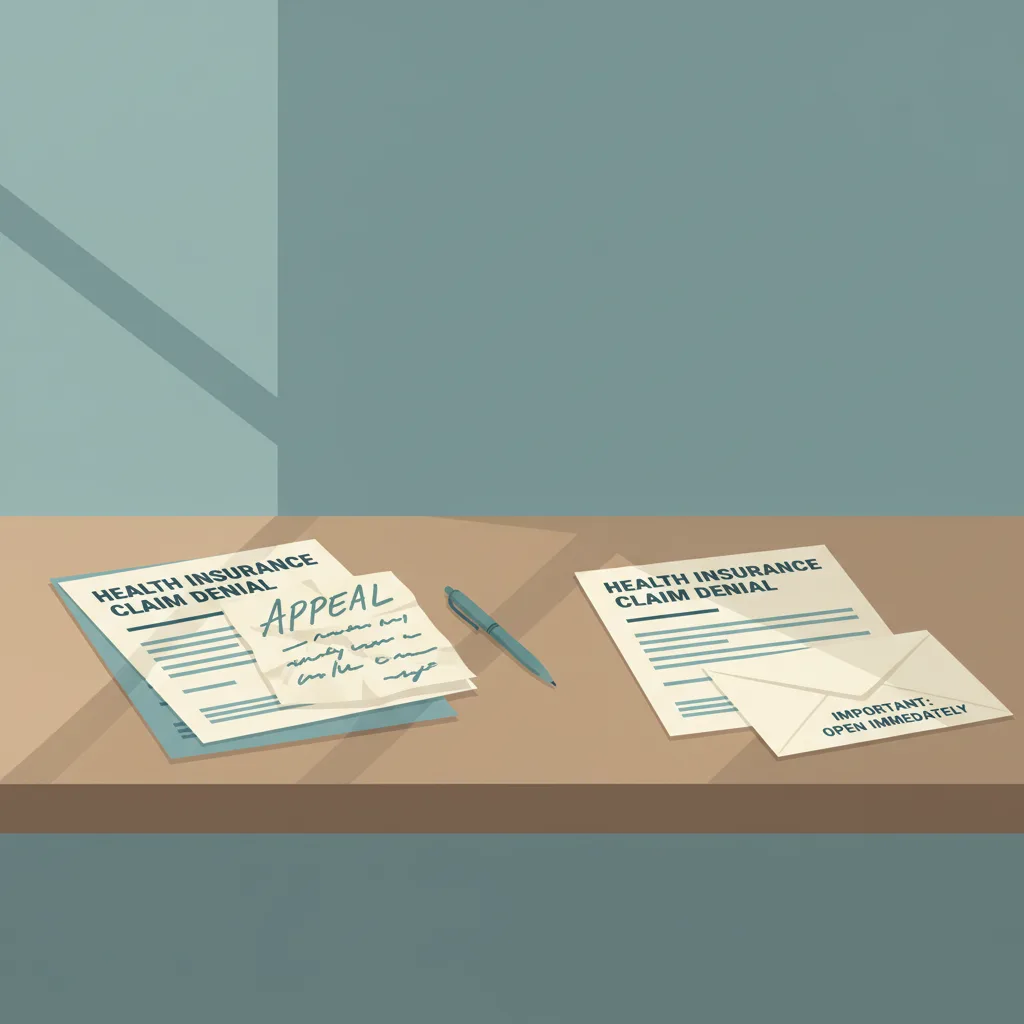
Banding penolakan asuransi kesehatan

% menyesal dengan pilihan ini

Ketidakaktifan mendominasi

Penyesalan tidak bertindak 3.1× lebih tinggi

Keuangan

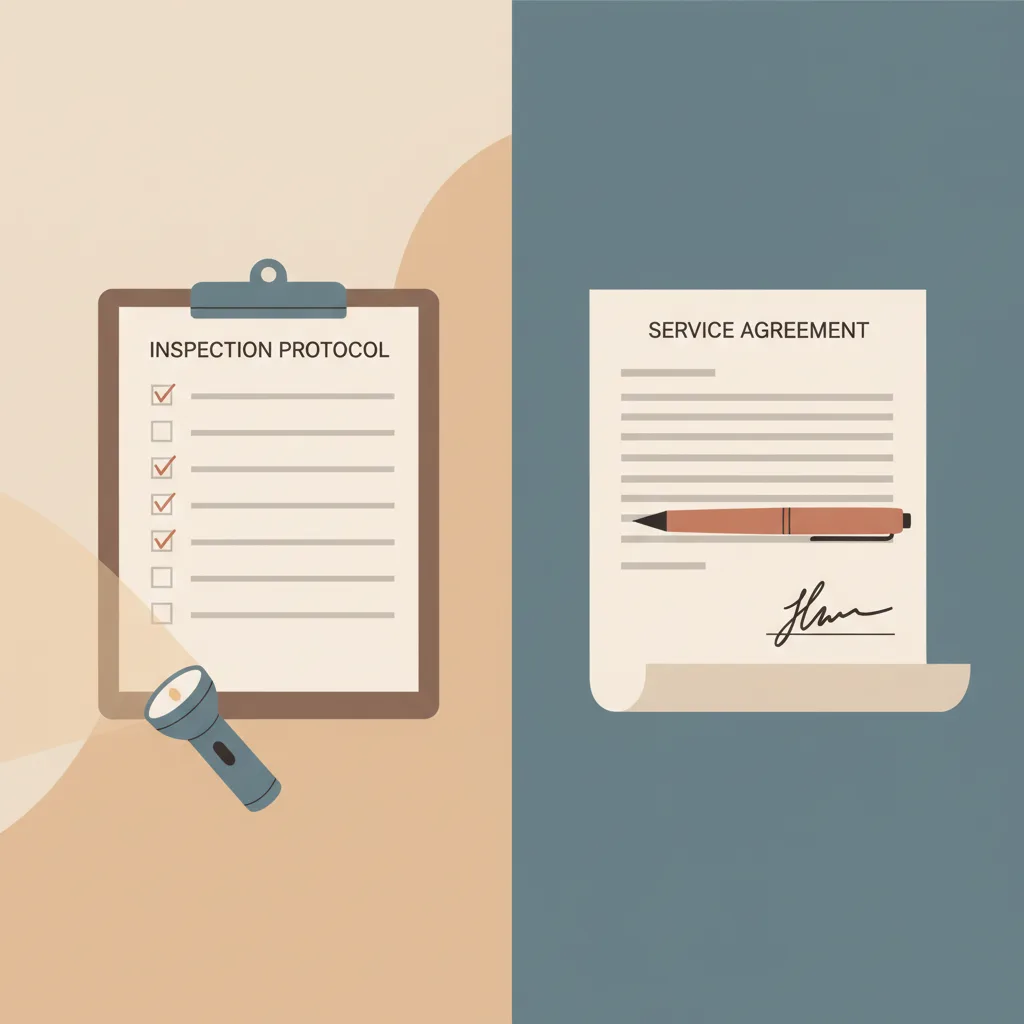
Lepaskan syarat inspeksi properti

% menyesal dengan pilihan ini

Tindakan mendominasi

Penyesalan bertindak 3.1× lebih tinggi

Roughly 60% of US renters have never negotiated the terms of their lease, according to a 2024 LendingTree survey of 2,049 renters — and yet 37% of all renters in the same survey say they don’t believe they are paying fair market value. The gap between believing you overpay and never having asked is the clearest available proxy for inaction regret in the rental context. Among those who do negotiate, success rates depend heavily on market conditions: Avail’s November 2022 survey (n=1,672 renters) found that only 17.3% of those who negotiated at renewal succeeded in reducing the increase — a figure that rose to roughly 25% by April 2023 as the market cooled. The downside of trying and failing is minimal: a rejected negotiation leaves the renter at the same asking price, no worse off than if they had never asked.

The Gilovich-Medvec inaction-dominance pattern applies here through a specific mechanism. Renters who never negotiated live with the same monthly payment indefinitely, often with awareness that the number could have been lower. Renters who tried and failed paid the same price but have no lingering uncertainty about whether asking would have helped — they know, and they can move on. The psychological cost of unresolved “what if I had asked?” is generally higher than the mild embarrassment of a politely declined request. Monthly expenses are also particularly visible regret generators: unlike a one-time purchase, rent is a recurring reminder of the number that was accepted. Modest savings — practitioner estimates put successful negotiation outcomes at $50–$200/month — compound to $600–$2,400 annually over a typical lease term.

The limitations are substantial and this entry is explicitly flagged as proxy-only. No published survey asks “do you regret not negotiating your rent?” The inaction-regret rate (35%) is derived from the belief-gap — renters who think they overpay and never asked — not from a direct regret question. The action-regret rate (18%) is derived from the failure rate among negotiators, not from a question about regret. Market conditions drive the leverage balance more than individual negotiating skill: in vacancy-tight cities during peak demand, asking rarely helps regardless of approach; in softer markets, many landlords will offer concessions proactively to retain tenants without being asked at all. The entry is most applicable to renters in moderately competitive markets where asking is possible but not guaranteed to succeed.

Sumber: tindakan

Buku besar klaim

Setiap angka di bawah ini adalah apa yang dilaporkan masing-masing sumber, dengan kutipan kata demi kata yang kami andalkan dan bagaimana kami sampai pada angka kami. Klik tautan mana saja untuk memverifikasi langsung.

1/2 sumber diverifikasi secara independen kata demi kata terhadap sumber terkutip

  1. [1] Avail / Realtor.com — Rental Market Trends for 2023 Terverifikasi
    Rental Market Trends for 2023
    Statistik
    34.7% of renters attempted to negotiate at renewal; of those, 17.3% succeeded in reducing the increase (rising to ~25% by April 2023)
    Kutipan
    “"Only one-third (34.7%) of surveyed renters reported trying to negotiate with their landlord the last time their rent was raised. Of those, 17.3% succeeded in getting a smaller rent increase." ”
    Data sumber dari
    2023-01-01
    Diakses
    2026-05-11
    Verifikasi
    Kutipan diambil ulang secara independen dan dikonfirmasi kata demi kata terhadap sumber terkutip selama audit pendasaran kami.
    Perhitungan
    Avail / Realtor.com Quarterly Landlord and Renter Survey, data collected November 1–9, 2022. Sample: n=1,672 renters nationwide, margin of error ±2.4%. The 17.3% success rate implies 82.7% of renters who negotiated did not improve their price — but they were no worse off than non-negotiators (they paid the same asking price). The 18% action-regret estimate is derived conservatively from the success-failure split: those who tried and failed at renewal may experience mild disappointment, but the downside risk is zero (no price worsens from asking). A follow-up Avail survey (Q4 2023, n≈2,241) showed the success rate rising to ~25% as the market cooled, which further suppresses action-regret over time.
  2. [2] CNBC — 1 in 4 Renters Are Successfully Negotiating Lower Prices
    1 in 4 Renters Are Successfully Negotiating Lower Prices
    Statistik
    By April 2023, ~25% of renters who attempted to negotiate successfully reduced their rent
    Kutipan
    “"About 25% of renters who attempted to negotiate their rent were successfully paying less than the asking price as of April 2023, up from 17% in October 2022 as rental market conditions cooled." ”
    Data sumber dari
    2023-05-25
    Diakses
    2026-05-11
    Perhitungan
    CNBC reporting on Avail follow-up data, April 2023. Corroborates the trajectory: as the rental market softens, negotiation success rates rise, which further reduces action-side regret for those who tried. Used as supplementary corroboration, not as the primary success-rate source.

Sumber: tidak bertindak

Buku besar klaim

Setiap angka di bawah ini adalah apa yang dilaporkan masing-masing sumber, dengan kutipan kata demi kata yang kami andalkan dan bagaimana kami sampai pada angka kami. Klik tautan mana saja untuk memverifikasi langsung.

  1. [1] LendingTree — Landlord Survey: How Rent Negotiation Works in Today's Market
    Landlord Survey: How Rent Negotiation Works in Today's Market
    Statistik
    60% of renters have never negotiated lease terms; 37% of all renters don't believe they're paying fair market value
    Kutipan
    “"60% of renters have never negotiated the terms of their lease. 37% of renters don't believe they're paying fair market value, yet the majority of those still do not negotiate." ”
    Data sumber dari
    2024-04-29
    Diakses
    2026-05-11
    Perhitungan
    LendingTree / QuestionPro survey of n=2,049 US consumers ages 18–78, conducted March 15–18, 2024. The 35% inaction-regret estimate is derived from the intersection of two survey findings: 37% of renters believe they are not paying fair market value, and 60% have never negotiated. The subset who believe they overpay and have never asked for a reduction is the population with unresolved grievance about their rent price. "Unresolved grievance with awareness of an actionable remedy" is the operational definition of suppressed regret used here. No question directly asking "do you regret not negotiating your rent?" was identified in any published survey. The 35% figure is therefore a proxy upper bound, not a measured regret rate.
  2. [2] Lemonade / OnePoll — Rising Rents Survey
    Rising Rents Survey
    Statistik
    57% of renters have tried negotiating rent at some point; 43% have never attempted despite rising rents
    Kutipan
    “"57% of renters said they have tried negotiating their rent with their landlord. 43% have never attempted to negotiate despite rising rents." ”
    Data sumber dari
    2022-11-01
    Diakses
    2026-05-11
    Perhitungan
    Lemonade / OnePoll survey of n=2,000 American renters, random double-opt-in panel, fielded November 9–14, 2022. OnePoll is an AAPOR/ESOMAR member. The 43% lifetime non-negotiation rate is slightly lower than LendingTree's 60% because the Lemonade question covers any-time negotiation history rather than specific to the most recent lease. Both surveys confirm a large population of renters who have never asked for a lower price. Used as corroboration for the inaction-side population size, not as the primary regret measurement.

Catatan

PENGUKURAN PROKSI SEPENUHNYA. Tidak ada survei yang diterbitkan menanyakan penyewa secara langsung apakah mereka menyesali tidak menegosiasikan sewa mereka. Kedua sisi entri ini dibangun dari data yang berdekatan: tingkat penyesalan-tindakan dari statistik percobaan-dan-keberhasilan (18% = batas atas kasar untuk kekecewaan di antara negosiator yang gagal); tingkat penyesalan-non-tindakan dari proksi kesenjangan-keyakinan (37% penyewa percaya mereka membayar berlebih namun 60% tidak pernah bernegosiasi). Proksi kesenjangan-keyakinan tidak sama dengan penyesalan. Tingkat keberhasilan untuk negosiasi bervariasi secara substansial berdasarkan pasar: di pasar dengan kekosongan ketat (mis., New York, San Francisco selama permintaan puncak), pemilik tanah memiliki sedikit insentif untuk bernegosiasi. Data Avail spesifik untuk konteks perpanjangan. Perkiraan penyesalan-non-tindakan 35% mungkin melebih-lebihkan penyesalan sejati.

Data mentah: /api/decisions.json

Baru-baru ini dilihat di perangkat ini