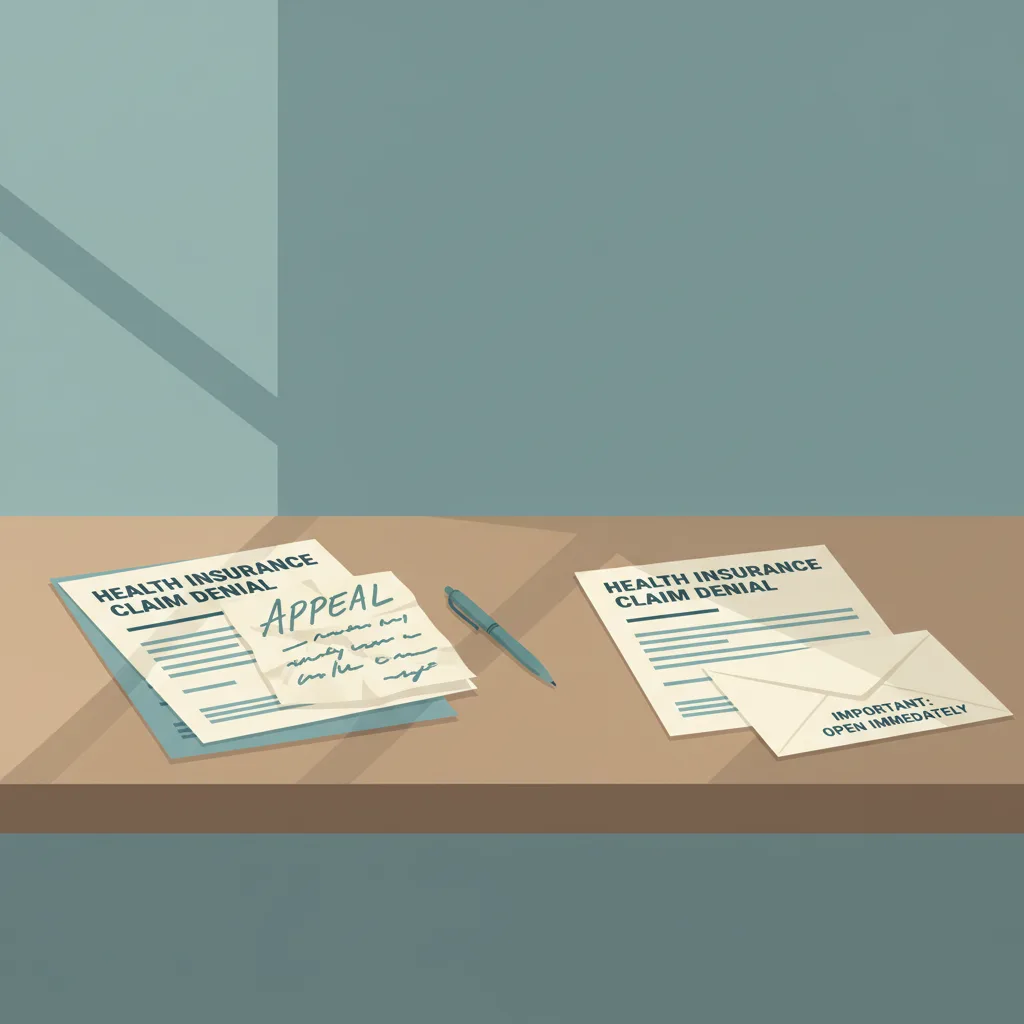
Торговаться за цену автомобиля vs. принять первое предложение дилера
Если вы действуете
Торговаться за цену
14%
Если вы бездействуете
Принять первое предложение дилера
23%
Доля тех, кто впоследствии жалеет о каждом выборе. Столбцы и полный реестр показаны ниже.
Финансы
Последнее обновление 2026-05-11
Качество доказательств 4.13/5
Оценка по восьми измерениям согласно
рубрике качества
. Каждое измерение оценивается от 1 до 5.
D1 Проверка источников
5/5
D2 Авторитетность и независимость источника
4/5
D3 Точность уровня сожаления
2/5
D4 Сопоставимость источников
3/5
D5 Шаблон Гиловича
5/5
D6 Качество текста
5/5
D7 Полнота оговорок
5/5
D8 Качество выборки
4/5
Среднее4.13/5
Косвенные данные — для этого решения не существует прямого исследования сожалений. Показатели получены из оценок удовлетворённости и данных о барьерах доступа, а не из вопросов, непосредственно касавшихся сожалений. Смотрите оговорки ниже.
Сожаление о действии
Торговаться за цену
14%
~14% покупателей автомобилей, торгующихся, сообщают о неудовлетворённости процессом или результатом (приближение из литературы о трении и сожалении покупателя)
Американские и британские покупатели автомобилей, пытавшиеся торговаться по цене
ретроспективно, без фиксированного периода
Сожаление о бездействии
Принять первое предложение дилера
23%
23% покупателей автомобилей говорят, что переплата — их самая большая ошибка при покупке автомобиля
Взрослые США, купившие автомобиль
ретроспективно, без фиксированного периода
% сожалеют об этом выборе
Торговаться за ценуПринять первое предложение дилера
14%23%
inaction dominates — Бездействие преобладает — большинство сожалеет, что не действовали.
Похожие решения
Семантически близкие решения — та же область, другие компромиссы.
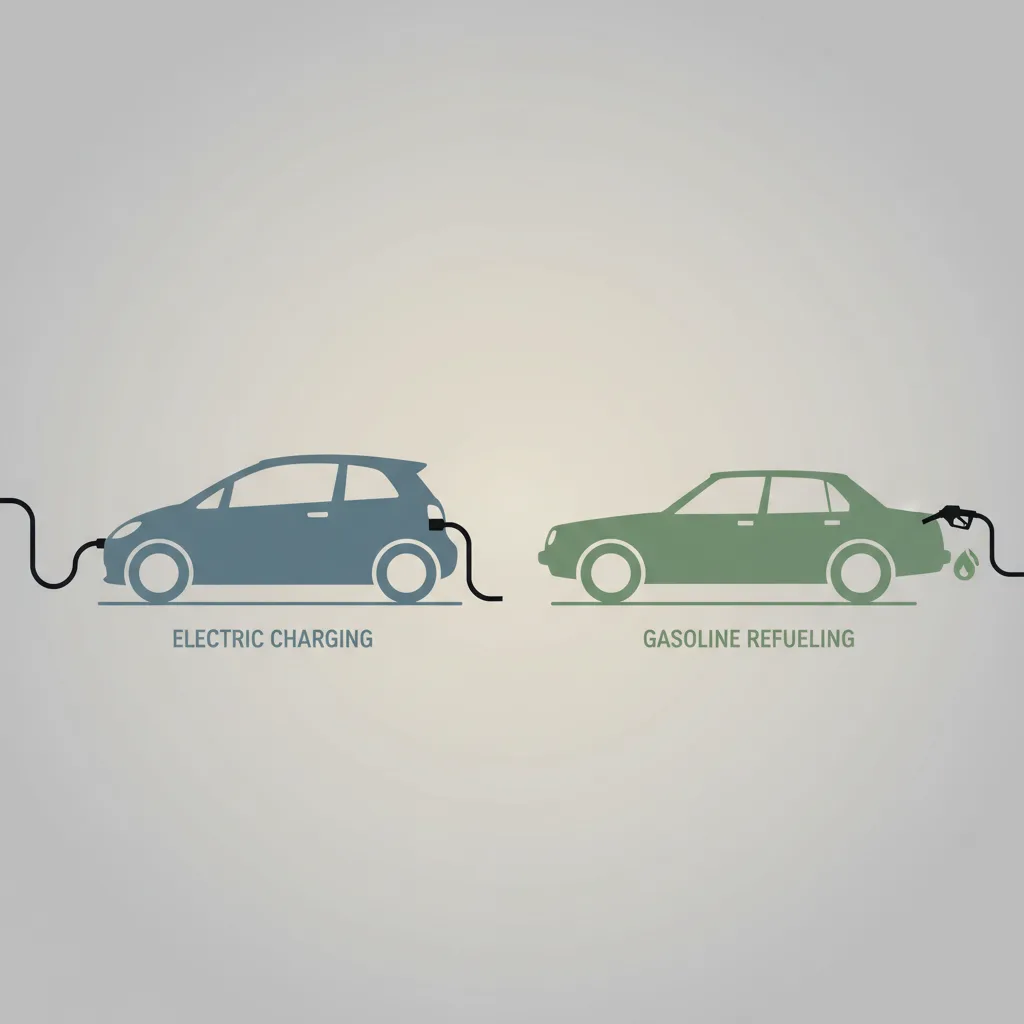
Перейти на электромобильОставить бензиновый автомобиль
46%16%
Преобладает действие
Сожаление о действии в 2.9× выше
Among used-car buyers who attempted to negotiate, 83% succeeded in paying less than the asking price, with a median saving of $900 — roughly 8% off the sticker — according to a Consumer Reports survey of 1,006 US buyers. The group that did not negotiate accepted a higher price for no reason other than not asking. An Ipsos survey of 1,005 US adults found that 23% of car buyers named overpaying as their single worst mistake in the car-buying process, ranking it ahead of not doing enough research (20%), buying the wrong car (14%), and buying from an untrustworthy source (14%). The LendingTree car-regrets survey (n=1,919) separately found that 8% of recent buyers specifically regret not shopping around for a better deal — a narrower, more direct measure of negotiation regret.
The asymmetry tracks cleanly with the Gilovich-Medvec inaction-dominance pattern. Negotiating and failing costs nothing in price — you end up paying exactly what non-negotiators pay, and in most cases you still drive away with the car. Negotiating and succeeding saves hundreds to thousands of dollars. Not negotiating locks in the sticker price permanently. The expected value of asking is positive, the downside is minimal, and yet a large share of buyers accept the first number without countering. Edmunds data shows that by Q3 2024, the average US new-vehicle buyer was leaving with the car $1,744 below MSRP — a figure that reflects an entire population of buyers, including those who did not negotiate, being averaged against those who did. Individual negotiators likely fared better than the mean.
The caveats are real. Market conditions shift the leverage dramatically: during the 2021–2022 inventory shortage, used-car prices spiked well above pre-pandemic levels and dealers routinely added markups above MSRP, making negotiation nearly impossible for popular models. In a surplus market — the environment most buyers will encounter across their lifetime — the leverage returns to the buyer. The Ipsos regret figure (23%) almost certainly conflates depreciation disappointment with negotiation failure; buyers who timed their purchase during a price peak, negotiated well, and still watched the car lose value quickly would also report this regret. The CarGurus UK data shows 53% of buyers find negotiation uncomfortable — a real barrier that suppresses attempts — but discomfort during the process does not reliably translate into regret about having tried.
Источники: действие
Реестр утверждений
Каждое число ниже — это то, что сообщил источник, с дословной цитатой, на которую мы опирались, и тем, как мы пришли к нашей цифре. Нажмите на ссылку, чтобы проверить самостоятельно.
1/2 источников независимо дословно сверены с указанным источником
[1]Consumer Reports — Why Haggling for Your Next Car Really Pays
Проверено
Авторитетный справочник
70% of used-car buyers who haggled succeeded 83% of the time, saving a median of $900 (8% off asking price)
Выдержка
“"70 percent of used-car buyers haggled over the price, succeeding in getting a better deal 83 percent of the time. The median was $900, or 8 percent less than the asking price."
”
Данные источника:
2023-01-01
Дата обращения
2026-05-11
Проверка
Выдержка независимо повторно загружена и подтверждена слово в слово по указанному источнику в ходе нашей проверки достоверности.
Расчёт
Consumer Reports survey of n=1,006 US adults who purchased a used car in the past five years. The 83% success rate among negotiators implies 17% failed to improve the price. Even among those who failed, they were no worse off than non-negotiators. Low post-negotiation regret is estimated from the inverse: the majority who succeeded saved real money (median $900), the minority who failed got the same price they would have accepted anyway. The 14% action-regret proxy is derived conservatively from the failure rate (17%) adjusted downward by the fact that failed negotiators lose nothing — they pay the same price as non-negotiators.
[2]CarGurus UK — Car Negotiation Tips — Consumer Survey
Авторитетный справочник
53% of car buyers found negotiating 'too uncomfortable'; among successful negotiators, average savings were £896 (~$1,100)
Выдержка
“"Fewer than a third of car buyers (29%) always try to negotiate. 53% found negotiating too uncomfortable. Among those who did negotiate successfully, the average saving was £896."
”
Данные источника:
2023-05-01
Дата обращения
2026-05-11
Расчёт
CarGurus UK commissioned survey of n=2,000 UK motorists, May 2023. The discomfort figure (53%) represents anxiety during the process, not post-purchase regret. UK negotiation norms differ from US; the discomfort rate is used as a proxy upper bound for action-side regret, acknowledging the methodological mismatch. The savings figure (£896) contextualizes stakes: real money is on the table, which suppresses retrospective regret even when the process was uncomfortable.
Источники: бездействие
Реестр утверждений
Каждое число ниже — это то, что сообщил источник, с дословной цитатой, на которую мы опирались, и тем, как мы пришли к нашей цифре. Нажмите на ссылку, чтобы проверить самостоятельно.
1/2 источников независимо дословно сверены с указанным источником
[1]Ipsos — Top Car Buyer Regrets Include Overpaying for a New Car and Not Doing Enough Research
Проверено
Авторитетный справочник
23% of car buyers say overpaying for a new car that quickly depreciated was their single worst mistake
Выдержка
“"Roughly a quarter (23%) say that their worst mistake when purchasing a car was overpaying for a new car that quickly depreciated. One in five (20%) say their worst mistake was not doing enough research."
”
Данные источника:
2009-01-01
Дата обращения
2026-05-11
Проверка
Выдержка независимо повторно загружена и подтверждена слово в слово по указанному источнику в ходе нашей проверки достоверности.
Расчёт
Ipsos online panel survey of n=1,005 US adults ages 18+, January 2009. Margin of error ±3.1pp. The question asked respondents to identify their single worst car-buying mistake. "Overpaying for a new car that quickly depreciated" encompasses both depreciation timing and price negotiation failure; it is the closest available US survey data linking car purchase regret to price paid. Because the question conflates depreciation and negotiation failure, the 23% figure is an upper bound for negotiation-specific regret. No more recent US survey with comparable methodology on car-price- specific regret was identified. Used as the inaction-regret rate.
[2]LendingTree — Car Regrets Survey: Nearly 4 in 10 Who Bought a Car in the Past Year Have Regrets
Авторитетный справочник
8% of recent car buyers specifically regret not shopping around for a better deal
Выдержка
“"Nearly 4 in 10 who bought a car in the past year have regrets. Top regrets include wrong make/model (14%), bought an unaffordable car (10%), and not shopping around for a better car deal (8%)."
”
Данные источника:
2021-12-01
Дата обращения
2026-05-11
Расчёт
LendingTree survey of n=1,919 US car owners conducted via Qualtrics, December 2021. The 8% figure is the direct measurement of "not shopping around for a better deal" as a reported regret — the closest available operationalization of not-negotiating regret. Because shopping around and price negotiation are related but not identical, and because this question allows multiple regrets while Ipsos forced a single worst mistake, the two figures are not directly comparable. The 23% Ipsos upper bound and 8% LendingTree lower bound bracket the inaction-regret range. We use 0.23 as the conservative estimate of stated regret about overpaying.
Оговорки
PROXY MEASUREMENTS THROUGHOUT. No survey directly asks: "Did you fail to negotiate the car price, and do you regret it?" The 23% inaction figure (Ipsos 2009) conflates depreciation regret with negotiation regret; some buyers who overpaid did negotiate, and some who underpaid did not. The Ipsos data is also 16 years old and predates the COVID-era inventory shortage (2021–2022), during which most buyers paid above MSRP regardless of negotiating skill. The 14% action-regret estimate is derived from the Consumer Reports 17% failure-to-improve rate adjusted downward, not from a direct regret survey. Edmunds data (Q3 2024) shows new-vehicle buyers now average $1,744–$1,884 below MSRP — the stakes are real and growing. The CarGurus discomfort figure (53% found negotiating uncomfortable) is a process measure, not a retrospective regret measure, and comes from a UK sample that may understate negotiation norms in the US. The overall direction — inaction regret exceeds action regret — is robustly supported by the Consumer Reports and Ipsos data, but the gap is small enough that the specific rates should be read as approximate rather than calibrated. Market conditions matter: in a hot inventory market (e.g., 2021–2022), dealers rarely negotiated and buyers had little leverage; in a buyer's market (e.g., post-2023), negotiation is far more feasible and inaction regret is likely higher.