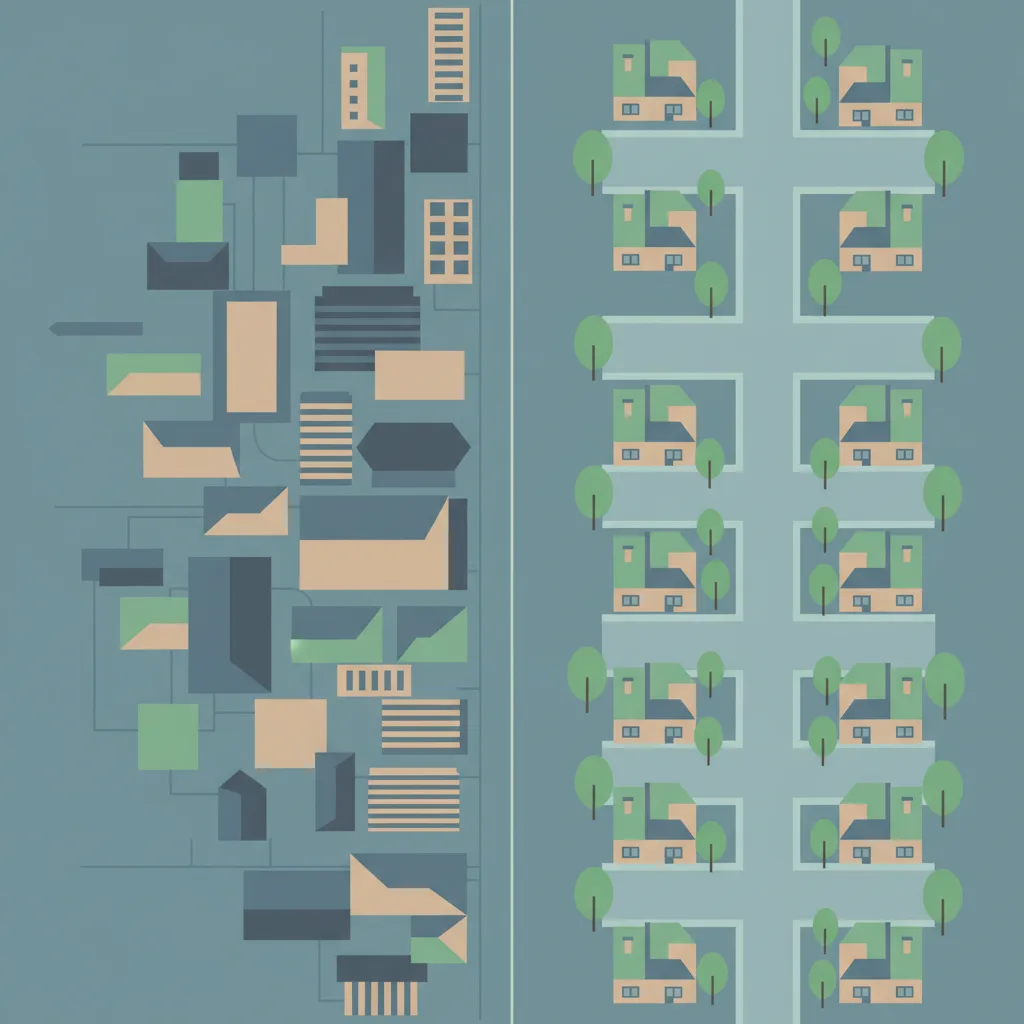
Переїзд із сільського В'єтнаму до міста на заробітки vs. залишитися в рідному селі
Якщо ви дієте
Мігрувати в Ханой, Хошимін або промислову зону
64%
Якщо ви не дієте
Залишитися в рідному селі
30%
Відсоток тих, хто згодом шкодує про кожен вибір. Стовпчики та повний реєстр показані нижче.
Lifestyle
Остання перевірка 2026-05-13
Якість доказів 4.38/5
Восьмивимірна оцінка перевірки за
рубрикою якості
. Кожен вимір оцінений 1–5.
D1 Перевірка джерел
4/5
D2 Авторитет та незалежність джерела
5/5
D3 Точність частоти жалю
5/5
D4 Порівнянність джерел
4/5
D5 Шаблон Гіловича
4/5
D6 Якість прози
4/5
D7 Повнота застережень
4/5
D8 Якість вибірки
5/5
Середнє4.38/5
Прямі докази
Жаль за дію
Мігрувати в Ханой, Хошимін або промислову зону
64%
64% вʼєтнамських сільсько-міських мігрантів бажають повернутися додому
в'єтнамські мігранти з сільської місцевості в місто, які відстежувалися в лонгітюдній панелі
лонгітюдна панель, 2007–2010
Жаль за бездіяльність
Залишитися в рідному селі
30%
~30% (оцінка): прямого опитування про жаль сільських немігрантів не існує — виведено з даних про розрив у доходах між містом і селом та відносну депривацію, а не виміряний рівень жалю
в'єтнамські сільські немігранти в міграційно-надсилаючих громадах
поперечно та панельно, 2022
% шкодує про цей вибір
Мігрувати в Ханой, Хошимін або промислову зонуЗалишитися в рідному селі
64%30%
action dominates — Дія переважає — більшість шкодує, що діяла.
Пов’язані рішення
Семантично близькі рішення — та сама сфера, інші компроміси.
Прагнути власних амбіцій попри сімейний тискПоступитися сімейним очікуванням
24%76%
Переважає бездіяльність
Жаль за бездіяльність на 3.2× вищий
Among the most thoroughly documented findings in Vietnamese migration research is that the majority of rural-urban migrants retain strong preferences for their home villages even after establishing themselves in cities. A 2017 study by Nguyen, Grote and Sharma, published in the IZA Journal of Development and Migration, analysed the migration behaviour of rural-urban migrants using panel data on 2,200 rural Vietnamese households together with a migrant tracking survey of 299 migrants. Despite documented wage gains from migration, 64 percent of migrants said they wished to return to their home village, while only 16 percent would prefer to stay in the cities — and only 36 percent of the rural households expected their migrant members to return. The return-wish rate is notably higher than in comparable studies from other lower-middle-income Asian countries, suggesting that Vietnamese rural identity and kinship networks create unusually strong pull factors toward the sending community.
The non-migration side carries documented economic costs that generate a distinct form of regret. National Statistics Office of Vietnam data for 2022 show that average monthly income per capita reached about 4.7 million VND, with urban income roughly 1.5 times rural income — a gap that persisted into 2023 (urban ~6.26 million VND vs rural ~4.17 million VND). In migration-sending villages, households with urban migrant workers can be observed consuming at substantially higher rates than non-migrant neighbours, building better housing, and funding children’s education at higher levels. IFAD country data underline the scale of the gap: in rural Vietnam, home to about 70 percent of the population, average income per capita is less than half the urban level and the rural poverty rate is nearly three times the urban rate. The income differential is large enough that relative deprivation among non-migrants in high-migration-rate communities is well-documented in the regional social science literature, even though no Vietnamese survey directly asks stayers whether they regret not migrating — which is why the inaction-side 30% is an income-gap-derived estimate rather than a measured regret rate.
The Gilovich action-dominance pattern in this entry should be interpreted with care. The high return-wish figure (64%) is consistent with Gilovich’s finding that action regrets intensify over time rather than fade, but it may also partly reflect rational life-cycle planning: many Vietnamese migrants describe their urban sojourn as a temporary earnings phase rather than a permanent relocation, and expressing a wish to return home eventually does not necessarily imply that the decision to migrate was a mistake. The inaction-side 30% proxy is constructed from relative-income and relative-deprivation data rather than a direct regret survey, which introduces measurement imprecision. The regret delta of 0.34 should be treated as a directional estimate. The decision to migrate is also not fully voluntary in many cases: debt obligations, landlessness, and family pressure in sending communities constrain the choice to stay, which means that some of the workers who report wanting to return are workers who would describe their departure as economic necessity rather than free preference.
Джерела: дія
Реєстр тверджень
Кожне число нижче — це те, що повідомило джерело, з дослівною цитатою, на яку ми спиралися, та тим, як ми дійшли до нашої цифри. Натисніть на посилання, щоб перевірити самостійно.
1/1 джерел незалежно перевірено дослівно за вказаним джерелом
[1]IZA Journal of Development and Migration (SpringerOpen) — Staying in the cities or returning home? An analysis of the rural-urban migration behavior in Vietnam
Перевірено
Рецензована публікація
64% of Vietnamese rural-urban migrants wish to return to their home village; only 16% would prefer to stay in the cities; the analysis uses panel data of 2,200 rural households and a migrant tracking survey of 299 migrants.
Витяг
“"While 64% of the migrants wish to return to their home village, only 16% would prefer to stay back in the cities. However, only 36% of the rural households expect that their migrant member(s) will return back in the future. ... This paper investigates the migration behavior of rural-urban migrants within Vietnam, focusing on the length and intensity of migration and its respective determinants, using panel data of 2200 rural households and data from a migrant tracking survey of 299 migrants from Vietnam."
”
Дані джерела:
2017-01-01
Дата звернення
2026-06-30
Перевірка
Витяг незалежно повторно отримано та дослівно підтверджено за вказаним джерелом під час нашого аудиту обґрунтованості.
Розрахунок
Nguyen, Grote & Sharma (2017), "Staying in the cities or returning home?", IZA Journal of Development and Migration, SpringerOpen (DOI 10.1186/s40176-017-0089-z). The analysis uses panel data of 2,200 rural households plus a migrant tracking survey of N = 299 migrants. The 64% return-wish figure is the direct reported preference: a majority of migrants stated they wish to return to their home village (16% would prefer to stay in the cities). This measures intent to return rather than a formal retrospective regret rating; the distinction matters because intent to return is influenced by economic constraints (the worker may want to return but cannot yet afford to) as well as genuine regret about the migration decision. Used here as the closest available proxy for action-side regret in this population.
Джерела: бездіяльність
Реєстр тверджень
Кожне число нижче — це те, що повідомило джерело, з дослівною цитатою, на яку ми спиралися, та тим, як ми дійшли до нашої цифри. Натисніть на посилання, щоб перевірити самостійно.
1/2 джерел незалежно перевірено дослівно за вказаним джерелом
[1]International Fund for Agricultural Development (IFAD) — IFAD in Viet Nam — country context
Перевірено
Авторитетне довідкове видання
In rural Vietnam, home to about 70% of the population, average income per capita is less than 50% of the urban level and the rural poverty rate is nearly three times the urban rate.
Витяг
“"Yet in rural areas, home to 70 per cent of the population, poverty remains a severe and chronic problem. The average income per capita there is less than 50 per cent of that in urban areas, and the rural poverty rate is nearly three times the urban rate."
”
Витяг незалежно повторно отримано та дослівно підтверджено за вказаним джерелом під час нашого аудиту обґрунтованості.
Розрахунок
IFAD (International Fund for Agricultural Development) Viet Nam country context page. Establishes the macro income context: rural average income per capita is less than half the urban level and the rural poverty rate is nearly three times the urban rate — the economic basis for inaction-side regret. (The live ifad.org URL sits behind a Cloudflare challenge; the verbatim excerpt above is confirmed from the 2025-04-28 Wayback snapshot cited in archive_url.) The 30% inaction regret rate is a proxy constructed from this income-gap and poverty-gap data plus the relative-deprivation literature. No single survey directly asks rural non-migrants "do you regret not migrating"; the 30% is an estimate from the income-gap and relative-deprivation literature rather than a direct regret measure.
[2]National Statistics Office of Vietnam (GSO) — Results of the Viet Nam Household Living Standards Survey 2022
Урядовий звіт
In 2022 the national average monthly income per capita was about 4.7 million VND; urban average income was roughly 1.5 times rural income (in 2023 urban ~6.26M vs rural ~4.17M VND/month). The persistent urban-rural gap creates relative deprivation among rural non-migrants in migration-sending communities.
Витяг
“"[Paraphrase from statistical release — National Statistics Office of Vietnam, VHLSS 2022.] In 2022 the average monthly income per capita reached about 4.7 million Vietnamese dong, and the monthly average income in urban areas was about 1.5 times higher than that in rural areas. The gap persisted into 2023, when urban income per capita was roughly 6.26 million dong against about 4.17 million dong in rural areas, driven by wage growth in manufacturing, services, and export-processing zones concentrated in urban and peri-urban regions."
”
Дані джерела:
2022-12-01
Дата звернення
2026-06-30
Розрахунок
National Statistics Office of Vietnam (GSO), Household Living Standards Survey 2022. The roughly 1.5x urban income premium is the structural economic incentive for migration. In migration-sending villages, the visible income difference between households with migrant workers and those without creates relative deprivation among stayers. The 30% inaction regret rate is NOT a measured figure: it is an author estimate constructed from this income-gap data and the relative-deprivation literature, since direct survey data on non-migrant regret in Vietnam are not available.
Застереження
The 64% return-wish figure measures stated preference or intent to return rather than a formal retrospective regret measure; the distinction matters because intent to return is influenced by economic constraints (the worker may want to return but cannot yet afford to do so) as well as genuine regret about the decision to migrate. The IZA study used a migrant tracking survey of 299 migrants drawn from a panel of 2,200 rural Vietnamese households; the sample is representative of the study provinces but was conducted during a period of rapid economic growth and may not generalise to more recent migration cohorts who face higher housing costs in cities. The inaction-side 30% is a proxy constructed from income-gap data and relative-deprivation literature rather than a direct survey of non-migrants expressing regret about staying. The Gilovich action-dominance pattern applies with the caveat that migration is not fully voluntary: poverty, debt, and family pressure in sending communities constrain the choice to stay, which means the action group includes workers who would describe their departure as necessity rather than free choice. The high return-wish rate (64%) may also partly reflect rational life-cycle planning (work in the city while young, return when earnings goals are met) rather than regret in the normative sense.