Negociar el precio del coche vs. aceptar la primera oferta del concesionario
Si actúas
Negociar el precio
14%
Si no actúas
Aceptar la primera oferta del concesionario
23%
Porcentaje de quienes luego se arrepienten de cada elección. Las barras y el registro completo aparecen abajo.
Financiero
Última revisión 2026-05-11
Calidad de la evidencia 4.13/5
Puntuación de revisión en ocho dimensiones según la
rúbrica de calidad
. Cada dimensión puntuada de 1 a 5.
D1 Verificación de fuentes
5/5
D2 Autoridad e independencia de las fuentes
4/5
D3 Precisión de la tasa de arrepentimiento
2/5
D4 Comparabilidad de las fuentes
3/5
D5 Patrón de Gilovich
5/5
D6 Calidad de la prosa
5/5
D7 Completitud de las advertencias
5/5
D8 Calidad de la muestra
4/5
Media4.13/5
Datos sustitutos — no existe ninguna encuesta directa sobre el arrepentimiento para esta decisión. Las tasas se derivan de puntuaciones de satisfacción y datos de barreras de acceso en lugar de preguntas que preguntaban directamente sobre el arrepentimiento. Ver advertencias más abajo.
Arrepentimiento por acción
Negociar el precio
14%
~14% de los compradores de autos que negocian reporta insatisfacción con el proceso o el resultado (proxy de literatura de fricción y remordimiento del comprador)
Compradores de autos estadounidenses y británicos que intentaron negociar el precio
retrospectivo, sin marco temporal fijo
Arrepentimiento por inacción
Aceptar la primera oferta del concesionario
23%
23% de los compradores de autos dice que pagar de más es su peor error de compra de auto
Adultos estadounidenses que compraron un auto
retrospectivo, sin marco temporal fijo
% que se arrepienten de esta elección
Negociar el precioAceptar la primera oferta del concesionario
14%23%
inaction dominates — Domina la inacción — la mayoría se arrepiente de no actuar.
Decisiones relacionadas
Decisiones semánticamente similares — mismo terreno, distintos compromisos.
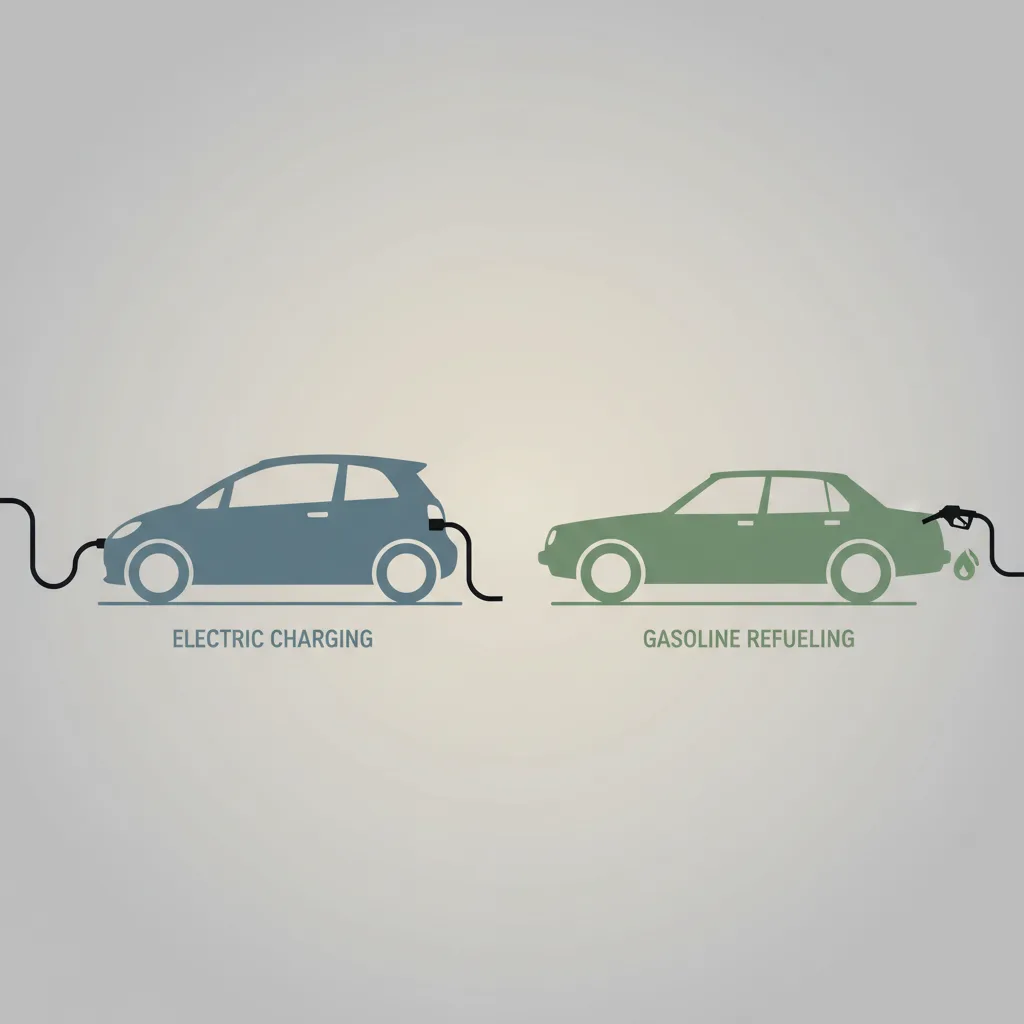
Pasarse al coche eléctricoConservar el coche de gasolina
46%16%
Acción dominante
Arrepentimiento por acción 2.9× mayor
Among used-car buyers who attempted to negotiate, 83% succeeded in paying less than the asking price, with a median saving of $900 — roughly 8% off the sticker — according to a Consumer Reports survey of 1,006 US buyers. The group that did not negotiate accepted a higher price for no reason other than not asking. An Ipsos survey of 1,005 US adults found that 23% of car buyers named overpaying as their single worst mistake in the car-buying process, ranking it ahead of not doing enough research (20%), buying the wrong car (14%), and buying from an untrustworthy source (14%). The LendingTree car-regrets survey (n=1,919) separately found that 8% of recent buyers specifically regret not shopping around for a better deal — a narrower, more direct measure of negotiation regret.
The asymmetry tracks cleanly with the Gilovich-Medvec inaction-dominance pattern. Negotiating and failing costs nothing in price — you end up paying exactly what non-negotiators pay, and in most cases you still drive away with the car. Negotiating and succeeding saves hundreds to thousands of dollars. Not negotiating locks in the sticker price permanently. The expected value of asking is positive, the downside is minimal, and yet a large share of buyers accept the first number without countering. Edmunds data shows that by Q3 2024, the average US new-vehicle buyer was leaving with the car $1,744 below MSRP — a figure that reflects an entire population of buyers, including those who did not negotiate, being averaged against those who did. Individual negotiators likely fared better than the mean.
The caveats are real. Market conditions shift the leverage dramatically: during the 2021–2022 inventory shortage, used-car prices spiked well above pre-pandemic levels and dealers routinely added markups above MSRP, making negotiation nearly impossible for popular models. In a surplus market — the environment most buyers will encounter across their lifetime — the leverage returns to the buyer. The Ipsos regret figure (23%) almost certainly conflates depreciation disappointment with negotiation failure; buyers who timed their purchase during a price peak, negotiated well, and still watched the car lose value quickly would also report this regret. The CarGurus UK data shows 53% of buyers find negotiation uncomfortable — a real barrier that suppresses attempts — but discomfort during the process does not reliably translate into regret about having tried.
Fuentes: acción
Registro de evidencia
Cada número a continuación es lo que reportó cada fuente, con la cita textual en la que nos basamos y cómo llegamos a nuestra cifra. Haz clic en cualquier enlace para verificarlo directamente.
1/2 fuentes verificadas de forma independiente palabra por palabra frente a la fuente citada
[1]Consumer Reports — Why Haggling for Your Next Car Really Pays
Verificado
Fuente de referencia
70% of used-car buyers who haggled succeeded 83% of the time, saving a median of $900 (8% off asking price)
Extracto
“"70 percent of used-car buyers haggled over the price, succeeding in getting a better deal 83 percent of the time. The median was $900, or 8 percent less than the asking price."
”
Datos de la fuente de
2023-01-01
Accedido
2026-05-11
Verificación
Extracto recuperado de forma independiente y confirmado palabra por palabra frente a la fuente citada durante nuestra auditoría de fundamentación.
Cálculo
Consumer Reports survey of n=1,006 US adults who purchased a used car in the past five years. The 83% success rate among negotiators implies 17% failed to improve the price. Even among those who failed, they were no worse off than non-negotiators. Low post-negotiation regret is estimated from the inverse: the majority who succeeded saved real money (median $900), the minority who failed got the same price they would have accepted anyway. The 14% action-regret proxy is derived conservatively from the failure rate (17%) adjusted downward by the fact that failed negotiators lose nothing — they pay the same price as non-negotiators.
[2]CarGurus UK — Car Negotiation Tips — Consumer Survey
Fuente de referencia
53% of car buyers found negotiating 'too uncomfortable'; among successful negotiators, average savings were £896 (~$1,100)
Extracto
“"Fewer than a third of car buyers (29%) always try to negotiate. 53% found negotiating too uncomfortable. Among those who did negotiate successfully, the average saving was £896."
”
Datos de la fuente de
2023-05-01
Accedido
2026-05-11
Cálculo
CarGurus UK commissioned survey of n=2,000 UK motorists, May 2023. The discomfort figure (53%) represents anxiety during the process, not post-purchase regret. UK negotiation norms differ from US; the discomfort rate is used as a proxy upper bound for action-side regret, acknowledging the methodological mismatch. The savings figure (£896) contextualizes stakes: real money is on the table, which suppresses retrospective regret even when the process was uncomfortable.
Fuentes: inacción
Registro de evidencia
Cada número a continuación es lo que reportó cada fuente, con la cita textual en la que nos basamos y cómo llegamos a nuestra cifra. Haz clic en cualquier enlace para verificarlo directamente.
1/2 fuentes verificadas de forma independiente palabra por palabra frente a la fuente citada
[1]Ipsos — Top Car Buyer Regrets Include Overpaying for a New Car and Not Doing Enough Research
Verificado
Fuente de referencia
23% of car buyers say overpaying for a new car that quickly depreciated was their single worst mistake
Extracto
“"Roughly a quarter (23%) say that their worst mistake when purchasing a car was overpaying for a new car that quickly depreciated. One in five (20%) say their worst mistake was not doing enough research."
”
Datos de la fuente de
2009-01-01
Accedido
2026-05-11
Verificación
Extracto recuperado de forma independiente y confirmado palabra por palabra frente a la fuente citada durante nuestra auditoría de fundamentación.
Cálculo
Ipsos online panel survey of n=1,005 US adults ages 18+, January 2009. Margin of error ±3.1pp. The question asked respondents to identify their single worst car-buying mistake. "Overpaying for a new car that quickly depreciated" encompasses both depreciation timing and price negotiation failure; it is the closest available US survey data linking car purchase regret to price paid. Because the question conflates depreciation and negotiation failure, the 23% figure is an upper bound for negotiation-specific regret. No more recent US survey with comparable methodology on car-price- specific regret was identified. Used as the inaction-regret rate.
[2]LendingTree — Car Regrets Survey: Nearly 4 in 10 Who Bought a Car in the Past Year Have Regrets
Fuente de referencia
8% of recent car buyers specifically regret not shopping around for a better deal
Extracto
“"Nearly 4 in 10 who bought a car in the past year have regrets. Top regrets include wrong make/model (14%), bought an unaffordable car (10%), and not shopping around for a better car deal (8%)."
”
Datos de la fuente de
2021-12-01
Accedido
2026-05-11
Cálculo
LendingTree survey of n=1,919 US car owners conducted via Qualtrics, December 2021. The 8% figure is the direct measurement of "not shopping around for a better deal" as a reported regret — the closest available operationalization of not-negotiating regret. Because shopping around and price negotiation are related but not identical, and because this question allows multiple regrets while Ipsos forced a single worst mistake, the two figures are not directly comparable. The 23% Ipsos upper bound and 8% LendingTree lower bound bracket the inaction-regret range. We use 0.23 as the conservative estimate of stated regret about overpaying.
Advertencias
MEDICIONES PROXY EN TODO. Ninguna encuesta pregunta directamente: "¿No negoció el precio del auto y se arrepiente de ello?". La cifra del 23% de inacción (Ipsos 2009) confunde el arrepentimiento por depreciación con el arrepentimiento por negociación; algunos compradores que pagaron de más sí negociaron, y algunos que pagaron menos no lo hicieron. Los datos Ipsos también tienen 16 años y preceden a la escasez de inventario de la era COVID (2021-2022), durante la cual la mayoría de los compradores pagaron por encima del MSRP independientemente de la habilidad negociadora. La estimación del 14% de arrepentimiento por acción se deriva de la tasa del 17% de no mejora de Consumer Reports ajustada a la baja, no de una encuesta directa de arrepentimiento. Los datos de Edmunds (Q3 2024) muestran que los compradores de vehículos nuevos ahora promedian $1.744-$1.884 por debajo del MSRP — las apuestas son reales y crecientes. La cifra de incomodidad de CarGurus (53% encontró negociar incómodo) es una medida de proceso, no una medida de arrepentimiento retrospectivo, y proviene de una muestra del Reino Unido que puede subestimar las normas de negociación en EE.UU. La dirección general — el arrepentimiento por inacción excede el arrepentimiento por acción — está robustamente respaldada por los datos de Consumer Reports e Ipsos, pero la brecha es suficientemente pequeña como para que las tasas específicas deban leerse como aproximadas en lugar de calibradas. Las condiciones del mercado importan: en un mercado de inventario caliente (por ejemplo, 2021-2022), los concesionarios rara vez negociaban y los compradores tenían poco apalancamiento; en un mercado de compradores (por ejemplo, post-2023), la negociación es mucho más factible y el arrepentimiento por inacción probablemente sea mayor.