


Saltar al contenido
Likelier

Arrepentimiento por actuar o por no actuar

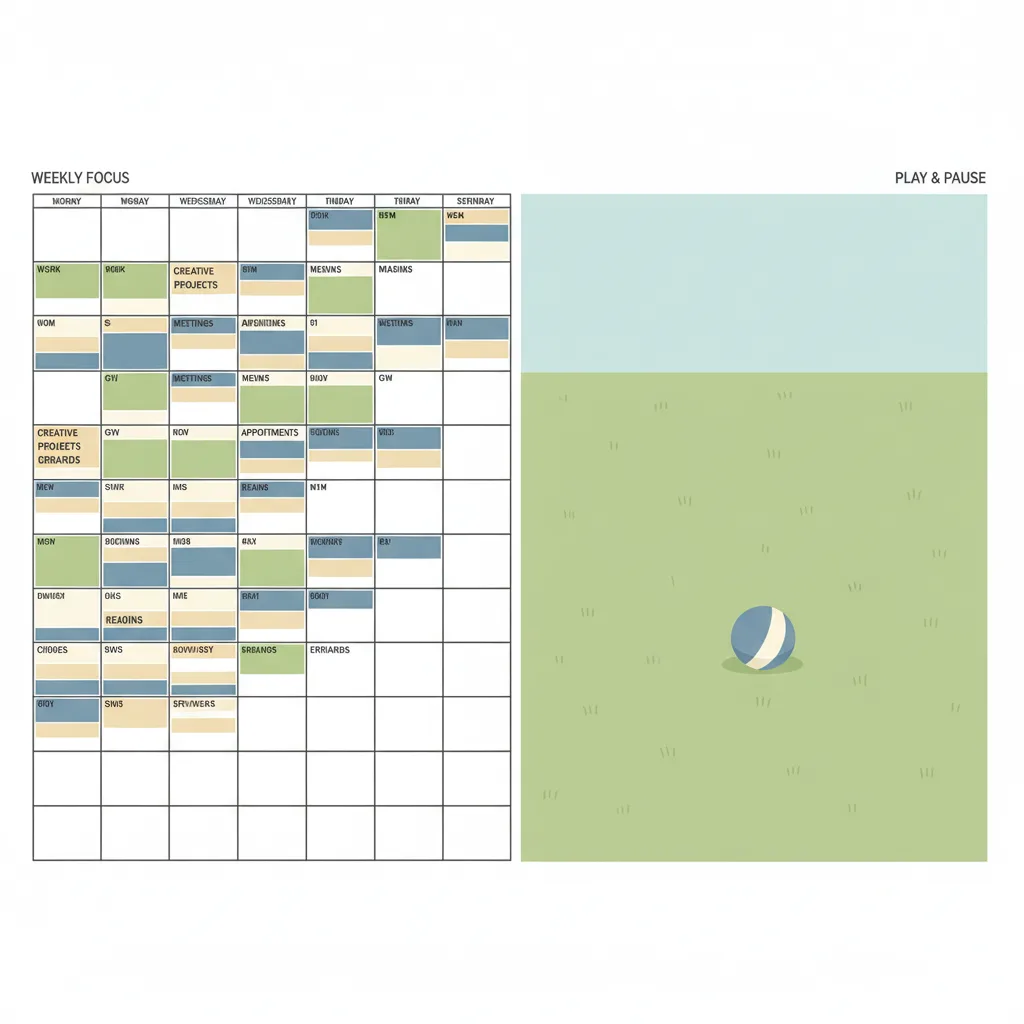
Inscribir a los niños en actividades estructuradas (deportes, música, clases) vs dejarlos jugar libremente

Si actúas

Actividades estructuradas

57%

Si no actúas

Juego libre y tiempo no estructurado

22%

Porcentaje de quienes luego se arrepienten de cada elección. Las barras y el registro completo aparecen abajo.


Familia

Última revisión 2026-04-26

Calidad de la evidencia 4.0/5

Puntuación de revisión en ocho dimensiones según la rúbrica de calidad . Cada dimensión puntuada de 1 a 5.

D1 Verificación de fuentes
5/5
D2 Autoridad e independencia de las fuentes
5/5
D3 Precisión de la tasa de arrepentimiento
2/5
D4 Comparabilidad de las fuentes
2/5
D5 Patrón de Gilovich
4/5
D6 Calidad de la prosa
5/5
D7 Completitud de las advertencias
5/5
D8 Calidad de la muestra
4/5
Media 4.0/5
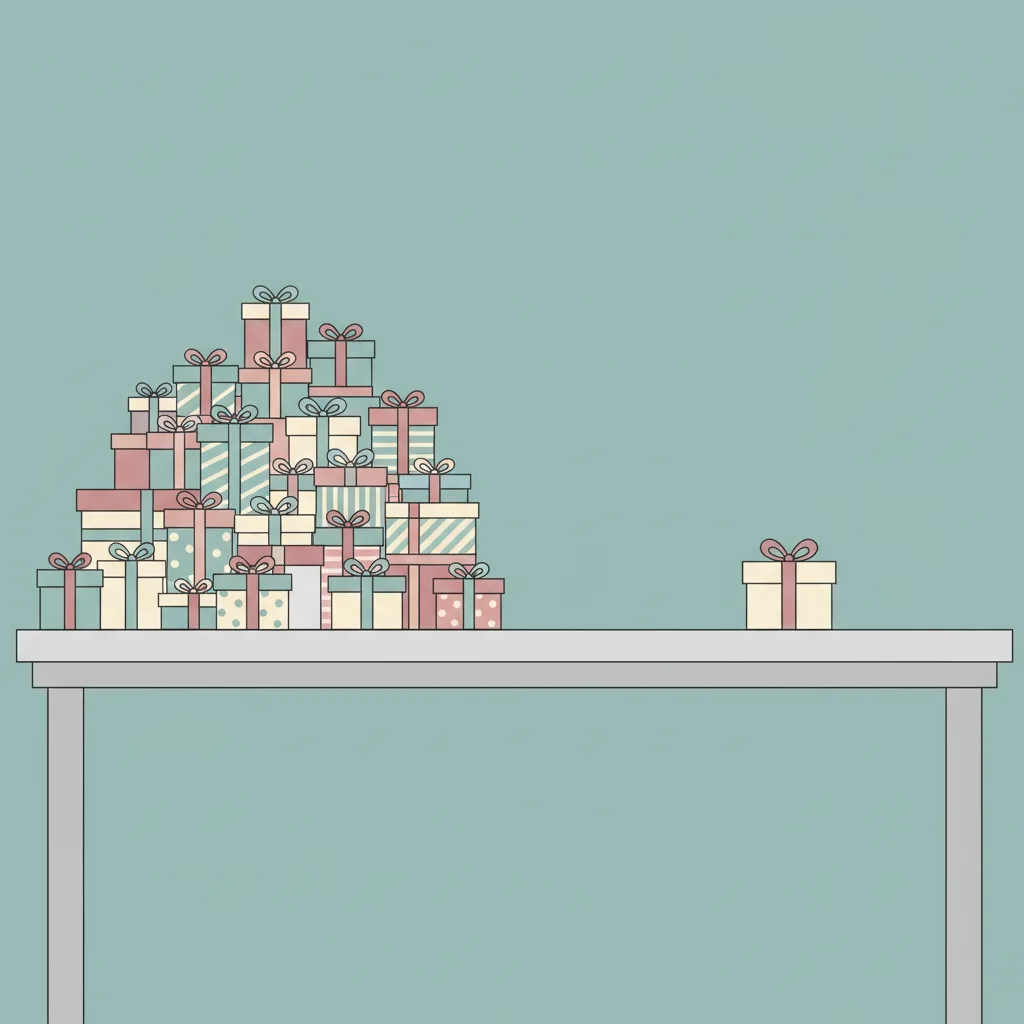
A weekly planner filled with activities next to an empty grass field with a single ball.

Arrepentimiento por acción

Actividades estructuradas

57%

El 57% de los padres reporta agotamiento por la presión de sobreprogramar actividades (proxy)

Padres estadounidenses, panel en línea nacionalmente representativo

retrospectivo, encuesta de junio–julio de 2023

Arrepentimiento por inacción

Juego libre y tiempo no estructurado

22%

~22% de los niños desea menos actividades / más tiempo libre (proxy)

Niños estadounidenses de 9–13 años y sus padres

transversal, sin marco temporal fijo

% que se arrepienten de esta elección

action dominates — Domina la acción — la mayoría se arrepiente de actuar.

Decisiones relacionadas

Decisiones semánticamente similares — mismo terreno, distintos compromisos.

family

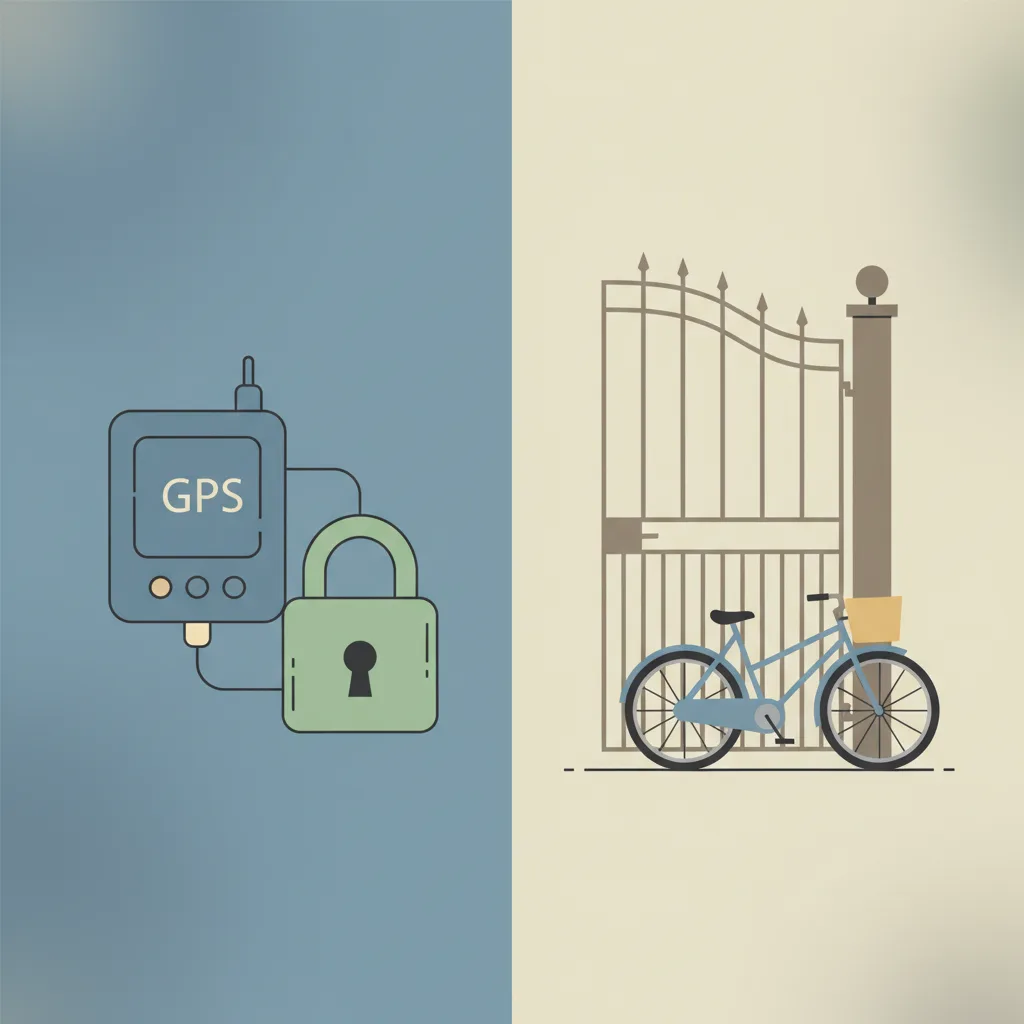
Crianza libre vs. helicóptero

% que se arrepienten de esta elección

Acción dominante

Arrepentimiento por acción 2.3× mayor

family

Dejar renunciar vs. terminar

% que se arrepienten de esta elección

Inacción dominante

Arrepentimiento por inacción 2.3× mayor

family

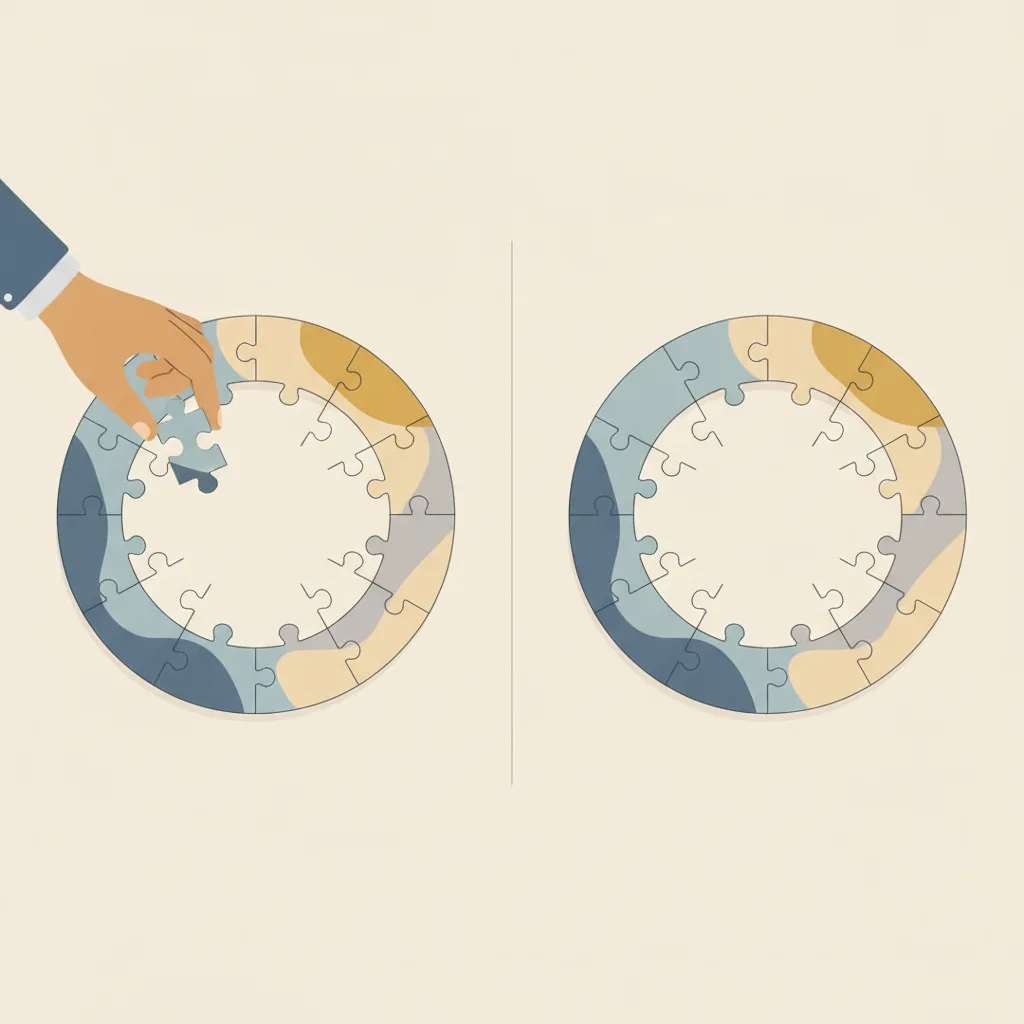
Rescatar vs. dejar aprender

% que se arrepienten de esta elección

Acción dominante

Arrepentimiento por acción 1.2× mayor

family

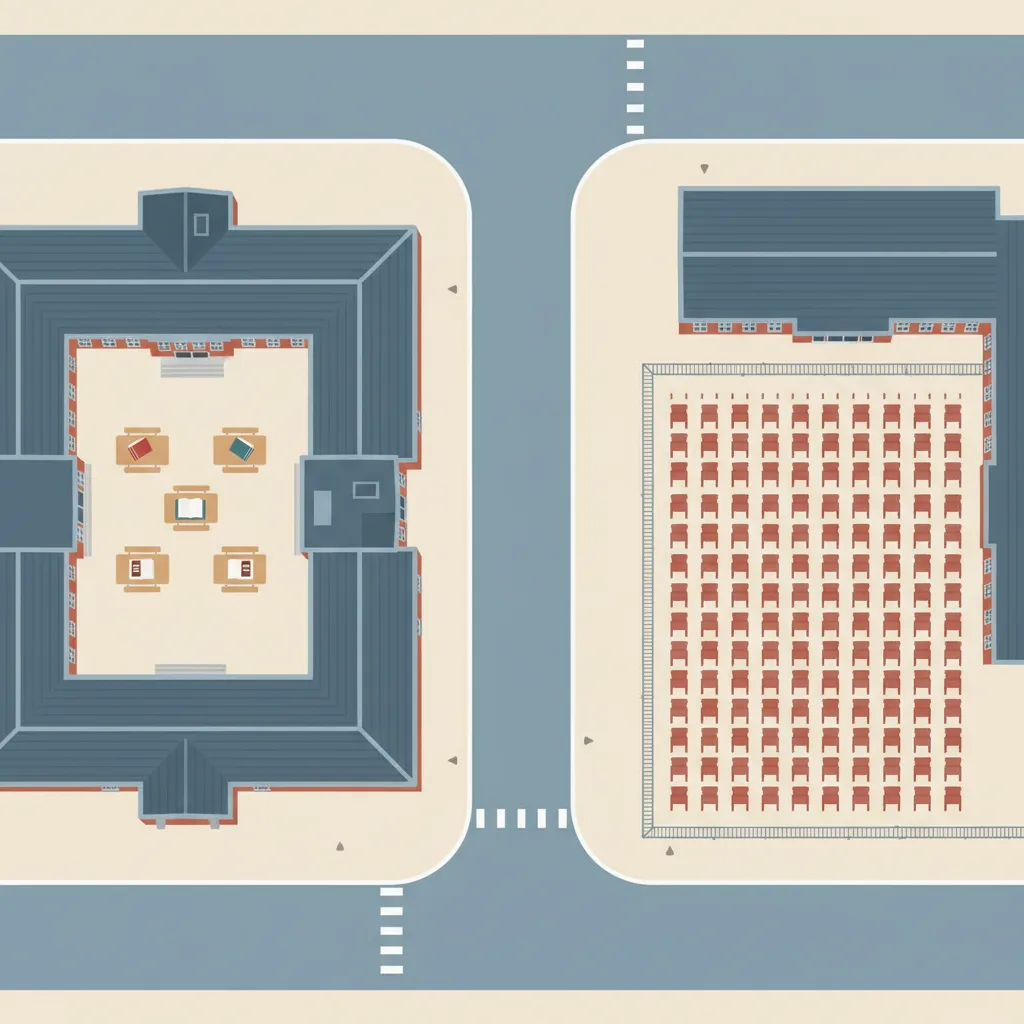
Privada vs pública

% que se arrepienten de esta elección

Inacción dominante

Arrepentimiento por inacción 3.2× mayor

family

Quedarse en casa vs trabajar

% que se arrepienten de esta elección

Acción dominante

Arrepentimiento por acción 1.3× mayor

family

Disciplina vs. permisividad

% que se arrepienten de esta elección

Inacción dominante

Arrepentimiento por inacción 2.4× mayor

family

Comidas familiares

% que se arrepienten de esta elección

Inacción dominante

Arrepentimiento por inacción 6.9× mayor

family

Mimar vs. moderar regalos

% que se arrepienten de esta elección

Acción dominante

Arrepentimiento por acción 2.9× mayor

An Ohio State study of more than 700 US parents found that 57% self-reported burnout, with the pressure to keep children enrolled in the right enrichment activities cited as a leading driver. The same study found that more free play time correlated with fewer mental health issues in children. On the academic side, Caetano, Caetano, and Nielsen (2024) showed in the Economics of Education Review that the marginal hour of structured enrichment yields zero cognitive benefit for high schoolers and actively harms non-cognitive outcomes like emotional regulation. The overscheduling treadmill appears to cost parents their wellbeing and children their resilience, with diminishing returns that turn negative well before most families notice.

The case for free play is real but narrower than its loudest advocates suggest. Gray et al. (2023) argued in The Journal of Pediatrics that decades of declining independent activity are a primary cause of rising childhood anxiety and depression — a plausible thesis, but one built on correlational evidence and no randomized trials. Meanwhile, Mahoney’s (2012) revisit of the overscheduling hypothesis found that fewer than one in ten US children are genuinely overscheduled, and that participation in organized activities up to 10-15 hours per week is almost universally associated with positive developmental outcomes. The popular image of the frazzled overscheduled child describes a real but statistically small group; most children in structured activities are benefiting from them.

The honest answer is that neither extreme maps cleanly onto regret research. No large-scale survey directly asks parents whether they regret overscheduling or under-enriching their children. The available proxies — parental burnout rates on one side, children’s own preference data on the other — are imperfect stand-ins flagged as such. The qualitative evidence (parents in Slate’s 2024 reporting who “pulled back” on packed schedules describe profound relief) supports the action-dominates direction, and Gilovich’s temporal framework would predict the same: action regrets (pushing too hard) feel more acute in the present, though inaction regrets (not enriching enough) may surface later. The safest reading is that moderate structured activity with ample unstructured time is the low-regret path, and that the real risk lies at both tails.

Fuentes: acción

Registro de evidencia

Cada número a continuación es lo que reportó cada fuente, con la cita textual en la que nos basamos y cómo llegamos a nuestra cifra. Haz clic en cualquier enlace para verificarlo directamente.

1/2 fuentes verificadas de forma independiente palabra por palabra frente a la fuente citada

  1. [1] Ohio State University College of Nursing — Study: Pressure to be 'perfect' causing burnout for parents, mental health concerns for their children Verificado
    Study: Pressure to be 'perfect' causing burnout for parents, mental health concerns for their children
    Estadística
    57% of parents self-reported burnout; pressure to provide enrichment activities was a leading contributor; more free play time correlated with fewer child mental health issues
    Extracto
    “"Fifty-seven percent of parents self-reported burnout. The pressure to be a 'perfect parent' — ensuring children are enrolled in the right activities, maintaining packed schedules — was identified as a leading contributor to parental stress and burnout. The more free play time that parents spend with their children and the lighter the load of structured extracurricular activities, the fewer mental health issues children experience." ”
    Datos de la fuente de
    2024-05-08
    Accedido
    2026-04-26
    Verificación
    Extracto recuperado de forma independiente y confirmado palabra por palabra frente a la fuente citada durante nuestra auditoría de fundamentación.
    Cálculo
    Ohio State survey of 730+ US parents (June–July 2023). The 57% burnout rate captures parents who self-identified as burned out, with overscheduling of enrichment activities cited as a primary driver. The study also found that lighter activity loads correlated with better child mental health outcomes. We use 57% as the action-regret proxy because burnout from structured-activity pressure is the dominant parental complaint on the action side. This is a burnout rate, not a regret rate — flagged as "(proxy)".
  2. [2] Economics of Education Review (Caetano, Caetano & Nielsen 2024) — Are children spending too much time on enrichment activities?
    Are children spending too much time on enrichment activities?
    Estadística
    The marginal hour of enrichment activities has zero cognitive benefit and negative non-cognitive effects for high schoolers
    Extracto
    “"We found that the effect of those additional activities on cognitive skills, that last hour, is basically zero. More surprising is that the last hour doing these activities is contributing negatively to the child's non-cognitive skills, making students more anxious, depressed or angry." ”
    Datos de la fuente de
    2024-02-01
    Accedido
    2026-04-26
    Cálculo
    Caetano, Caetano & Nielsen (2024) used time-use data to estimate marginal returns of enrichment hours. Finding that the marginal hour harms non-cognitive outcomes supports the action-regret framing: parents who push one more activity are buying zero academic gain and measurable psychosocial cost.

Fuentes: inacción

Registro de evidencia

Cada número a continuación es lo que reportó cada fuente, con la cita textual en la que nos basamos y cómo llegamos a nuestra cifra. Haz clic en cualquier enlace para verificarlo directamente.

  1. [1] Journal of Research on Adolescence (Mahoney 2012) — The Over-Scheduling Hypothesis Revisited: Intensity of Organized Activity Participation During Adolescence and Young Adult Outcomes
    The Over-Scheduling Hypothesis Revisited: Intensity of Organized Activity Participation During Adolescence and Young Adult Outcomes
    Estadística
    Less than 1 in 10 children could be described as overscheduled; participation up to 10–15 hours/week was almost always associated with positive outcomes
    Extracto
    “"Contrary to popular belief, recent research rejects the notion that most or even many children and youth are over-scheduled and are suffering as a result. In fact, less than one in ten could be described as over-scheduled. Participation up to ten hours per week was almost always positive." ”
    Datos de la fuente de
    2012-09-01
    Accedido
    2026-04-26
    Cálculo
    Mahoney (2012) revisited the overscheduling hypothesis using nationally representative US data. The finding that <10% of children are genuinely overscheduled implies that most families choosing free play over structured activities are not rescuing an overscheduled child. However, survey data from KidsHealth (cited in multiple parenting sources) found that 78% of children ages 9-13 wished for more free time. We invert conservatively: ~22% of children do NOT wish for more free time, implying they are content with or want more structure. This 22% is used as the inaction-regret proxy — the share of families where children might benefit from more organized activities.
  2. [2] The Journal of Pediatrics (Gray et al. 2023) — Decline in Independent Activity as a Cause of Decline in Children's Mental Well-being: Summary of the Evidence
    Decline in Independent Activity as a Cause of Decline in Children's Mental Well-being: Summary of the Evidence

    See all 2 Likelier entries citing this source →

    Estadística
    Decades-long decline in children's independent activity is proposed as a primary cause of rising anxiety and depression
    Extracto
    “"A primary cause of the rise in mental disorders is a decline over decades in opportunities for children and teens to play, roam, and engage in other activities independent of direct oversight and control by adults." ”
    Datos de la fuente de
    2023-02-01
    Accedido
    2026-04-26
    Cálculo
    Gray et al. (2023) review in The Journal of Pediatrics. This paper supports the inaction side's legitimacy — free play has real mental-health value — but does not provide a regret rate. It contextualizes why some parents might regret choosing only structured activities at the expense of unstructured time.

Advertencias

Ninguna de las dos cifras es una medida directa de arrepentimiento — ambas se señalan como «(proxy)» en regret_display. El 57% del lado acción es una tasa de agotamiento parental (Ohio State 2024), no una tasa de arrepentimiento sobre los resultados del niño; captura la experiencia del padre con la rueda de programación, no si cree que las actividades dañaron al niño. El ~22% del lado inacción se deriva de las propias preferencias de los niños (los que no desean más tiempo libre), usado como proxy aproximado para familias que podrían beneficiarse de más estructura. Ninguna encuesta a gran escala pregunta directamente a los padres «¿se arrepiente de haber sobreprogramado a su hijo?» o «¿se arrepiente de no haber inscrito a su hijo en más actividades?» El hallazgo de Caetano et al. (2024) sobre el beneficio cognitivo marginal nulo se aplica específicamente a estudiantes de secundaria y puede no generalizarse a niños más pequeños. Gray et al. (2023) defienden el valor del juego libre pero se basan en evidencia correlacional; ningún ECA ha comparado infancias cargadas de actividades estructuradas vs cargadas de juego libre. El patrón action-dominates es consistente con la literatura cualitativa (Slate 2024 reporta que los padres que «se echaron atrás» en actividades describen alivio), pero la magnitud precisa del delta depende del proxy que se acepte para el lado inacción.

Datos brutos: /api/decisions.json

Vistos recientemente en este dispositivo