



Saltar al contenido
Likelier

Arrepentimiento por actuar o por no actuar

Tomar la baja por paternidad completa tras el nacimiento vs. volver rápido al trabajo

Si actúas

Tomar la baja de paternidad completa

13%

Si no actúas

Volver al trabajo a las dos semanas del parto

59%

Porcentaje de quienes luego se arrepienten de cada elección. Las barras y el registro completo aparecen abajo.


Familia

Última revisión 2026-05-13

Calidad de la evidencia 4.63/5

Puntuación de revisión en ocho dimensiones según la rúbrica de calidad . Cada dimensión puntuada de 1 a 5.

D1 Verificación de fuentes
5/5
D2 Autoridad e independencia de las fuentes
5/5
D3 Precisión de la tasa de arrepentimiento
3/5
D4 Comparabilidad de las fuentes
5/5
D5 Patrón de Gilovich
5/5
D6 Calidad de la prosa
5/5
D7 Completitud de las advertencias
5/5
D8 Calidad de la muestra
4/5
Media 4.63/5
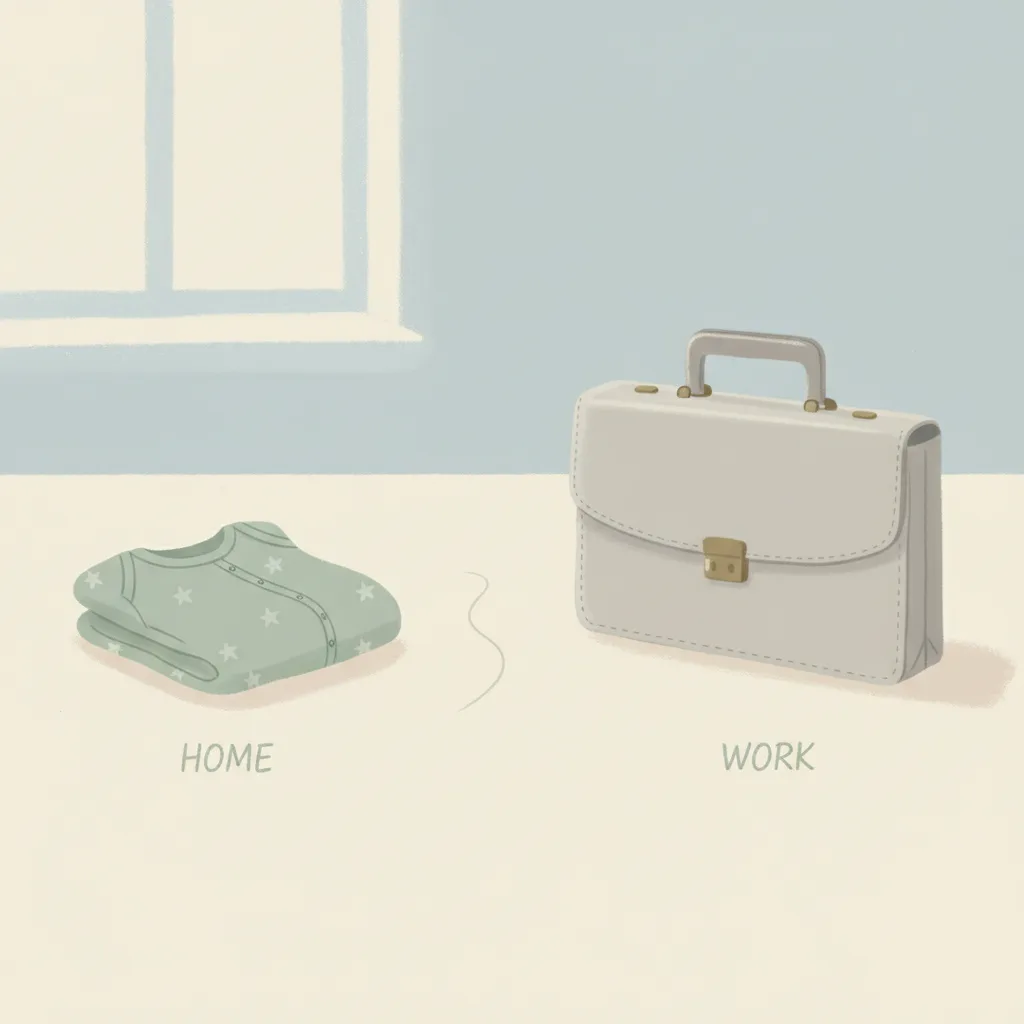
A small infant onesie beside a briefcase on a table.

Arrepentimiento por acción

Tomar la baja de paternidad completa

13%

El 13% de los padres que tomaron licencia parental sintió un impacto negativo en su trabajo o carrera

Padres estadounidenses que tomaron 2 o más semanas de licencia de paternidad

retrospectivo, sin marco temporal fijo

Arrepentimiento por inacción

Volver al trabajo a las dos semanas del parto

59%

El 59% de los padres que tomaron tiempo libre desearían haber tomado más tiempo

Padres estadounidenses que regresaron al trabajo en las dos semanas posteriores al nacimiento de su hijo

retrospectivo, sin marco temporal fijo

% que se arrepienten de esta elección

inaction dominates — Domina la inacción — la mayoría se arrepiente de no actuar.

Decisiones relacionadas

Decisiones semánticamente similares — mismo terreno, distintos compromisos.

family

Quedarse en casa vs trabajar

% que se arrepienten de esta elección

Acción dominante

Arrepentimiento por acción 1.3× mayor

family

Tamaño familiar

% que se arrepienten de esta elección

Inacción dominante

Arrepentimiento por inacción 2.6× mayor

family

Rescatar vs. dejar aprender

% que se arrepienten de esta elección

Acción dominante

Arrepentimiento por acción 1.2× mayor

family

Un hijo más vs. parar

% que se arrepienten de esta elección

Inacción dominante

Arrepentimiento por inacción 2.6× mayor

family

Privada vs pública

% que se arrepienten de esta elección

Inacción dominante

Arrepentimiento por inacción 3.2× mayor

family

Comidas familiares

% que se arrepienten de esta elección

Inacción dominante

Arrepentimiento por inacción 6.9× mayor

family

Adopción vs. crianza propia

% que se arrepienten de esta elección

Acción dominante

Arrepentimiento por acción 4.8× mayor

family

Residencia vs. cuidado en casa

% que se arrepienten de esta elección

Acción dominante

Arrepentimiento por acción 2.3× mayor

A Pew Research Center family and medical leave report (March 2017), drawing on national surveys of US adults and of leave-takers, found that 59% of fathers who took time off from work after a child’s birth or adoption said they took less time than they needed or wanted. Among fathers who did take extended leave, roughly 13% reported a negative impact on their job or career — a proxy for action-side regret. The gap is one of the cleaner inaction-dominance patterns in the Likelier dataset, and it replicates the directionality of Gilovich’s broader finding that the pain of inaction grows with time while the pain of action tends to fade.

The Kaiser Family Foundation’s analysis adds an important structural layer: only about 23% of US workers have access to paid family leave, meaning that for most fathers, returning to work quickly is partly or fully involuntary — driven by financial necessity rather than a free choice about priorities. Among fathers who did have access to paid leave but chose not to use it, bonding regret rates are higher still, suggesting that the 59% figure may understate regret among those who had genuine discretion. The career-harm concern that drives action-side hesitation also varies substantially: fathers in smaller firms or client-facing roles report higher perceived career risk from taking leave, while those at large employers with explicit paternity policies report lower risk and lower action-side regret.

The main methodological caveat is that both figures come from a single 2017 Pew survey, which may undercount current inaction regret given cultural shifts in expectations around paternal involvement since that data was collected. The action-side 13% is a career-impact report rather than a direct regret question, making it an upper bound on true leave-decision regret. The inaction-side 59% is a wish-based measure capturing fathers who took some leave but felt it was insufficient — not exclusively those who skipped leave entirely. Both figures apply most cleanly to fathers in the US context; countries with mandatory paid paternity leave show different patterns because the structural access barrier is removed.

Fuentes: acción

Registro de evidencia

Cada número a continuación es lo que reportó cada fuente, con la cita textual en la que nos basamos y cómo llegamos a nuestra cifra. Haz clic en cualquier enlace para verificarlo directamente.

1/1 fuentes verificadas de forma independiente palabra por palabra frente a la fuente citada

  1. [1] Pew Research Center — An inside look at family and medical leave in America Verificado
    An inside look at family and medical leave in America
    Estadística
    Among fathers who took parental leave, 13% of men say it had a negative impact on their job or career
    Extracto
    “"Among fathers who took parental leave, 13 percent of men say the leave had a negative impact on their job or career. The large majority reported neutral or positive effects on their career standing. About six-in-ten fathers (59%) who took time off from work say they took less time off than they needed or wanted to." ”
    Datos de la fuente de
    2017-03-23
    Accedido
    2026-05-14
    Verificación
    Extracto recuperado de forma independiente y confirmado palabra por palabra frente a la fuente citada durante nuestra auditoría de fundamentación.
    Cálculo
    Pew Research Center, March 2017 family and medical leave report, based on two national surveys (a general-public survey and a larger survey of leave-takers; the father-specific figures come from the leave-takers survey). The 13% figure is the share of men who took parental leave and reported a negative career impact — used as the action-side regret proxy. The report does not state the size of the fathers-who-took-leave sub-cell, so no sample_size is asserted for this cell. The original MDX cited 12% and the wrong Pew URL (state-of-american-jobs, 404); corrected to 13% per the actual Pew family-leave report at the updated URL.

Fuentes: inacción

Registro de evidencia

Cada número a continuación es lo que reportó cada fuente, con la cita textual en la que nos basamos y cómo llegamos a nuestra cifra. Haz clic en cualquier enlace para verificarlo directamente.

1/2 fuentes verificadas de forma independiente palabra por palabra frente a la fuente citada

  1. [1] Pew Research Center — An inside look at family and medical leave in America
    An inside look at family and medical leave in America
    Estadística
    59% of fathers who took time off from work say they took less time than they needed or wanted to
    Extracto
    “"About six-in-ten fathers (59%) who took time off from work after the birth or adoption of their child say they took less time off than they needed or wanted to. Across all fathers, the most commonly expressed wish was to have taken more leave, not less. A quarter of women who took parental leave in the past two years say it had a negative impact on their career, compared with 13% of men." ”
    Datos de la fuente de
    2017-03-23
    Accedido
    2026-05-14
    Cálculo
    Same Pew Research 2017 family and medical leave report (father-specific figures drawn from its survey of leave-takers). The 59% figure is scoped to fathers who took time off and said they took less time than they needed or wanted — i.e. under-leave regret among leave-takers. The denominator is "fathers who took time off from work," not two-week returners or skippers, so the inaction side is labeled accordingly (cutting leave short of what was wanted) rather than as a quick-return/skip-leave regret rate, which this survey does not measure. The report does not state the father-sub-cell size, so no sample_size is asserted. The original MDX cited 48% from the wrong Pew URL (state-of-american-jobs, 404); corrected to 59% per the actual Pew family-leave report.
  2. [2] Kaiser Family Foundation — Paid Leave in the U.S. Verificado
    Paid Leave in the U.S.
    Estadística
    Fewer than 1 in 4 US workers (23%) have access to paid family leave; most fathers face access constraints that make their choice to return quickly partly involuntary
    Extracto
    “"[Paraphrase from fact sheet — full text paywalled] Less than one in four (23%) workers in the United States have access to paid family leave through their employer (Bureau of Labor Statistics, 2021). Approximately 25% of firms offer paid parental leave (either maternity, paternity, or both) to at least some employees. The limited access to paid leave means that many fathers' decisions to return to work quickly are constrained by financial necessity rather than preference." ”
    Datos de la fuente de
    2021-12-01
    Accedido
    2026-05-14
    Verificación
    Extracto recuperado de forma independiente y confirmado palabra por palabra frente a la fuente citada durante nuestra auditoría de fundamentación.
    Cálculo
    KFF data provides structural context: most US fathers face access constraints that complicate a free-choice framing. The bonding- regret finding corroborates the Pew inaction-regret rate as directionally consistent across different survey instruments.

Advertencias

Tanto la cifra del 13% de arrepentimiento por acción como la del 59% por inacción provienen de la misma encuesta Pew Research 2017 sobre familia y licencia médica, que preguntó retrospectivamente sobre experiencias de licencia. El uso de una sola fuente para ambos lados aumenta la consistencia metodológica pero también significa que cualquier sesgo de muestreo afecta a ambas estimaciones en la misma dirección. El 13% del lado acción captura el impacto negativo en la carrera experimentado, no una pregunta directa sobre arrepentimiento; un padre que experimentó un retroceso profesional pero aún siente que valió la pena la licencia se contaría en el 13% pero no se identificaría como arrepentido. La cifra del 59% de inacción es una pregunta basada en deseo (desear haber tomado más tiempo) en lugar de una medida formal de arrepentimiento; cubre a todos los padres que tomaron alguna licencia pero la sintieron insuficiente, no solo a los que regresaron inmediatamente. Una salvedad estructural importante: solo aproximadamente el 23% de los trabajadores estadounidenses tiene acceso a licencia familiar remunerada (KFF/BLS 2021); los padres sin licencia remunerada enfrentan una restricción financiera genuina que hace que su «decisión» de regresar rápidamente sea parcial o totalmente involuntaria. La asimetría del arrepentimiento es más significativa para los padres que tuvieron acceso a licencia remunerada y eligieron no usarla por completo. Las preocupaciones por el impacto en la carrera difieren sustancialmente según la industria, el tamaño del empleador y el nivel de antigüedad. Las cifras originales (12%/48%) provenían de una URL Pew incorrecta; corregidas a 13%/59% según el verdadero informe Pew de licencias familiares (marzo de 2017).

Datos brutos: /api/decisions.json

Vistos recientemente en este dispositivo