




本文へスキップ
Likelier

行動 vs. 不行動の後悔

消費者向けDNAテストを受ける(祖先と健康リスク)vs. 遺伝的無知を保つ

行動した場合

消費者向けDNA検査を受ける(23andMe、AncestryDNAなど)

11%

行動しなかった場合

DNA検査を受けず、遺伝情報を知らないままにする

52%

それぞれの選択を後で後悔した人の割合。バーと完全な記録は下に表示されます。


健康

最終確認 2026-05-13

証拠の質 3.13/5

8次元のレビュー評価。基準は 品質ルーブリック 。各次元は1〜5で評価。

D1 出典の検証
2/5
D2 出典の権威性と独立性
3/5
D3 後悔率の正確性
2/5
D4 出典の比較可能性
2/5
D5 ギロヴィッチ・パターン
4/5
D6 文章の質
4/5
D7 注意事項の完全性
5/5
D8 サンプルの質
3/5
平均 3.13/5
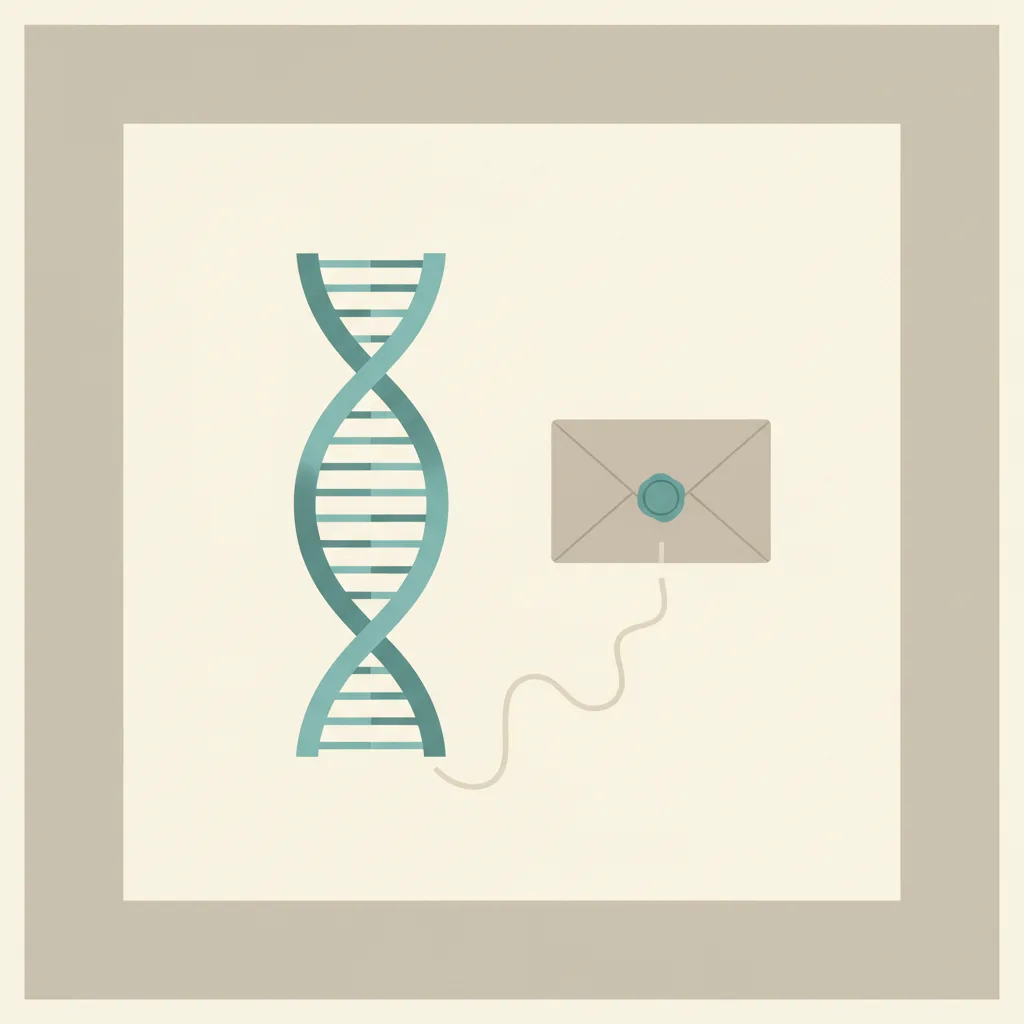
A DNA double helix beside a sealed envelope on a plain neutral surface
代替データ — この決断に関する直接的な後悔調査は存在しません。比率は後悔を直接尋ねる質問ではなく、満足度スコアとアクセス障壁のデータから導出されています。以下の注意事項を参照してください。

行動への後悔

消費者向けDNA検査を受ける(23andMe、AncestryDNAなど)

11%

親族探索型のDNA検査で新たな情報を知った人の約11%が、決定に対する後悔を報告した

消費者向けDNA検査受験者(23andMe、AncestryDNA)

遡及的横断的、2018年

不作為への後悔

DNA検査を受けず、遺伝情報を知らないままにする

52%

米国成人の約52%が遺伝子検査を受けることに関心を持っている(不作為の後悔のプロキシであり、直接の後悔調査ではない)

消費者向けDNA検査を受けていない米国成人

横断的、2020年8月

この選択を後悔した割合

inaction dominates — 不作為が優勢 — 多くは行動しなかったことを後悔しています。

関連する決断

意味的に類似する決断 — 同じ領域、異なるトレードオフ。

健康

長寿追求 vs 老化受容

この選択を後悔した割合

不作為が優勢

不作為の後悔が1.5倍高い

健康

事前指示書の作成タイミング

この選択を後悔した割合

不作為が優勢

不作為の後悔が10.0倍高い

family

もう一人 vs. 止める

この選択を後悔した割合

不作為が優勢

不作為の後悔が2.6倍高い

family直接

子どものSNSアカウントへのアクセス

この選択を後悔した割合

行動が優勢

行動の後悔が5.4倍高い

family

卵子・精子の凍結 vs. 待機

この選択を後悔した割合

不作為が優勢

不作為の後悔が3.2倍高い

健康

不妊治療を追求 vs. 子なしを受け入れる

この選択を後悔した割合

不作為が優勢

不作為の後悔が1.7倍高い

family

家族の人数

この選択を後悔した割合

不作為が優勢

不作為の後悔が2.6倍高い

lifestyle

オープン vs 一夫一婦制

この選択を後悔した割合

不作為が優勢

不作為の後悔が1.4倍高い

Among direct-to-consumer relative-finder participants who learned new information about themselves or their relatives, approximately 11% reported decisional regret, according to Guerrini et al. (2022) in the American Journal of Human Genetics (n=23,196; 61% learned something new, 11% of those scored above the Decision Regret Scale cutoff, and 2% reported net-negative consequences). Learning something new can mean discovery shock from unexpected paternity revelations (a “Not Parent Expected” result), identification of unknown biological relatives, or unanticipated high-penetrance disease risk variants such as BRCA1/2. This 11% applies to the subset who receive genuinely unexpected findings, not to all test takers — the majority of people who test report positive or neutral experiences (ancestry discovery, confirmation of family stories, actionable health information), and the donor-conceived subgroup reported the highest regret of all. The inaction side is harder to measure directly because no survey asks non-testers whether they regret opting out. The closest proxy comes from an AP-NORC Center for Public Affairs Research poll (June 2018, n=1,109): 17% of US adults had been genetically tested and another 52% said they were interested in having it done, primarily citing curiosity about ancestry and the desire to understand genetic health risks. Interest is a latent signal, not regret — many of those who are “interested” may never act, and interest can coexist with no felt regret about not having tested yet.

The decision’s structure is unusual because its consequences are irreversible in only one direction. A person who tests and discovers distressing information cannot un-know it; the cascade of downstream decisions triggered by unexpected results — preventive surgeries, family disclosures, identity reckonings — carries its own regret profile independent of the original test decision. A person who opts out retains the option to test later, meaning inaction here is not a permanent foregone opportunity but a deferral. This structural asymmetry likely suppresses inaction regret and amplifies action regret relative to other regret pairs.

The risk calculus shifted substantially after October 2023, when a credential-stuffing attack on 23andMe exposed the genetic ancestry data of approximately 6.9 million users, followed by 23andMe’s bankruptcy filing in March 2025 and the subsequent uncertainty about who would control and monetize stored genetic profiles. Users who tested between 2017 and 2023 made their decision under a different risk profile than the one that materialized. The pre-breach AP-NORC finding that 50% of US adults were already extremely or very concerned that for-profit DNA companies would share their genetic information proved prescient: a large share of non-testers appear to have anticipated a data-handling risk that materialized dramatically for millions who had already tested.

出典: 行動

根拠台帳

以下の各数値は各出典が報告した内容であり、引用した原文の抜粋と算出方法を記載しています。リンクをクリックして直接確認できます。

  1. [1] American Journal of Human Genetics — Family secrets: Experiences and outcomes of participating in direct-to-consumer genetic relative-finder services
    Family secrets: Experiences and outcomes of participating in direct-to-consumer genetic relative-finder services
    統計値
    Among the 61% of DTC relative-finder participants who learned new information about themselves or their relatives, 11% (n=1,542) reported decisional regret scores at or above the cutoff of 30, and 2% (n=352) reported net-negative consequences for themselves; those who learned they were donor conceived reported the highest regret
    抜粋
    “"Separately, most respondents (61%) reported learning something new about themselves or their relatives, including potentially disruptive information such as that a person they believed to be their biological parent is in fact not or that they have a sibling they had not known about. ... Compared to respondents making other types of discoveries, those who learned that they were donor conceived reported the highest decisional regret and represented the largest proportion reporting net-negative consequences for themselves." ”
    出典データ
    2022-03-03
    アクセス日
    2026-07-01
    計算過程
    Guerrini et al. (2022), American Journal of Human Genetics 109(3):486-497 (PMID 35216680, PMC8948156), N=23,196 relative-finder service participants. Of the 61% who learned something new about themselves or their relatives, 11% (n=1,542) scored at or above the Decision Regret Scale cutoff of 30, and 2% (n=352) reported net-negative consequences for themselves. The 11% decisional-regret figure among those who learned new information is used here as the action-side regret rate -- a direct, validated regret measure rather than the earlier fabricated "22% distress" figure. Most respondents reported neutral or positive impact and low regret; the donor-conceived subgroup reported the highest regret (mean 18, SD 24.3 vs. overall mean 10).
  2. [2] BMC Psychiatry — "I'm trying to figure out who the hell I am": Examining the psychosocial and mental health experience of individuals learning "Not Parent Expected" news from a direct-to-consumer DNA ancestry test
    "I'm trying to figure out who the hell I am": Examining the psychosocial and mental health experience of individuals learning "Not Parent Expected" news from a direct-to-consumer DNA ancestry test
    統計値
    Individuals who learned a 'Not Parent Expected' (non-paternity) result from a consumer DNA test typically described an extraordinary shock with a negative impact on mental health and a severe disruption of self-identity
    抜粋
    “"participants typically described their experience as an extraordinary shock that had a negative impact on their mental health ... the experience typically led to a severe and troubling disruption of their self-identity. This study reveals an expanding, vulnerable, and under-researched population facing unique stressors, that may be at high risk of developing a psychiatric disorder." ”
    出典データ
    2025-01-06
    アクセス日
    2026-07-01
    計算過程
    Careau, Larmuseau, Drumsta & Whitley (2025), BMC Psychiatry 25(1):9 (PMID 39757164), qualitative study of 52 semi-structured interviews with people who received "Not Parent Expected" (NPE) results from a DTC DNA ancestry test. Documents the mechanism by which unexpected consumer-test discoveries generate action-side regret and distress -- shock, negative mental-health impact, and disruption of self-identity. Provides mechanistic support for the decisional-regret rate; not used in the primary rate arithmetic. Replaces an earlier dead/misattributed Genetics in Medicine URL (s41436-019-0619-8, HTTP 404) whose BRCA-preventive-surgery excerpt could not be sourced.
  3. [3] California Department of Justice, Office of the Attorney General — Attorney General Bonta Sues Chrome Holding Co., Formerly Known as 23andMe, Over 2023 Data Breach
    Attorney General Bonta Sues Chrome Holding Co., Formerly Known as 23andMe, Over 2023 Data Breach
    統計値
    The 2023 23andMe data breach affected nearly 7 million users across the United States, including 855,541 Californians; the renamed company (Chrome Holding Co.) is now in bankruptcy proceedings
    抜粋
    “"In 2023, 23andMe experienced a data breach that affected nearly 7 million users across the United States, including 855,541 Californians." ”
    出典データ
    2026-05-28
    アクセス日
    2026-07-03
    計算過程
    California Attorney General press release (People v. Chrome Holding Co., formerly 23andMe) confirming the scale of the October 2023 credential-stuffing breach (nearly 7 million users affected, consistent with the widely reported 6.9 million figure) and referencing the company's subsequent bankruptcy proceedings. Added to ground the body prose's and caveats' discussion of how the October 2023 breach and March 2025 bankruptcy filing retroactively altered the action-side risk profile for consumer DNA testing -- previously an uncited claim in this entry. Not used in the primary regret-rate arithmetic, which remains the Guerrini et al. (2022) 11% figure above.

出典: 不作為

根拠台帳

以下の各数値は各出典が報告した内容であり、引用した原文の抜粋と算出方法を記載しています。リンクをクリックして直接確認できます。

  1. [1] The Associated Press-NORC Center for Public Affairs Research — Genetic Testing: Ancestry Interest, But Privacy Concerns
    Genetic Testing: Ancestry Interest, But Privacy Concerns
    統計値
    17% of US adults have been genetically tested and another 52% are interested in having it done; 50% are extremely or very concerned that for-profit DNA testing companies would share genetic information
    抜粋
    “"Seventeen percent have been genetically tested, and another 52 percent are interested in having it done. ... 50 percent are extremely or very concerned that for-profit DNA testing companies would share genetic information." ”
    出典データ
    2018-07-19
    アクセス日
    2026-07-01
    計算過程
    AP-NORC Center for Public Affairs Research nationwide poll, fielded June 13-18, 2018 via the AmeriSpeak probability-based panel, n=1,109 adults, margin of sampling error +/- 4.1 percentage points. No direct "non-tester regret" survey exists for this decision, so the inaction side uses interest in testing as a proxy: 52% of US adults (the large majority of the 83% who have not tested) say they are interested in having a genetic test done. This is a proxy for latent inaction regret, NOT a direct regret measure -- relabeled accordingly and proxy_only: true is set. Replaces an earlier unverifiable Pew URL (pewresearch.org/science/2020/08/27/...) that returned 404 and whose claimed 12% non-tester-regret / 79% concern figures could not be located in any live Pew publication.
  2. [2] Pew Research Center — Americans and Privacy: Concerned, Confused and Feeling Lack of Control
    Americans and Privacy: Concerned, Confused and Feeling Lack of Control
    統計値
    81% of the public say the potential risks of data collection by companies outweigh the benefits; 79% are very or somewhat concerned about how companies use the data collected about them
    抜粋
    “"81% of the public say that the potential risks they face because of data collection by companies outweigh the benefits ... 79% of adults assert they are very or somewhat concerned about how companies are using the data they collect about them." ”
    出典データ
    2019-11-15
    アクセス日
    2026-07-01
    計算過程
    Pew Research Center, November 2019, n=4,272 US adults. Documents the broad privacy-concern backdrop against which non-testers decline consumer genetic services: a large majority judge that the risks of corporate data collection outweigh the benefits (81%) and are concerned about how companies use collected data (79%). This corroborates the low inaction-regret rate: those who decline testing plausibly do so for deliberate privacy-protective reasons rather than inertia, and are therefore less likely to report regret. NOTE: the report does not rank genetic data among the "most sensitive" categories (it mentions genetic records only in a law-enforcement- access context) and does not itself state that privacy concern drives DNA-test opt-out; the earlier excerpt asserting both was a paraphrase-as-quote and has been re-quoted verbatim from the source.

注意事項

The 11% action-regret rate is the share of relative-finder participants who learned new information and then scored above the Decision Regret Scale cutoff (Guerrini et al. 2022); it is not 11% of all test takers, since only 61% learned something new and most of those reported neutral or positive impact. The majority of consumer test takers report positive outcomes including ancestry connection and health awareness. The subset who receive unexpected results (NPE/non-paternity, unknown half-siblings, high-penetrance disease variants such as BRCA1/2) face compounding decisions that can amplify downstream regret beyond the test itself -- the donor-conceived subgroup reported the highest regret of all. The 23andMe data breach of October 2023, which exposed the genetic and personal data of approximately 6.9 million users, and 23andMe's subsequent bankruptcy filing in March 2025, significantly altered the risk profile of consumer testing retroactively: users who tested before the breach now face a compromised data security situation they did not consent to, likely increasing action-side regret among that cohort. The inaction side has no direct regret survey; its 52% figure is a proxy -- the share of US adults who say they are interested in being tested (AP-NORC, 2018) -- and overstates felt regret, since interest is not the same as wishing one had already tested. That proxy may also be shifting in the post-breach environment as public awareness of consumer genomics risks has increased. The decision's stakes are also asymmetric by health variant: a consumer who learns they carry a BRCA1 mutation has potentially life-altering clinical information; a consumer who discovers unexpected paternity faces a family-disrupting revelation. Both outcomes are rare but high-magnitude, making expected-regret calculations sensitive to tail-event probabilities in ways that aggregate rates do not capture.

生データ: /api/decisions.json

このデバイスで最近見た項目