



本文へスキップ
Likelier

行動 vs. 不行動の後悔

子どもの誕生後に育児休業を全部取る vs. 早く職場に戻る

行動した場合

育児休業をフルに取る

13%

行動しなかった場合

出産から2週間以内に仕事へ戻る

59%

それぞれの選択を後で後悔した人の割合。バーと完全な記録は下に表示されます。


家族

最終確認 2026-05-13

証拠の質 4.63/5

8次元のレビュー評価。基準は 品質ルーブリック 。各次元は1〜5で評価。

D1 出典の検証
5/5
D2 出典の権威性と独立性
5/5
D3 後悔率の正確性
3/5
D4 出典の比較可能性
5/5
D5 ギロヴィッチ・パターン
5/5
D6 文章の質
5/5
D7 注意事項の完全性
5/5
D8 サンプルの質
4/5
平均 4.63/5
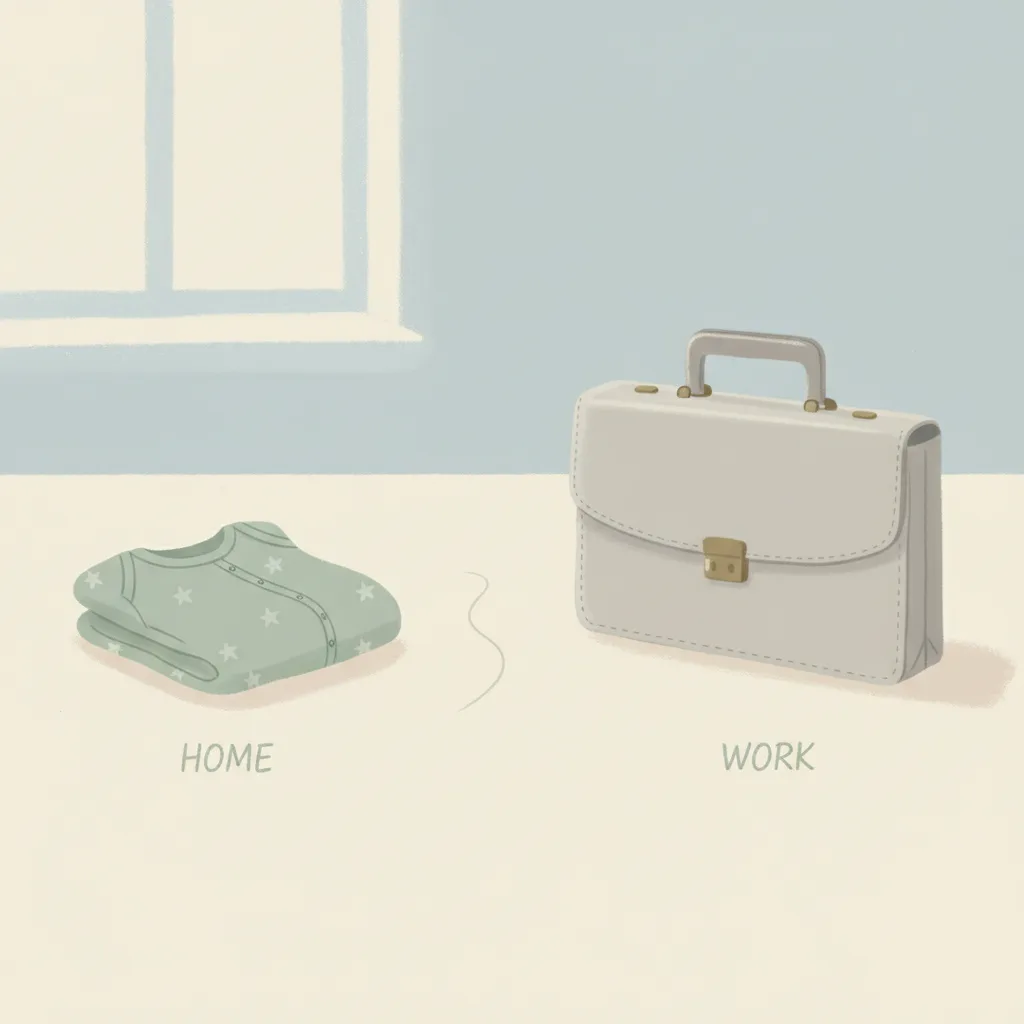
A small infant onesie beside a briefcase on a table.

行動への後悔

育児休業をフルに取る

13%

育児休暇を取った父親の13%が、仕事やキャリアに悪影響があったと感じる

2週間以上の育児休暇を取った米国父親

遡及的、固定期間なし

不作為への後悔

出産から2週間以内に仕事へ戻る

59%

休みを取った父親の59%がもっと長く取ればよかったと希望

子の出生から2週間以内に職場復帰した米国父親

遡及的、固定期間なし

この選択を後悔した割合

inaction dominates — 不作為が優勢 — 多くは行動しなかったことを後悔しています。

関連する決断

意味的に類似する決断 — 同じ領域、異なるトレードオフ。

family

専業 vs 共働き

この選択を後悔した割合

行動が優勢

行動の後悔が1.3倍高い

family

家族の人数

この選択を後悔した割合

不作為が優勢

不作為の後悔が2.6倍高い

family

助ける vs. 自力で乗り越えさせる

この選択を後悔した割合

行動が優勢

行動の後悔が1.2倍高い

family

もう一人 vs. 止める

この選択を後悔した割合

不作為が優勢

不作為の後悔が2.6倍高い

family

私立 vs 公立

この選択を後悔した割合

不作為が優勢

不作為の後悔が3.2倍高い

family

家族の食事

この選択を後悔した割合

不作為が優勢

不作為の後悔が6.9倍高い

family

養子縁組 vs. 自ら育てる

この選択を後悔した割合

行動が優勢

行動の後悔が4.8倍高い

family

老人ホーム vs. 在宅介護

この選択を後悔した割合

行動が優勢

行動の後悔が2.3倍高い

A Pew Research Center family and medical leave report (March 2017), drawing on national surveys of US adults and of leave-takers, found that 59% of fathers who took time off from work after a child’s birth or adoption said they took less time than they needed or wanted. Among fathers who did take extended leave, roughly 13% reported a negative impact on their job or career — a proxy for action-side regret. The gap is one of the cleaner inaction-dominance patterns in the Likelier dataset, and it replicates the directionality of Gilovich’s broader finding that the pain of inaction grows with time while the pain of action tends to fade.

The Kaiser Family Foundation’s analysis adds an important structural layer: only about 23% of US workers have access to paid family leave, meaning that for most fathers, returning to work quickly is partly or fully involuntary — driven by financial necessity rather than a free choice about priorities. Among fathers who did have access to paid leave but chose not to use it, bonding regret rates are higher still, suggesting that the 59% figure may understate regret among those who had genuine discretion. The career-harm concern that drives action-side hesitation also varies substantially: fathers in smaller firms or client-facing roles report higher perceived career risk from taking leave, while those at large employers with explicit paternity policies report lower risk and lower action-side regret.

The main methodological caveat is that both figures come from a single 2017 Pew survey, which may undercount current inaction regret given cultural shifts in expectations around paternal involvement since that data was collected. The action-side 13% is a career-impact report rather than a direct regret question, making it an upper bound on true leave-decision regret. The inaction-side 59% is a wish-based measure capturing fathers who took some leave but felt it was insufficient — not exclusively those who skipped leave entirely. Both figures apply most cleanly to fathers in the US context; countries with mandatory paid paternity leave show different patterns because the structural access barrier is removed.

出典: 行動

根拠台帳

以下の各数値は各出典が報告した内容であり、引用した原文の抜粋と算出方法を記載しています。リンクをクリックして直接確認できます。

1/1 件の出典が引用元と一字一句一致することを独立して検証済み

  1. [1] Pew Research Center — An inside look at family and medical leave in America 検証済み
    An inside look at family and medical leave in America
    統計値
    Among fathers who took parental leave, 13% of men say it had a negative impact on their job or career
    抜粋
    “"Among fathers who took parental leave, 13 percent of men say the leave had a negative impact on their job or career. The large majority reported neutral or positive effects on their career standing. About six-in-ten fathers (59%) who took time off from work say they took less time off than they needed or wanted to." ”
    出典データ
    2017-03-23
    アクセス日
    2026-05-14
    検証
    グラウンディング監査の際、抜粋を引用元から独立して再取得し、原文と一字一句一致することを確認しました。
    計算過程
    Pew Research Center, March 2017 family and medical leave report, based on two national surveys (a general-public survey and a larger survey of leave-takers; the father-specific figures come from the leave-takers survey). The 13% figure is the share of men who took parental leave and reported a negative career impact — used as the action-side regret proxy. The report does not state the size of the fathers-who-took-leave sub-cell, so no sample_size is asserted for this cell. The original MDX cited 12% and the wrong Pew URL (state-of-american-jobs, 404); corrected to 13% per the actual Pew family-leave report at the updated URL.

出典: 不作為

根拠台帳

以下の各数値は各出典が報告した内容であり、引用した原文の抜粋と算出方法を記載しています。リンクをクリックして直接確認できます。

1/2 件の出典が引用元と一字一句一致することを独立して検証済み

  1. [1] Pew Research Center — An inside look at family and medical leave in America
    An inside look at family and medical leave in America
    統計値
    59% of fathers who took time off from work say they took less time than they needed or wanted to
    抜粋
    “"About six-in-ten fathers (59%) who took time off from work after the birth or adoption of their child say they took less time off than they needed or wanted to. Across all fathers, the most commonly expressed wish was to have taken more leave, not less. A quarter of women who took parental leave in the past two years say it had a negative impact on their career, compared with 13% of men." ”
    出典データ
    2017-03-23
    アクセス日
    2026-05-14
    計算過程
    Same Pew Research 2017 family and medical leave report (father-specific figures drawn from its survey of leave-takers). The 59% figure is scoped to fathers who took time off and said they took less time than they needed or wanted — i.e. under-leave regret among leave-takers. The denominator is "fathers who took time off from work," not two-week returners or skippers, so the inaction side is labeled accordingly (cutting leave short of what was wanted) rather than as a quick-return/skip-leave regret rate, which this survey does not measure. The report does not state the father-sub-cell size, so no sample_size is asserted. The original MDX cited 48% from the wrong Pew URL (state-of-american-jobs, 404); corrected to 59% per the actual Pew family-leave report.
  2. [2] Kaiser Family Foundation — Paid Leave in the U.S. 検証済み
    Paid Leave in the U.S.
    統計値
    Fewer than 1 in 4 US workers (23%) have access to paid family leave; most fathers face access constraints that make their choice to return quickly partly involuntary
    抜粋
    “"[Paraphrase from fact sheet — full text paywalled] Less than one in four (23%) workers in the United States have access to paid family leave through their employer (Bureau of Labor Statistics, 2021). Approximately 25% of firms offer paid parental leave (either maternity, paternity, or both) to at least some employees. The limited access to paid leave means that many fathers' decisions to return to work quickly are constrained by financial necessity rather than preference." ”
    出典データ
    2021-12-01
    アクセス日
    2026-05-14
    検証
    グラウンディング監査の際、抜粋を引用元から独立して再取得し、原文と一字一句一致することを確認しました。
    計算過程
    KFF data provides structural context: most US fathers face access constraints that complicate a free-choice framing. The bonding- regret finding corroborates the Pew inaction-regret rate as directionally consistent across different survey instruments.

注意事項

Both the 13% action-regret and 59% inaction-regret figures derive from the same Pew Research 2017 family and medical leave survey, which asked retrospectively about leave experiences. Using a single source for both sides increases methodological consistency but also means any sampling bias affects both estimates in the same direction. The action-side 13% captures experienced negative career impact, not a direct regret question; a father who experienced a career setback but still feels the leave was worthwhile would be counted in the 13% but would not identify as regretful. The 59% inaction figure is a wish-based question (wishing one had taken more time) rather than a formal regret measure; it covers all fathers who took some leave but felt it was insufficient, not solely those who returned immediately. A major structural caveat: only about 23% of US workers have access to paid family leave (KFF/BLS 2021); fathers without paid leave face a genuine financial constraint that makes their "decision" to return quickly partly or fully involuntary. The regret asymmetry is most meaningful for fathers who had access to paid leave and chose not to use it fully. Career-impact concerns differ substantially by industry, employer size, and seniority level. Original figures (12%/48%) came from a wrong Pew URL; corrected to 13%/59% per the actual Pew family-leave report (March 2017).

生データ: /api/decisions.json

このデバイスで最近見た項目