



本文へスキップ
Likelier

行動 vs. 不行動の後悔

成人した子供に住宅の頭金を贈る vs. 自分の老後を守る

行動した場合

頭金を贈与する

15%

行動しなかった場合

頭金を贈与しない

35%

それぞれの選択を後で後悔した人の割合。バーと完全な記録は下に表示されます。


金融

最終確認 2026-05-13

証拠の質 3.88/5

8次元のレビュー評価。基準は 品質ルーブリック 。各次元は1〜5で評価。

D1 出典の検証
4/5
D2 出典の権威性と独立性
4/5
D3 後悔率の正確性
2/5
D4 出典の比較可能性
3/5
D5 ギロヴィッチ・パターン
5/5
D6 文章の質
4/5
D7 注意事項の完全性
5/5
D8 サンプルの質
4/5
平均 3.88/5
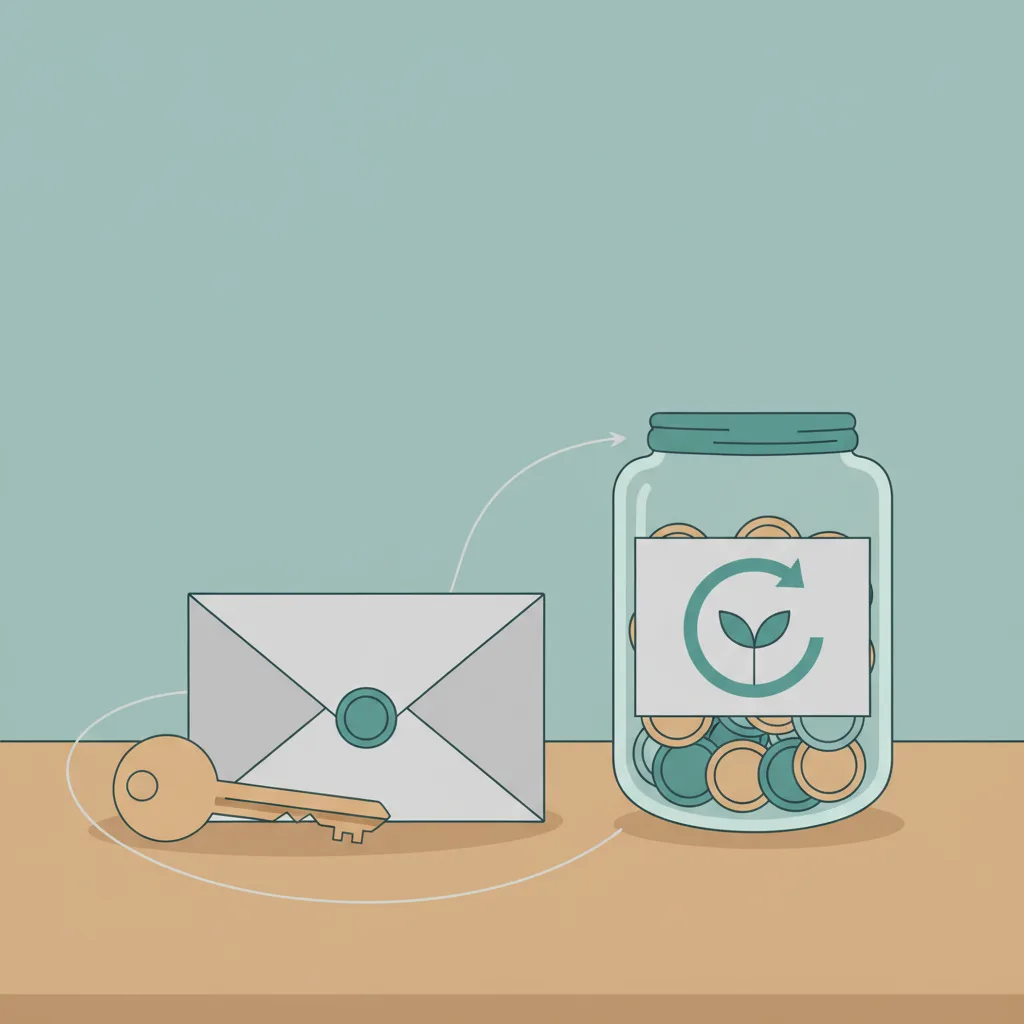
A house key and an envelope of money on a table beside a retirement savings jar.
代替データ — この決断に関する直接的な後悔調査は存在しません。比率は後悔を直接尋ねる質問ではなく、満足度スコアとアクセス障壁のデータから導出されています。以下の注意事項を参照してください。

行動への後悔

頭金を贈与する

15%

住宅購入を援助した親の15%が、その結果として生活水準の低下を受け入れた(後悔を直接測定したものではなく、金銭的損失の代理指標)

成人した子に頭金援助を提供した米国親

遡及的、固定期間なし

不作為への後悔

頭金を贈与しない

35%

頭金の援助を受けた購入者の35%が、援助がなければ住宅を購入できなかったと回答している(後悔を直接測定したものではなく、住宅取得障壁の代理指標)

援助なしでは住宅を購入できなかった成人した子を持つ米国親

遡及的、固定期間なし

この選択を後悔した割合

inaction dominates — 不作為が優勢 — 多くは行動しなかったことを後悔しています。

関連する決断

意味的に類似する決断 — 同じ領域、異なるトレードオフ。

金融

成人の子どもへの経済支援 vs. 打ち切り

この選択を後悔した割合

行動が優勢

行動の後悔が3.7倍高い

金融

家族への貸付

この選択を後悔した割合

行動が優勢

行動の後悔が1.3倍高い

金融直接

住宅購入

この選択を後悔した割合

不作為が優勢

不作為の後悔が5.6倍高い

family

老人ホーム vs. 在宅介護

この選択を後悔した割合

行動が優勢

行動の後悔が2.3倍高い

金融直接

適正サイズ vs. 大きめ

この選択を後悔した割合

行動が優勢

行動の後悔が1.6倍高い

金融

家賃交渉

この選択を後悔した割合

不作為が優勢

不作為の後悔が1.9倍高い

family

専業 vs 共働き

この選択を後悔した割合

行動が優勢

行動の後悔が1.3倍高い

family

助ける vs. 自力で乗り越えさせる

この選択を後悔した割合

行動が優勢

行動の後悔が1.2倍高い

A Legal & General study of 2018 US data, reported by Money, found that parents gave their adult children an average of $39,000 to help buy a home. Among the parents who provided that help, 15% said they had to accept a lower standard of living as a result, 14% reported feeling less secure about their financial future, and 7% postponed retirement by an average of four years. On the inaction side, there is no direct survey of parents who declined to help; the closest measurable signal of the stake involved comes from LendingTree’s 2026 down-payment survey, in which 35% of buyers who received family help said they could not have bought their home when they did without it. Both figures are proxies, not “do you regret your choice?” questions, so this entry is published as proxy_only.

The structural driver of inaction regret is the widening gap between housing costs and first-time-buyer incomes. When a parent can observe a concrete, durable consequence of withholding the gift — a child who, by the recipients’ own account, could not have bought without help — the regret becomes harder to rationalize away over time. This fits Gilovich and Medvec’s temporal pattern: the costs of inaction compound as the counterfactual (what homeownership would have meant for the child’s wealth-building) becomes clearer with each passing year. By contrast, action regret among parents who gave the gift tends to be more immediate and often fades once the child is stably housed.

The two sides measure different populations and are not strictly comparable. The 15% action figure captures concrete financial harm to giving parents, not emotional regret per se; a parent who accepted a lower standard of living but feels the gift was worthwhile would still be counted. The 35% inaction figure is a recipient-reported barrier, not a measure of how often non-helping parents regret their choice — no survey of that population was located. Separately, Bankrate finds that 61% of parents of adult children have made some financial sacrifice to help them, with 37% sacrificing retirement savings, underscoring how common the trade-off is. The comparison is most applicable to families with enough assets to make the gift a genuine choice and where children face real housing-access barriers; for parents with inadequate retirement savings of their own, the decision carries a different risk calculus the aggregate figures do not capture.

出典: 行動

根拠台帳

以下の各数値は各出典が報告した内容であり、引用した原文の抜粋と算出方法を記載しています。リンクをクリックして直接確認できます。

1/1 件の出典が引用元と一字一句一致することを独立して検証済み

  1. [1] Money (reporting Legal & General research) — Parents Are Giving Their Kids an Average of $39,000 to Buy a Home — and It Could Jeopardize Their Own Retirement 検証済み
    Parents Are Giving Their Kids an Average of $39,000 to Buy a Home — and It Could Jeopardize Their Own Retirement
    統計値
    Parents give an average of $39,000 to help an adult child buy a home; among parents who helped, 7% postponed retirement by an average of four years, 14% felt less secure about their financial future, and 15% accepted a lower standard of living
    抜粋
    “"Parents are giving their adult children an average of $39,000 to help them buy a home ... 7% postponed retirement (by an average of four years) due to their help ... 14% reported feeling less secure about their financial future ... 15% said they had to accept a lower standard of living as a result of giving the money." ”
    出典データ
    2019-05-17
    アクセス日
    2026-06-30
    検証
    グラウンディング監査の際、抜粋を引用元から独立して再取得し、原文と一字一句一致することを確認しました。
    計算過程
    Money (May 17, 2019) reporting a Legal & General study of 2018 US data on parental home-buying help ("Bank of Mum and Dad"). The 15% figure is the share of gift-giving parents who reported accepting a lower standard of living -- the broadest reported adverse financial outcome, used here as the closest available proxy for action regret. The survey contains no direct "do you regret giving the gift?" question, so this is a financial-harm proxy, not a measured-regret reading. The narrower 7% (postponed retirement by ~4 years) and 14% (felt less financially secure) are more severe but less common harms from the same survey.

出典: 不作為

根拠台帳

以下の各数値は各出典が報告した内容であり、引用した原文の抜粋と算出方法を記載しています。リンクをクリックして直接確認できます。

1/2 件の出典が引用元と一字一句一致することを独立して検証済み

  1. [1] LendingTree — Survey: Down Payment Help on Current Home 検証済み
    Survey: Down Payment Help on Current Home
    統計値
    40% of homeowners received financial help on their current home; 16% say their parents helped with the down payment; 35% of those who received help say they could not have bought their home when they did without it
    抜粋
    “"40% of homeowners received financial help on their current home, up from 35% in 2023. ... 16% of homeowners say their parents helped with their down payment, increasing to 27% among Gen Zers. ... More than a third (35%) of those who got down payment help on their current home say they couldn't have bought it when they did without that assistance." ”
    出典データ
    2026-04-27
    アクセス日
    2026-06-30 · アーカイブ版
    検証
    グラウンディング監査の際、抜粋を引用元から独立して再取得し、原文と一字一句一致することを確認しました。
    計算過程
    LendingTree's 2026 Mortgage Down Payment Survey (QuestionPro online survey of 2,060 US consumers ages 18-80, fielded March 17-23, 2026). This is a RECIPIENT survey, not a survey of non-helping parents. It is used as the housing-access-barrier proxy for the inaction side: 35% of recipients say they could not have bought their home when they did without family help, which quantifies the stake withheld when a parent declines to give. It does not measure whether non-helping parents regret that choice -- no direct survey of that population was located.
  2. [2] Bankrate — Survey: 61% Of Parents With Adult Children Have Sacrificed To Help Their Kids Financially
    Survey: 61% Of Parents With Adult Children Have Sacrificed To Help Their Kids Financially
    統計値
    61% of parents of children age 18 or older are currently sacrificing, or have sacrificed, financially to help their adult children; 37% sacrificed retirement savings, 43% emergency savings
    抜粋
    “"More than 3 in 5 (61 percent) parents/guardians of children age 18 or older are currently sacrificing, or have sacrificed, financially to provide assistance to their adult children. ... Parents are least likely to sacrifice their retirement savings in order to help their adult children financially." ”
    出典データ
    2024-05-01
    アクセス日
    2026-06-30
    計算過程
    Bankrate survey (YouGov Plc online survey of 2,377 US adults, of whom 837 are parents of adult children age 18+, fielded April 15-17, 2024). This source documents the HELPING-parent population -- 61% have made some financial sacrifice to assist adult children, with 37% sacrificing retirement savings and 43% emergency savings. It does NOT measure non-helping parents' regret. It is cited here only as context on how commonly parents sacrifice to help, not as the source of the inaction proxy rate (which comes from the LendingTree barrier figure above).

注意事項

Neither side has a direct regret survey, so this is a proxy_only entry. The action-side 15% measures concrete financial harm (Legal & General / Money: parents who accepted a lower standard of living after helping), not a direct "do you regret giving?" response; the true action-regret rate could be higher or lower. The inaction-side 35% is a housing-access-barrier proxy (LendingTree: recipients who say they could not have bought without family help) -- it quantifies what is withheld when a parent declines, not the regret of non-helping parents, for which no direct survey was located. The two sides therefore measure different populations (giving parents vs. helped buyers) and are not strictly comparable as like-for-like regret rates. Both proxies are sensitive to local housing-market conditions: where home prices have risen substantially since the decision, the inaction barrier looms larger. This entry is most relevant to upper-middle-income families where a down-payment gift is a genuine financial choice rather than an impossibility; for most median-income parents the question may not be discretionary. The gap narrows for parents who are themselves approaching or in retirement with limited liquid assets.

生データ: /api/decisions.json

このデバイスで最近見た項目