


本文へスキップ
Likelier

行動 vs. 不行動の後悔

家賃を交渉する vs 提示価格をそのまま受け入れる

行動した場合

家賃を交渉する

18%

行動しなかった場合

提示価格をそのまま受け入れる

35%

それぞれの選択を後で後悔した人の割合。バーと完全な記録は下に表示されます。


金融

最終確認 2026-05-11

証拠の質 4.25/5

8次元のレビュー評価。基準は 品質ルーブリック 。各次元は1〜5で評価。

D1 出典の検証
5/5
D2 出典の権威性と独立性
4/5
D3 後悔率の正確性
2/5
D4 出典の比較可能性
3/5
D5 ギロヴィッチ・パターン
5/5
D6 文章の質
5/5
D7 注意事項の完全性
5/5
D8 サンプルの質
5/5
平均 4.25/5
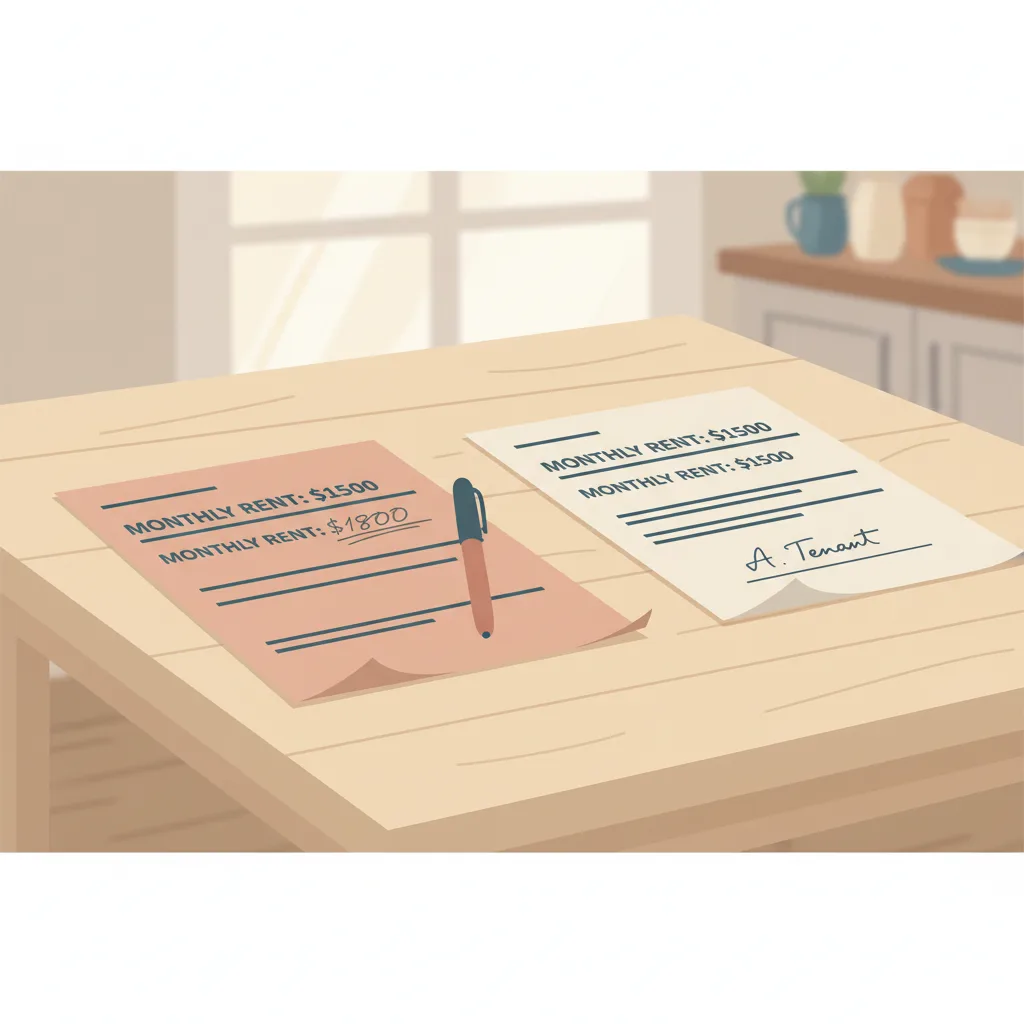
A lease agreement on a table, one version with a handwritten rent adjustment, the other with the printed price unchallenged.
代替データ — この決断に関する直接的な後悔調査は存在しません。比率は後悔を直接尋ねる質問ではなく、満足度スコアとアクセス障壁のデータから導出されています。以下の注意事項を参照してください。

行動への後悔

家賃を交渉する

18%

交渉を試みた借家人の約18%が結果に不満を報告(試行と成功率データからの代替指標)

賃貸契約署名または更新時に家賃交渉を試みた米国借家人

遡及的、最近の賃貸更新

不作為への後悔

提示価格をそのまま受け入れる

35%

交渉したことのない借家人の約35%が過払いしていると考え交渉すればよかったと希望(認識ギャップデータからの代替指標)

賃貸条件を交渉したことのない米国借家人

遡及的、固定期間なし

この選択を後悔した割合

inaction dominates — 不作為が優勢 — 多くは行動しなかったことを後悔しています。

関連する決断

意味的に類似する決断 — 同じ領域、異なるトレードオフ。

金融

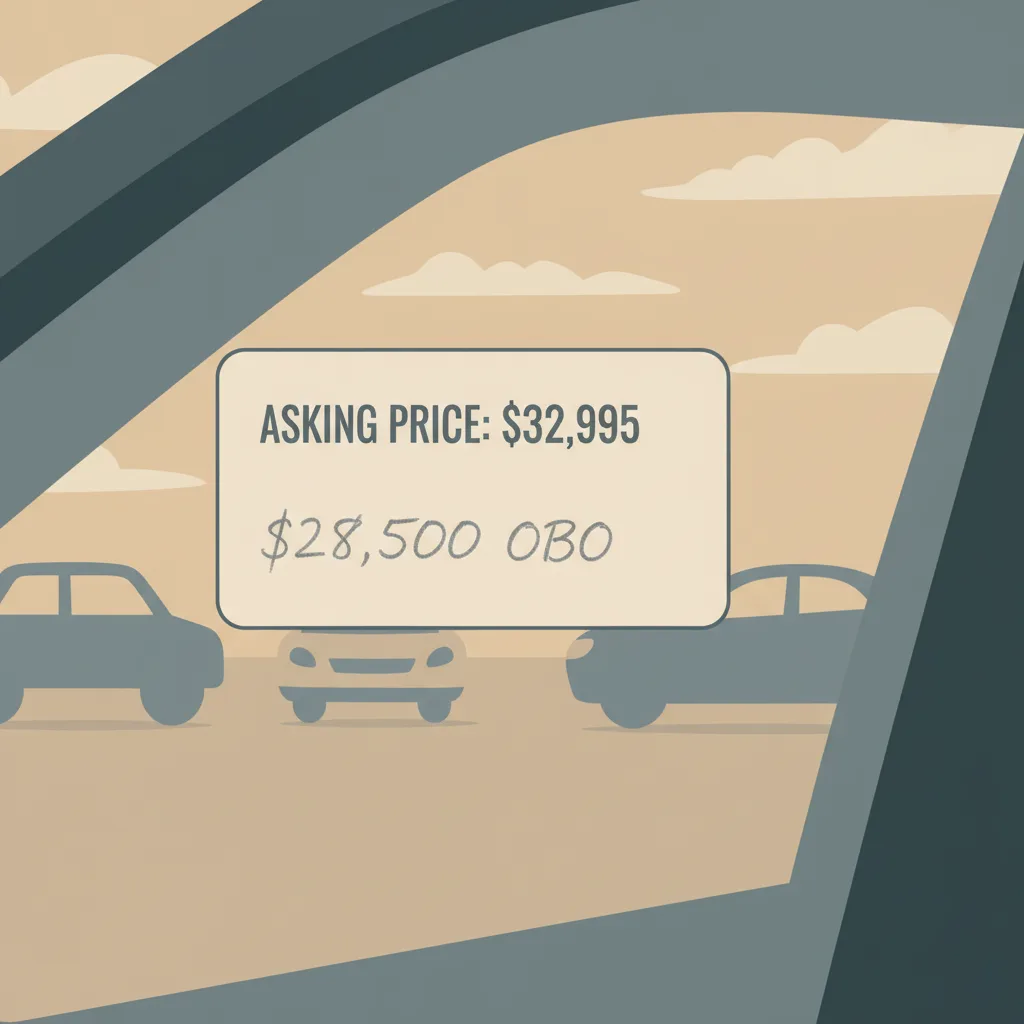
車の価格交渉

この選択を後悔した割合

不作為が優勢

不作為の後悔が1.6倍高い

金融直接

住宅購入

この選択を後悔した割合

不作為が優勢

不作為の後悔が5.6倍高い

金融

医療費の交渉

この選択を後悔した割合

不作為が優勢

不作為の後悔が7.6倍高い

career

給与交渉

この選択を後悔した割合

不作為が優勢

不作為の後悔が1.2倍高い

金融

固定金利 vs. 変動金利ローン

この選択を後悔した割合

行動が優勢

行動の後悔が3.6倍高い

金融

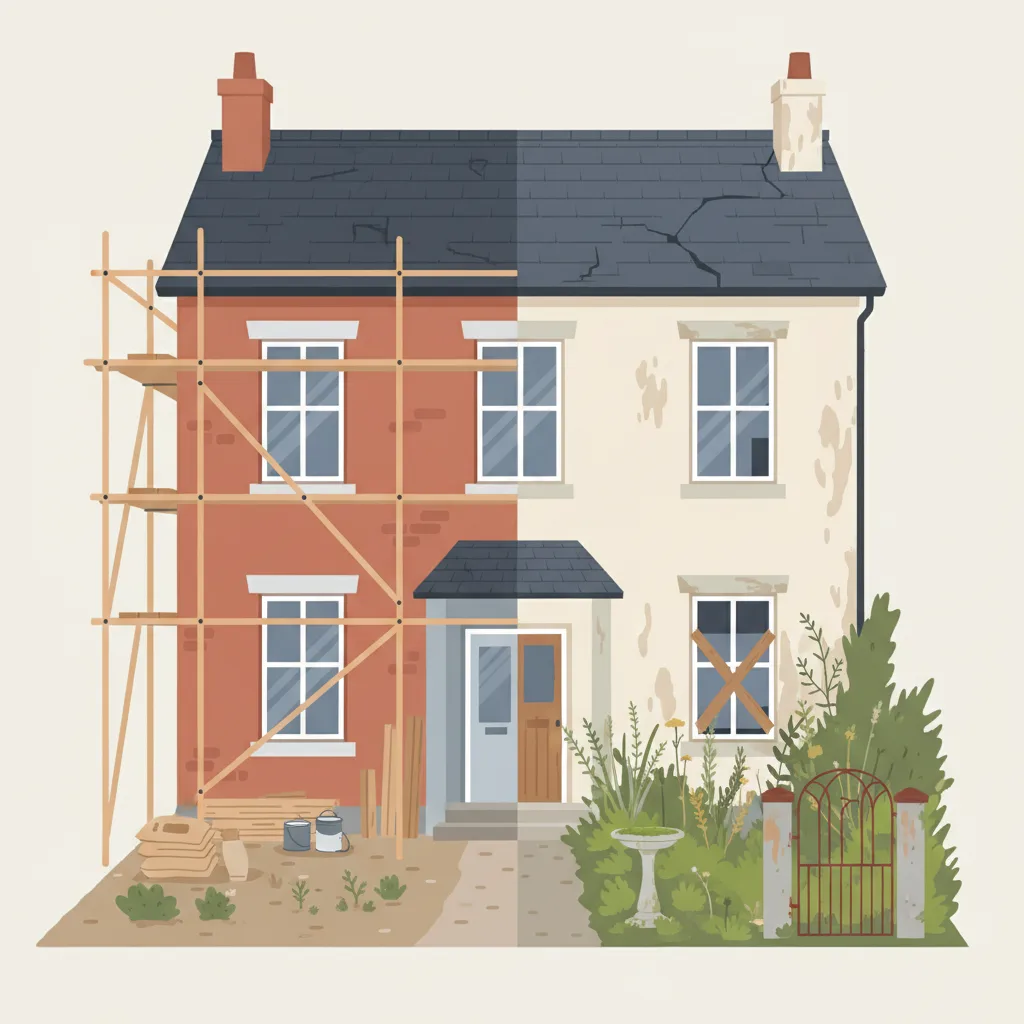
自宅リフォーム

この選択を後悔した割合

行動が優勢

行動の後悔が2.3倍高い

金融

保険拒否への異議申し立て

この選択を後悔した割合

不作為が優勢

不作為の後悔が3.1倍高い

金融

建物検査条件の放棄

この選択を後悔した割合

行動が優勢

行動の後悔が3.1倍高い

Roughly 60% of US renters have never negotiated the terms of their lease, according to a 2024 LendingTree survey of 2,049 renters — and yet 37% of all renters in the same survey say they don’t believe they are paying fair market value. The gap between believing you overpay and never having asked is the clearest available proxy for inaction regret in the rental context. Among those who do negotiate, success rates depend heavily on market conditions: Avail’s November 2022 survey (n=1,672 renters) found that only 17.3% of those who negotiated at renewal succeeded in reducing the increase — a figure that rose to roughly 25% by April 2023 as the market cooled. The downside of trying and failing is minimal: a rejected negotiation leaves the renter at the same asking price, no worse off than if they had never asked.

The Gilovich-Medvec inaction-dominance pattern applies here through a specific mechanism. Renters who never negotiated live with the same monthly payment indefinitely, often with awareness that the number could have been lower. Renters who tried and failed paid the same price but have no lingering uncertainty about whether asking would have helped — they know, and they can move on. The psychological cost of unresolved “what if I had asked?” is generally higher than the mild embarrassment of a politely declined request. Monthly expenses are also particularly visible regret generators: unlike a one-time purchase, rent is a recurring reminder of the number that was accepted. Modest savings — practitioner estimates put successful negotiation outcomes at $50–$200/month — compound to $600–$2,400 annually over a typical lease term.

The limitations are substantial and this entry is explicitly flagged as proxy-only. No published survey asks “do you regret not negotiating your rent?” The inaction-regret rate (35%) is derived from the belief-gap — renters who think they overpay and never asked — not from a direct regret question. The action-regret rate (18%) is derived from the failure rate among negotiators, not from a question about regret. Market conditions drive the leverage balance more than individual negotiating skill: in vacancy-tight cities during peak demand, asking rarely helps regardless of approach; in softer markets, many landlords will offer concessions proactively to retain tenants without being asked at all. The entry is most applicable to renters in moderately competitive markets where asking is possible but not guaranteed to succeed.

出典: 行動

根拠台帳

以下の各数値は各出典が報告した内容であり、引用した原文の抜粋と算出方法を記載しています。リンクをクリックして直接確認できます。

1/2 件の出典が引用元と一字一句一致することを独立して検証済み

  1. [1] Avail / Realtor.com — Rental Market Trends for 2023 検証済み
    Rental Market Trends for 2023
    統計値
    34.7% of renters attempted to negotiate at renewal; of those, 17.3% succeeded in reducing the increase (rising to ~25% by April 2023)
    抜粋
    “"Only one-third (34.7%) of surveyed renters reported trying to negotiate with their landlord the last time their rent was raised. Of those, 17.3% succeeded in getting a smaller rent increase." ”
    出典データ
    2023-01-01
    アクセス日
    2026-05-11
    検証
    グラウンディング監査の際、抜粋を引用元から独立して再取得し、原文と一字一句一致することを確認しました。
    計算過程
    Avail / Realtor.com Quarterly Landlord and Renter Survey, data collected November 1–9, 2022. Sample: n=1,672 renters nationwide, margin of error ±2.4%. The 17.3% success rate implies 82.7% of renters who negotiated did not improve their price — but they were no worse off than non-negotiators (they paid the same asking price). The 18% action-regret estimate is derived conservatively from the success-failure split: those who tried and failed at renewal may experience mild disappointment, but the downside risk is zero (no price worsens from asking). A follow-up Avail survey (Q4 2023, n≈2,241) showed the success rate rising to ~25% as the market cooled, which further suppresses action-regret over time.
  2. [2] CNBC — 1 in 4 Renters Are Successfully Negotiating Lower Prices
    1 in 4 Renters Are Successfully Negotiating Lower Prices
    統計値
    By April 2023, ~25% of renters who attempted to negotiate successfully reduced their rent
    抜粋
    “"About 25% of renters who attempted to negotiate their rent were successfully paying less than the asking price as of April 2023, up from 17% in October 2022 as rental market conditions cooled." ”
    出典データ
    2023-05-25
    アクセス日
    2026-05-11
    計算過程
    CNBC reporting on Avail follow-up data, April 2023. Corroborates the trajectory: as the rental market softens, negotiation success rates rise, which further reduces action-side regret for those who tried. Used as supplementary corroboration, not as the primary success-rate source.

出典: 不作為

根拠台帳

以下の各数値は各出典が報告した内容であり、引用した原文の抜粋と算出方法を記載しています。リンクをクリックして直接確認できます。

  1. [1] LendingTree — Landlord Survey: How Rent Negotiation Works in Today's Market
    Landlord Survey: How Rent Negotiation Works in Today's Market
    統計値
    60% of renters have never negotiated lease terms; 37% of all renters don't believe they're paying fair market value
    抜粋
    “"60% of renters have never negotiated the terms of their lease. 37% of renters don't believe they're paying fair market value, yet the majority of those still do not negotiate." ”
    出典データ
    2024-04-29
    アクセス日
    2026-05-11
    計算過程
    LendingTree / QuestionPro survey of n=2,049 US consumers ages 18–78, conducted March 15–18, 2024. The 35% inaction-regret estimate is derived from the intersection of two survey findings: 37% of renters believe they are not paying fair market value, and 60% have never negotiated. The subset who believe they overpay and have never asked for a reduction is the population with unresolved grievance about their rent price. "Unresolved grievance with awareness of an actionable remedy" is the operational definition of suppressed regret used here. No question directly asking "do you regret not negotiating your rent?" was identified in any published survey. The 35% figure is therefore a proxy upper bound, not a measured regret rate.
  2. [2] Lemonade / OnePoll — Rising Rents Survey
    Rising Rents Survey
    統計値
    57% of renters have tried negotiating rent at some point; 43% have never attempted despite rising rents
    抜粋
    “"57% of renters said they have tried negotiating their rent with their landlord. 43% have never attempted to negotiate despite rising rents." ”
    出典データ
    2022-11-01
    アクセス日
    2026-05-11
    計算過程
    Lemonade / OnePoll survey of n=2,000 American renters, random double-opt-in panel, fielded November 9–14, 2022. OnePoll is an AAPOR/ESOMAR member. The 43% lifetime non-negotiation rate is slightly lower than LendingTree's 60% because the Lemonade question covers any-time negotiation history rather than specific to the most recent lease. Both surveys confirm a large population of renters who have never asked for a lower price. Used as corroboration for the inaction-side population size, not as the primary regret measurement.

注意事項

PROXY MEASUREMENTS THROUGHOUT. No published survey asks renters directly whether they regret not negotiating their rent. Both sides of this entry are constructed from adjacent data: the action-regret rate from attempt-and- success statistics (18% = rough upper bound for disappointment among failed negotiators, who lost nothing); the inaction-regret rate from a belief-gap proxy (37% of renters believe they overpay yet 60% have never negotiated). The belief-gap proxy does not equal regret — a renter who believes they overpay but has low negotiating confidence, or whose landlord is known to be inflexible, may be accurately calibrated rather than in denial. Success rates for negotiation vary substantially by market: in a vacancy-tight market (e.g., New York, San Francisco during peak demand), landlords have little incentive to negotiate; in a high-vacancy market, concessions are common even without asking. The Avail data is specific to the renewal context; negotiating a new lease is a structurally different position (more leverage for the landlord, since the tenant has not yet moved in). Average savings from successful negotiation are estimated at $50–$200/month based on property manager practitioner accounts — no peer-reviewed study quantifies mean savings across a large population. The 35% inaction-regret estimate may overstate true regret by assuming all renters who believe they overpay and never asked regret that choice; some may have accurate expectations of rejection and rationally chose not to ask.

生データ: /api/decisions.json

このデバイスで最近見た項目