


本文へスキップ
Likelier

行動 vs. 不行動の後悔

医療費の請求額を交渉する vs 請求額をそのまま全額支払う

行動した場合

医療費の請求額を交渉する

5.0%

行動しなかった場合

請求額をそのまま全額支払う

38%

それぞれの選択を後で後悔した人の割合。バーと完全な記録は下に表示されます。


金融

最終確認 2026-05-11

証拠の質 4.5/5

8次元のレビュー評価。基準は 品質ルーブリック 。各次元は1〜5で評価。

D1 出典の検証
5/5
D2 出典の権威性と独立性
5/5
D3 後悔率の正確性
2/5
D4 出典の比較可能性
4/5
D5 ギロヴィッチ・パターン
5/5
D6 文章の質
5/5
D7 注意事項の完全性
5/5
D8 サンプルの質
5/5
平均 4.5/5
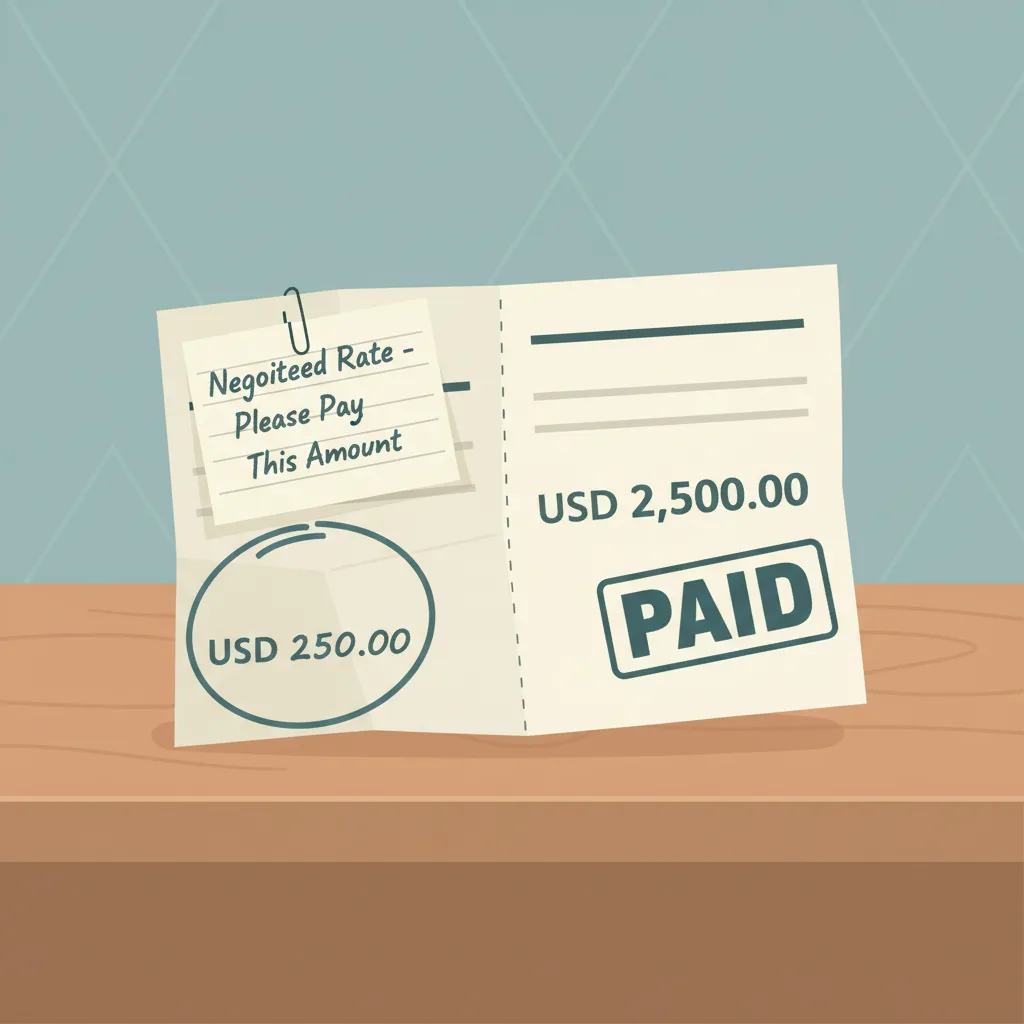
A hospital bill on a desk, one copy with a reduced handwritten amount, the other stamped paid in full at the original amount.
代替データ — この決断に関する直接的な後悔調査は存在しません。比率は後悔を直接尋ねる質問ではなく、満足度スコアとアクセス障壁のデータから導出されています。以下の注意事項を参照してください。

行動への後悔

医療費の請求額を交渉する

5.0%

医療費を交渉した患者の約5%が交渉を後悔(代替指標;93%が少なくとも部分的成功を達成)

医療費の交渉を試みた米国成人

遡及的、固定期間なし

不作為への後悔

請求額をそのまま全額支払う

38%

交渉せずに支払った患者の約38%が誤った信念ギャップに基づき後悔する可能性(代替指標;非交渉者の86%が交渉は役立たないと信じた — 実際には試みた人の62-93%が成功)

医療費を受け取り交渉を試みなかった米国成人

遡及的、固定期間なし

この選択を後悔した割合

inaction dominates — 不作為が優勢 — 多くは行動しなかったことを後悔しています。

関連する決断

意味的に類似する決断 — 同じ領域、異なるトレードオフ。

金融

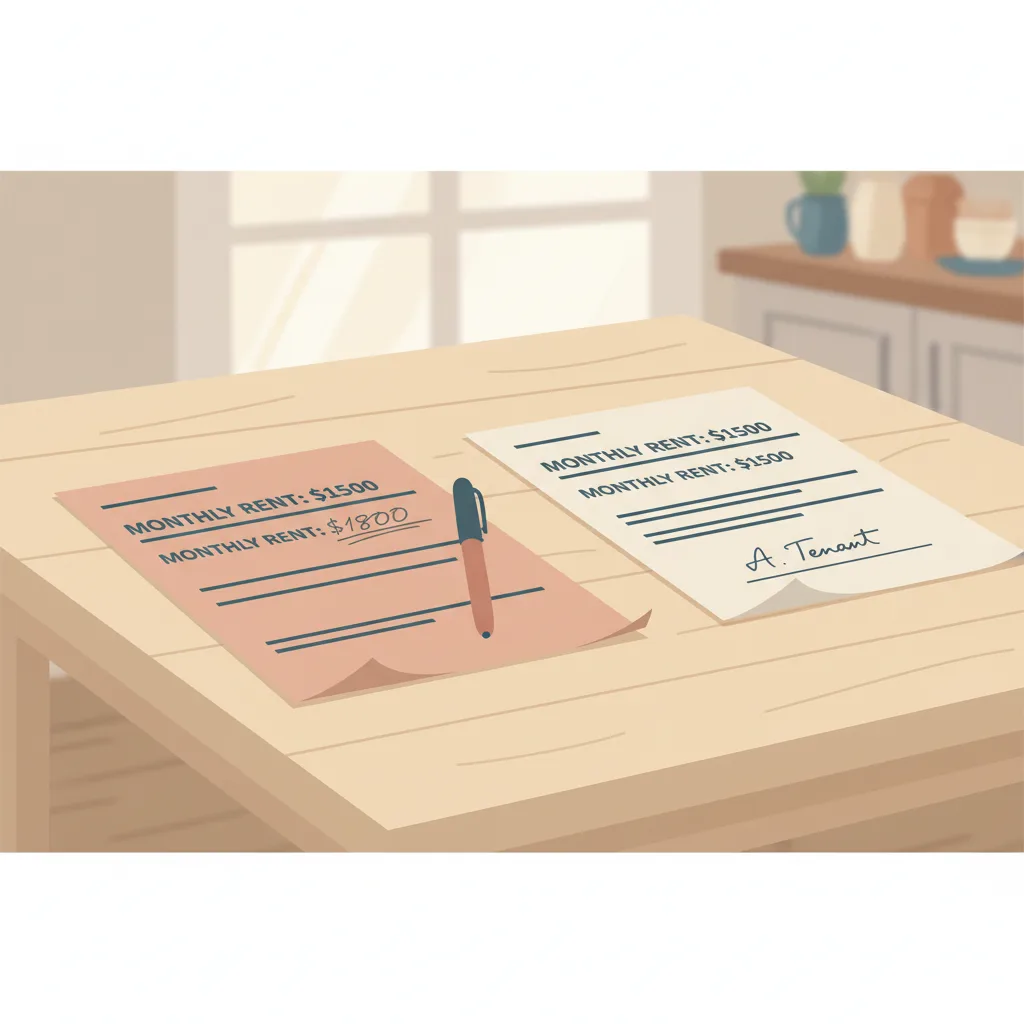
家賃交渉

この選択を後悔した割合

不作為が優勢

不作為の後悔が1.9倍高い

金融

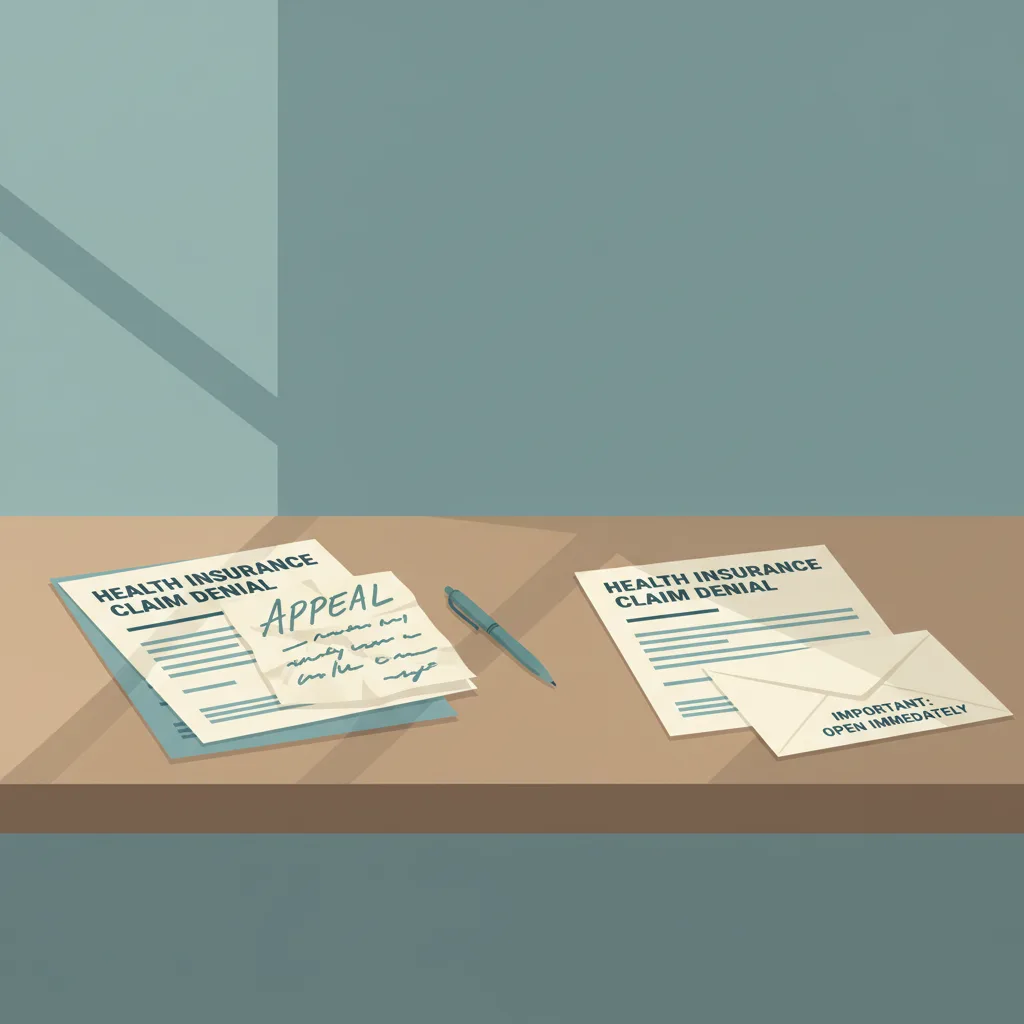
保険拒否への異議申し立て

この選択を後悔した割合

不作為が優勢

不作為の後悔が3.1倍高い

金融

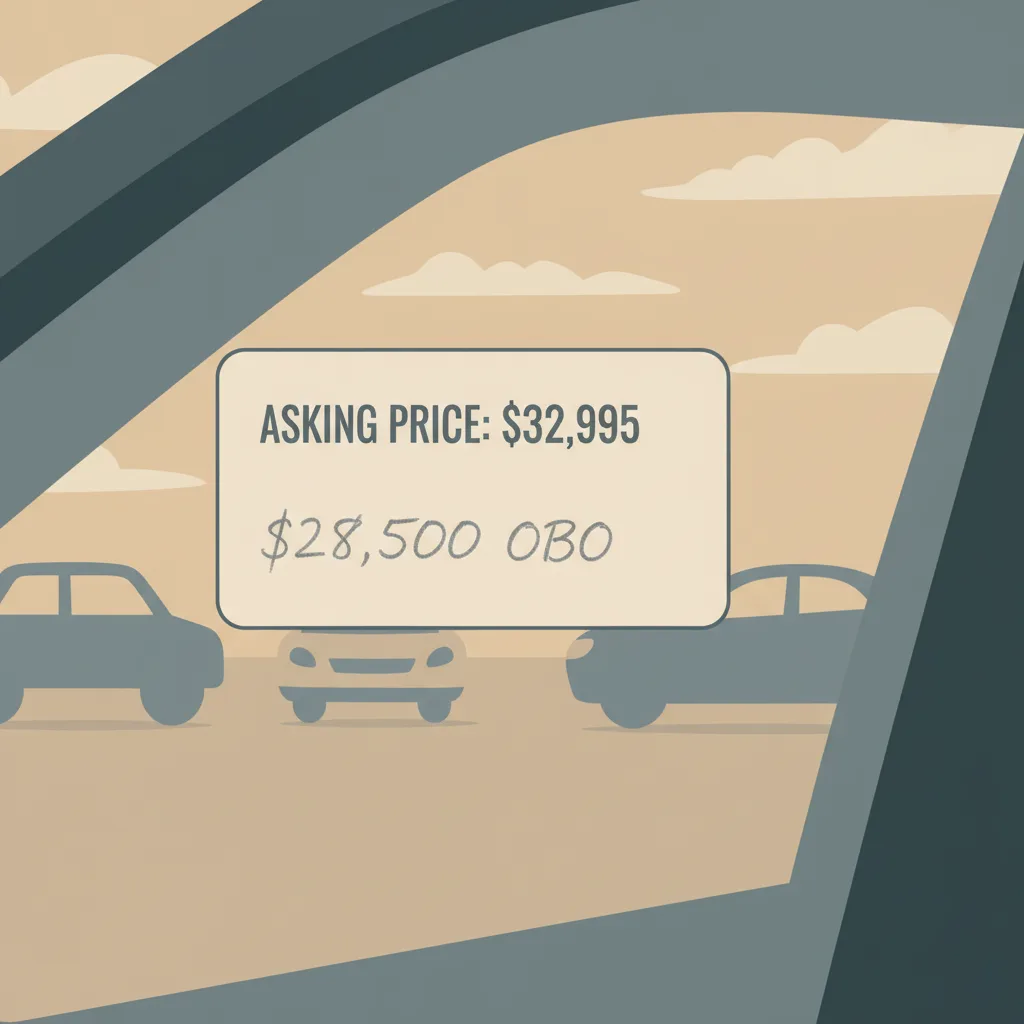
車の価格交渉

この選択を後悔した割合

不作為が優勢

不作為の後悔が1.6倍高い

career

給与交渉

この選択を後悔した割合

不作為が優勢

不作為の後悔が1.2倍高い

金融

自動車傷害請求のために弁護士を雇う

この選択を後悔した割合

行動が優勢

行動の後悔が2.2倍高い

金融

家族への貸付

この選択を後悔した割合

行動が優勢

行動の後悔が1.3倍高い

金融

訴訟 vs. 和解

この選択を後悔した割合

不作為が優勢

不作為の後悔が1.5倍高い

金融

仮想通貨 vs. 伝統的投資

この選択を後悔した割合

行動が優勢

行動の後悔が2.9倍高い

Among US patients who attempted to negotiate a medical bill, 93% had it reduced or eliminated, according to a 2024 LendingTree survey of 2,016 adults — and 66% received exactly what they requested. A peer-reviewed 2024 JAMA Health Forum study (n=1,135, nationally representative) found that patients who challenged bills achieved a price reduction 61.8% of the time, error correction 73.7% of the time, and some form of financial relief 75.8% of the time. Against this evidence, the same JAMA study found that 86.1% of patients who did not challenge their bill believed negotiation would not make a difference — a systematically false belief that the outcome data consistently refutes. LendingTree (2024) found that 41% of those who had medical debt never attempted to negotiate.

The gap between what non-negotiators believe (it won’t help) and what actually happens to those who try (61–93% success) is the clearest available signal of the opportunity cost of inaction. Medical bill negotiation is unfamiliar territory for most US patients, who tend to treat the stated price as fixed — a reasonable assumption in retail contexts that does not translate to healthcare, where list prices (chargemaster rates) are almost never what insurers pay, cash-pay discounts are standard, and billing departments have significant discretion to reduce, restructure, or forgive balances. Hospitals routinely offer self-pay or prompt-pay discounts off billed charges, and medical debt collectors — who typically buy delinquent accounts for a fraction of face value — have substantial room to settle for less than the stated amount. The stated amount on a medical bill is closer to a starting position than a fixed price.

The data here is almost entirely proxy-based. No survey has asked patients “do you regret not negotiating your medical bill?” — the 38% inaction-regret estimate is derived from the false-belief prevalence, not from a direct regret question. The action-side 5% estimate reflects the small minority who tried and got no reduction, noting that even they paid no more than non-negotiators. The JAMA and LendingTree success-rate figures differ because they sample different populations with different methods; the JAMA figure (62% for price reduction specifically) is more methodologically rigorous but based on a smaller, representative sample. Barriers to negotiation are real: 34% of non-negotiators cited discomfort with reaching out and 25.7% cited lack of time — these are genuine constraints, particularly for patients managing serious illness. Income-based charity care programs can further reduce bills independently of negotiation, which may lower the stakes for lower-income patients who qualify automatically.

出典: 行動

根拠台帳

以下の各数値は各出典が報告した内容であり、引用した原文の抜粋と算出方法を記載しています。リンクをクリックして直接確認できます。

  1. [1] LendingTree — Medical Debt and Bills Survey 2024
    Medical Debt and Bills Survey 2024
    統計値
    93% of patients who negotiated a medical bill had it reduced or eliminated; 59% of those with medical debt had attempted negotiation
    抜粋
    “"59% of Americans who've had medical debt have negotiated a related bill. 93% of those who negotiated reported at least partial success; 66% received exactly what they requested." ”
    出典データ
    2024-11-01
    アクセス日
    2026-05-11
    計算過程
    LendingTree / QuestionPro survey of n=2,016 US consumers ages 18–78, conducted November 6–8, 2024. The 93% partial-success rate is the most striking figure in the medical negotiation literature: among patients who asked for a reduction, only 7% received no improvement at all. The 66% full-success rate (received exactly what they requested) implies the majority of negotiators got their preferred outcome. The 5% action-regret estimate is conservative and based on the inverse of the partial-success rate: even the 7% who got no reduction paid no more than non-negotiators, and the time cost of attempting is typically a single phone call. Actual action-side regret is likely lower than 5% in practice.
  2. [2] JAMA Health Forum — Disparate Patient Advocacy When Facing Unaffordable and Problematic Medical Bills
    Disparate Patient Advocacy When Facing Unaffordable and Problematic Medical Bills
    統計値
    Among patients who challenged a bill: 73.7% achieved error correction, 75.8% received financial relief for unaffordable bills, 61.8% achieved a price reduction specifically
    抜粋
    “"Of those who challenged for billing errors, 73.7% succeeded. Of those who challenged for unaffordable bills, 75.8% received financial relief. Of those specifically seeking a price reduction, 61.8% achieved a price drop." ”
    出典データ
    2024-08-30
    アクセス日
    2026-05-11
    計算過程
    Duffy EL, Frasco MA, Trish E. "Disparate Patient Advocacy When Facing Unaffordable and Problematic Medical Bills." JAMA Health Forum. 2024;5(8):e242744. DOI: 10.1001/jamahealthforum.2024.2744. Nationally representative panel (Understanding America Study), n=1,135 US adults, fielded August–October 2023. This peer-reviewed source independently confirms the high success rate: 62–76% of patients who contacted the billing office got a positive outcome depending on the type of challenge. The 61.8% price-reduction success rate is lower than LendingTree's 93% (partial success) because the JAMA study measures billing-office contact broadly (not all contacts are price negotiations per se) and uses a nationally representative rather than a self-selected panel. Both sources consistently show that attempting negotiation produces positive outcomes far more often than non-negotiators believe.

出典: 不作為

根拠台帳

以下の各数値は各出典が報告した内容であり、引用した原文の抜粋と算出方法を記載しています。リンクをクリックして直接確認できます。

1/2 件の出典が引用元と一字一句一致することを独立して検証済み

  1. [1] JAMA Health Forum — Disparate Patient Advocacy When Facing Unaffordable and Problematic Medical Bills 検証済み
    Disparate Patient Advocacy When Facing Unaffordable and Problematic Medical Bills
    統計値
    86.1% of patients who did not challenge a medical bill said they believed it would not make a difference; actual success rates for those who tried were 62–76%
    抜粋
    “"55 of non-challengers (86.1%) reported that they did not think it would make a difference. Secondary reasons for not challenging included feeling uncomfortable reaching out (34.0%) and lacking time (25.7%)." ”
    出典データ
    2024-08-30
    アクセス日
    2026-05-11
    検証
    グラウンディング監査の際、抜粋を引用元から独立して再取得し、原文と一字一句一致することを確認しました。
    計算過程
    Duffy et al., JAMA Health Forum 2024, n=1,135 nationally representative US adults. The 86.1% figure measures the false belief that negotiation is ineffective. This is not a direct regret measurement; it is a belief-gap proxy: the share of non-negotiators whose stated reason for inaction (it won't help) is empirically contradicted by the experience of those who did try (62–76% success rate). The 38% inaction-regret estimate is derived conservatively: it assumes that patients who paid full price, later learned negotiation was possible and often successful, and received no reduction they were eligible for, report some degree of regret. The gap between the 86.1% false-belief rate (how many non-negotiators held an inaccurate assumption) and the 38% regret estimate reflects the fact that learning you held a wrong belief does not automatically translate into regret — some patients may have genuinely lacked time or capacity to negotiate regardless of likelihood of success.
  2. [2] LendingTree — Medical Debt and Bills Survey 2024
    Medical Debt and Bills Survey 2024
    統計値
    41% of Americans who've had medical debt did not attempt to negotiate their bill
    抜粋
    “"59% of Americans who've had medical debt have negotiated a related bill — meaning 41% did not attempt negotiation." ”
    出典データ
    2024-11-01
    アクセス日
    2026-05-11
    計算過程
    LendingTree 2024, n=2,016. The 41% non-negotiation rate defines the inaction population. Combined with the JAMA finding that 86% of non-challengers held false beliefs about effectiveness, and the 62–93% success rate among those who did try, the non-negotiating population is large and operating on systematically inaccurate assumptions. The 38% inaction-regret proxy is conservative relative to the 86% false-belief prevalence, reflecting the gap between "held a wrong belief" and "regrets the outcome."

注意事項

PROXY MEASUREMENTS THROUGHOUT. No published survey directly asks "do you regret not negotiating your medical bill?" Both sides are proxy constructions: the 5% action-regret rate is derived from the 7% who received no reduction (LendingTree 2024); the 38% inaction-regret rate is derived from the false- belief prevalence among non-negotiators (JAMA 2024). The false-belief proxy is the methodologically strongest available substitute for a direct regret measure — it quantifies the specific misconception that drives inaction and that the outcome data refutes. However, a false belief does not automatically produce regret; some non-negotiators may not experience regret even after learning that negotiation often succeeds (because they lack the energy, have no ongoing relationship with the provider, or paid the bill and moved on). The LendingTree success-rate figures (93%) and JAMA success-rate figures (62–76%) differ substantially because they measure different populations: LendingTree surveyed those conditioned on having medical debt (a more motivated, financially stressed population likely to report partial success more broadly) while JAMA used a nationally representative panel and distinguished between types of challenge (billing error vs. affordability vs. price reduction). The 61.8% price-reduction success rate from JAMA is the most relevant and methodologically rigorous figure for direct price negotiation. Medical bill negotiation is a process largely unfamiliar to most US patients; access to it is unequal by education, insurance literacy, and time availability — the 34% of non-negotiators who cited discomfort and 25.7% who cited lack of time are real barriers, not irrational inaction. Charity care and income-based discount programs exist independently of negotiation and may reduce the effective stakes for lower-income patients.

生データ: /api/decisions.json

このデバイスで最近見た項目