






本文へスキップ
Likelier

行動 vs. 不行動の後悔

貯蓄を仮想通貨に入れるか、従来の資産に留まるか

行動した場合

貯蓄を暗号資産に投資する

46%

行動しなかった場合

従来の資産に留める

16%

それぞれの選択を後で後悔した人の割合。バーと完全な記録は下に表示されます。


金融

最終確認 2026-05-13

証拠の質 4.63/5

8次元のレビュー評価。基準は 品質ルーブリック 。各次元は1〜5で評価。

D1 出典の検証
5/5
D2 出典の権威性と独立性
5/5
D3 後悔率の正確性
3/5
D4 出典の比較可能性
4/5
D5 ギロヴィッチ・パターン
5/5
D6 文章の質
5/5
D7 注意事項の完全性
5/5
D8 サンプルの質
5/5
平均 4.63/5
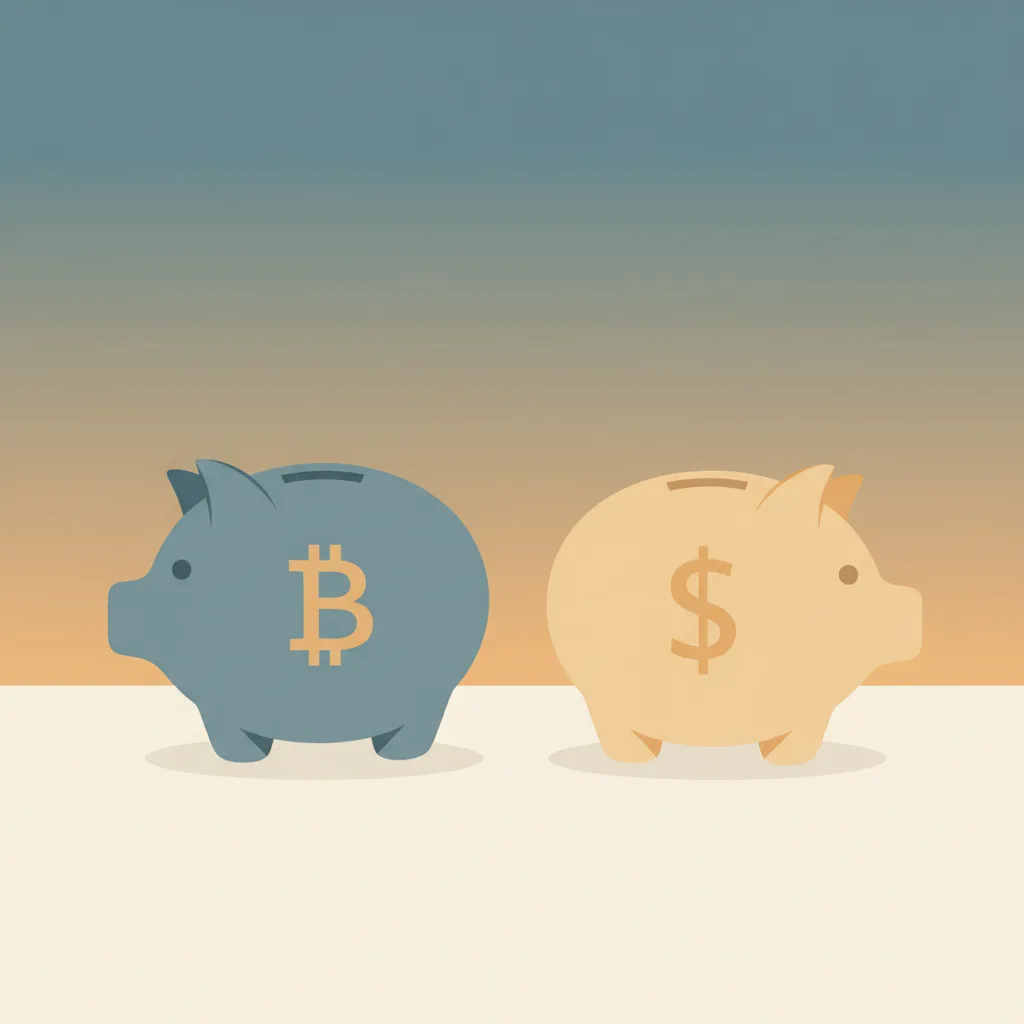
Two piggy banks side by side, one decorated with a Bitcoin symbol, the other plain with a dollar sign.

行動への後悔

貯蓄を暗号資産に投資する

46%

米国の暗号通貨投資家の46%が投資は予想より悪かったと回答

暗号通貨に投資した米国成人、全国代表

遡及的、2022年

不作為への後悔

従来の資産に留める

16%

暗号通貨を購入しなかった人の16%が、購入しなかったことを後悔している

過去1年間に暗号通貨を購入しなかった米国成人

遡及的、2022年

この選択を後悔した割合

action dominates — 行動が優勢 — 多くは行動したことを後悔しています。

関連する決断

意味的に類似する決断 — 同じ領域、異なるトレードオフ。

金融

投資

この選択を後悔した割合

不作為が優勢

不作為の後悔が3.2倍高い

金融

早期投資

この選択を後悔した割合

不作為が優勢

不作為の後悔が3.2倍高い

lifestyle

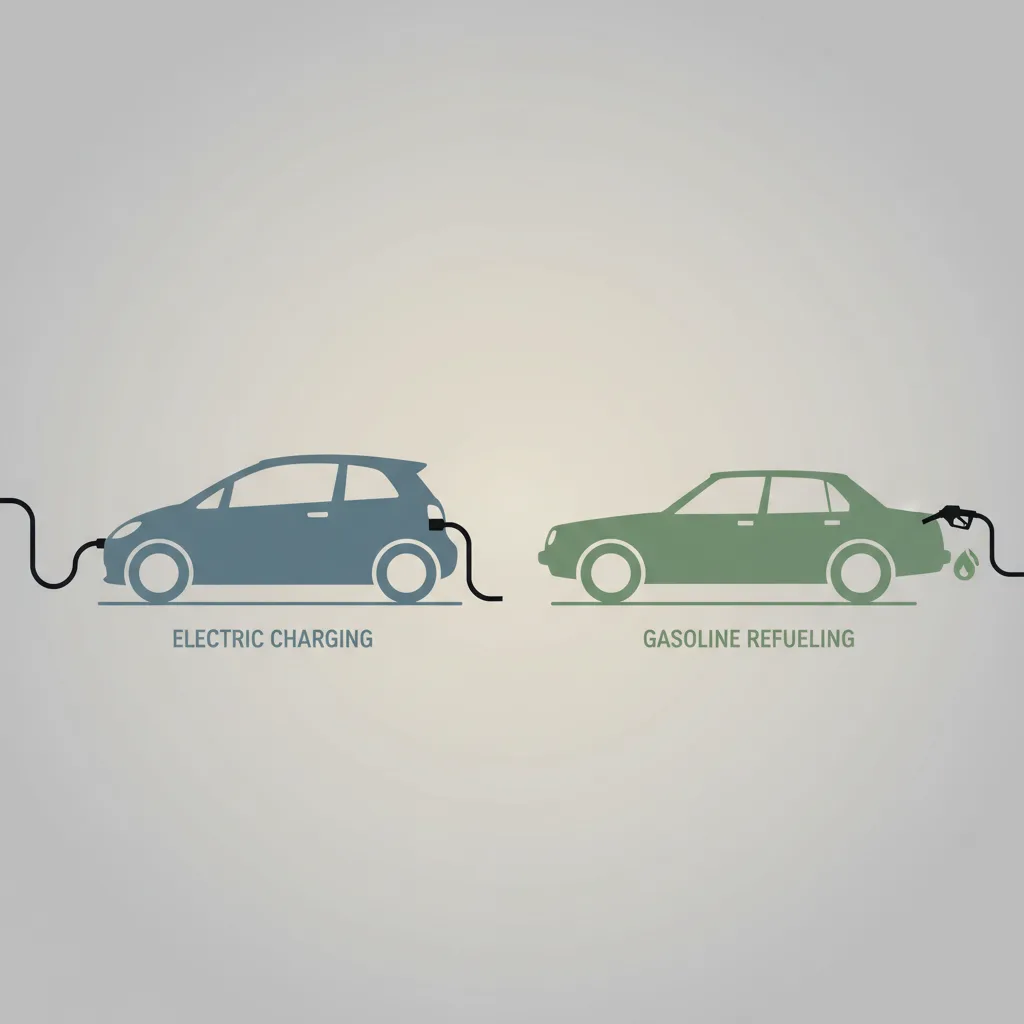
EV vs ガソリン車

この選択を後悔した割合

行動が優勢

行動の後悔が2.9倍高い

金融

自宅リフォーム

この選択を後悔した割合

行動が優勢

行動の後悔が2.3倍高い

金融

固定金利 vs. 変動金利ローン

この選択を後悔した割合

行動が優勢

行動の後悔が3.6倍高い

金融直接

住宅購入

この選択を後悔した割合

不作為が優勢

不作為の後悔が5.6倍高い

金融

家賃交渉

この選択を後悔した割合

不作為が優勢

不作為の後悔が1.9倍高い

lifestyle

旅行費

この選択を後悔した割合

不作為が優勢

不作為の後悔が11.8倍高い

46% of US crypto investors reported their investments did worse than expected, according to Pew Research Center’s nationally representative 2022 survey of 6,034 adults. That figure captures the core tension: cryptocurrency attracted mainstream adoption with promises of outsized returns, but nearly half of those who acted on the opportunity came away disappointed. On the other side, 16% of Americans who did not buy cryptocurrency told ConsumerAffairs in a 2022 survey of 1,074 adults that they regretted staying out — a real but minority experience of inaction regret (34% were glad they didn’t, and 51% were neutral).

The numbers are regime-dependent in ways that matter. Pew’s 46% was recorded near the post-Terra/LUNA collapse, when Bitcoin had fallen roughly 70% from its 2021 peak. A survey taken at the top of a bull market would show higher inaction regret and lower action regret; a survey taken deeper in a bear market might produce even higher action regret. The ConsumerAffairs inaction figure was also captured in 2022, near the same drawdown, which likely muted the missed-gains regret that a bull-market survey would have surfaced. The S&P 500’s roughly 150% gain from 2019 to 2024 provided traditional-asset holders with strong objective grounds for contentment, which likely held down their regret rate.

Gilovich’s temporal model predicts that action regrets are more salient in the short run but fade as people adapt, while inaction regrets persist. That pattern may play out differently here: crypto investors who took large losses have a concrete, specific loss to mourn, while non-investors who missed a bull run are haunted by a counterfactual that grows and shrinks with every market cycle. The 30-point gap favoring action regret is real but unusually volatile for this asset class. Unlike missing a decade of S&P returns, missing a crypto bull run is not a one-time counterfactual — it recurs every time the price makes headlines.

出典: 行動

根拠台帳

以下の各数値は各出典が報告した内容であり、引用した原文の抜粋と算出方法を記載しています。リンクをクリックして直接確認できます。

  1. [1] Pew Research Center — 46% of Americans who have invested in cryptocurrency say it's done worse than expected
    46% of Americans who have invested in cryptocurrency say it's done worse than expected
    統計値
    46% of US adults who had invested in, traded, or used cryptocurrency said their investment had done worse than expected
    抜粋
    “"Among those who have invested in, traded, or used cryptocurrency, 46% say their investments have done worse than expected. Just 15% say they've done better than expected, while 31% say about as expected and 8% are unsure." ”
    出典データ
    2022-08-23
    アクセス日
    2026-05-13
    計算過程
    Pew surveyed 6,034 US adults July 5-17, 2022. Of the 16% who had ever invested in, traded, or used crypto, 46% reported worse-than-expected outcomes. We use this as the action-regret proxy: investments that "did worse than expected" closely parallel the regret construct — the expectation gap is the dominant driver of investment regret. The 2024 Pew update found 38% still reported worse-than-expected results, slightly lower; the 2022 figure is used here as the most methodologically comparable snapshot tied to a specific market period.
  2. [2] Gallup — Cryptocurrency Still Has Limited Main Street Appeal
    Cryptocurrency Still Has Limited Main Street Appeal
    統計値
    14% of Americans currently own cryptocurrency as of June 2025; ownership remains concentrated among younger men
    抜粋
    “"Fourteen percent of U.S. adults overall report owning bitcoin or another cryptocurrency. Ownership is much higher, at 25%, among men aged 18 to 49 than among men aged 50 and older (12%), women aged 50 and older (9%) and women aged 18 to 49 (8%). College graduates (19%), upper-income Americans (19%) and political conservatives (18%) also report above-average ownership." ”
    出典データ
    2025-06-15
    アクセス日
    2026-05-14
    計算過程
    Gallup August 2025 tracking poll. Ownership plateau at 14% suggests that many early investors have not re-entered or have exited the market. Included as context for the stable-but- concentrated investor population; does not alter the action- regret rate.

出典: 不作為

根拠台帳

以下の各数値は各出典が報告した内容であり、引用した原文の抜粋と算出方法を記載しています。リンクをクリックして直接確認できます。

  1. [1] ConsumerAffairs — The most regretted financial decisions in America: Survey
    The most regretted financial decisions in America: Survey
    統計値
    Among US adults who did not buy cryptocurrency in the past year, 16% say they regret it (34% glad they didn't, 51% neutral)
    抜粋
    “"Have you bought cryptocurrency within the past year? [No] — I'm glad I didn't: 34%. Neutral: 51%. I regret it: 16%." (From the "Collectible and crypto regret" graphic; source line reads "Survey of 1,074 U.S. adults".) ”
    出典データ
    2022-05-10
    アクセス日
    2026-07-14 · アーカイブ版
    計算過程
    ConsumerAffairs surveyed 1,074 US adults (published 2022-05-10). The crypto-regret graphic splits respondents by whether they bought crypto in the past year. Among those who did NOT buy, 16% say they regret it — a direct inaction-regret measure for non-owners (the remainder: 34% glad they didn't, 51% neutral, totalling ~100% net of rounding). The 16% figure was read directly off the primary "Collectible and crypto regret" infographic (verified via web.archive.org / CDN image, 2026-07-14), not from a secondary paraphrase. This replaces a previously cited Bankrate "September 2022" figure (23%, with a 36%/12% age split) whose URL does not resolve and whose statistic could not be located in any real Bankrate source — it was removed as unverifiable. Both surveys sit near the 2022 crypto drawdown, so measured inaction regret is likely suppressed relative to a bull-market survey.

注意事項

The action-regret rate (46%) measures investments that "did worse than expected," which is a performance disappointment proxy, not a direct "I regret investing" question. Some respondents may have been dissatisfied while still believing crypto was the right long-term bet. The Pew 2024 update found the rate had fallen to 38%, suggesting the original 46% reflects peak pessimism near the 2022 market trough. The inaction rate (16%) comes from a separate ConsumerAffairs survey of 1,074 US adults published in 2022, so the populations are not directly matched. The true inaction regret likely fluctuates substantially with Bitcoin's price: in a bull market, non-owners experience sharply higher FOMO, while crypto investors who bought near peaks hold the most regret. Both figures are heavily regime-dependent, and the 16% was measured near the 2022 drawdown when missed-gains regret was muted. The S&P 500 gained roughly 150% from 2019 to 2024, meaning traditional-asset holders who tracked an index fund had strong objective justification for their inaction; their measured regret rate may partly reflect that satisfaction.

生データ: /api/decisions.json

このデバイスで最近見た項目