







本文へスキップ
Likelier

行動 vs. 不行動の後悔

フリーランスで働くか、会社員として働くか

行動した場合

フリーランス・業務委託で働く

37%

行動しなかった場合

正規雇用で働く

28%

それぞれの選択を後で後悔した人の割合。バーと完全な記録は下に表示されます。


キャリア

最終確認 2026-04-26

証拠の質 4.13/5

8次元のレビュー評価。基準は 品質ルーブリック 。各次元は1〜5で評価。

D1 出典の検証
5/5
D2 出典の権威性と独立性
4/5
D3 後悔率の正確性
2/5
D4 出典の比較可能性
3/5
D5 ギロヴィッチ・パターン
5/5
D6 文章の質
5/5
D7 注意事項の完全性
5/5
D8 サンプルの質
4/5
平均 4.13/5
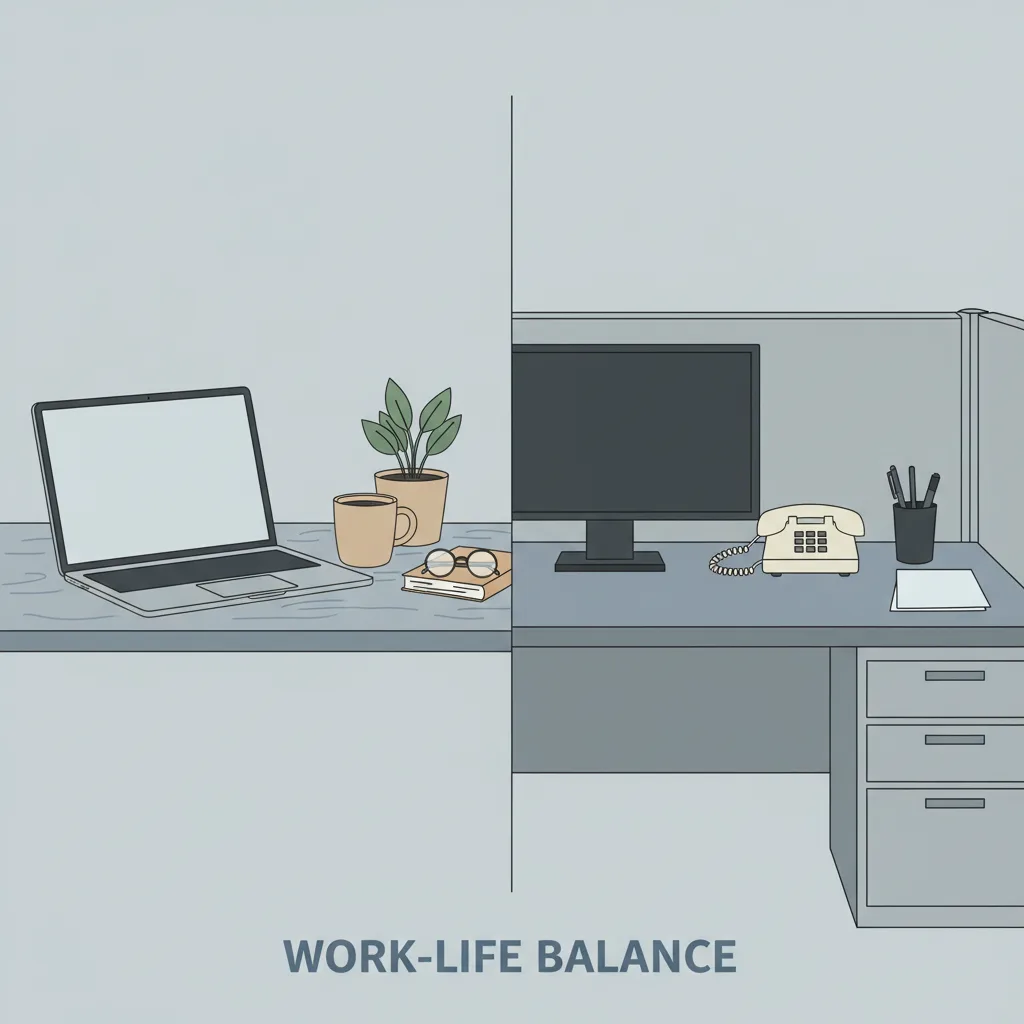
Two desks side by side, one cluttered home office with a laptop, the other a clean corporate cubicle with a monitor.
代替データ — この決断に関する直接的な後悔調査は存在しません。比率は後悔を直接尋ねる質問ではなく、満足度スコアとアクセス障壁のデータから導出されています。以下の注意事項を参照してください。

行動への後悔

フリーランス・業務委託で働く

37%

代理指標(測定された後悔ではない):フリーランサーの37%が、フリーランスが雇用よりもやりがいがあるとは言わない――そう言う63%の補数であり、フリーランスを選んだことへの後悔ではなく相対的なやりがいの判断である

米国および英国のフリーランサー、オンラインパネル

遡及的、固定期間なし

不作為への後悔

正規雇用で働く

28%

代理指標(測定された後悔ではない):米国と英国の現在の被雇用者の28%が、今後5年以内にフリーランスの仕事をする予定である――離脱意向の測定(満足度よりも従来型雇用を後悔していることに近い代理)であって、直接的な後悔率ではない

米国の働く成人(フリーランサー以外)、オンラインパネル

年次追跡、2023年

この選択を後悔した割合

action dominates — 行動が優勢 — 多くは行動したことを後悔しています。

関連する決断

意味的に類似する決断 — 同じ領域、異なるトレードオフ。

career

起業

この選択を後悔した割合

不作為が優勢

不作為の後悔が5.5倍高い

career

給与交渉

この選択を後悔した割合

不作為が優勢

不作為の後悔が1.2倍高い

career

退職

この選択を後悔した割合

不作為が優勢

不作為の後悔が2.2倍高い

career

転職

この選択を後悔した割合

不作為が優勢

不作為の後悔が1.5倍高い

career

大学進学の決断

この選択を後悔した割合

行動が優勢

行動の後悔が1.2倍高い

career

リモート vs オフィス

この選択を後悔した割合

不作為が優勢

不作為の後悔が1.8倍高い

career直接

中退 vs. 学位取得

この選択を後悔した割合

行動が優勢

行動の後悔が1.1倍高い

career直接

昇給を求める

この選択を後悔した割合

不作為が優勢

不作為の後悔が3.0倍高い

Neither side of this entry carries a direct regret measure, so both rates are proxies. On the freelancer (action) side, Remote.com’s global survey finds that 37% of freelancers do not consider independent work more rewarding than traditional employment — the complement of the 63% who do. McKinsey’s 2022 American Opportunity Survey sets a floor under that figure: 26% freelance out of necessity rather than choice, so the true action-side proxy plausibly sits in the 26-37% band. On the employment (inaction) side, the cleanest proxy the same Remote.com survey offers is intent to switch away: 28% of current US-and-UK employees actively plan to start freelancing within five years. Wanting to leave employment for freelancing is a closer stand-in for regretting the employment choice than a general job-dissatisfaction figure, which conflates everyday grievances with career-structure regret. Drawing both headline proxies from one consistent survey also removes the earlier apples-to-oranges pairing of two different vendors’ panels.

Read as proxies, the figures lean slightly toward higher action-side regret (37%) than inaction-side intent-to-leave (28%), but the gap is small and the two constructs are not identical, so the direction is weakly held rather than a clean asymmetry. MBO Partners’ 2024 State of Independence report confirms that full-time independents report higher satisfaction than employees on 12 of 14 dimensions measured (65% of full-time independents say they feel more secure working independently), a real but incremental edge, not the 2:1 ratio previously suggested by misusing Gallup’s engagement metric. The earlier version of this entry used Gallup’s 69% employee disengagement figure as an inaction-regret proxy, which was invalid: not being “engaged” at work (a measure of daily effort and emotional connection to one’s employer) is categorically different from regretting one’s career structure.

The main interpretive hazard is construct mismatch — the revised figures still compare “finding freelancing less rewarding than employment” (action side) with “planning to switch to freelancing” (inaction side), which are related but non-identical sentiments, neither of them a verbatim regret item. Survivor bias flatters the action side: freelancers who failed and re-entered employment vanish from freelancer satisfaction panels. The most honest summary the data supports is that both arrangements leave a sizeable minority looking toward the other, with a slight tilt toward proxy regret on the freelancing side. Neither path is a clearly regret-free choice; the decision depends on individual risk tolerance, income needs, and preference for autonomy versus stability.

出典: 行動

根拠台帳

以下の各数値は各出典が報告した内容であり、引用した原文の抜粋と算出方法を記載しています。リンクをクリックして直接確認できます。

  1. [1] Remote.com — Remote's Global Freelancer Report
    Remote's Global Freelancer Report
    統計値
    63% of freelancers find freelancing more rewarding than being a regular employee; 37% do not
    抜粋
    “"Over two thirds (68%) of freelancers we surveyed said they have had a positive experience overall as a freelancer, and another 63% said they find it more rewarding than being a regular employee." ”
    出典データ
    2023-06-15
    アクセス日
    2026-04-26
    計算過程
    Remote.com surveyed 3,000 business owners, freelancers, and employees in the US and UK. The 37% action-regret proxy is the complement of the 63% who prefer freelancing. This overstates true regret — some of the 37% are indifferent rather than regretful — but it is the closest published figure to a direct preference measure.
  2. [2] McKinsey Global Institute — Freelance, side hustles, and gigs: Many more Americans have become independent workers
    Freelance, side hustles, and gigs: Many more Americans have become independent workers
    統計値
    26% of independent workers do it out of necessity rather than choice, up from 14% in 2016
    抜粋
    “"Just over a quarter of respondents say they do independent work because it's what they have to do to support themselves, which is a large increase over the 14 percent of respondents in 2016 research who said they did independent work out of necessity and as a primary source of income." ”
    出典データ
    2022-08-18
    アクセス日
    2026-04-26
    計算過程
    McKinsey 2022 American Opportunity Survey. The 26% necessity-driven figure is a lower bound on action regret: these workers would prefer traditional employment but lack the option. Corroborates the Remote.com 37% as an upper bound. The true action-regret rate likely falls in the 26-37% range.

出典: 不作為

根拠台帳

以下の各数値は各出典が報告した内容であり、引用した原文の抜粋と算出方法を記載しています。リンクをクリックして直接確認できます。

1/2 件の出典が引用元と一字一句一致することを独立して検証済み

  1. [1] Remote.com — Remote's Global Freelancer Report
    Remote's Global Freelancer Report
    統計値
    Almost three in ten (28%) current employees in the US and UK plan to do freelance work in the next five years
    抜粋
    “"Almost three in ten (28%) current employees in the US and UK plan to do freelance work in the next five years." ”
    出典データ
    2023-06-15
    アクセス日
    2026-04-26
    計算過程
    Remote.com surveyed 3,000 employers, employees, and freelancers in the US and UK during December 2022. The inaction-side proxy uses the directly-reported 28% intent-to-freelance figure: employees who plan to switch away from employment toward freelancing is a closer proxy for regretting the employment choice than general job dissatisfaction, which conflates day-to-day grievances with career-structure regret. This replaces the previous Gallup engagement figure (69%), which measured engagement with one's current employer — not career-structure regret — and produced an artificially large gap. The same Remote.com report supplies the action-side 63%/37% preference split, so both headline proxies come from one consistent US-and-UK survey.
  2. [2] MBO Partners — 2024 State of Independence in America Report 検証済み
    2024 State of Independence in America Report
    統計値
    65% of full-time independents feel more secure working independently; independent workers report higher satisfaction on 12 of 14 dimensions
    抜粋
    “"65% of full-time independents say they feel more secure working independently. Independent workers report higher satisfaction than traditional employees on work-life balance, purpose, autonomy, and overall career satisfaction." ”
    出典データ
    2024-10-01
    アクセス日
    2026-04-26
    検証
    グラウンディング監査の際、抜粋を引用元から独立して再取得し、原文と一字一句一致することを確認しました。
    計算過程
    MBO Partners 15th annual State of Independence study. The higher satisfaction among independents vs employees supports the direction of inaction-side dissatisfaction among traditional workers. Does not provide a direct inaction-regret rate but confirms the satisfaction gap from an independent, longitudinal source.

注意事項

Neither rate is a direct regret measure. The action-side 37% is the complement of freelancers who "find freelancing more rewarding than employment" (Remote.com) — preference for one arrangement is not the same as regretting the other; McKinsey's 26% necessity-driven figure is its empirical floor, so true action regret likely sits in the 26-37% band. The inaction-side rate uses the same Remote.com survey's directly-reported 28% intent-to-freelance figure (US-and-UK employees who plan to switch to freelance work within five years) as a proxy: wanting to leave employment for freelancing is closer to regretting the employment choice than general job dissatisfaction, which conflates everyday grievances with career-structure regret. Using one consistent Remote.com survey for both headline proxies replaces the previous entry's Gallup 69% disengagement rate, which measured engagement with one's current employer — a completely different construct — and produced an artificially large gap. Read as proxies, the figures lean toward higher action-side proxy regret (37%) than inaction-side intent-to-leave (28%), but the difference is small and the constructs differ, so the direction is weakly held. Survivor bias remains an issue: freelancers who failed and returned to employment are absent from freelancer satisfaction surveys, which flatters the action side.

生データ: /api/decisions.json

このデバイスで最近見た項目