







本文へスキップ
Likelier

行動 vs. 不行動の後悔

キャリアを積極的に追求するか、ワークライフバランスを優先するか

行動した場合

仕事に全力で打ち込む

59%

行動しなかった場合

ワークライフバランスを優先する

44%

それぞれの選択を後で後悔した人の割合。バーと完全な記録は下に表示されます。


キャリア

最終確認 2026-04-26

証拠の質 4.13/5

8次元のレビュー評価。基準は 品質ルーブリック 。各次元は1〜5で評価。

D1 出典の検証
4/5
D2 出典の権威性と独立性
4/5
D3 後悔率の正確性
3/5
D4 出典の比較可能性
3/5
D5 ギロヴィッチ・パターン
5/5
D6 文章の質
5/5
D7 注意事項の完全性
5/5
D8 サンプルの質
4/5
平均 4.13/5
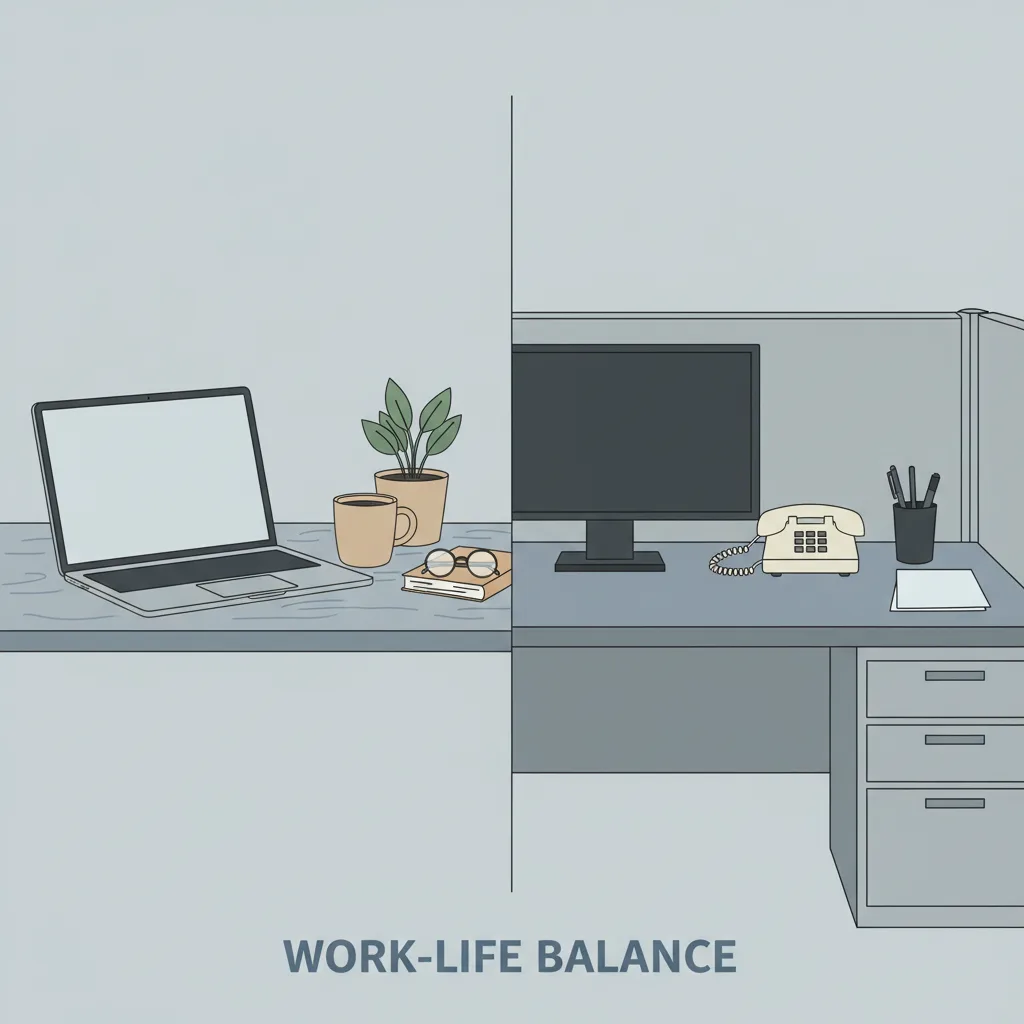
A desk with stacked folders on one side and a small potted plant on the other, separated by a faint line.
代替データ — この決断に関する直接的な後悔調査は存在しません。比率は後悔を直接尋ねる質問ではなく、満足度スコアとアクセス障壁のデータから導出されています。以下の注意事項を参照してください。

行動への後悔

仕事に全力で打ち込む

59%

59%がワーク・ライフ・バランスを優先しなかったことを後悔

米国、英国、フランス、ドイツの労働者

遡及的、固定期間なし

不作為への後悔

ワークライフバランスを優先する

44%

約33%がもっとキャリアリスクを取らなかったことを後悔(プロキシ)

米国、英国、フランス、ドイツの労働者

遡及的、固定期間なし

この選択を後悔した割合

action dominates — 行動が優勢 — 多くは行動したことを後悔しています。

関連する決断

意味的に類似する決断 — 同じ領域、異なるトレードオフ。

career

昇進追求 vs 役割受容

この選択を後悔した割合

不作為が優勢

不作為の後悔が1.9倍高い

career

転職

この選択を後悔した割合

不作為が優勢

不作為の後悔が1.5倍高い

lifestyle

自己成長 vs 惰性

この選択を後悔した割合

不作為が優勢

不作為の後悔が1.5倍高い

career直接

昇給を求める

この選択を後悔した割合

不作為が優勢

不作為の後悔が3.0倍高い

career直接

声を上げる

この選択を後悔した割合

不作為が優勢

不作為の後悔が1.4倍高い

career

リモート vs オフィス

この選択を後悔した割合

不作為が優勢

不作為の後悔が1.8倍高い

lifestyle

海外移住

この選択を後悔した割合

不作為が優勢

不作為の後悔が5.7倍高い

lifestyle

親の助言 vs. 自分の道

この選択を後悔した割合

不作為が優勢

不作為の後悔が3.2倍高い

59% of workers regret not prioritizing work-life balance, according to Resume Now’s International Career Regrets survey of 1,000 workers across four countries. On the other side, 44% — “more than 4 in 10” — regret not trying to make a full career change, the closest career-underinvestment figure the same survey reports. The resulting roughly 1.3:1 ratio favors action-regret — an unusual outcome in the regret literature, where Gilovich and Medvec’s temporal pattern predicts that inaction regrets dominate over the long term. Career overinvestment appears to be one of the rare domains where the pattern inverts, likely because the opportunity costs are uniquely irreversible: you cannot retroactively attend your child’s first steps.

Deloitte’s workplace burnout survey quantifies the mechanism. Seventy-seven percent of professionals report experiencing burnout at their current job, and 83% say it has negatively impacted their personal relationships. The APA’s 2024 Work in America survey corroborates: 45% of workers report working more hours than they want to, and 67% report experiencing at least one burnout-related outcome, such as low energy or lack of motivation, in the past month. The Harvard Study of Adult Development — an 87-year longitudinal study — found that relationship satisfaction at age 50 predicted physical health at 80 more reliably than cholesterol levels. These converging datasets, from different methodologies and timeframes, all point the same direction.

The main caveat is measurement asymmetry. The 59% and 44% figures come from different survey questions, not from a clean forced-choice between career and balance. A respondent could plausibly endorse both regrets simultaneously. The 44% inaction figure (“not making a full career change”) is a proxy for career-underinvestment regret, not a direct measure of regretting a balance-first choice. The Harvard Grant Study tracked an elite, all-male cohort that entered Harvard in the late 1930s — a population with more career optionality than most. The Deloitte burnout figure (77%) measures stress prevalence, not regret. The directional finding (career-overinvestment regret exceeds career-underinvestment regret) is robust across all sources; the precise 1.3:1 ratio is an artifact of combining non-identical survey items and should be treated as indicative, not calibrated.

出典: 行動

根拠台帳

以下の各数値は各出典が報告した内容であり、引用した原文の抜粋と算出方法を記載しています。リンクをクリックして直接確認できます。

2/3 件の出典が引用元と一字一句一致することを独立して検証済み

  1. [1] Resume Now — The Road Not Taken: Greatest Career Regrets Revealed 検証済み
    The Road Not Taken: Greatest Career Regrets Revealed

    See all 8 Likelier entries citing this source →

    統計値
    59% of workers regret not prioritizing work-life balance in their career
    抜粋
    “"Top career regrets include not asking for a pay increase (60%), not prioritizing work-life balance in one's career (59%), staying at a job too long (58%), and not negotiating salary when taking a job (58%). Two-thirds of Gen Z and Millennial workers regret not prioritizing work-life balance." ”
    出典データ
    2024-01-10
    アクセス日
    2026-04-26
    検証
    グラウンディング監査の際、抜粋を引用元から独立して再取得し、原文と一字一句一致することを確認しました。
    計算過程
    Resume Now International Career Regrets survey of 1,000 workers in US, UK, France, and Germany (January 2024). The 59% figure captures respondents who identified not prioritizing work-life balance as a career regret — effectively measuring action-side regret among those who pursued career at the expense of balance.
  2. [2] Deloitte — Workplace Burnout Survey
    Workplace Burnout Survey
    統計値
    77% of workers have experienced burnout at their current job; 91% say unmanageable stress negatively impacts work quality
    抜粋
    “"77% of respondents have experienced employee burnout at their current job, with more than half citing more than one occurrence. 91% of respondents say that having an unmanageable amount of stress or frustration negatively impacts the quality of their work. 83% say burnout from work negatively impacts their personal relationships." ”
    出典データ
    2024-01-15
    アクセス日
    2026-04-26
    計算過程
    Deloitte surveyed 1,000 full-time US professionals. The 77% burnout prevalence and 83% relationship-impact figure provide quantitative support for the career-overinvestment regret mechanism. While burnout is not identical to regret, the 83% who report damaged personal relationships directly parallels the "worked too hard" regret pattern. This replaces the Bronnie Ware qualitative source with quantitative survey data.
  3. [3] American Psychological Association (APA) / The Harris Poll — 2024 Work in America Survey: Psychological Safety in the Changing Workplace 検証済み
    2024 Work in America Survey: Psychological Safety in the Changing Workplace
    統計値
    45% of employed US adults say they have to work more hours per week than they want to; 67% report experiencing at least one outcome often associated with workplace burnout in the past month
    抜粋
    “"More than two in five (45%) employed adults said they have to work more hours per week than they want to. … A majority (67%) of workers reported experiencing, in the last month, at least one outcome often associated with workplace burnout, such as lack of interest, motivation, or low energy, feeling lonely or isolated, and a lack of effort at work." ”
    出典データ
    2024-06-14
    アクセス日
    2026-07-03
    検証
    グラウンディング監査の際、抜粋を引用元から独立して再取得し、原文と一字一句一致することを確認しました。
    計算過程
    APA's Work in America Survey, conducted online by The Harris Poll on behalf of APA among 2,027 employed US adults, fielded March 25 - April 3, 2024, released June 14, 2024. Provides further corroborating quantitative support for the career-overinvestment regret mechanism alongside the Deloitte burnout figures: nearly half of workers are already working more than they want to, and two-thirds report at least one burnout symptom in the past month.

出典: 不作為

根拠台帳

以下の各数値は各出典が報告した内容であり、引用した原文の抜粋と算出方法を記載しています。リンクをクリックして直接確認できます。

  1. [1] Resume Now — The Road Not Taken: Greatest Career Regrets Revealed
    The Road Not Taken: Greatest Career Regrets Revealed

    See all 8 Likelier entries citing this source →

    統計値
    44% regret not making a full career change (more than 4 in 10)
    抜粋
    “"Not making a full career change – 44% … More than 4 in 10 regret not trying to make a career change." ”
    出典データ
    2024-01-10
    アクセス日
    2026-07-10
    計算過程
    Same Resume Now survey (n=1,000). The cited page lists "Not making a full career change – 44%" and narrates it as "More than 4 in 10 regret not trying to make a career change." Used here as a proxy for inaction-side (career-underinvestment) regret: respondents who prioritized stability or balance and later regretted not making a bolder career move. Note this is a distinct multi-select item from the action-side "work-life balance" question, not a forced-choice counterpart (see caveats). The page's own "one-third (34%)" figure refers to those with NO career regrets, so it is not usable as an inaction-regret rate; the prior "over one-third wished they had taken more risks" and "nearly 98 percent" excerpts did not appear on the cited page and were removed.
  2. [2] Harvard Gazette — Over nearly 80 years, Harvard study has been showing how to live a healthy and happy life
    Over nearly 80 years, Harvard study has been showing how to live a healthy and happy life
    統計値
    Relationship quality at age 50 predicted health at 80 better than cholesterol levels
    抜粋
    “"The surprising finding is that our relationships and how happy we are in our relationships has a powerful influence on our health. Close relationships, more than money or fame, are what keep people happy throughout their lives. Those ties protect people from life's discontents, help to delay mental and physical decline, and are better predictors of long and happy lives than social class, IQ, or even genes." ”
    出典データ
    2017-04-11
    アクセス日
    2026-04-26
    計算過程
    Harvard Study of Adult Development (Grant Study), an 87-year longitudinal study of 268 Harvard men begun in 1938, now directed by Robert Waldinger. Qualitative context only — this source does not ground either regret rate. The finding that relationships outperform career success as a predictor of late-life satisfaction and health lends directional support to the interpretation that those who chose balance and invested in relationships report higher life satisfaction in old age.

注意事項

行動と不作為の率は同じ Resume Now 調査からだが、異なる複数選択質問から — 「ワーク・ライフ・バランスを優先しない」(59%)対「もっとキャリアリスクを取らない」(約33%)。これらは明確な二元ではない: 単一の回答者が両方の後悔を同時に支持することができ、多くが実際にそうした可能性が高い。調査はキャリア追求とバランスの間で強制的な選択を提示しなかった。59%の行動後悔の数字は、攻撃的に昇進を追求した人だけでなく、すべてのキャリア集中度レベルの人々を含む可能性が高い。約33%の数字は「3分の1以上」として報告されている — 正確なパーセンテージは公開されていない。Deloitte のバーンアウトデータは機構を定量化する(77%のバーンアウト有病率、83%が損なわれた関係を報告)が、遡及的後悔そのものではなく職場ストレスの結果を測定する。Harvard Grant Study は1938年に開始されたエリートの全男性コホートに従った — 現代の性別・階級混合集団には明確に一般化されない。ここでの行動優位の知見は Gilovich の枠組みでは異常である — そこでは長期的には通常不作為が優位である; しかし、「働きすぎた」後悔は、機会費用(失われた関係、失われた子供時代の節目)が不可逆であるため、行動後悔が老年期まで持続する稀な領域を表す可能性がある。

生データ: /api/decisions.json

このデバイスで最近見た項目