







本文へスキップ
Likelier

行動 vs. 不行動の後悔

リモートワークかオフィス勤務か

行動した場合

リモートで働く

36%

行動しなかった場合

オフィスで働く

63%

それぞれの選択を後で後悔した人の割合。バーと完全な記録は下に表示されます。


キャリア

最終確認 2026-04-26

証拠の質 4.25/5

8次元のレビュー評価。基準は 品質ルーブリック 。各次元は1〜5で評価。

D1 出典の検証
5/5
D2 出典の権威性と独立性
4/5
D3 後悔率の正確性
2/5
D4 出典の比較可能性
5/5
D5 ギロヴィッチ・パターン
5/5
D6 文章の質
5/5
D7 注意事項の完全性
5/5
D8 サンプルの質
3/5
平均 4.25/5
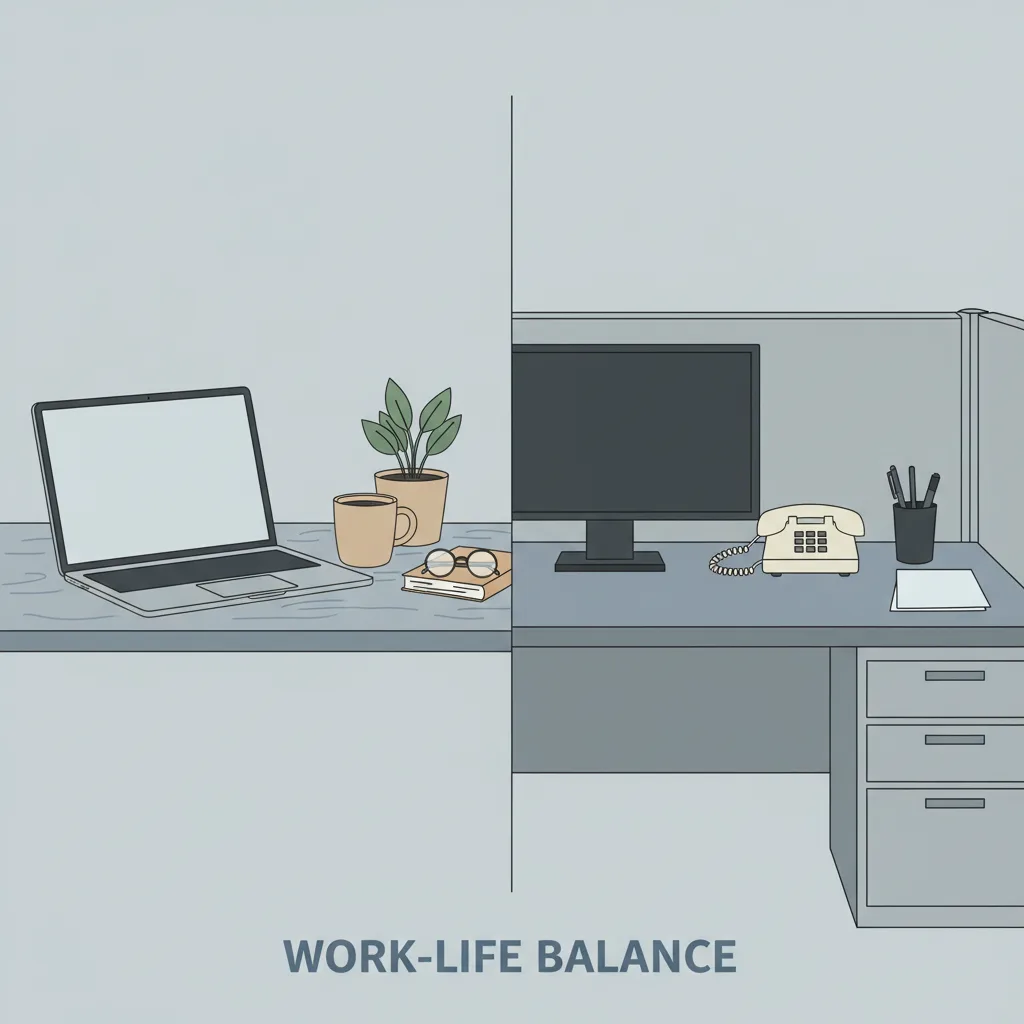
A split view of a home desk with a laptop on the left and a corporate office cubicle on the right, both empty.
代替データ — この決断に関する直接的な後悔調査は存在しません。比率は後悔を直接尋ねる質問ではなく、満足度スコアとアクセス障壁のデータから導出されています。以下の注意事項を参照してください。

行動への後悔

リモートで働く

36%

リモートへの愛着が弱い人は36%以下(Pewの定着プロキシ——直接の後悔調査は存在しない)

少なくとも一部の時間を在宅勤務する米国の労働者(Pew)

遡及的、固定期間なし

不作為への後悔

オフィスで働く

63%

オフィス勤務者の63%はリモートの方を好む(Pewの選好プロキシ——直接の後悔調査は存在しない)

ほとんど、またはまったく在宅勤務しない米国の労働者(Pew)

遡及的、固定期間なし

この選択を後悔した割合

inaction dominates — 不作為が優勢 — 多くは行動しなかったことを後悔しています。

関連する決断

意味的に類似する決断 — 同じ領域、異なるトレードオフ。

career

起業

この選択を後悔した割合

不作為が優勢

不作為の後悔が5.5倍高い

career

転職

この選択を後悔した割合

不作為が優勢

不作為の後悔が1.5倍高い

career

給与交渉

この選択を後悔した割合

不作為が優勢

不作為の後悔が1.2倍高い

career

退職

この選択を後悔した割合

不作為が優勢

不作為の後悔が2.2倍高い

career直接

中退 vs. 学位取得

この選択を後悔した割合

行動が優勢

行動の後悔が1.1倍高い

lifestyle

海外移住

この選択を後悔した割合

不作為が優勢

不作為の後悔が5.7倍高い

career

大学進学の決断

この選択を後悔した割合

行動が優勢

行動の後悔が1.2倍高い

career

キャリア vs バランス

この選択を後悔した割合

行動が優勢

行動の後悔が1.3倍高い

No survey asks workers directly whether they regret going remote or staying in the office, so the cleanest available signal is what people say they would choose if they could. The Pew Research Center’s January 2025 report is lopsided on the office side: 63% of workers who rarely or never work from home say that, given the choice, they would prefer to work from home most or some of the time; within that same office group, 19% would choose to work from home all the time and only 17% would opt to keep rarely or never working remotely. Pew, however, publishes no matching “would prefer the office” figure for people who already work remotely, so the two sides cannot be compared like-for-like. What Pew does show about remote workers is attachment: 46% of current remote workers say they would be unlikely to stay at their job if their employer eliminated work-from-home, and a smaller 36% say they would be likely to stay — the closest thing to a low-regret ceiling on the remote side. The pattern is consistent with Gilovich and Medvec’s long-term inaction-dominance finding — sticking with the office when a flexible alternative exists leaves more people wishing they had chosen otherwise — but the magnitudes on the two sides come from different questions and should be read as directional.

A separate satisfaction survey points the same direction without being a regret measure. The Global Work-Life Survey by Remote, the Future Workforce Alliance, and IE Business School found 65% of remote workers “extremely satisfied” with their jobs versus just 34% of office-based employees. That is a satisfaction gap, not a regret rate: an earlier version of this entry inverted those top-box scores (treating everyone not “extremely satisfied” as regretful), which counted merely “very satisfied” workers as dissatisfied and inflated both numbers. Those inverted figures (35% and 66%) have been dropped.

The main caveat is measurement. “Would prefer the other arrangement” still is not lived regret — someone content in the office who would mildly prefer flexibility counts in the 63%, so the proxy can overstate true regret. The direction is robust across independent surveys; the absolute magnitudes should be read as upper bounds. The often-quoted Envoy figure that “80% of bosses regret return-to-office plans” is excluded here as a worker-level rate: it measures executives’ process regret about how their company handled RTO, a different population and a different construct. The Pew sample is US adults; remote-work norms vary across countries.

出典: 行動

根拠台帳

以下の各数値は各出典が報告した内容であり、引用した原文の抜粋と算出方法を記載しています。リンクをクリックして直接確認できます。

  1. [1] Pew Research Center — Many remote workers say they'd be likely to leave their job if they could no longer work from home
    Many remote workers say they'd be likely to leave their job if they could no longer work from home
    統計値
    46% of current remote workers would be unlikely to stay if remote work were eliminated; a smaller 36% say they'd be likely to stay
    抜粋
    “"46% say that if their employer no longer allowed them to work from home, they would be unlikely to stay at their current job. This includes 26% who say they'd be very unlikely to stay. A smaller share (36%) say they'd be likely to stay at their job, with 20% saying they'd be very likely to do so." ”
    出典データ
    2025-01-13
    アクセス日
    2026-06-30
    計算過程
    Pew Research Center analysis based primarily on 2,315 US working adults, from a larger survey conducted Oct 7-13, 2024. No survey asks remote workers directly whether they regret going remote, and Pew reports NO figure for current remote workers who would prefer the office. (An earlier version of this entry displayed Pew's "17% would opt for rarely or never working from home" as a remote-worker office-preference — but that 17% is drawn from the OFFICE subgroup, workers who rarely/never work from home, so it measured office-worker contentment, not remote-worker regret; it has been removed.) The only correctly-populated remote-side signal Pew provides is the retention question: 46% of current remote workers would be unlikely to stay if WFH ended (strong attachment / low regret), while a smaller 36% say they'd be likely to stay — i.e. would tolerate losing remote work. We use that 36% "likely to stay even if WFH ended" share as a deliberately generous UPPER BOUND on weak attachment to remote (proxy_only). It overstates true regret — someone content remote who would still stay if forced back counts in it — so read it as a ceiling, not a regret rate. We do not derive any figure from a satisfaction score.
  2. [2] Remote / Future Workforce Alliance / IE Business School — Remote workers are happier and healthier than in-office counterparts, survey finds
    Remote workers are happier and healthier than in-office counterparts, survey finds
    統計値
    65% of remote workers reported being 'extremely satisfied' with their jobs, vs 34% of office-based employees (satisfaction, not regret)
    抜粋
    “"65% of remote workers said they were 'extremely satisfied' with their jobs, compared to just 34% of office-based employees. 42% of remote workers rated themselves as '8' or above on a happiness scale out of 10, compared to just 21% of office workers." ”
    出典データ
    2024-06-15
    アクセス日
    2026-04-26
    計算過程
    Remote / Future Workforce Alliance / IE Business School Global Work-Life Survey of 1,000 workers across five continents. Included only as satisfaction context — remote workers report markedly higher job satisfaction than office workers. We do NOT invert the "extremely satisfied" share into a regret rate; non-top-box satisfaction is not regret. The headline action rate comes from the Pew retention proxy above.

出典: 不作為

根拠台帳

以下の各数値は各出典が報告した内容であり、引用した原文の抜粋と算出方法を記載しています。リンクをクリックして直接確認できます。

1/2 件の出典が引用元と一字一句一致することを独立して検証済み

  1. [1] Pew Research Center — Many remote workers say they'd be likely to leave their job if they could no longer work from home 検証済み
    Many remote workers say they'd be likely to leave their job if they could no longer work from home
    統計値
    63% of workers who rarely or never work from home say that, if they could choose, they'd work from home most or some of the time
    抜粋
    “"63% of those who rarely or never work from home now say that, if they could choose, they'd work from home most or some of the time. About one-in-five (19%) say they'd choose to work from home all the time, and 17% say they'd opt for rarely or never working from home." ”
    出典データ
    2025-01-13
    アクセス日
    2026-06-30
    検証
    グラウンディング監査の際、抜粋を引用元から独立して再取得し、原文と一字一句一致することを確認しました。
    計算過程
    Pew Research Center analysis based primarily on 2,315 US working adults, from a larger survey conducted Oct 7-13, 2024. No survey asks office workers directly whether they regret not going remote, so we use the revealed-preference proxy Pew states verbatim: among workers who rarely or never work from home, 63% would prefer to work from home most or some of the time if they could choose, 19% would choose to work from home all the time, and only 17% would opt to keep working rarely or never from home. This is a "would reverse the choice" preference measure within the office subgroup, not a satisfaction inversion.
  2. [2] Remote / Future Workforce Alliance / IE Business School — Remote workers are happier and healthier than in-office counterparts, survey finds
    Remote workers are happier and healthier than in-office counterparts, survey finds
    統計値
    Only 34% of office-based employees reported being 'extremely satisfied' with their jobs, vs 65% of remote workers (satisfaction, not regret)
    抜粋
    “"65% of remote workers said they were 'extremely satisfied' with their jobs, compared to just 34% of office-based employees. 42% of remote workers rated themselves as '8' or above on a happiness scale out of 10, compared to just 21% of office workers." ”
    出典データ
    2024-06-15
    アクセス日
    2026-04-26
    計算過程
    Same Global Work-Life Survey. Office workers report much lower job satisfaction than remote workers (34% vs 65% extremely satisfied). Included only as satisfaction context. We do NOT invert the 34% top-box share into a 66% regret rate — non-top-box satisfaction is not regret. The headline inaction rate comes from the Pew preference proxy above. (The widely cited Envoy figure that "80% of bosses regret return-to-office plans" measures EXECUTIVES' process regret about their company's RTO strategy, not individual office workers regretting in-person work, so it is not used as the worker-level rate here.)

注意事項

Neither rate is a direct regret measure, and the two sides rest on DIFFERENT proxies. No published survey asks "do you regret choosing remote work?" or "do you regret not going remote?". For the office (inaction) side, Pew's January 2025 report gives a clean, correctly- populated preference proxy: 63% of workers who rarely or never work from home would, given a free choice, prefer to work from home most or some of the time. For the remote (action) side, Pew reports NO comparable "would prefer the office" figure for current remote workers; its "17% would opt for rarely or never working from home" is drawn from the OFFICE subgroup, not remote workers, so it does not measure remote-work regret and is not used here. The only correctly-populated remote-side signal is the retention question — 46% of current remote workers would be unlikely to stay if WFH ended (strong attachment / low regret), while a smaller 36% would be likely to stay. We report that 36% as a deliberately generous upper bound on weak attachment to remote work, not as a regret rate; it overstates true regret because someone content remote who would still tolerate a return-to-office counts in it. Because the action-side proxy is a ceiling rather than a like-for-like preference measure, the −0.27 delta between the two sides should be read as directional, not precise. An earlier version of this entry inverted "extremely satisfied" survey percentages into regret rates (35% and 66%); that conflated mild satisfaction with regret and has been removed. The Remote/IE Business School satisfaction survey is retained only as context (remote workers report higher satisfaction than office workers) and was fielded by a company with a commercial interest in remote-work adoption, introducing potential framing and sampling bias. The often-cited Envoy "80% of bosses regret return-to-office plans" figure measures executives' process regret about their company's RTO strategy — a different population and construct — so it is not used as a worker-level office regret rate. The Pew data is US adults; cross-national remote-work norms differ.

生データ: /api/decisions.json

このデバイスで最近見た項目