





本文へスキップ
Likelier

行動 vs. 不行動の後悔

電気自動車に乗り換えるか、ガソリン車を維持するか

行動した場合

電気自動車に乗り換える

46%

行動しなかった場合

ガソリン車に乗り続ける

16%

それぞれの選択を後で後悔した人の割合。バーと完全な記録は下に表示されます。


ライフスタイル

最終確認 2026-04-26

証拠の質 4.25/5

8次元のレビュー評価。基準は 品質ルーブリック 。各次元は1〜5で評価。

D1 出典の検証
5/5
D2 出典の権威性と独立性
4/5
D3 後悔率の正確性
2/5
D4 出典の比較可能性
3/5
D5 ギロヴィッチ・パターン
5/5
D6 文章の質
5/5
D7 注意事項の完全性
5/5
D8 サンプルの質
5/5
平均 4.25/5
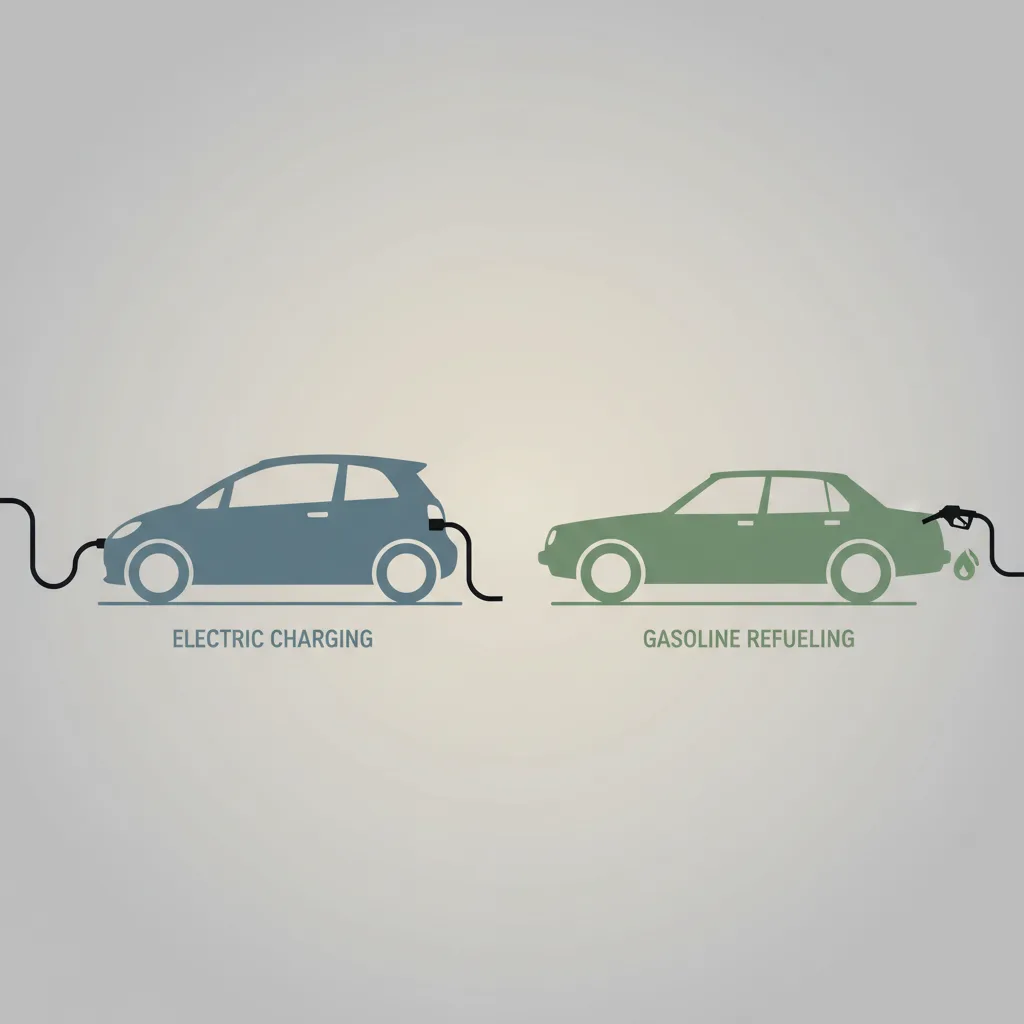
Two car silhouettes side by side, one with an electric plug, the other with a gas pump nozzle.

行動への後悔

電気自動車に乗り換える

46%

米国EVオーナーの46%がガソリン車に戻りたいと考えている(意向代理指標)

米国EVオーナー、オンラインパネル

遡及的、固定期間なし

不作為への後悔

ガソリン車に乗り続ける

16%

米国成人の16%が次にEVを購入する可能性が高い(意向代理指標)

米国成人、確率ベースパネル

遡及的、固定期間なし

この選択を後悔した割合

action dominates — 行動が優勢 — 多くは行動したことを後悔しています。

関連する決断

意味的に類似する決断 — 同じ領域、異なるトレードオフ。

金融

自宅リフォーム

この選択を後悔した割合

行動が優勢

行動の後悔が2.3倍高い

lifestyle

菜食主義

この選択を後悔した割合

行動が優勢

行動の後悔が3.8倍高い

金融

仮想通貨 vs. 伝統的投資

この選択を後悔した割合

行動が優勢

行動の後悔が2.9倍高い

lifestyle

旅行費

この選択を後悔した割合

不作為が優勢

不作為の後悔が11.8倍高い

金融直接

適正サイズ vs. 大きめ

この選択を後悔した割合

行動が優勢

行動の後悔が1.6倍高い

金融直接

住宅購入

この選択を後悔した割合

不作為が優勢

不作為の後悔が5.6倍高い

lifestyle

ペットを手放すか飼い続けるか

この選択を後悔した割合

不作為が優勢

不作為の後悔が5.7倍高い

金融

車の価格交渉

この選択を後悔した割合

不作為が優勢

不作為の後悔が1.6倍高い

Nearly 46% of American EV owners say they are “very likely” to switch back to a gas-powered vehicle, according to McKinsey’s 2024 Mobility Consumer Pulse survey of over 4,000 US respondents. The top complaints are predictable infrastructure gripes: inadequate public charging (35%), high total ownership costs (34%), and the logistical headache of planning long trips (32%). On the other side, only 16% of US adults say they are likely to buy an EV as their next car, per AAA’s 2025 survey — a figure that has been falling, not rising. Both figures are intent proxies, not direct regret measures, which makes the 30-point delta less certain than it appears.

The McKinsey number deserves heavy caveats. InsideEVs and other analysts noted that the survey’s “switch back” framing may capture people who want to add a gas car to their household fleet, not necessarily abandon electric entirely. The respondent pool skewed toward newer, non-Tesla owners — people who bought affordable EVs on lease deals but lack home charging and rely on patchy public networks. J.D. Power’s competing 2025 EVX study found that only 12% of EV owners would consider an ICE replacement — implying action regret closer to 4–12%, not 46%. The 2026 J.D. Power study raised BEV repurchase intent to 96%, leaving only about 4% who would not consider another EV. The gulf between 46% wanting to “switch back” and the 4-12% who won’t consider another EV or lean toward ICE suggests the McKinsey question is measuring something broader than pure regret.

The asymmetry may also be transient. Early adoption of any technology produces higher buyer’s remorse because infrastructure, pricing, and product quality are still maturing. Gas cars benefit from a century of sunk-cost infrastructure that makes inaction nearly frictionless. If charging networks densify and battery costs continue falling, the action- regret rate will likely compress. For now, the data says what it says: most gas-car owners feel no pull toward EVs, and a large minority of EV owners express interest in returning to gas — though whether that constitutes regret or merely flexibility remains genuinely unclear.

出典: 行動

根拠台帳

以下の各数値は各出典が報告した内容であり、引用した原文の抜粋と算出方法を記載しています。リンクをクリックして直接確認できます。

1/3 件の出典が引用元と一字一句一致することを独立して検証済み

  1. [1] McKinsey & Company — New twists in the electric-vehicle transition: A consumer perspective
    New twists in the electric-vehicle transition: A consumer perspective
    統計値
    46% of US EV owners said they were 'very likely' to switch back to a gas-powered vehicle for their next purchase
    抜粋
    “"Forty-six percent of battery electric vehicle owners in the United States said they were 'very likely' to switch back to owning an internal-combustion-engine vehicle for their next purchase. Thirty-five percent cited inadequate public charging infrastructure, 34% said total costs were too high, and 32% said long-trip planning was too difficult." ”
    出典データ
    2024-06-18
    アクセス日
    2026-04-26
    計算過程
    McKinsey Mobility Consumer Pulse, February 2024. Surveyed 36,954 mobility users across nine countries; US subsample N = 4,112. The 46% figure reflects those selecting "very likely" to switch back to ICE. This measures switching intent, not regret directly — some respondents may want to add a gas car while keeping their EV, not abandon electric entirely.
  2. [2] InsideEVs — Are Half Of EV Owners Really 'Switching Back' To Gas? It's Complicated.
    Are Half Of EV Owners Really 'Switching Back' To Gas? It's Complicated.
    統計値
    The 46% figure includes new EV owners who lack home charging, bought non-Tesla EVs with weaker charging networks, and may be considering adding a gas car rather than fully abandoning EVs
    抜粋
    “"Those new owners surveyed are increasingly moving away from the profile that long-defined EV life: upper-income or wealthy, probably a single-family homeowner and probably buying a Tesla. Instead, they're buying from other brands at more affordable prices, often enticed by aggressive leasing and financing deals for EVs. But that also means that they're living without Tesla's robust and reliable fast-charging network; may live in apartments without easy access to charging; and are less willing to put up with the kinds of EV-related headaches that many early adopters took in stride." ”
    出典データ
    2024-06-25
    アクセス日
    2026-04-26
    計算過程
    InsideEVs contextual analysis. Notes that "switch back" may include adding a gas vehicle to the household fleet rather than pure abandonment. The McKinsey methodology was not fully disclosed, and the question wording may conflate fleet diversification with outright regret.
  3. [3] J.D. Power — 2025 U.S. Electric Vehicle Experience (EVX) Ownership Study 検証済み
    2025 U.S. Electric Vehicle Experience (EVX) Ownership Study
    統計値
    94% of BEV owners are likely to consider purchasing another BEV; only 12% likely to consider replacing EV with ICE
    抜粋
    “"94% of pure EV (BEV) owners are likely to consider purchasing another BEV for their next vehicle. Only 12% of BEV owners are likely to consider replacing their EV with an internal combustion engine-powered vehicle during their next purchase." ”
    出典データ
    2025-03-12
    アクセス日
    2026-04-26
    検証
    グラウンディング監査の際、抜粋を引用元から独立して再取得し、原文と一字一句一致することを確認しました。
    計算過程
    J.D. Power 2025 EVX Ownership Study provides a contradicting data point. The 12% ICE-switch rate vs McKinsey's 46% likely reflects differences in question wording, sample composition, and what "switch back" means. J.D. Power's 2026 study raised BEV repurchase intent to 96%. The true action-regret rate likely falls between 12% and 46% depending on how strictly one defines "regret."

出典: 不作為

根拠台帳

以下の各数値は各出典が報告した内容であり、引用した原文の抜粋と算出方法を記載しています。リンクをクリックして直接確認できます。

2/2 件の出典が引用元と一字一句一致することを独立して検証済み

  1. [1] AAA — AAA: Americans Slow to Adopt Electric Vehicles 検証済み
    AAA: Americans Slow to Adopt Electric Vehicles
    統計値
    Only 16% of US adults said they were 'very likely' or 'likely' to purchase an EV as their next vehicle; 63% said they were 'unlikely' or 'very unlikely'
    抜粋
    “"Only 16% of U.S. adults report being 'very likely' or 'likely' to purchase a fully electric vehicle (EV) as their next car. The percentage of consumers indicating they would be 'unlikely' or 'very unlikely' to purchase an EV rose to 63%, the highest since 2022." ”
    出典データ
    2025-06-12
    アクセス日
    2026-04-26
    検証
    グラウンディング監査の際、抜粋を引用元から独立して再取得し、原文と一字一句一致することを確認しました。
    計算過程
    AAA survey conducted March 6-10, 2025, probability-based panel representative of US households, N = 1,128. The 16% "likely to buy EV" figure is an upper-bound proxy for inaction regret among gas-car keepers — it captures aspiration toward switching, not regret per se. The true inaction-regret rate is likely lower because stated purchase intent overstates actual switching behavior.
  2. [2] Gallup — EV Ownership Ticks Up, but Fewer Nonowners Want to Buy One 検証済み
    EV Ownership Ticks Up, but Fewer Nonowners Want to Buy One
    統計値
    Only 44% of US adults say they are 'seriously considering or might consider' buying an EV, down from 55% in 2023; 48% say they do not intend to buy one
    抜粋
    “"Less than half of adults, 44%, now say they are either seriously considering or might consider buying an EV in the future, down from 55% in 2023, while the proportion not intending to buy one has increased from 41% to 48%. Sixty-one percent of lower-income Americans say they would not buy an EV, up 18 percentage points from 43% in 2023." ”
    出典データ
    2024-04-08
    アクセス日
    2026-04-26
    検証
    グラウンディング監査の際、抜粋を引用元から独立して再取得し、原文と一字一句一致することを確認しました。
    計算過程
    Gallup annual tracking poll. The declining EV interest corroborates the AAA finding that most gas-car owners are content with their choice. Among non-owners, interest has fallen 7 points year-over-year, suggesting inaction regret is not intensifying.

注意事項

PROXY WARNING: Neither rate is a direct regret measurement. The McKinsey 46% captures stated intent to "switch back," which conflates outright regret with fleet diversification — some respondents may simply want to add a gas car while keeping their EV. The AAA 16% captures purchase likelihood, not regret; most gas-car owners who are content simply never think about EVs at all. Competing surveys sharply contradict the McKinsey figure: J.D. Power's 2025 EVX study found 94% of EV owners would consider buying another EV (only 12% considering ICE switch), and their 2026 study raised that to 96%. The discrepancy likely stems from question wording, sample composition (McKinsey's panel included many first-time, non-Tesla owners without home charging), and whether "switch back" means "abandon EVs entirely" or "add a gas car." The action-dominance finding is unusual in the Gilovich literature and may reflect a transitional technology moment rather than a stable long-term regret pattern. Both figures should be read as intent proxies, not direct regret measures. Survey data are drawn exclusively from United States samples; satisfaction and regret rates in countries with different institutional structures — consumer norms, charging infrastructure build-out, fuel taxes, and EV incentive structures — may differ substantially.

生データ: /api/decisions.json

このデバイスで最近見た項目