





本文へスキップ
Likelier

行動 vs. 不行動の後悔

ペットを飼い続ける vs. 新しい家に引き渡す

行動した場合

ペットを飼い続ける

15%

行動しなかった場合

ペットを手放す

86%

それぞれの選択を後で後悔した人の割合。バーと完全な記録は下に表示されます。


ライフスタイル

最終確認 2026-05-02

証拠の質 4.13/5

8次元のレビュー評価。基準は 品質ルーブリック 。各次元は1〜5で評価。

D1 出典の検証
5/5
D2 出典の権威性と独立性
3/5
D3 後悔率の正確性
3/5
D4 出典の比較可能性
3/5
D5 ギロヴィッチ・パターン
5/5
D6 文章の質
5/5
D7 注意事項の完全性
5/5
D8 サンプルの質
4/5
平均 4.13/5
Two quiet corners of a home: one with a pet bed and water bowl, one empty.

行動への後悔

ペットを飼い続ける

15%

英国のペット飼育者の15%がペットを飼ったことを後悔した経験あり(RSPCA 2024)

ペットを飼う英国成人、全国代表

遡及的、2024年3-4月調査

不作為への後悔

ペットを手放す

86%

過去3年以内にペットを手放した人の86%が、そうしなくて済めばと希望(HASS 2023/2024)

過去3年以内にペットを手放した米国成人、9つの米国コミュニティ調査

遡及的、3年想起ウィンドウ、2023/2024年調査

この選択を後悔した割合

inaction dominates — 不作為が優勢 — 多くは行動しなかったことを後悔しています。

関連する決断

意味的に類似する決断 — 同じ領域、異なるトレードオフ。

lifestyle

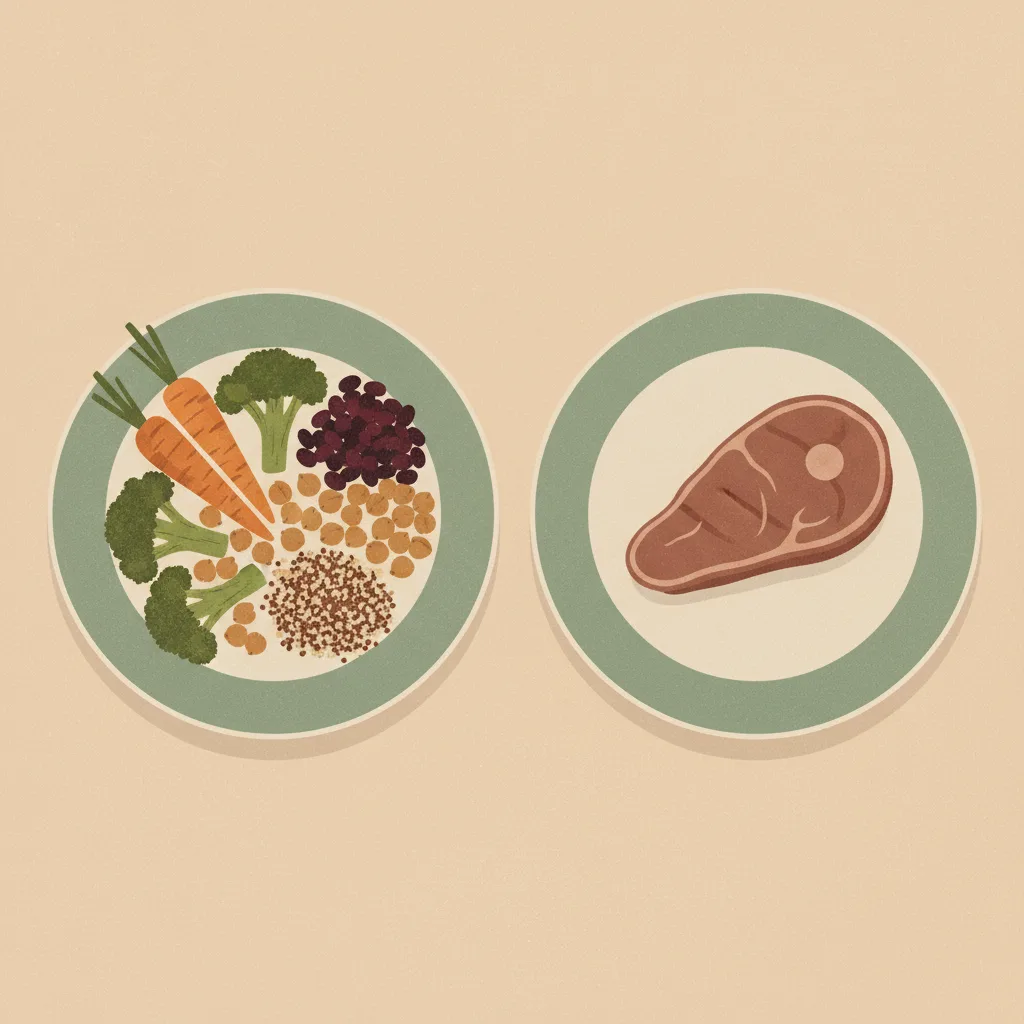
菜食主義

この選択を後悔した割合

行動が優勢

行動の後悔が3.8倍高い

lifestyle

地元を離れる

この選択を後悔した割合

不作為が優勢

不作為の後悔が1.5倍高い

lifestyle

宗教を離れる

この選択を後悔した割合

不作為が優勢

不作為の後悔が2.9倍高い

lifestyle

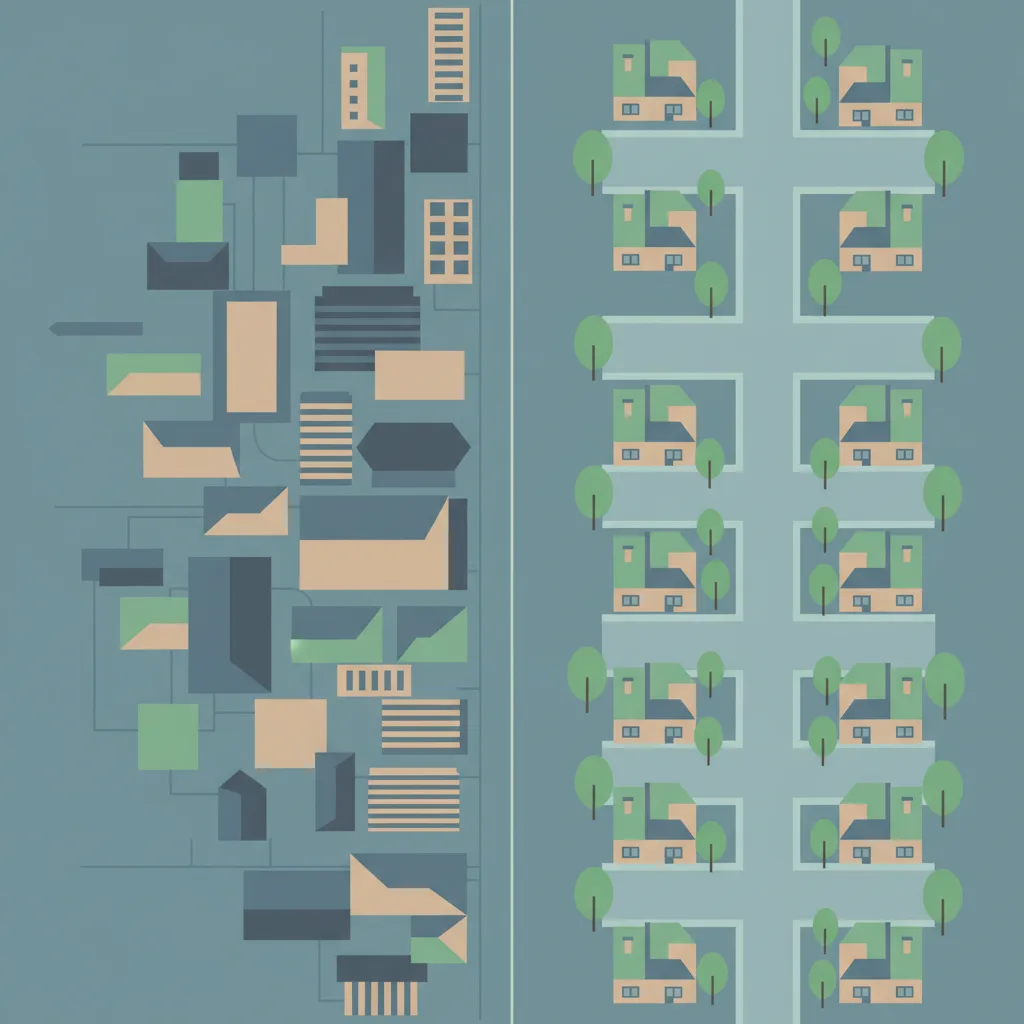
都市 vs 郊外

この選択を後悔した割合

行動が優勢

行動の後悔が1.2倍高い

lifestyle

海外移住

この選択を後悔した割合

不作為が優勢

不作為の後悔が5.7倍高い

family

養子縁組 vs. 自ら育てる

この選択を後悔した割合

行動が優勢

行動の後悔が4.8倍高い

lifestyle

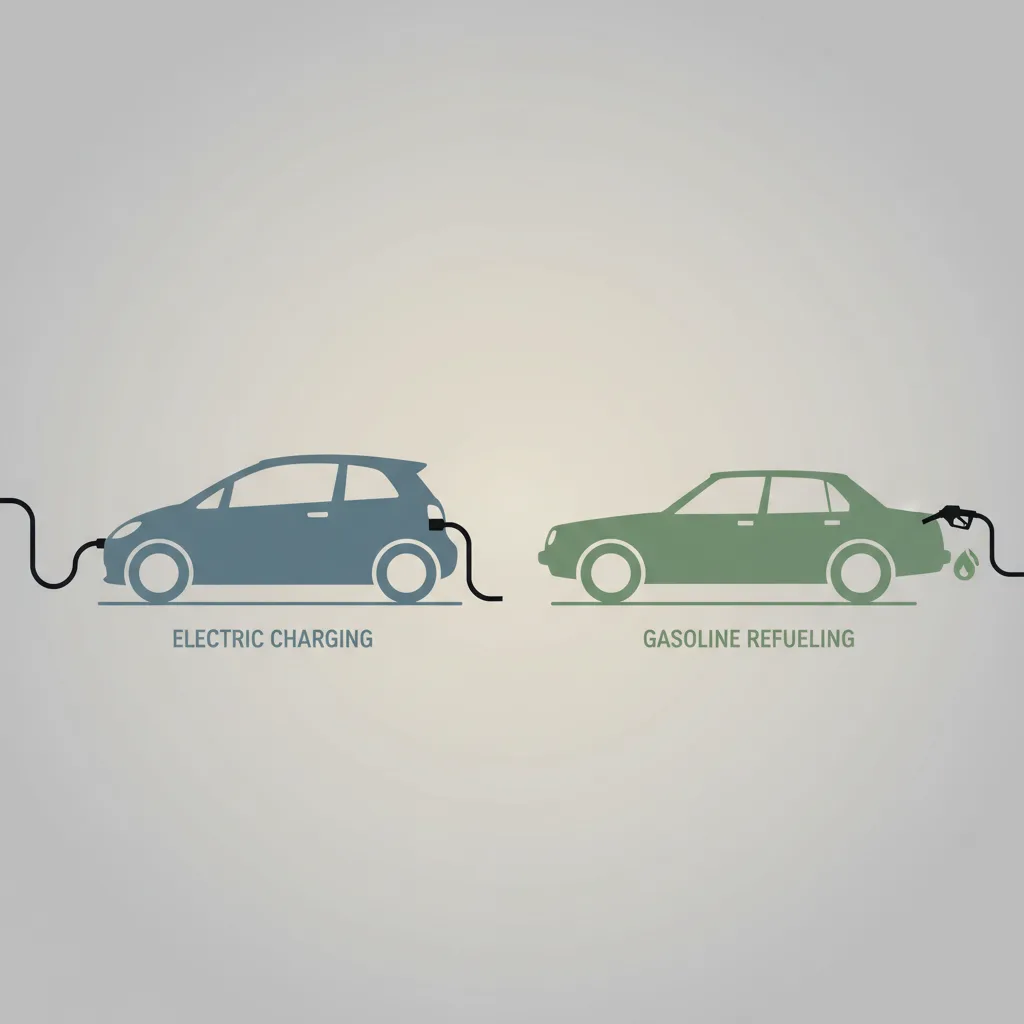
EV vs ガソリン車

この選択を後悔した割合

行動が優勢

行動の後悔が2.9倍高い

lifestyle

友情を保つ vs. 疎遠になる

この選択を後悔した割合

不作為が優勢

不作為の後悔が5.9倍高い

Among UK pet owners who kept their animals, 15% say they have regretted owning a pet at some time (RSPCA/YouGov 2024, n=6,053). Among US residents who surrendered a pet within the past three years, 86% wished they had not had to (HASS Community Values Survey 2023/2024, n=2,500). The 71-percentage-point gap is one of the largest bilateral asymmetries in this dataset and points strongly toward the inaction side: people who gave up their pets regret it far more often than people who kept them.

The psychology here tracks the exit-cost structure of pet ownership. Relinquishment carries substantial disenfranchised grief — the loss is often treated as less legitimate than human bereavement, which suppresses social support and amplifies regret. Many surrenders are coerced rather than chosen: the HASS survey’s own context notes that housing loss, financial hardship, and health emergencies are common drivers of relinquishment. A person who surrendered a dog because a landlord prohibited pets did not make a free preference reversal; the 86% “wished they didn’t have to” rate captures this entire population, including those for whom no better option existed. The action-side psychology runs differently: pet regret among owners is largely front-loaded with information that was available before acquisition — cost, time demands, behavioural issues — and coexists with high attachment (HABRI 2022: 92% of pet owners globally say there is no reason they would ever be convinced to give up their pet). Regret and continued attachment are not mutually exclusive.

Three caveats shape how this entry should be read. First, the two surveys are not methodologically symmetric: RSPCA asks UK owners about lifetime regret, HASS asks US surrenderers about regret within a 3-year window from a community services survey. Both biases (RSPCA under-reporting due to reputational framing, HASS over-reporting due to self-selection of engaged community respondents) work in the same direction — compressing the gap — yet the gap remains 71 points. Second, species heterogeneity matters: dog ownership generates the highest regret profile given time, space, and cost demands; cat and small-animal regret rates are lower and rarely appear in survey literature. Third, the rise from 13% (2023) to 15% (2024) coincides with a period of above-inflation pet-care cost increases — 81% of RSPCA/YouGov respondents reported higher costs in 2023, up from 68% in 2022 — so the current 15% may normalise downward if those cost pressures ease, though no RSPCA wave prior to 2023 published a directly comparable regret figure to confirm a longer-run baseline.

出典: 行動

根拠台帳

以下の各数値は各出典が報告した内容であり、引用した原文の抜粋と算出方法を記載しています。リンクをクリックして直接確認できます。

3/3 件の出典が引用元と一字一句一致することを独立して検証済み

  1. [1] RSPCA / YouGov — Animal Kindness Index 2024 検証済み
    Animal Kindness Index 2024
    統計値
    15% of UK pet owners (1 in 7) say they have regretted owning a pet at some time, up from 13% (1 in 8) in 2023
    抜粋
    “"Financial concerns are fuelling an increase in the proportion of pet owners who regret having a pet — with one in seven (15%) regretting having a pet in 2024, compared to one in eight (13%) in 2023. This is equivalent to 2.6 million pets whose owners have experienced regret." ”
    出典データ
    2024-06-01
    アクセス日
    2026-05-01
    検証
    グラウンディング監査の際、抜粋を引用元から独立して再取得し、原文と一字一句一致することを確認しました。
    計算過程
    RSPCA Animal Kindness Index 2024, conducted by YouGov online among 6,053 UK adults between 27 March and 10 April 2024. Results weighted to be representative of the UK adult population aged 16+. The 15% figure is a direct retrospective regret measure ("have you ever regretted owning a pet"). Used directly as the action-side rate.
  2. [2] RSPCA / YouGov — Animal Kindness Index 2023 — Pet Owners 検証済み
    Animal Kindness Index 2023 — Pet Owners
    統計値
    13% of UK pet owners (1 in 8) say they have regretted owning a pet; reasons include behavioural issues (28%), cost (25%), circumstances changing (18%), and insufficient time (15%)
    抜粋
    “"One in eight pet owners (13%) say they have regretted owning a pet at some time. The cost of looking after pets has risen faster than inflation, which is around 8%, with significant price increases across pet care products. 81% of respondents say it's more expensive to look after their pets, compared to 68% in 2022." ”
    出典データ
    2023-06-01
    アクセス日
    2026-05-01
    検証
    グラウンディング監査の際、抜粋を引用元から独立して再取得し、原文と一字一句一致することを確認しました。
    計算過程
    RSPCA Animal Kindness Index 2023, also conducted by YouGov. The 13% figure from 2023 corroborates the 2024 figure (15%) and establishes a rising trend driven by cost inflation. Used as corroborating source; primary action-side rate is from the 2024 wave.
  3. [3] Human Animal Bond Research Institute (HABRI) / Zoetis — New Research Confirms the Strong Bond Between People and Pets is a Global Phenomenon, 95% Worldwide Say Pets Are Family 検証済み
    New Research Confirms the Strong Bond Between People and Pets is a Global Phenomenon, 95% Worldwide Say Pets Are Family
    統計値
    92% of pet owners globally say there is no reason they would ever be convinced to give up their pet
    抜粋
    “"92% say there's no reason they would ever be convinced to give up their pet." ”
    出典データ
    2022-01-16
    アクセス日
    2026-07-03
    検証
    グラウンディング監査の際、抜粋を引用元から独立して再取得し、原文と一字一句一致することを確認しました。
    計算過程
    HABRI/Zoetis International Human-Animal Bond Survey, n=16,140 pet owners (plus 1,207 veterinarians) across eight countries (US, UK, France, Germany, Spain, Brazil, Japan, China), fielded 2021 and released January 16, 2022. Cited in body prose as corroborating evidence that pet-ownership regret coexists with high attachment; not used in the primary action-side regret-rate arithmetic, which remains the RSPCA/YouGov 15% figure above.

出典: 不作為

根拠台帳

以下の各数値は各出典が報告した内容であり、引用した原文の抜粋と算出方法を記載しています。リンクをクリックして直接確認できます。

  1. [1] Human Animal Support Services (HASS) — HASS Community Values Survey Results
    HASS Community Values Survey Results
    統計値
    86% of people who had relinquished a pet in the past three years wished they did not have to
    抜粋
    “"86% of people who had relinquished a pet in the past three years wished they did not have to." ”
    出典データ
    2024-02-01
    アクセス日
    2026-05-02
    計算過程
    HASS Community Values Survey, n=2,500 respondents across nine US communities, conducted by professional survey firm. The 86% figure measures constrained regret: respondents who had actually surrendered a pet and wished the circumstances had not required it. This captures both pure preference reversal ("I regret giving up my pet") and coerced regret ("circumstances forced my hand but I wish they hadn't"). The distinction matters: a meaningful share of surrenders result from housing loss, financial crisis, or health emergencies — situations where the relinquisher knew at the time there was no better option yet still experienced regret. Used directly as the inaction-side rate. The wording "wished they did not have to" is the most direct available proxy for post-relinquishment regret; no large study asks the cleaner question "do you regret giving up your pet?" as a standalone item.

注意事項

The action and inaction measures are drawn from different countries (UK and US), different instruments (RSPCA/YouGov vs. HASS community survey), and different question framings. The action-side question ("have you ever regretted owning a pet?") is a lifetime retrospective; the inaction-side question ("wished they did not have to" relinquish) has a 3-year recall window and conflates genuine preference reversal with coerced regret — many surrenders are forced by housing loss, financial hardship, or illness, so the 86% includes people who felt the surrender was necessary but still painful, not only those who believe it was the wrong decision. The true rate of voluntary-circumstance regret is likely lower than 86% but remains substantially higher than 15%. The 71-percentage-point gap is large enough that neither country-level noise nor question-framing differences are plausible explanations for the full asymmetry; the directional finding is robust. Self-selection is the largest confounder on the inaction side: people who surrendered a beloved pet are overrepresented in a survey about animal services; those who relinquished indifferently may underparticipate. The RSPCA commissioner note: regret is an unflattering finding for an animal welfare organisation, so under-reporting in their survey is a plausible bias direction. Species matters: dog regret is highest (time, cost, space demands); cat and small-animal regret is lower. Post-pandemic cost inflation coincides with the rising regret rate -- 81% of RSPCA/YouGov respondents said pet care had become more expensive in 2023, up from 68% in 2022 -- so the 15% may normalise downward if cost pressures ease, though no RSPCA wave prior to 2023 published a directly comparable regret figure to confirm a longer-run baseline. This entry applies to the decision to rehome an existing pet; it does not directly address the decision to acquire a pet in the first place.

生データ: /api/decisions.json

このデバイスで最近見た項目