







本文へスキップ
Likelier

行動 vs. 不行動の後悔

都市に住むか、郊外に住むか

行動した場合

都市部に住む

43%

行動しなかった場合

郊外に住む

35%

それぞれの選択を後で後悔した人の割合。バーと完全な記録は下に表示されます。


ライフスタイル

最終確認 2026-04-26

証拠の質 4.25/5

8次元のレビュー評価。基準は 品質ルーブリック 。各次元は1〜5で評価。

D1 出典の検証
5/5
D2 出典の権威性と独立性
4/5
D3 後悔率の正確性
2/5
D4 出典の比較可能性
5/5
D5 ギロヴィッチ・パターン
4/5
D6 文章の質
5/5
D7 注意事項の完全性
4/5
D8 サンプルの質
5/5
平均 4.25/5
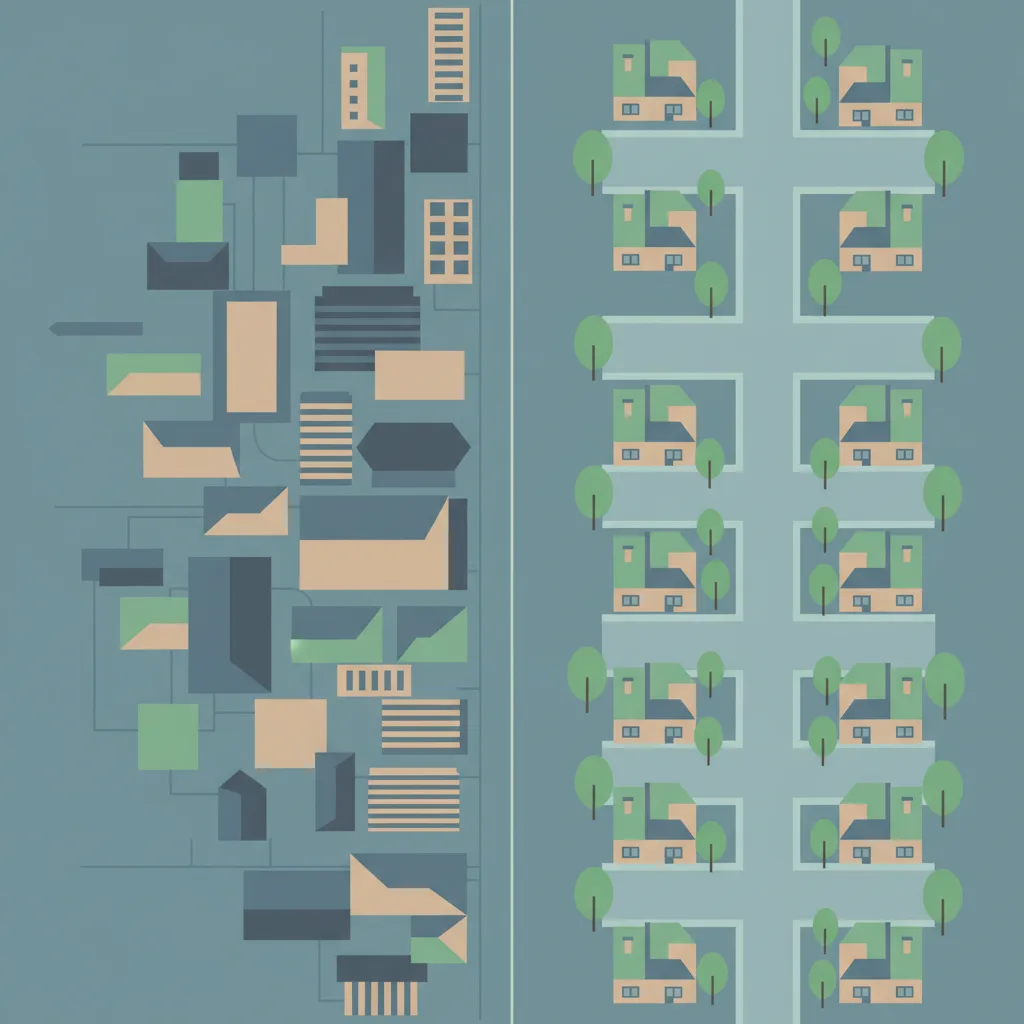
A city skyline and a quiet suburban street separated by a thin vertical line.

行動への後悔

都市部に住む

43%

都市居住者の43%が、可能ならほかの場所へ引っ越すと答えている(移転願望の代理指標であり、回顧的後悔ではない——caveatsを参照)

大都市に住む米国成人

遡及的、固定期間なし

不作為への後悔

郊外に住む

35%

郊外居住者の35%が、可能ならほかの場所へ引っ越すと答えている(移転願望の代理指標であり、回顧的後悔ではない——caveatsを参照)

大都市の郊外に住む米国成人

遡及的、固定期間なし

この選択を後悔した割合

action dominates — 行動が優勢 — 多くは行動したことを後悔しています。

関連する決断

意味的に類似する決断 — 同じ領域、異なるトレードオフ。

lifestyle

地元を離れる

この選択を後悔した割合

不作為が優勢

不作為の後悔が1.5倍高い

lifestyle

海外移住

この選択を後悔した割合

不作為が優勢

不作為の後悔が5.7倍高い

lifestyle

変化を受け入れる

この選択を後悔した割合

不作為が優勢

不作為の後悔が3.3倍高い

lifestyle

タトゥー

この選択を後悔した割合

行動が優勢

行動の後悔が1.6倍高い

lifestyle

宗教を離れる

この選択を後悔した割合

不作為が優勢

不作為の後悔が2.9倍高い

lifestyle

ペットを手放すか飼い続けるか

この選択を後悔した割合

不作為が優勢

不作為の後悔が5.7倍高い

lifestyle直接

ベトナム:都市移住 vs. 農村に留まる

この選択を後悔した割合

行動が優勢

行動の後悔が2.1倍高い

lifestyle

先延ばし

この選択を後悔した割合

不作為が優勢

不作為の後悔が4.7倍高い

Pew Research found in late 2021 that 43% of urban residents would move to a different community if they could, compared with 35% of suburban residents — an 8-point gap that puts city living on the action-regret side of the ledger. The gap is real but narrow, and it widened during the pandemic: between 2018 and 2021, the share of Americans preferring suburbs climbed from 42% to 46%, while urban preference dropped from 23% to 19%. Separately, Home Bay’s 2023 survey of 1,000 recent movers found that 75% expressed some regret about their move regardless of direction, suggesting that relocation itself — not the destination — is the primary regret generator.

The asymmetry here is unusually weak compared to most regret-pair entries in this dataset. Gilovich and Medvec’s temporal framework predicts that inaction regret dominates over time, yet the city-vs-suburb question resists that pattern: choosing the city (action) produces slightly more dissatisfaction than staying in the suburbs (inaction). One explanation is that urban living imposes daily friction — cost, noise, space constraints — that keeps action regret salient rather than allowing it to fade. Another is that suburbs are not really an “inaction” in any meaningful sense; both choices are active, and framing suburbs as the default is itself a cultural artifact of post-war American planning.

The main caveat is measurement. Pew asked about desire to leave, not about regret for a past choice. A 25-year-old renting in Brooklyn who wants to leave may be responding to rent pressure, not regretting a life decision. The 75% Home Bay figure is similarly blunt — it includes people who regret their moving company, their timing, or their square footage, not the city-vs-suburb axis specifically. The directional finding (city dwellers are modestly more dissatisfied than suburbanites) is consistent across multiple surveys, but the 8-point gap should be read as a signal of mild asymmetry, not a strong verdict.

出典: 行動

根拠台帳

以下の各数値は各出典が報告した内容であり、引用した原文の抜粋と算出方法を記載しています。リンクをクリックして直接確認できます。

1/2 件の出典が引用元と一字一句一致することを独立して検証済み

  1. [1] Pew Research Center — Americans Are Less Likely Than Before COVID-19 To Want To Live in Cities 検証済み
    Americans Are Less Likely Than Before COVID-19 To Want To Live in Cities
    統計値
    43% of urban dwellers say they would like to move (forward-looking move-desire, not retrospective regret)
    抜粋
    “"Some 43% of urban dwellers say they would like to move, compared with 35% in suburbs and an even smaller share of those in rural areas (25%)." ”
    出典データ
    2021-12-16
    アクセス日
    2026-04-26
    検証
    グラウンディング監査の際、抜粋を引用元から独立して再取得し、原文と一字一句一致することを確認しました。
    計算過程
    Pew Research Center survey of 9,676 US adults conducted Oct 18–Nov 1, 2021. The 43% figure refers to urban residents who express a desire to move to a different community. We treat this as a proxy for city-living regret: the question captures dissatisfaction intense enough to motivate relocation intent.
  2. [2] CNBC — 75% of Americans who moved last year have regrets—here's the No. 1 reason why
    75% of Americans who moved last year have regrets—here's the No. 1 reason why
    統計値
    75% of Americans who moved in 2022 have regrets about their move
    抜粋
    “"Three out of four Americans (75%) say they had regrets about relocating last year... The number one regret was a tie between not moving to a bigger place and missing their previous home, which was selected by 20% of those surveyed." ”
    出典データ
    2023-03-11
    アクセス日
    2026-07-01
    計算過程
    CNBC reporting on a Home Bay online survey of 1,000 Americans who moved in 2022, fielded December 29, 2022. The 75% figure covers all movers, not just city-to-suburb movers, and captures any regret (cost, size, location, timing). Included as contextual evidence that moving regret is pervasive regardless of direction. Replaced the dead homebay.com/moving-trends/ link (403/removed) with CNBC's verbatim coverage of the same survey on 2026-07-01.

出典: 不作為

根拠台帳

以下の各数値は各出典が報告した内容であり、引用した原文の抜粋と算出方法を記載しています。リンクをクリックして直接確認できます。

1/1 件の出典が引用元と一字一句一致することを独立して検証済み

  1. [1] Pew Research Center — Americans Are Less Likely Than Before COVID-19 To Want To Live in Cities 検証済み
    Americans Are Less Likely Than Before COVID-19 To Want To Live in Cities
    統計値
    35% of suburban residents say they would like to move (forward-looking move-desire, not retrospective regret)
    抜粋
    “"Some 43% of urban dwellers say they would like to move, compared with 35% in suburbs and an even smaller share of those in rural areas (25%)." ”
    出典データ
    2021-12-16
    アクセス日
    2026-04-26
    検証
    グラウンディング監査の際、抜粋を引用元から独立して再取得し、原文と一字一句一致することを確認しました。
    計算過程
    Same Pew survey as action_side. The 35% figure represents suburban residents expressing desire to move — 8 percentage points lower than the city-dweller rate, suggesting modestly lower dissatisfaction in suburban settings.

注意事項

The Pew figures measure desire to leave a community type, not retrospective regret about a past decision — they are a proxy for dissatisfaction, not a direct regret survey. The 8-percentage-point gap is modest and may fall within the survey's margin of error for subgroup comparisons. The Home Bay 75% figure applies to all movers regardless of origin or destination, so it cannot be decomposed into city-to-suburb vs suburb-to-city regret rates. Post-COVID sentiment shifted preferences toward suburbs (Pew showed suburban preference rising from 42% to 46% between 2018 and 2021), which may overstate city-living regret relative to long-run equilibrium. Age is a major confound: adults under 30 prefer cities at 31% vs 14% among those 65+, so the aggregate gap conflates lifecycle stage with genuine locational regret.

生データ: /api/decisions.json

このデバイスで最近見た項目