




本文へスキップ
Likelier

行動 vs. 不行動の後悔

タトゥーを入れるか、入れないか

行動した場合

タトゥーを入れる

24%

行動しなかった場合

タトゥーを入れない

15%

それぞれの選択を後で後悔した人の割合。バーと完全な記録は下に表示されます。


ライフスタイル

最終確認 2026-04-26

証拠の質 4.38/5

8次元のレビュー評価。基準は 品質ルーブリック 。各次元は1〜5で評価。

D1 出典の検証
5/5
D2 出典の権威性と独立性
5/5
D3 後悔率の正確性
3/5
D4 出典の比較可能性
3/5
D5 ギロヴィッチ・パターン
4/5
D6 文章の質
5/5
D7 注意事項の完全性
5/5
D8 サンプルの質
5/5
平均 4.38/5
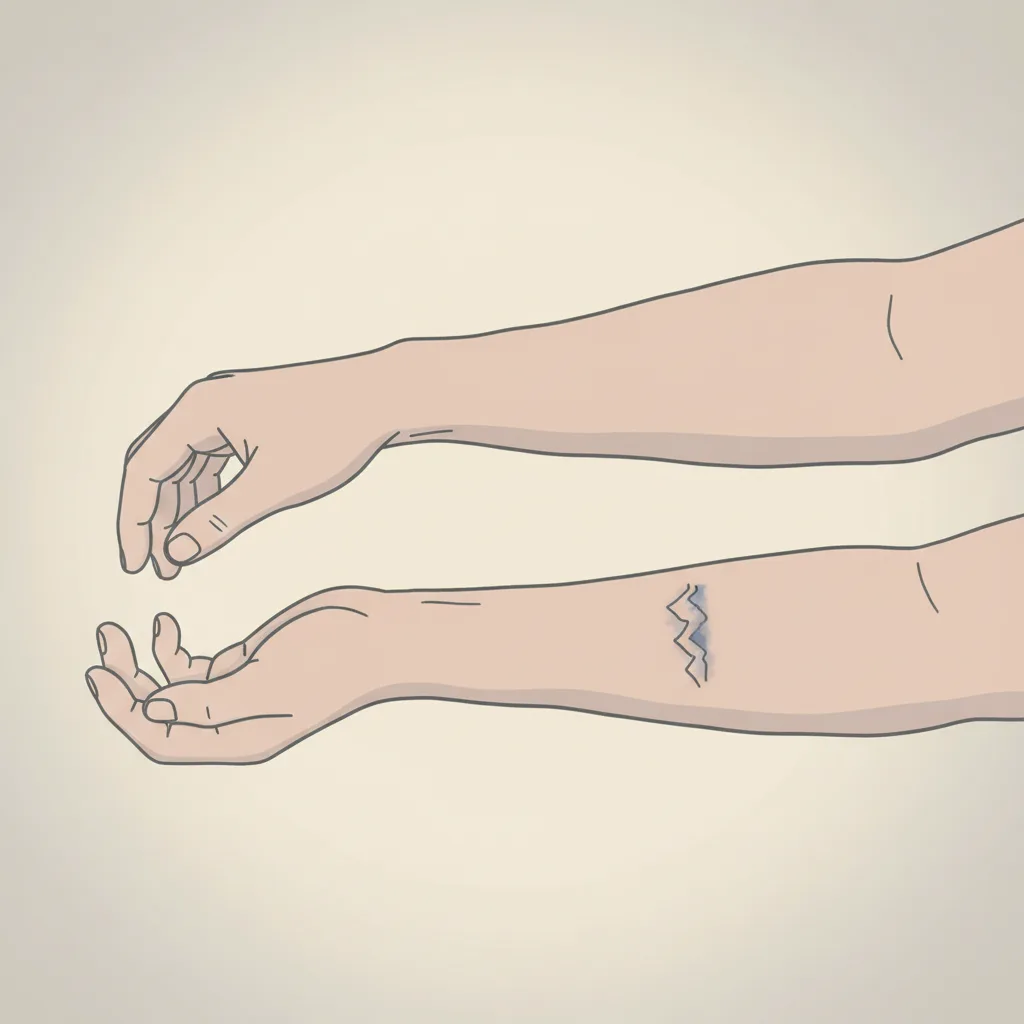
A bare forearm beside an identical forearm with a small faded tattoo, both resting on a neutral surface.

行動への後悔

タトゥーを入れる

24%

24%が少なくとも1つのタトゥーを後悔

タトゥーを持つ米国成人、全国代表

遡及的、固定期間なし

不作為への後悔

タトゥーを入れない

15%

タトゥーのない成人の15%が入れる可能性が高いと回答(代替指標 — 注意事項参照)

タトゥーのない米国成人

遡及的、固定期間なし

この選択を後悔した割合

action dominates — 行動が優勢 — 多くは行動したことを後悔しています。

関連する決断

意味的に類似する決断 — 同じ領域、異なるトレードオフ。

健康

ボディピアス

この選択を後悔した割合

行動が優勢

行動の後悔が4.0倍高い

lifestyle

菜食主義

この選択を後悔した割合

行動が優勢

行動の後悔が3.8倍高い

lifestyle

意思決定に人工知能を活用

この選択を後悔した割合

均衡

ほぼ均衡

健康

植毛手術

この選択を後悔した割合

不作為が優勢

不作為の後悔が5.0倍高い

lifestyle

都市 vs 郊外

この選択を後悔した割合

行動が優勢

行動の後悔が1.2倍高い

健康

セラピーあり・なし

この選択を後悔した割合

均衡

ほぼ均衡

健康

豊胸手術

この選択を後悔した割合

均衡

ほぼ均衡

健康

美容整形

この選択を後悔した割合

均衡

ほぼ均衡

About 24% of tattooed Americans say they regret at least one tattoo, according to a 2023 Pew Research Center survey of 8,480 adults — a figure corroborated by a peer-reviewed Cureus study that found an 18.2% regret rate among 1,072 tattooed participants using census-matched sampling. On the inaction side, 85% of non-tattooed adults say they are unlikely to ever get a tattoo, leaving roughly 15% who express some intent — a proxy for latent desire, though not a direct regret measure. The resulting pattern makes tattoos one of the clearest action-dominates entries in the dataset: a permanent, visible, body-altering decision where the thing you did haunts more than the thing you did not.

The psychology is straightforward and cuts against the usual Gilovich finding. Most regretted life decisions involve inaction — the degree not pursued, the relationship not attempted — because inactions leave an open counterfactual that the mind inflates over time. Tattoos close the counterfactual: the ink is there, on the skin, every day. There is no ambiguity about the outcome. The Cureus study found that getting a tattoo while impaired, choosing a head or neck location, and experiencing an adverse event (infection, prolonged itching, or swelling) were all significant predictors of regret. Age also matters: older age was protective (odds ratio 0.93 per year in the same study), so getting a first tattoo younger predicts higher lifetime regret.

The main caveat is measurement asymmetry. The action side benefits from a clean, direct question; the inaction side relies on a future-intent proxy because no major survey asks non-tattooed adults whether they actively regret not having a tattoo. The 15% figure almost certainly overstates inaction regret, since “I might get one someday” is weaker than “I wish I had done it.” Cognitive dissonance also cuts both ways: tattooed people may underreport regret to protect self-image, while non-tattooed people may suppress desire to justify their choice. The directional finding — that tattoo regret runs action-heavy — is robust across multiple studies and consistent with the irreversibility mechanism; the precise 24-to-15 ratio should be read as approximate.

出典: 行動

根拠台帳

以下の各数値は各出典が報告した内容であり、引用した原文の抜粋と算出方法を記載しています。リンクをクリックして直接確認できます。

2/2 件の出典が引用元と一字一句一致することを独立して検証済み

  1. [1] Pew Research Center — 32% of Americans have a tattoo, including 22% who have more than one 検証済み
    32% of Americans have a tattoo, including 22% who have more than one
    統計値
    About a quarter (24%) of tattooed Americans say they ever regret getting one or more of their tattoos
    抜粋
    “"About a quarter (24%) of tattooed Americans say they ever regret getting one or more of their tattoos. Among those with tattoos, younger adults are more likely than older adults to say they have regretted getting a tattoo." ”
    出典データ
    2023-08-15
    アクセス日
    2026-04-26
    検証
    グラウンディング監査の際、抜粋を引用元から独立して再取得し、原文と一字一句一致することを確認しました。
    計算過程
    Pew Research Center American Trends Panel survey of 8,480 US adults conducted July 10-16, 2023. The 24% figure is among the subset who report having at least one tattoo (32% of all respondents). Used directly as the action-regret rate.
  2. [2] Cureus (peer-reviewed) — Think Before You Ink: Perception, Prevalence, and Correlates of Tattooing and Tattoo Regret in US Adults 検証済み
    Think Before You Ink: Perception, Prevalence, and Correlates of Tattooing and Tattoo Regret in US Adults
    統計値
    18.2% of tattooed US adults reported regretting one or more of their tattoos
    抜粋
    “"Of those with tattoos, 18.2% reported regretting one or more of their tattoos. The number of comorbid conditions, time with a tattoo, being impaired when getting the tattoo, having a tattoo on the head or neck, and experiencing a tattoo-related adverse event were predictive of having tattoo regret." ”
    出典データ
    2023-11-02
    アクセス日
    2026-04-26
    検証
    グラウンディング監査の際、抜粋を引用元から独立して再取得し、原文と一字一句一致することを確認しました。
    計算過程
    Cross-sectional study of 3,033 US adults recruited using a random stratified sampling framework similar to the US Census. 35.3% (1,072) reported having a tattoo. The 18.2% regret rate among tattooed respondents is lower than the Pew figure (24%), possibly due to stricter sampling. We use the Pew 24% as the primary action-side rate given its larger sample and the ATP's established representativeness methodology.

出典: 不作為

根拠台帳

以下の各数値は各出典が報告した内容であり、引用した原文の抜粋と算出方法を記載しています。リンクをクリックして直接確認できます。

1/2 件の出典が引用元と一字一句一致することを独立して検証済み

  1. [1] Pew Research Center — 32% of Americans have a tattoo, including 22% who have more than one 検証済み
    32% of Americans have a tattoo, including 22% who have more than one
    統計値
    15% of non-tattooed Americans say they are somewhat, very, or extremely likely to get a tattoo in the future
    抜粋
    “"The vast majority (85%) of Americans who don't have a tattoo say they are not too or not at all likely to get one in the future. Among those under 30 without a tattoo, 19% say they are extremely or very likely to get one." ”
    出典データ
    2023-08-15
    アクセス日
    2026-04-26
    検証
    グラウンディング監査の際、抜粋を引用元から独立して再取得し、原文と一字一句一致することを確認しました。
    計算過程
    Same Pew ATP survey (n=8,480). Among the 68% of respondents without a tattoo, 6% said extremely/very likely and 9% said somewhat likely to get one in the future, totaling 15%. This is a desire-intent measure, not a direct regret measure — see caveats. Used as the inaction-side proxy because no large-sample survey directly asks non-tattooed adults whether they regret not having a tattoo.
  2. [2] YouGov — Americans have become more favorable toward tattoos in the past decade
    Americans have become more favorable toward tattoos in the past decade
    統計値
    24% of Americans currently have a tattoo; attitudes toward tattoos have become significantly more favorable over the past decade
    抜粋
    “"Americans have become more favorable toward tattoos in the past decade. 24% of Americans say they currently have a tattoo. Women (30%) are more likely than men (19%) to say they currently have a tattoo." ”
    出典データ
    2025-03-14
    アクセス日
    2026-04-26
    計算過程
    YouGov survey documenting that 24% of Americans currently have a tattoo and that attitudes have grown more favorable over the past decade. The article reports no regret figure; the growing social acceptance of tattoos suggests that inaction regret may be rising over time as tattoos become more normative, but no direct inaction-regret figure is available.

注意事項

The action and inaction measures are not symmetrical. The 24% action-regret rate is a direct regret question ("Do you ever regret getting a tattoo?"), while the 15% inaction figure is a future-intent proxy ("How likely are you to get a tattoo?"), not a retrospective regret question. No large-sample survey directly asks non-tattooed adults whether they regret not getting ink. The true inaction-regret rate is likely lower than 15%, since wanting something is not the same as regretting its absence. A peer-reviewed Cureus study found a lower action-regret rate of 18.2%, which would narrow the delta further. Tattoos are a rare counterexample to Gilovich and Medvec's typical inaction-dominance pattern: the irreversibility and visibility of the decision sustain action regret in a way that a forgone vacation or unattempted career move does not. Cognitive dissonance may also suppress reported regret among the tattooed — people are motivated to rationalize permanent choices — meaning the true action-regret rate could be higher than surveys capture. Survey data are drawn exclusively from United States samples; satisfaction and regret rates in countries with different social norms around body modification and tattoo acceptance may differ substantially.

生データ: /api/decisions.json

このデバイスで最近見た項目