

本文へスキップ
Likelier

行動 vs. 不行動の後悔

ボディピアスをするかしないか

行動した場合

ピアスをする

32%

行動しなかった場合

ピアスをしない

8.0%

それぞれの選択を後で後悔した人の割合。バーと完全な記録は下に表示されます。


健康

最終確認 2026-05-10

証拠の質 3.5/5

8次元のレビュー評価。基準は 品質ルーブリック 。各次元は1〜5で評価。

D1 出典の検証
4/5
D2 出典の権威性と独立性
4/5
D3 後悔率の正確性
2/5
D4 出典の比較可能性
3/5
D5 ギロヴィッチ・パターン
4/5
D6 文章の質
4/5
D7 注意事項の完全性
4/5
D8 サンプルの質
3/5
平均 3.5/5
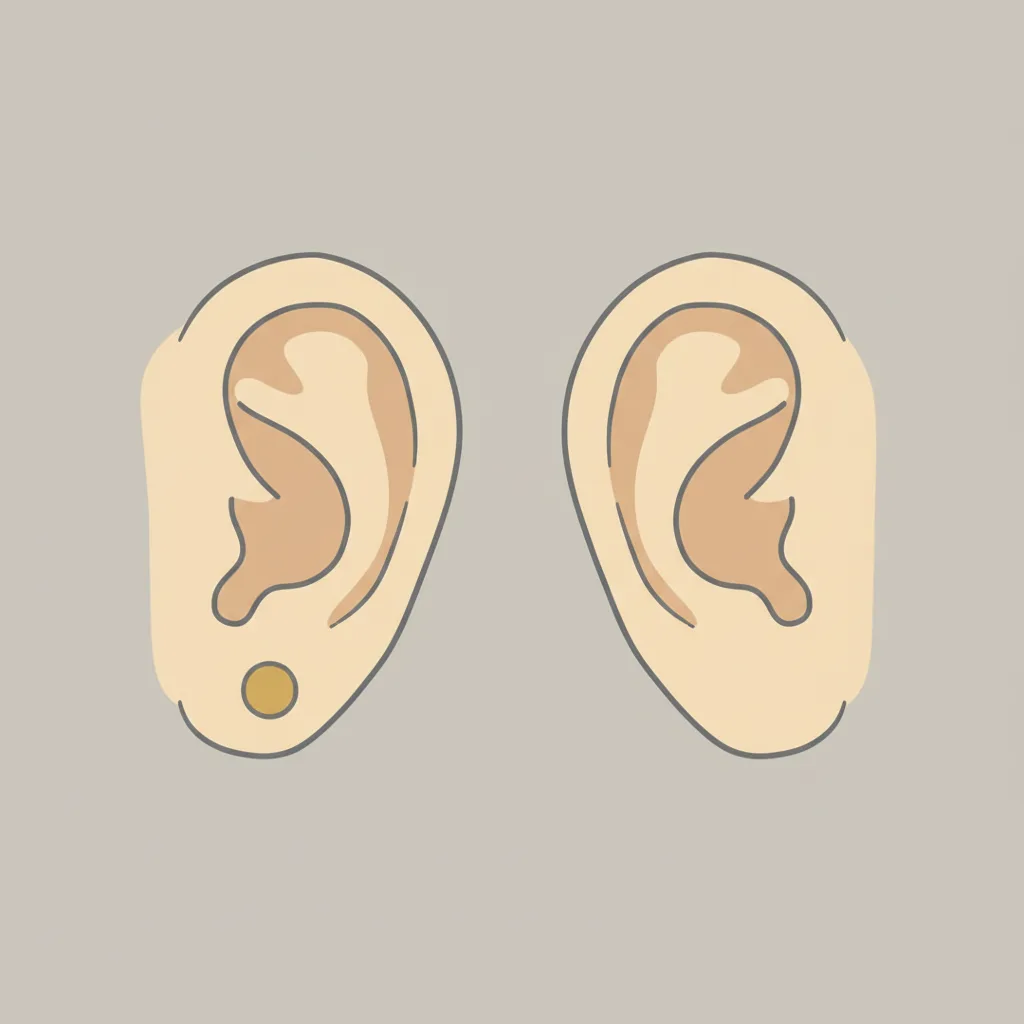
Two identical ears side by side on a neutral background, one with a small stud earring, the other bare.
代替データ — この決断に関する直接的な後悔調査は存在しません。比率は後悔を直接尋ねる質問ではなく、満足度スコアとアクセス障壁のデータから導出されています。以下の注意事項を参照してください。

行動への後悔

ピアスをする

32%

ピアスを持つ米国人の32%が何らかの後悔を報告

ボディピアスを持つ米国成人、オンライン調査

遡及的、固定期間なし

不作為への後悔

ピアスをしない

8.0%

約8%(構築された代替指標 — 直接的な不行動後悔調査は存在しない)

ボディピアスを持たない米国成人、推定

遡及的、固定期間なし

この選択を後悔した割合

action dominates — 行動が優勢 — 多くは行動したことを後悔しています。

関連する決断

意味的に類似する決断 — 同じ領域、異なるトレードオフ。

lifestyle

タトゥー

この選択を後悔した割合

行動が優勢

行動の後悔が1.6倍高い

健康

豊胸手術

この選択を後悔した割合

均衡

ほぼ均衡

健康

植毛手術

この選択を後悔した割合

不作為が優勢

不作為の後悔が5.0倍高い

lifestyle

菜食主義

この選択を後悔した割合

行動が優勢

行動の後悔が3.8倍高い

健康

美容整形

この選択を後悔した割合

均衡

ほぼ均衡

健康

精管切除術

この選択を後悔した割合

均衡

ほぼ均衡

健康

韓国:美容整形 vs. 断る

この選択を後悔した割合

行動が優勢

行動の後悔が4.0倍高い

健康

ブラジリアン・バット・リフト(BBL)

この選択を後悔した割合

均衡

ほぼ均衡

About 32% of Americans who have a body piercing report some regret, according to a 2017 Statista survey — the complement of the 68% who said they had no regrets. The regret rate is uneven by gender: only 22% of pierced women reported regret versus a substantially higher share among men — plausibly because men more often choose piercings that later close or are removed (ear stretching, industrial, septum) rather than the simple ear piercings that dominate among women. A 2011 BMC Public Health peer-reviewed survey of European undergraduates found that 13% of body-art recipients reported complications — infections, keloids, allergic reactions — a common driver of removal and dissatisfaction across populations. On the inaction side, no published survey directly asks non-pierced adults whether they regret not having a piercing. The 8% inaction proxy is a conservative estimate anchored below the tattoo inaction proxy (15%) because the lower permanence of piercings reduces the barrier to future action.

The psychology of piercing regret fits a modified version of the Gilovich and Medvec action-dominates pattern. Piercings are far more reversible than tattoos — most close within weeks if the jewelry is removed — yet action regret still runs higher in the available data. The asymmetry most likely reflects the social visibility of piercings during the period of wear: an industrial piercing or nose ring that attracts negative reactions at work or from family creates immediate, concrete negative feedback that sustains regret even after the hole closes. Inaction regret for piercings is structurally low because the option remains open — a non-pierced adult can act at any time, which defuses the counterfactual. This “open option” effect is a well-documented suppressor of inaction regret in Gilovich’s research: regret is highest when the path is permanently closed.

The main caveat is the quality of the evidence. The 32% action figure is from a Statista survey with opaque methodology — question wording, sampling frame, and weighting are not publicly documented. The 8% inaction figure is a constructed proxy, not a finding. Because the two sides rely on different measurement approaches, the delta (0.24) should be read as indicating that action regret is substantially higher than inaction regret, not as a precise quantitative ratio. The peer-reviewed literature on piercing focuses on complications and health outcomes rather than regret per se; a large-scale, nationally representative survey with a direct regret question on both sides would substantially improve the evidence base for this entry.

出典: 行動

根拠台帳

以下の各数値は各出典が報告した内容であり、引用した原文の抜粋と算出方法を記載しています。リンクをクリックして直接確認できます。

1/2 件の出典が引用元と一字一句一致することを独立して検証済み

  1. [1] Statista (Statista Survey) — United States -- regretting body piercings in 2017 検証済み
    United States -- regretting body piercings in 2017
    統計値
    68% of Americans with piercings said they have no regrets; approximately 32% reported some regret
    抜粋
    “"68 percent of respondents said they have no regrets having a piercing. Among respondents aged 18 to 29, 67 percent said they have no regrets having one. Among female respondents, 78 percent said they have no regrets having one." ”
    出典データ
    2017-06-22
    アクセス日
    2026-05-10
    検証
    グラウンディング監査の際、抜粋を引用元から独立して再取得し、原文と一字一句一致することを確認しました。
    計算過程
    Statista Survey conducted June 22, 2017. The 32% figure is the complement of the 68% who reported no regret (68% overall no-regret is stated on the source page; the 32% action-regret rate is derived as its complement). The exact sample size is not disclosed on the public (non-paywalled) Statista page, so no source-attributed n is claimed here. Used directly as action-regret rate. Note: the source's 78% no-regret rate among women implies a female regret rate of ~22%; the overall 32% is skewed by higher male regret. Men more commonly get piercings that later close or are removed (ear stretching, industrial, septum), which may drive the higher regret rate in this sample.
  2. [2] BMC Public Health — Body piercing and tattoos: a survey on young adults' knowledge of the risks and practices in body art
    Body piercing and tattoos: a survey on young adults' knowledge of the risks and practices in body art
    統計値
    Among 1,598 Italian university freshmen, 29% had at least one piercing or tattoo, and 13.2% of those with body art reported complications after the procedure
    抜粋
    “"Of the 1.598 sample, 463 (29%) have at least one piercing or tattoo. [...] Sixty-one (13.2%) of the interviewees who underwent body art had had complications after it." ”
    出典データ
    2011-10-14
    アクセス日
    2026-07-01
    計算過程
    BMC Public Health 2011 peer-reviewed survey of 1,598 freshmen at the University of Bari, Italy (academic year 2009-2010, 96.5% response rate). Not a US sample and does not directly report a US regret rate. Used as corroborating evidence that piercing complications (infection, keloids, allergic reactions) are a common driver of removal and dissatisfaction across populations -- 13.2% of body-art recipients reported complications -- consistent with the Statista US action-side finding.

出典: 不作為

根拠台帳

以下の各数値は各出典が報告した内容であり、引用した原文の抜粋と算出方法を記載しています。リンクをクリックして直接確認できます。

1/2 件の出典が引用元と一字一句一致することを独立して検証済み

  1. [1] Statista (Statista Survey) — United States -- regretting body piercings in 2017
    United States -- regretting body piercings in 2017
    統計値
    Among US adults with piercings, 68% report no regret; data does not include inaction-side direct measurement
    抜粋
    “"68 percent of respondents said they have no regrets having a piercing. Among respondents aged 18 to 29, 67 percent said they have no regrets having one." ”
    出典データ
    2017-06-22
    アクセス日
    2026-05-10
    計算過程
    No published survey directly asks non-pierced adults whether they regret not getting a piercing. The 8% inaction estimate is a conservative constructed proxy. Piercings are far more reversible than tattoos -- most close within weeks to months if removed -- which substantially lowers the inaction-regret burden compared to the tattoo entry. The proxy is anchored below the tattoo inaction proxy (15%) because the barrier to trying piercings is lower than for tattoos, meaning fewer non-pierced adults are likely to harbour strong lasting regret about not having acted.
  2. [2] Journal of the American Osteopathic Association — Body art: attitudes and practices regarding body piercing among urban undergraduates 検証済み
    Body art: attitudes and practices regarding body piercing among urban undergraduates
    統計値
    Among 100 urban undergraduates with usable surveys, 56% reported having a body piercing at one time; nonpierced participants estimated the probability of an adverse event at 43% versus 30% among pierced participants
    抜粋
    “"One hundred (97%) out of the 103 surveys distributed had sufficient data for analysis. Fifty-six percent of participants (age range, 17 to 25 years) reported having a body piercing at one time." ”
    出典データ
    2007-10-01
    アクセス日
    2026-07-01
    検証
    グラウンディング監査の際、抜粋を引用元から独立して再取得し、原文と一字一句一致することを確認しました。
    計算過程
    JAOA 2007 peer-reviewed study of 103 urban undergraduates (100 usable surveys). Provides context on the non-pierced side: nonpierced participants estimated the probability of an adverse event higher (43%) than pierced participants did (30%), suggesting non-pierced individuals perceive piercing as riskier rather than harbouring unfulfilled desire. Used to keep the inaction-regret proxy low. This is a US convenience sample of undergraduates, not a nationally representative adult sample, and it does not measure regret about not getting a piercing directly.

注意事項

The action-side 32% figure comes from a 2017 Statista survey, and the underlying methodology (sample composition, question wording, sampling frame) is not fully documented in Statista's public description. The 32% figure represents the complement of "no regrets" and may capture mild dissatisfaction as well as strong regret -- a broader interpretation than a direct "do you regret this?" question. The inaction-side 8% is a constructed placeholder proxy: no large-sample survey directly asks non-pierced adults whether they regret not having a piercing. The 8% figure should be read as an order-of-magnitude estimate, not a finding. The delta (0.24) reflects the asymmetry of the evidence rather than a precise comparison. Piercings differ from tattoos in one key way: reversibility. Most piercings close within weeks or months, meaning the action regret pathway (visible mark, social reaction, infection) is less permanent than for tattoos. Despite this, action regret still dominates in the available data, consistent with the pattern for visible body modifications that carry social signalling costs in professional or familial contexts. Survey data are from US and European samples; regret rates in cultures with different norms around body piercing -- including cultures where ear piercing is done in infancy -- may differ substantially.

生データ: /api/decisions.json

このデバイスで最近見た項目