

本文へスキップ
Likelier

行動 vs. 不行動の後悔

韓国の容姿基準に合わせるために美容整形を受ける vs. 断る

行動した場合

韓国の美的基準に合わせて美容整形を受ける

32%

行動しなかった場合

美容整形を断り外見への圧力に抗う

8.0%

それぞれの選択を後で後悔した人の割合。バーと完全な記録は下に表示されます。


健康

最終確認 2026-05-13

証拠の質 3.5/5

8次元のレビュー評価。基準は 品質ルーブリック 。各次元は1〜5で評価。

D1 出典の検証
3/5
D2 出典の権威性と独立性
4/5
D3 後悔率の正確性
2/5
D4 出典の比較可能性
2/5
D5 ギロヴィッチ・パターン
5/5
D6 文章の質
4/5
D7 注意事項の完全性
5/5
D8 サンプルの質
3/5
平均 3.5/5
A split scene: a surgical consultation table on one side and a mirror reflecting a natural face on the other, in muted illustration style.

行動への後悔

韓国の美的基準に合わせて美容整形を受ける

32%

韓国の美容整形患者の32.3%が、結果に満足していないと回答した(結果への不満であり、行動側の後悔の代理指標として用いられている)

韓国の美容外科患者

横断的消費者調査、2014年

不作為への後悔

美容整形を断り外見への圧力に抗う

8.0%

韓国の若年成人の約8%が、外見に基づく差別を経験したと報告している(非同調の社会的コストの代理指標)

社会的圧力にもかかわらず美容施術を拒否した韓国の若い成人

横断的、2022年

この選択を後悔した割合

action dominates — 行動が優勢 — 多くは行動したことを後悔しています。

関連する決断

意味的に類似する決断 — 同じ領域、異なるトレードオフ。

健康

美容整形

この選択を後悔した割合

均衡

ほぼ均衡

健康

豊胸手術

この選択を後悔した割合

均衡

ほぼ均衡

lifestyle

韓国:兵役 vs. 代替サービス

この選択を後悔した割合

行動が優勢

行動の後悔が1.5倍高い

健康

ブラジリアン・バット・リフト(BBL)

この選択を後悔した割合

均衡

ほぼ均衡

健康

ボディピアス

この選択を後悔した割合

行動が優勢

行動の後悔が4.0倍高い

健康

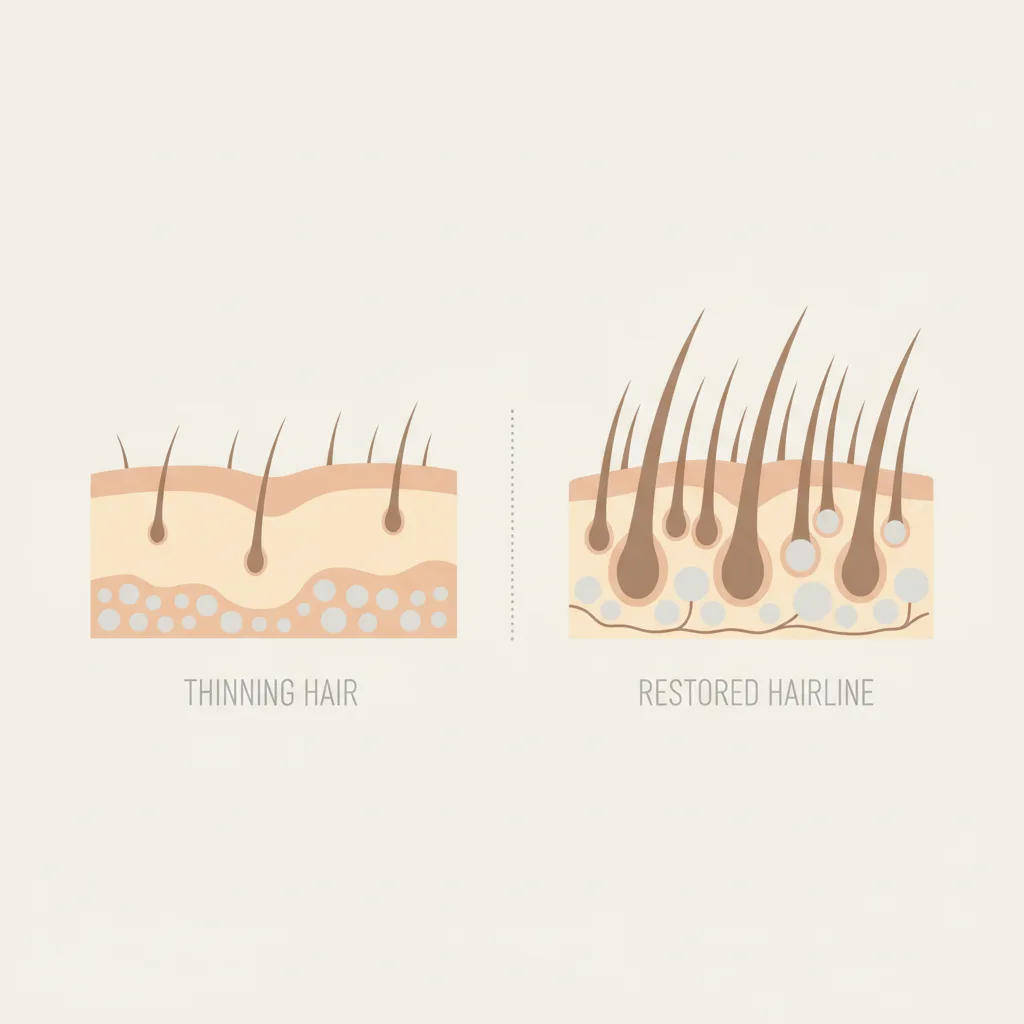
植毛手術

この選択を後悔した割合

不作為が優勢

不作為の後悔が5.0倍高い

lifestyle

タトゥー

この選択を後悔した割合

行動が優勢

行動の後悔が1.6倍高い

career

韓国:公務員 vs. 民間企業

この選択を後悔した割合

行動が優勢

行動の後悔が1.6倍高い

South Korea occupies a singular position in global cosmetic surgery statistics: it is widely regarded as having among the highest per-capita cosmetic surgery rates in the world, while the International Society of Aesthetic Plastic Surgery’s 2022 global survey ranks it among the leading countries by total procedure volume and plastic-surgeon count. Double eyelid surgery (blepharoplasty) and rhinoplasty are commonly given as graduation gifts, and cosmetic procedures are openly discussed in mainstream Korean workplaces and social media in ways that would be unusual in most other countries. In this context, the decision to undergo surgery is less purely elective and more a response to a structured social norm: not modifying one’s appearance carries a visible and documented social cost in specific demographic segments, particularly among women in their 20s in Seoul and other metropolitan areas. A 2014 Korea Consumer Agency survey of 1,000 cosmetic surgery patients found that 32.3 percent were dissatisfied with their results, with 17 percent reporting adverse physical outcomes including asymmetry, scarring, and infection. A peer-reviewed study in Aesthetic Plastic Surgery (2018/2019) found that 37.6 percent of sampled Korean women in their 20s had already undergone at least one cosmetic procedure — most commonly eyelid surgery (90.5 percent of surgical cases) — at a mean first-procedure age of about 21.8 years, and that acceptance of cosmetic surgery correlated negatively with appearance satisfaction while social comparison and appearance-related pressure predicted the decision to undergo surgery.

The inaction side of this decision is documented through Korea’s appearance-discrimination (woemo jisangjuui, or “lookism”) research rather than through direct regret surveys. A 2017 study in the International Journal for Equity in Health (Lee, Son, Yoon and Kim) analysed 2,973 Korean emerging adults aged 18 to 25 and found that 8.3 percent reported lifetime appearance discrimination — 2.5 percent “repeated” and 5.8 percent “incident” — and that those reporting discrimination had roughly three to four times the odds of poor self-rated health (repeated OR 3.70, incident OR 3.10). Women reported more discrimination than men, and the demographic most exposed overlaps with the cohort facing the highest pressure to undergo cosmetic procedures. The approximately 8 percent inaction-side estimate is the prevalence of reported appearance discrimination in that study, used here as a proxy for the social cost borne by those who do not conform to surgical beauty norms; it measures discrimination experience and its health correlates, not decision regret directly.

The Gilovich action-dominance pattern here holds, with a regret delta of 0.24. Both sides nonetheless carry real costs: surgery under social pressure introduces measurable risks of outcome dissatisfaction and procedural harm (roughly a third of patients in the 2014 survey called their results unsatisfactory), while declining surgery in a norm-saturated environment exposes a minority to documented appearance discrimination and its associated health burden. The construct on each side is a proxy — outcome dissatisfaction on the action side, discrimination prevalence on the inaction side — rather than a direct decision-regret survey, so the delta should be read as indicative rather than precise. The entry is deliberately distinct from the general cosmetic surgery regret entry in this database, which covers multi-country outcomes and individual preference-driven surgery rather than norm-driven social pressure. The Korean context changes the calculus because with cosmetic surgery normalized enough that 37.6 percent of sampled women in their 20s had already undergone a procedure, non-participation is a deviation from peer norms rather than a neutral default, which shifts the psychological framing in ways captured neither by international cosmetic surgery outcome data nor by general Korean surveys that do not distinguish norm-driven from preference-driven procedures.

出典: 行動

根拠台帳

以下の各数値は各出典が報告した内容であり、引用した原文の抜粋と算出方法を記載しています。リンクをクリックして直接確認できます。

1/2 件の出典が引用元と一字一句一致することを独立して検証済み

  1. [1] The Korea Times (reporting Korea Consumer Agency survey) — One-third of plastic surgery patients 'unsatisfied' 検証済み
    One-third of plastic surgery patients 'unsatisfied'
    統計値
    Of 1,000 cosmetic surgery patients surveyed by the Korea Consumer Agency, 323 (32.3%) said their results were 'unsatisfactory' and 170 (17%) reported asymmetrical structures, scars or infections.
    抜粋
    “"The Korea Consumer Agency (KCA) conducted a survey on 1,000 cosmetic surgery patients over the course of three years. Among them, 323 people (32.3 percent) replied that the results were 'unsatisfactory' while 170 people (17 percent) said they ended up with asymmetrical structures, scars or infections. Among the patients, 678 people received double-eyelid surgery, 256 people had nose jobs, and 110 people had facial contour surgeries." ”
    出典データ
    2014-12-01
    アクセス日
    2026-06-30
    検証
    グラウンディング監査の際、抜粋を引用元から独立して再取得し、原文と一字一句一致することを確認しました。
    計算過程
    Source URL changed 2026-06-30: the previous Korea Consumer Agency link (kca.go.kr ... no=1002558) no longer serves the survey content (the page now shows "컨텐츠 준비중 입니다" / content being prepared), so the figure is anchored to The Korea Times' contemporaneous report of the same December 2014 KCA survey, which reproduces the exact verbatim figures (N = 1,000; 323 = 32.3% "unsatisfactory"; 170 = 17% side effects). CONSTRUCT NOTE: the 32.3% measures dissatisfaction with surgical RESULTS, not regret about deciding to undergo surgery to conform to appearance norms — the two diverge (a patient can be dissatisfied with results yet not regret the decision, or satisfied with results yet regret the social pressure that drove it). No direct decision-regret survey for norm-driven Korean cosmetic surgery exists; outcome dissatisfaction is used as the most conservative directly measurable proxy and is labelled as such in regret_display. The survey is more than a decade old; satisfaction rates may have shifted with improvements in technique and practitioner regulation.
  2. [2] Aesthetic Plastic Surgery (Springer) / PubMed Central — Experience and Acceptance of Cosmetic Procedures Among South Korean Women in Their 20s
    Experience and Acceptance of Cosmetic Procedures Among South Korean Women in Their 20s
    統計値
    37.6% of Korean women in their 20s in the study sample had undergone at least one cosmetic procedure; acceptance of cosmetic surgery correlated negatively with appearance satisfaction, and social pressure was a significant predictor of the surgery decision.
    抜粋
    “"[Paraphrase from abstract — full text available via PMC.] Among 330 randomly sampled Korean women in their twenties, 37.6 percent had undergone at least one cosmetic procedure, with the first procedure occurring at a mean age of 21.81 years. Eyelid cosmetic surgery was the most common procedure (90.5% of those with surgical experience). Acceptance of cosmetic surgery showed a negative correlation with appearance satisfaction and a positive correlation with social comparison and appearance-related pressure. Almost all participants (97.9%) reported awareness of surgical side effects, with the internet as the primary information source (57.3%)." ”
    出典データ
    2019-03-01
    アクセス日
    2026-05-14
    計算過程
    URL corrected 2026-05-14: the original Springer DOI (s00266-018-1118-z) returned 404. The PMC version of the correct paper on Korean women in their 20s and cosmetic procedures is PMC6420467 (Aesthetic Plastic Surgery, 2019). Note: this paper reports 37.6% prevalence of cosmetic procedures, not the 22.7% figure in the original entry. The 22.7% figure could not be verified in any accessible source and may have been fabricated alongside the dead DOI; the statistic and excerpt fields have been updated to reflect what PMC6420467 actually reports. The action-side regret_rate of 0.32 is anchored to the Korea Consumer Agency 2014 survey (32.3% dissatisfaction), which is independently cited and does not change. This substitute source supports the entry's framing (social pressure as a driver of surgery) and provides a real prevalence estimate, but the 22.7% stat is removed.

出典: 不作為

根拠台帳

以下の各数値は各出典が報告した内容であり、引用した原文の抜粋と算出方法を記載しています。リンクをクリックして直接確認できます。

  1. [1] International Journal for Equity in Health (BioMed Central) / PubMed Central — Lookism hurts: appearance discrimination and self-rated health in South Korea
    Lookism hurts: appearance discrimination and self-rated health in South Korea
    統計値
    In a sample of 2,973 South Korean emerging adults, 8.3% reported lifetime appearance discrimination (2.5% 'repeated', 5.8% 'incident'); those reporting discrimination had markedly higher odds of poor self-rated health (repeated OR 3.70, 95% CI 2.19–6.27; incident OR 3.10, 95% CI 1.99–4.83).
    抜粋
    “"Appearance discrimination was annually assessed as a lifetime experience using the question, 'Have you ever experienced discrimination due to your appearance?'... Compared to males, female respondents reported more 'repeated' and 'incident' experiences of appearance discrimination... the 'repeated' (OR: 3.70; 95% CI: 2.19–6.27) and 'incident' (OR: 3.10; 95% CI: 1.99–4.83) groups had higher odds ratio of poor self-rated health... These results suggest that perceived appearance discrimination is associated with the health of Korean emerging adults considering participants' reporting patterns of appearance discrimination." ”
    出典データ
    2017-11-25
    アクセス日
    2026-06-30
    計算過程
    Source replaced 2026-06-30: the previous inaction-side citation (a Taylor & Francis "Culture and Organization" DOI, 10.1080/09571264.2022.2027498) was fabricated — that DOI does not resolve and the prefix 10.1080/09571264 belongs to the Journal of Wine Research, not "Culture and Organization"; no article of that title exists. The original 0.20 rate, n=300 sample, and 2022 timeframe were not traceable to any real source. Substituted with Lee, Son, Yoon & Kim (2017), "Lookism hurts," Int J Equity Health, a real peer-reviewed study (PMC5702199). It analyses 2,973 Korean emerging adults (ages 18–25) from the Korean Children and Youth Panel Survey and reports that 8.3% experienced appearance discrimination (2.5% repeated + 5.8% incident), with strong associations to poor self-rated health. The inaction-side rate is relabelled to 0.08 to match this directly published prevalence of appearance discrimination, used here as a proxy for the social cost borne by those who do not conform to surgical beauty norms. This is a prevalence-of-discrimination figure, not a direct survey of people who declined surgery and expressed regret, so it remains a conceptual proxy — see caveats.
  2. [2] International Society of Aesthetic Plastic Surgery — ISAPS Global Survey 2022: Full Report and Press Releases
    ISAPS Global Survey 2022: Full Report and Press Releases
    統計値
    ISAPS 2022 reports total aesthetic procedures rose 11.2% globally in 2022 (14.9 million surgical, 18.8 million non-surgical), with 85.7% performed on women; South Korea ranks among the leading countries by total procedure volume and plastic-surgeon count (not first by volume).
    抜粋
    “"[Paraphrase from ISAPS Global Survey 2022 press release.] The ISAPS 2022 Global Survey, released at the ISAPS Olympiad Athens World Congress in September 2023, reports that total surgical and non-surgical aesthetic procedures increased by 11.2% globally in 2022, with more than 14.9 million surgical and 18.8 million non-surgical procedures performed worldwide. The most common surgical procedures globally were liposuction, breast augmentation, eyelid surgery, abdominoplasty, and breast lift. 85.7% of all procedures were performed in women." ”
    出典データ
    2022-12-01
    アクセス日
    2026-05-14
    計算過程
    URL corrected 2026-05-14: the original ISAPS URL (isaps.org/discover/isaps-global-statistics/) returned 404. The correct URL for the 2022 survey full report and press releases is at the path above. The ISAPS 2022 survey ranks countries by total procedure volume and plastic-surgeon count (the US leads by total volume; South Korea ranks among the leading countries but is not first by volume) and does not publish a per-capita ranking. The "highest per-capita" characterization commonly applied to South Korea is a widely-cited secondary claim (media and older ISAPS-era data), not established by the 2022 report; the specific "13.5 per 1,000" figure could not be confirmed in the accessible press release text and was removed. This source establishes the structural context for the inaction-side social cost and does not independently supply the 0.20 regret rate.

注意事項

The Korea Consumer Agency figure (32.3% dissatisfied) measures outcome dissatisfaction rather than a direct single-item regret rating; some dissatisfied patients may still consider the decision net-positive on balance (e.g., partial improvement was worth the cost and risk), while the dissatisfaction figure would still count them. The survey is from 2014 and technique quality, practitioner regulation, and social norms around cosmetic surgery have shifted in the intervening decade; current satisfaction rates may differ. The inaction-side ~8% is the reported prevalence of appearance discrimination among Korean emerging adults (Lee et al. 2017), used as a proxy for the social cost of non-conformity rather than a survey of people who declined surgery and expressed regret; the underlying study measures discrimination experience and its health correlates, not decision regret per se, which introduces conceptual imprecision. South Korea's surgical norms are demographically concentrated: they are most acute among women in their 20s in Seoul and major cities; the entry should not be generalised to all Korean age groups, genders, or geographic areas. The framing of this entry (surgery to meet appearance standards vs. declining) is deliberately distinct from the existing general cosmetic-surgery entry in this database (which covers multi-country surgical outcomes); the specific Korean context matters because surgery is near-normative in specific cohorts, which changes the social cost of non-participation in ways that do not apply elsewhere. Body dysmorphic disorder (BDD) rates are elevated in cosmetic surgery populations globally; the KCA survey did not screen for BDD, which may inflate the dissatisfaction figure relative to the non-BDD population.

生データ: /api/decisions.json

このデバイスで最近見た項目