



本文へスキップ
Likelier

行動 vs. 不行動の後悔

定期的に飲酒するか、禁酒するか

行動した場合

飲酒する

70%

行動しなかった場合

禁酒する

12%

それぞれの選択を後で後悔した人の割合。バーと完全な記録は下に表示されます。


健康

最終確認 2026-04-26

証拠の質 4.25/5

8次元のレビュー評価。基準は 品質ルーブリック 。各次元は1〜5で評価。

D1 出典の検証
5/5
D2 出典の権威性と独立性
4/5
D3 後悔率の正確性
2/5
D4 出典の比較可能性
3/5
D5 ギロヴィッチ・パターン
5/5
D6 文章の質
5/5
D7 注意事項の完全性
5/5
D8 サンプルの質
5/5
平均 4.25/5
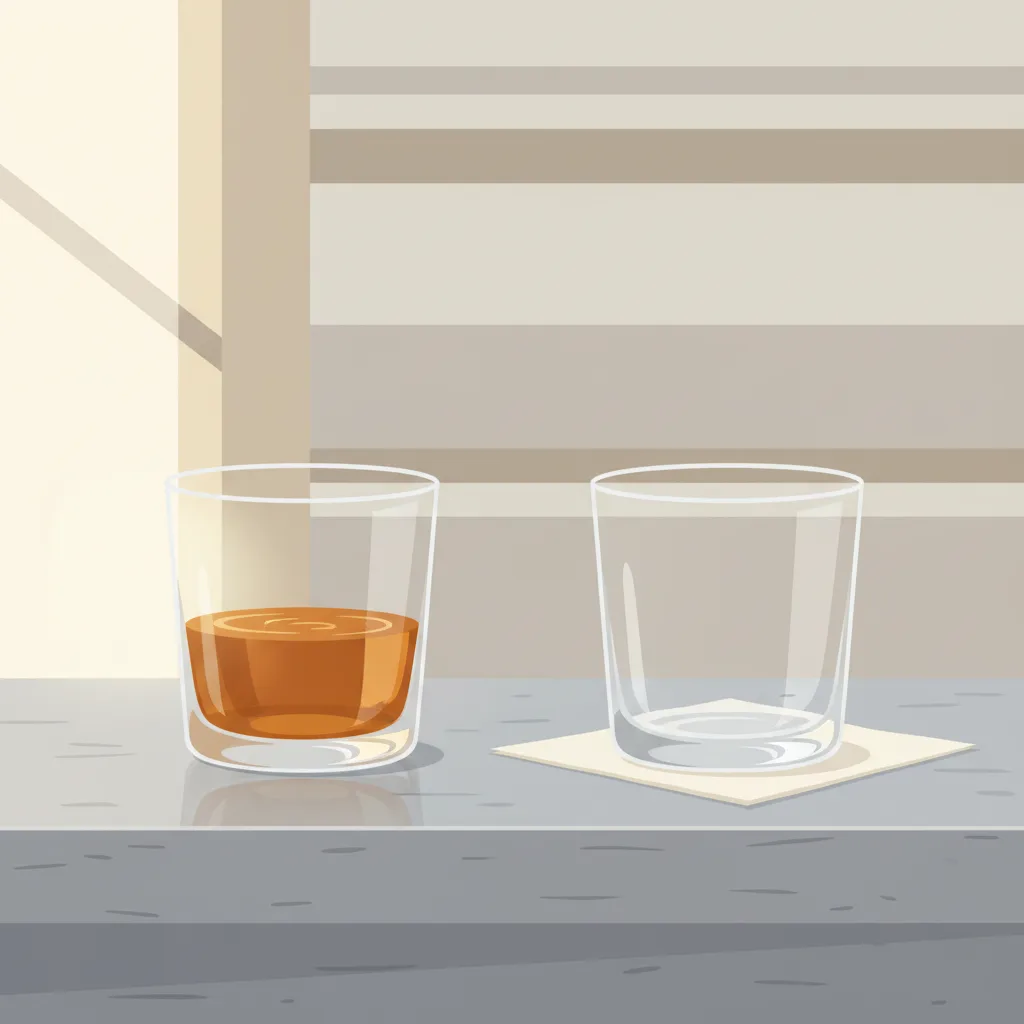
Two identical glasses on a bar surface, one filled with amber liquid, the other empty and clean.

行動への後悔

飲酒する

70%

飲酒者の70%が過去1年に酔ったことを後悔した

グローバル、31カ国、自己選択オンラインパネル

過去12ヶ月

不作為への後悔

禁酒する

12%

約12%(社会的摩擦プロキシ、禁酒についての直接的後悔ではない)

15-79歳のフィンランド成人、人口ベース

回顧的、固定された期間なし

この選択を後悔した割合

action dominates — 行動が優勢 — 多くは行動したことを後悔しています。

関連する決断

意味的に類似する決断 — 同じ領域、異なるトレードオフ。

lifestyle

ノンアルコール代替品

この選択を後悔した割合

不作為が優勢

不作為の後悔が2.1倍高い

lifestyle

ポルノ視聴 vs 禁欲

この選択を後悔した割合

行動が優勢

行動の後悔が3.0倍高い

lifestyle

菜食主義

この選択を後悔した割合

行動が優勢

行動の後悔が3.8倍高い

健康

運動習慣

この選択を後悔した割合

不作為が優勢

不作為の後悔が13.4倍高い

健康

禁煙

この選択を後悔した割合

不作為が優勢

不作為の後悔が90.0倍高い

lifestyle

マスターベーション vs NoFap

この選択を後悔した割合

不作為が優勢

不作為の後悔が3.0倍高い

lifestyle

飲酒後の配車 vs 運転

この選択を後悔した割合

不作為が優勢

不作為の後悔が5.7倍高い

健康

ティーンとして喫煙を始めること

この選択を後悔した割合

行動が優勢

行動の後悔が36.0倍高い

Seventy percent of drinkers regretted getting drunk at least once in the prior year, according to the Global Drug Survey’s 2020 wave (82,821 respondents, 31 countries). The peer-reviewed analysis by Davies et al. in Substance Use & Misuse found that the median drinker got drunk six times a year and regretted two of those occasions. Among occasions when they got drunk, women regretted a higher median share (30%) than men (16.67%), against an overall median of 20%. Separately, a 2025 NCSolutions survey found that nearly half of Americans (49%) plan to drink less in 2025, up sharply from 34% in 2023 — a trend suggesting broad and growing dissatisfaction with current consumption levels. On the other side of the ledger, population-level data from Finland’s Drinking Habits Survey found that non-drinkers reported mostly positive social feedback, with only a small minority experiencing negative social consequences from abstaining.

The asymmetry here is striking but not symmetric in its evidence base. The action-regret figure is robust: an 82,821-person sample, replicated across dozens of countries, measuring a concrete experience (“did you regret getting drunk?”). The inaction figure is far weaker — and measures a different construct entirely. The Finnish study tracked negative social consequences (pressure, exclusion) among non-drinkers, not regret about the decision to abstain. No large study has directly asked non-drinkers whether they regret abstaining, because the question barely arises in public-health research. Alcohol Change UK’s Dry January data shows that 70% of participants still drink less six months later and only 28% revert to prior habits — suggesting that abstinence generates little lasting dissatisfaction, though this too measures behavior rather than regret.

The GDS found an inverse relationship between frequency and per-occasion regret — heavier drinkers regretted a smaller share of episodes — which hints at habituation rather than genuine satisfaction. The main caveat is sample bias: GDS respondents are self-selected, younger, and heavier- drinking than the general population. The true action-regret rate among all adults who drink, including the moderate majority, is certainly lower than 70%. The directional finding — that drinking generates far more regret than not drinking — is robust; the magnitude is an upper bound.

出典: 行動

根拠台帳

以下の各数値は各出典が報告した内容であり、引用した原文の抜粋と算出方法を記載しています。リンクをクリックして直接確認できます。

  1. [1] Substance Use & Misuse / Davies, Puljević, Winstock & Ferris — Regrets, I've Had a Few: Exploring Factors Associated with Getting Drunk and Regret in an International Study of People Who Drink Alcohol
    Regrets, I've Had a Few: Exploring Factors Associated with Getting Drunk and Regret in an International Study of People Who Drink Alcohol

    See all 2 Likelier entries citing this source →

    統計値
    70% of respondents who drank alcohol in the past 12 months reported regretting getting drunk at least once; median regretted occasions was 2 out of a median 6 times drunk
    抜粋
    “"In the last 12 months, the median times drunk was 6 and the median number of regretted occasions was 2. There was an inverse relationship between times drunk and regret, with respondents who got drunk more often regretting it a smaller percentage of the time than those who got drunk less often." ”
    出典データ
    2024-01-16
    アクセス日
    2026-04-26
    計算過程
    Data from the Global Drug Survey 2020 (n = 82,821, 31 countries). The 70% figure represents respondents who regretted getting drunk at least once in the prior year (28.3% reported zero regret). The per-occasion median regret percentage was 20% overall (women 30%, men 16.67%). We use the any-regret prevalence (70%) as the action-regret rate because it captures the share of drinkers who experienced regret at all, not the per-episode rate. The GDS sample is self-selected and skews younger and heavier- drinking than the general population, so 70% is an upper bound.
  2. [2] NCSolutions — Alcohol Statistics 2025 – Sober Curious Nation & Beverage Trends
    Alcohol Statistics 2025 – Sober Curious Nation & Beverage Trends
    統計値
    49% of Americans plan to drink less in 2025, up from 34% in 2023 — a rising sober-curious trend
    抜粋
    “"Nearly half (49%) of Americans say they plan to drink less alcohol in 2025, up from 34% in 2023." ”
    出典データ
    2025-01-01
    アクセス日
    2026-04-26
    計算過程
    NCSolutions 2025 consumer survey. The plan-to-drink-less figure has risen year over year (34% in 2023, 41% in 2024, 49% in 2025). While not a direct regret measure, this rising share of people intending to cut back is directional evidence that drinking generates more dissatisfaction than abstinence. This replaces the prior second source (GDS 2020 report), which was the same underlying dataset as the Davies et al. peer-reviewed paper.

出典: 不作為

根拠台帳

以下の各数値は各出典が報告した内容であり、引用した原文の抜粋と算出方法を記載しています。リンクをクリックして直接確認できます。

1/2 件の出典が引用元と一字一句一致することを独立して検証済み

  1. [1] Substance Use & Misuse / Mustonen & Mäkelä — Non-Drinkers' Experiences of Drinking Occasions: A Population-Based Study of Social Consequences of Abstaining from Alcohol
    Non-Drinkers' Experiences of Drinking Occasions: A Population-Based Study of Social Consequences of Abstaining from Alcohol
    統計値
    Non-drinkers reported mostly positive feedback from their social environments; negative consequences were reported most commonly among youth and former drinkers, least in the oldest age group
    抜粋
    “"The study indicates that nondrinkers' social environments may be more supportive than what has been suggested previously, yet coping mechanisms are required especially from youth and former drinkers. Nondrinkers reported relatively low levels of negative consequences, with reported consequences being least frequent in the oldest age group." ”
    出典データ
    2022-01-15
    アクセス日
    2026-04-26
    計算過程
    Finnish Drinking Habits Survey 2016 (N = 2,285 total; 330 nondrinkers; response rate 60%). The study does NOT report a single regret percentage. The 12% is estimated from the proportion of nondrinkers who reported any negative social consequence from abstaining. IMPORTANT: social consequences (pressure, exclusion) are not the same as regret about abstaining. This is a social friction proxy — no published survey directly measures abstinence regret in a general population sample. Dry January data (70% of participants still drinking less at 6 months, only 28% reverting) corroborates that abstinence generates minimal lasting dissatisfaction.
  2. [2] Alcohol Change UK — Dry January 2024: Kick-starting a year of change 検証済み
    Dry January 2024: Kick-starting a year of change
    統計値
    70% of Dry January participants were still drinking less six months later; only 28% returned to previous drinking levels
    抜粋
    “"70% of those who take part are still drinking less alcohol six months later. 67% of people who take part in Dry January and access free tools and resources have a completely alcohol-free month." ”
    出典データ
    2024-01-02
    アクセス日
    2026-04-26
    検証
    グラウンディング監査の際、抜粋を引用元から独立して再取得し、原文と一字一句一致することを確認しました。
    計算過程
    Alcohol Change UK campaign data, not a peer-reviewed cohort study. The 28% who returned to prior levels is a ceiling for possible abstinence regret; even among that 28%, returning to old habits does not necessarily imply regretting the break. The sober-curious movement further supports low abstinence regret: 49% of Americans plan to drink less (NCSolutions 2025), and nearly 4 in 10 US consumers follow a sober curious lifestyle (Mintel). These trends indicate that abstaining from alcohol generates satisfaction rather than regret in the general population.

注意事項

アクションと非アクションの数字は根本的に異なる手段から来ており、異なる構成概念を測定している。70%のアクション後悔率は、活発な飲酒者の間でのエピソード後悔を測定する(GDS 2020、一般人口より若く重い飲酒者に偏った自己選択オンラインパネル)。GDSサンプルは酔うほど飲む人々を過大代表する;すべての飲酒者の人口レベルの真のアクション後悔率は、決して酔わない適度な飲酒者を含めると確実に低くなる。非アクション側の12%は、フィンランドの非飲酒者が報告した否定的な社会的結果から導出されたプロキシである — 社会的圧力と排除であり、禁酒の決定への後悔ではない。公開された調査は非飲酒者に禁酒を後悔しているか直接質問していない。2つの集団(グローバル自己選択飲酒者対フィンランドの非飲酒者)は比較可能なサンプルではない。約6:1の比率は方向的に強いと読まれるべきである — 定期的な飲酒者は圧倒的に後悔を報告する — しかし正確な大きさはサンプルの非対称性と構成概念の不一致(後悔対社会的摩擦)の両方によって膨らんでいる。

生データ: /api/decisions.json

このデバイスで最近見た項目