



本文へスキップ
Likelier

行動 vs. 不行動の後悔

離婚するか不幸な結婚生活を続けるか

行動した場合

離婚する

30%

行動しなかった場合

不幸な結婚に留まる

32%

それぞれの選択を後で後悔した人の割合。バーと完全な記録は下に表示されます。


家族

最終確認 2026-04-25

証拠の質 3.63/5

8次元のレビュー評価。基準は 品質ルーブリック 。各次元は1〜5で評価。

D1 出典の検証
4/5
D2 出典の権威性と独立性
3/5
D3 後悔率の正確性
3/5
D4 出典の比較可能性
2/5
D5 ギロヴィッチ・パターン
5/5
D6 文章の質
4/5
D7 注意事項の完全性
4/5
D8 サンプルの質
4/5
平均 3.63/5
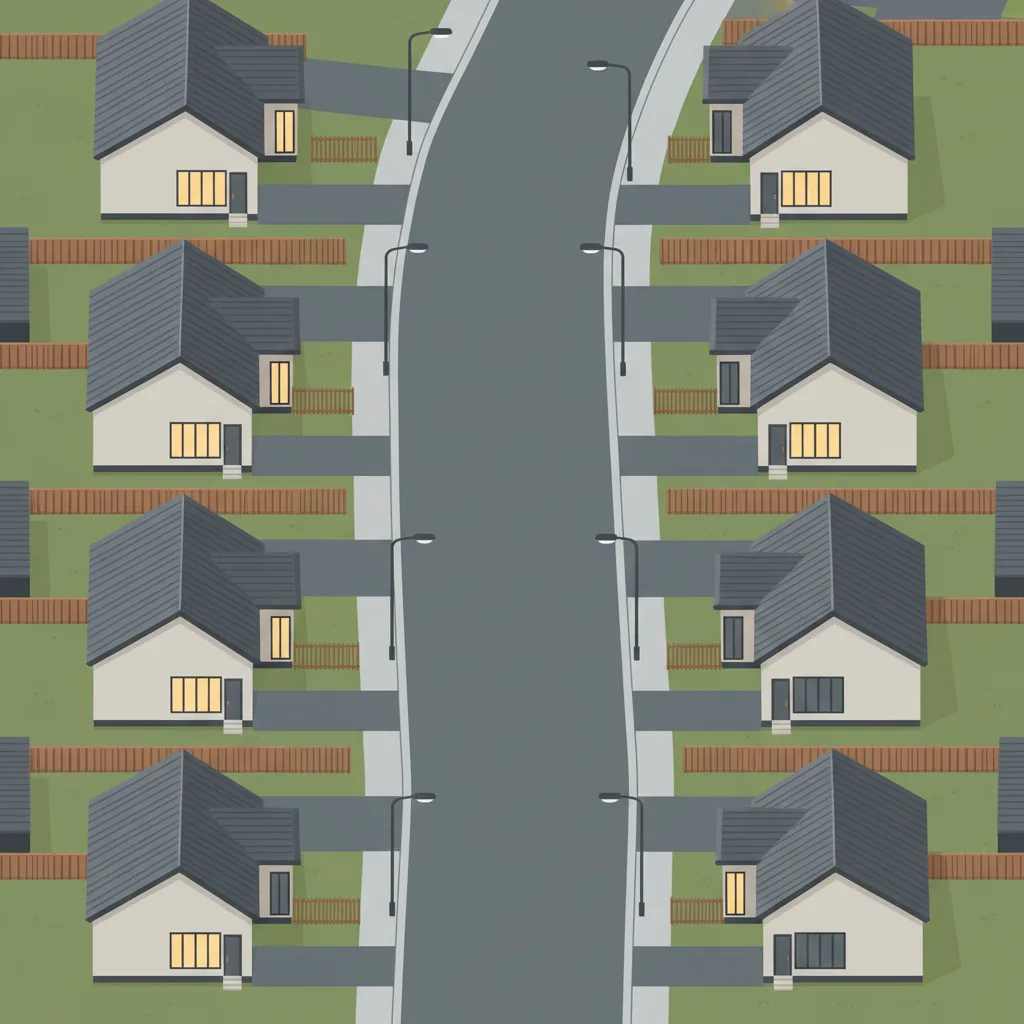
Two diverging hallways in a quiet house, one leading to an open door with light, the other to a closed door.

行動への後悔

離婚する

30%

離婚者の27~39%が離婚を後悔している(女性27%、男性39%)

離婚した米国成人、オンラインパネル

遡及的、固定期間なし

不作為への後悔

不幸な結婚に留まる

32%

約3分の1が5年後も依然として不幸(結果の代理指標であり、後悔調査ではない)

不幸な結婚生活にある米国成人、NSFH全国代表パネル

5年縦断追跡

この選択を後悔した割合

balanced — ほぼ均衡 — どちらの選択も同程度の後悔を伴います。

関連する決断

意味的に類似する決断 — 同じ領域、異なるトレードオフ。

family

浮気の後悔

この選択を後悔した割合

行動が優勢

行動の後悔が3.7倍高い

family

家族調停 vs 訴訟

この選択を後悔した割合

不作為が優勢

不作為の後悔が3.1倍高い

family

若くして結婚 vs. 待つ

この選択を後悔した割合

行動が優勢

行動の後悔が1.5倍高い

family

子供を持つ

この選択を後悔した割合

均衡

ほぼ均衡

family

家族との断絶

この選択を後悔した割合

不作為が優勢

不作為の後悔が3.4倍高い

family

専業 vs 共働き

この選択を後悔した割合

行動が優勢

行動の後悔が1.3倍高い

family

カップル療法 vs 受けない

この選択を後悔した割合

不作為が優勢

不作為の後悔が1.2倍高い

family

家族の人数

この選択を後悔した割合

不作為が優勢

不作為の後悔が2.6倍高い

この決断の背後にあるリスク

この選択の根底にある確率。

About one-third of unhappily married adults who stayed married were still unhappy five years later (an outcome, not a regret survey), according to Waite et al.’s 2002 NSFH study — a rate nearly identical to the 30% of divorced adults who report regretting their divorce, anchored by Avvo’s 2016 panel survey (27% women, 39% men) and corroborated by broader estimates reaching at least one-third. The gender gap in divorce regret is consistent: men regret divorce more often than women, likely because women initiate roughly two-thirds of divorces and have therefore had more time to process the decision before it becomes final.

The cultural framing heavily favors action: divorce is positioned as liberation, staying as settling. The data complicates this. Waite’s finding that most unhappy marriages self-correct within five years is one of the more robust results in this literature, based on a nationally representative panel (NSFH) that tracked the same unhappily married respondents from a baseline rating to a five-year follow-up. It does not mean staying is always better — the study excluded abusive marriages, and “happy” was measured by a single survey item. But it does mean the widespread assumption that unhappiness in marriage is permanent is empirically wrong for the majority.

The near-parity between divorce-regret and staying-and-staying-unhappy rates (roughly 30% vs one-third) makes this one of the most balanced entries in the dataset — bearing in mind the inaction figure is an outcome, not a self-reported regret. The delta is within the margin of error for both surveys. The practical implication is that neither path reliably avoids regret — which is itself a useful calibration against the certainty that either side’s advocates tend to project.

出典: 行動

根拠台帳

以下の各数値は各出典が報告した内容であり、引用した原文の抜粋と算出方法を記載しています。リンクをクリックして直接確認できます。

3/3 件の出典が引用元と一字一句一致することを独立して検証済み

  1. [1] Avvo (original press release) — Avvo study: Men regret divorce more often than women 検証済み
    Avvo study: Men regret divorce more often than women
    統計値
    27% of women and 39% of men regret their divorce (73% of women and 61% of men report no regret)
    抜粋
    “"73% of women report having no regret over being divorced while 61% of men say the same." ”
    出典データ
    2016-03-15
    アクセス日
    2026-06-30
    検証
    グラウンディング監査の際、抜粋を引用元から独立して再取得し、原文と一字一句一致することを確認しました。
    計算過程
    Avvo 2016 survey via Research Now panel, 2,000 US adults age 18+, credibility interval ±2.5 pp. The press release frames it as no-regret: 73% of women and 61% of men report no regret, i.e. 27% of women and 39% of men regret divorcing. Gender-weighted midpoint ~33%, rounded to 0.30.
  2. [2] Psychology Today — 7 Reasons People Regret Divorce 検証済み
    7 Reasons People Regret Divorce
    統計値
    At least one-third of people regret their marriage dissolution; up to 80% among those who divorced for the wrong reasons
    抜粋
    “"Statistical data suggests that at least one-third of people regret their marriage dissolution. That number can rise to 80 percent for ex-spouses who chose the wrong reasons to get divorced and feel that it could have been prevented if both parties had put forth more effort." ”
    出典データ
    2023-06-12
    アクセス日
    2026-06-30
    検証
    グラウンディング監査の際、抜粋を引用元から独立して再取得し、原文と一字一句一致することを確認しました。
    計算過程
    Psychology Today narrative review corroborates the one-third floor (rising to 80% for subsets who divorced for the wrong reasons). We use the one-third floor as triangulation for the 0.30 rate.
  3. [3] ScienceDaily, reporting Rosenfeld (Stanford), American Sociological Association 2015 Annual Meeting — Women More Likely Than Men to Initiate Divorces, But Not Non-Marital Breakups 検証済み
    Women More Likely Than Men to Initiate Divorces, But Not Non-Marital Breakups
    統計値
    Women initiated 69% of divorces versus 31% for men, based on the 2009-2015 waves of the nationally representative 'How Couples Meet and Stay Together' survey (2,262 adults age 19-94, 371 of whom had broken up or divorced by 2015)
    抜粋
    “"Women initiated 69 percent of all divorces, compared to 31 percent for men." ”
    出典データ
    2015-08-22
    アクセス日
    2026-07-03
    検証
    グラウンディング監査の際、抜粋を引用元から独立して再取得し、原文と一字一句一致することを確認しました。
    計算過程
    Rosenfeld (Stanford sociology), presented at the 2015 American Sociological Association Annual Meeting, analyzing the "How Couples Meet and Stay Together" panel (2009-2015 waves, N=2,262 adults aged 19-94; 371 breakups/divorces by 2015). Added to ground the body's explanatory claim that women initiate roughly two-thirds of divorces -- a contextual figure explaining the gender gap in divorce regret, not a regret-rate input; does not change the action_side regret_rate (0.30).

出典: 不作為

根拠台帳

以下の各数値は各出典が報告した内容であり、引用した原文の抜粋と算出方法を記載しています。リンクをクリックして直接確認できます。

  1. [1] Institute for American Values / Waite, Browning et al. — Does Divorce Make People Happy? Findings from a Study of Unhappy Marriages
    Does Divorce Make People Happy? Findings from a Study of Unhappy Marriages
    統計値
    Two-thirds of unhappily married adults who stayed married reported being happy five years later; approximately one-third remained unhappy
    抜粋
    “"Two out of three unhappily married adults who avoided divorce or separation ended up happily married five years later. Just one out of three unhappy marriages ended in divorce or separation; among those who stayed, two-thirds reported being 'happily married' five years later." ”
    出典データ
    2002-07-11
    アクセス日
    2026-04-25
    計算過程
    Waite et al. tracked NSFH respondents who rated their marriages unhappy in wave 1. Of those who stayed, two-thirds reported being "happily married" at wave 2 (5 years later); the remaining ~one-third were still unhappy. This is an OUTCOME proxy — the study measured marital-happiness status, never asked a regret question — so the 0.32 rate stands in for "stayed and remained unhappy," not self-reported regret of the decision to stay.

注意事項

The Waite study defines "unhappy" by self-report on a single item and counts anyone who later reports being "happy" as a success, ignoring intermediate misery. It also excludes marriages involving domestic violence, where staying carries physical risk. The divorce regret figures come from the Avvo 2016 online panel (n = 2,000, ±2.5 pp) — a non-probability sample, not peer-reviewed. The original Avvo press release reports 73% of women and 61% of men with no regret, i.e. 27% of women and 39% of men who regret divorcing; some secondary blogs further rephrase the male figure as 32%, which the primary source does not support. Critically, the inaction "32%" is an OUTCOME measure (still unhappy five years later), not a regret survey — the NSFH study never asked whether stayers regretted staying. The two populations (all divorcees vs unhappily married stayers) are not directly comparable — selection effects dominate. The near-parity in rates is the finding; the precise delta is noise.

生データ: /api/decisions.json

このデバイスで最近見た項目