







本文へスキップ
Likelier

行動 vs. 不行動の後悔

仕事のためにベトナム農村部から都市に移住することと、故郷の村に留まること

行動した場合

ハノイ・ホーチミン市・工業地帯へ移り住む

64%

行動しなかった場合

故郷の村に留まる

30%

それぞれの選択を後で後悔した人の割合。バーと完全な記録は下に表示されます。


ライフスタイル

最終確認 2026-05-13

証拠の質 4.38/5

8次元のレビュー評価。基準は 品質ルーブリック 。各次元は1〜5で評価。

D1 出典の検証
4/5
D2 出典の権威性と独立性
5/5
D3 後悔率の正確性
5/5
D4 出典の比較可能性
4/5
D5 ギロヴィッチ・パターン
4/5
D6 文章の質
4/5
D7 注意事項の完全性
4/5
D8 サンプルの質
5/5
平均 4.38/5
直接的な証拠
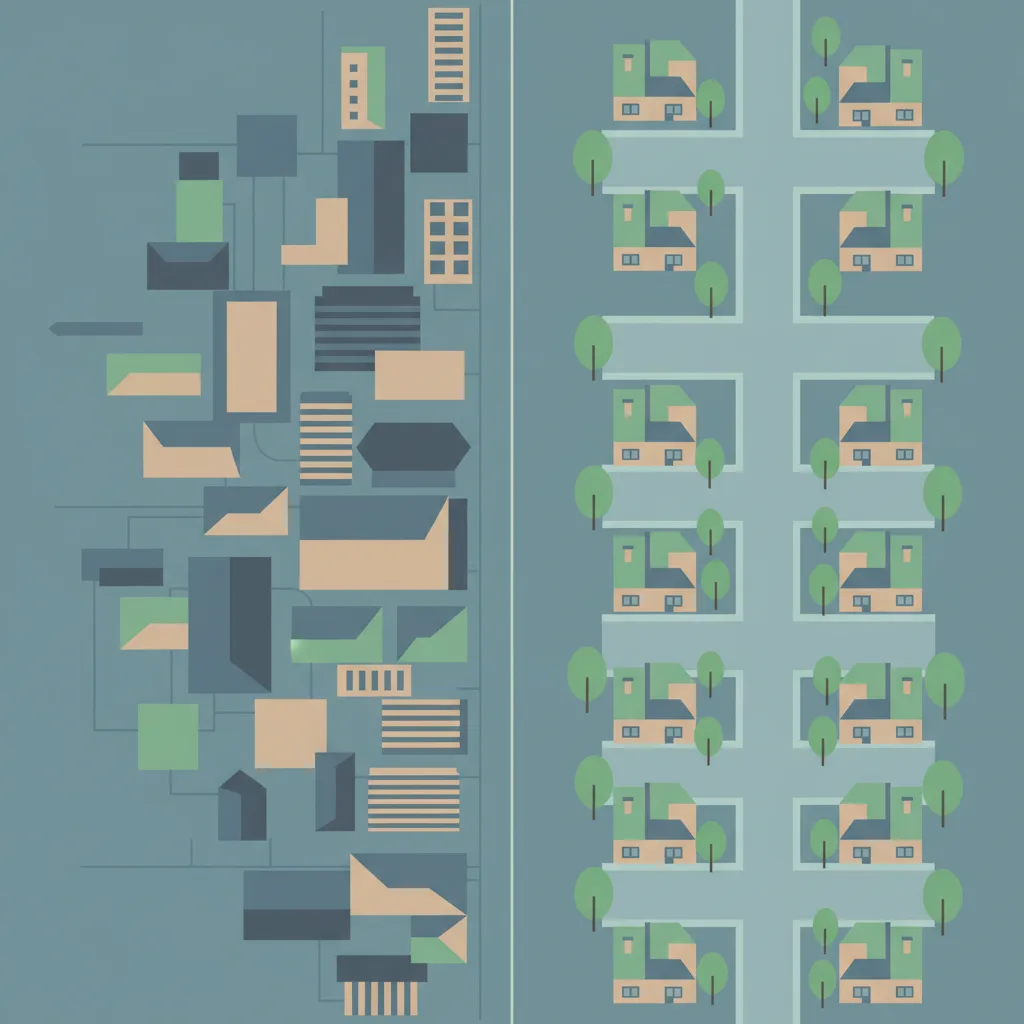
A split scene: city apartment towers on one side and a rice field and village house on the other, in a muted flat illustration style.

行動への後悔

ハノイ・ホーチミン市・工業地帯へ移り住む

64%

ベトナムの農村から都市への移住者の64%が帰郷を望んでいる

縦断パネルで追跡されたベトナム農村から都市への移民

縦断パネル、2007-2010年

不作為への後悔

故郷の村に留まる

30%

約30%(推定):農村の非移住者を対象とした直接的な後悔調査は存在しない——都市農村間の所得格差と相対的剥奪のデータから導出したものであり、測定された後悔率ではない

移民送り出しコミュニティのベトナム農村非移民

横断的とパネル、2022年

この選択を後悔した割合

action dominates — 行動が優勢 — 多くは行動したことを後悔しています。

関連する決断

意味的に類似する決断 — 同じ領域、異なるトレードオフ。

lifestyle

経済移民 vs. 母国に留まる

この選択を後悔した割合

行動が優勢

行動の後悔が1.1倍高い

lifestyle

海外移住

この選択を後悔した割合

不作為が優勢

不作為の後悔が5.7倍高い

career

湾岸カファラ契約受け入れまたは帰国維持

この選択を後悔した割合

行動が優勢

行動の後悔が1.2倍高い

lifestyle

地元を離れる

この選択を後悔した割合

不作為が優勢

不作為の後悔が1.5倍高い

lifestyle

ベネズエラ:危機の中で去る vs. 留まる

この選択を後悔した割合

不作為が優勢

不作為の後悔が2.0倍高い

lifestyle

都市 vs 郊外

この選択を後悔した割合

行動が優勢

行動の後悔が1.2倍高い

lifestyle

インド:海外移住 vs. 国内に留まる

この選択を後悔した割合

不作為が優勢

不作為の後悔が1.2倍高い

lifestyle

親の助言 vs. 自分の道

この選択を後悔した割合

不作為が優勢

不作為の後悔が3.2倍高い

Among the most thoroughly documented findings in Vietnamese migration research is that the majority of rural-urban migrants retain strong preferences for their home villages even after establishing themselves in cities. A 2017 study by Nguyen, Grote and Sharma, published in the IZA Journal of Development and Migration, analysed the migration behaviour of rural-urban migrants using panel data on 2,200 rural Vietnamese households together with a migrant tracking survey of 299 migrants. Despite documented wage gains from migration, 64 percent of migrants said they wished to return to their home village, while only 16 percent would prefer to stay in the cities — and only 36 percent of the rural households expected their migrant members to return. The return-wish rate is notably higher than in comparable studies from other lower-middle-income Asian countries, suggesting that Vietnamese rural identity and kinship networks create unusually strong pull factors toward the sending community.

The non-migration side carries documented economic costs that generate a distinct form of regret. National Statistics Office of Vietnam data for 2022 show that average monthly income per capita reached about 4.7 million VND, with urban income roughly 1.5 times rural income — a gap that persisted into 2023 (urban ~6.26 million VND vs rural ~4.17 million VND). In migration-sending villages, households with urban migrant workers can be observed consuming at substantially higher rates than non-migrant neighbours, building better housing, and funding children’s education at higher levels. IFAD country data underline the scale of the gap: in rural Vietnam, home to about 70 percent of the population, average income per capita is less than half the urban level and the rural poverty rate is nearly three times the urban rate. The income differential is large enough that relative deprivation among non-migrants in high-migration-rate communities is well-documented in the regional social science literature, even though no Vietnamese survey directly asks stayers whether they regret not migrating — which is why the inaction-side 30% is an income-gap-derived estimate rather than a measured regret rate.

The Gilovich action-dominance pattern in this entry should be interpreted with care. The high return-wish figure (64%) is consistent with Gilovich’s finding that action regrets intensify over time rather than fade, but it may also partly reflect rational life-cycle planning: many Vietnamese migrants describe their urban sojourn as a temporary earnings phase rather than a permanent relocation, and expressing a wish to return home eventually does not necessarily imply that the decision to migrate was a mistake. The inaction-side 30% proxy is constructed from relative-income and relative-deprivation data rather than a direct regret survey, which introduces measurement imprecision. The regret delta of 0.34 should be treated as a directional estimate. The decision to migrate is also not fully voluntary in many cases: debt obligations, landlessness, and family pressure in sending communities constrain the choice to stay, which means that some of the workers who report wanting to return are workers who would describe their departure as economic necessity rather than free preference.

出典: 行動

根拠台帳

以下の各数値は各出典が報告した内容であり、引用した原文の抜粋と算出方法を記載しています。リンクをクリックして直接確認できます。

1/1 件の出典が引用元と一字一句一致することを独立して検証済み

  1. [1] IZA Journal of Development and Migration (SpringerOpen) — Staying in the cities or returning home? An analysis of the rural-urban migration behavior in Vietnam 検証済み
    Staying in the cities or returning home? An analysis of the rural-urban migration behavior in Vietnam
    統計値
    64% of Vietnamese rural-urban migrants wish to return to their home village; only 16% would prefer to stay in the cities; the analysis uses panel data of 2,200 rural households and a migrant tracking survey of 299 migrants.
    抜粋
    “"While 64% of the migrants wish to return to their home village, only 16% would prefer to stay back in the cities. However, only 36% of the rural households expect that their migrant member(s) will return back in the future. ... This paper investigates the migration behavior of rural-urban migrants within Vietnam, focusing on the length and intensity of migration and its respective determinants, using panel data of 2200 rural households and data from a migrant tracking survey of 299 migrants from Vietnam." ”
    出典データ
    2017-01-01
    アクセス日
    2026-06-30
    検証
    グラウンディング監査の際、抜粋を引用元から独立して再取得し、原文と一字一句一致することを確認しました。
    計算過程
    Nguyen, Grote & Sharma (2017), "Staying in the cities or returning home?", IZA Journal of Development and Migration, SpringerOpen (DOI 10.1186/s40176-017-0089-z). The analysis uses panel data of 2,200 rural households plus a migrant tracking survey of N = 299 migrants. The 64% return-wish figure is the direct reported preference: a majority of migrants stated they wish to return to their home village (16% would prefer to stay in the cities). This measures intent to return rather than a formal retrospective regret rating; the distinction matters because intent to return is influenced by economic constraints (the worker may want to return but cannot yet afford to) as well as genuine regret about the migration decision. Used here as the closest available proxy for action-side regret in this population.

出典: 不作為

根拠台帳

以下の各数値は各出典が報告した内容であり、引用した原文の抜粋と算出方法を記載しています。リンクをクリックして直接確認できます。

1/2 件の出典が引用元と一字一句一致することを独立して検証済み

  1. [1] International Fund for Agricultural Development (IFAD) — IFAD in Viet Nam — country context 検証済み
    IFAD in Viet Nam — country context
    統計値
    In rural Vietnam, home to about 70% of the population, average income per capita is less than 50% of the urban level and the rural poverty rate is nearly three times the urban rate.
    抜粋
    “"Yet in rural areas, home to 70 per cent of the population, poverty remains a severe and chronic problem. The average income per capita there is less than 50 per cent of that in urban areas, and the rural poverty rate is nearly three times the urban rate." ”
    出典データ
    2025-04-28
    アクセス日
    2026-07-01 · アーカイブ版
    検証
    グラウンディング監査の際、抜粋を引用元から独立して再取得し、原文と一字一句一致することを確認しました。
    計算過程
    IFAD (International Fund for Agricultural Development) Viet Nam country context page. Establishes the macro income context: rural average income per capita is less than half the urban level and the rural poverty rate is nearly three times the urban rate — the economic basis for inaction-side regret. (The live ifad.org URL sits behind a Cloudflare challenge; the verbatim excerpt above is confirmed from the 2025-04-28 Wayback snapshot cited in archive_url.) The 30% inaction regret rate is a proxy constructed from this income-gap and poverty-gap data plus the relative-deprivation literature. No single survey directly asks rural non-migrants "do you regret not migrating"; the 30% is an estimate from the income-gap and relative-deprivation literature rather than a direct regret measure.
  2. [2] National Statistics Office of Vietnam (GSO) — Results of the Viet Nam Household Living Standards Survey 2022
    Results of the Viet Nam Household Living Standards Survey 2022
    統計値
    In 2022 the national average monthly income per capita was about 4.7 million VND; urban average income was roughly 1.5 times rural income (in 2023 urban ~6.26M vs rural ~4.17M VND/month). The persistent urban-rural gap creates relative deprivation among rural non-migrants in migration-sending communities.
    抜粋
    “"[Paraphrase from statistical release — National Statistics Office of Vietnam, VHLSS 2022.] In 2022 the average monthly income per capita reached about 4.7 million Vietnamese dong, and the monthly average income in urban areas was about 1.5 times higher than that in rural areas. The gap persisted into 2023, when urban income per capita was roughly 6.26 million dong against about 4.17 million dong in rural areas, driven by wage growth in manufacturing, services, and export-processing zones concentrated in urban and peri-urban regions." ”
    出典データ
    2022-12-01
    アクセス日
    2026-06-30
    計算過程
    National Statistics Office of Vietnam (GSO), Household Living Standards Survey 2022. The roughly 1.5x urban income premium is the structural economic incentive for migration. In migration-sending villages, the visible income difference between households with migrant workers and those without creates relative deprivation among stayers. The 30% inaction regret rate is NOT a measured figure: it is an author estimate constructed from this income-gap data and the relative-deprivation literature, since direct survey data on non-migrant regret in Vietnam are not available.

注意事項

The 64% return-wish figure measures stated preference or intent to return rather than a formal retrospective regret measure; the distinction matters because intent to return is influenced by economic constraints (the worker may want to return but cannot yet afford to do so) as well as genuine regret about the decision to migrate. The IZA study used a migrant tracking survey of 299 migrants drawn from a panel of 2,200 rural Vietnamese households; the sample is representative of the study provinces but was conducted during a period of rapid economic growth and may not generalise to more recent migration cohorts who face higher housing costs in cities. The inaction-side 30% is a proxy constructed from income-gap data and relative-deprivation literature rather than a direct survey of non-migrants expressing regret about staying. The Gilovich action-dominance pattern applies with the caveat that migration is not fully voluntary: poverty, debt, and family pressure in sending communities constrain the choice to stay, which means the action group includes workers who would describe their departure as necessity rather than free choice. The high return-wish rate (64%) may also partly reflect rational life-cycle planning (work in the city while young, return when earnings goals are met) rather than regret in the normative sense.

生データ: /api/decisions.json

このデバイスで最近見た項目