
本文へスキップ
Likelier

行動 vs. 不行動の後悔

今ちょうど合うものを買うか、必要以上に大きいものを買うか

行動した場合

今の必要に合うものを買う

8.0%

行動しなかった場合

必要以上に大きいものを買う

5.0%

それぞれの選択を後で後悔した人の割合。バーと完全な記録は下に表示されます。


金融

最終確認 2026-05-04

証拠の質 4.13/5

8次元のレビュー評価。基準は 品質ルーブリック 。各次元は1〜5で評価。

D1 出典の検証
5/5
D2 出典の権威性と独立性
4/5
D3 後悔率の正確性
4/5
D4 出典の比較可能性
5/5
D5 ギロヴィッチ・パターン
2/5
D6 文章の質
5/5
D7 注意事項の完全性
4/5
D8 サンプルの質
4/5
平均 4.13/5
直接的な証拠
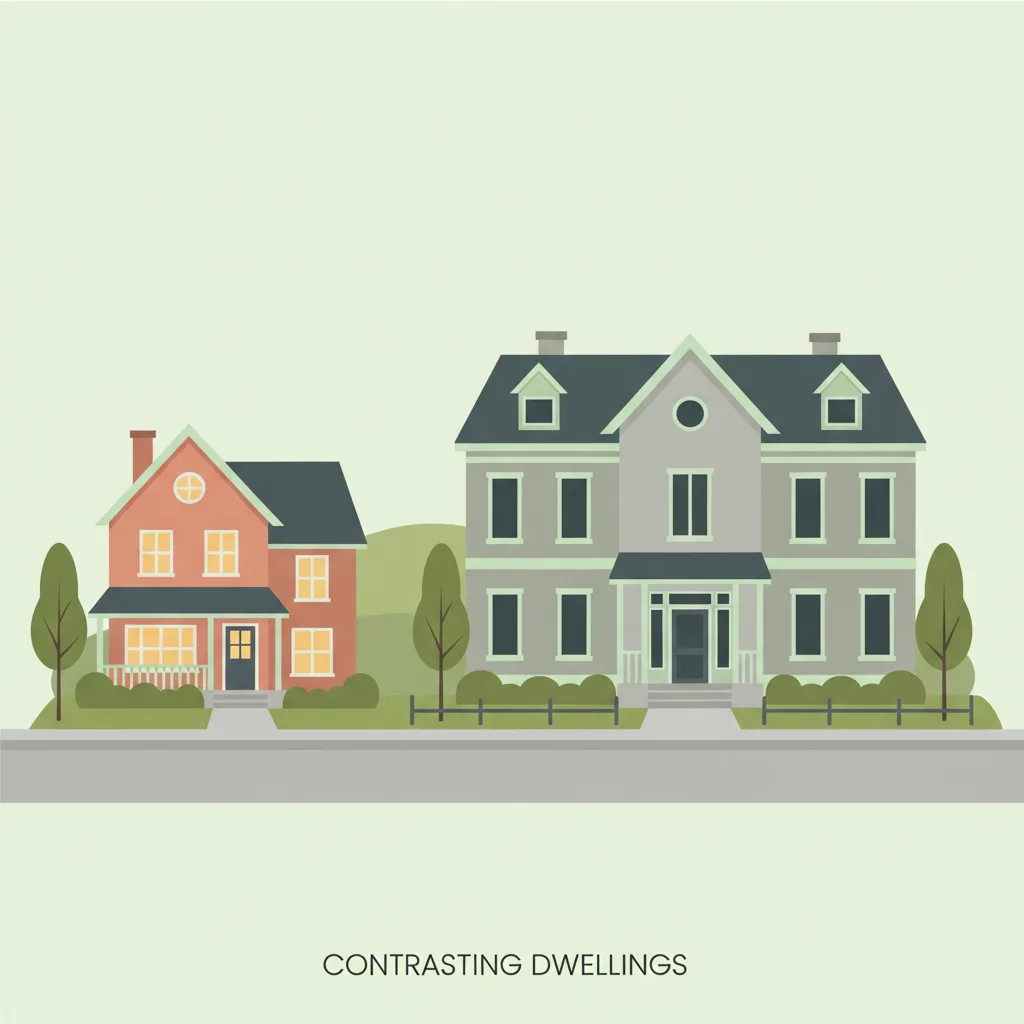
Two houses side by side — one compact and tidy, the other larger with several dark, unused windows.

行動への後悔

今の必要に合うものを買う

8.0%

住宅所有者の約8%がもっと大きく買えばよかったと希望

米国住宅所有者、全国代表

遡及的、固定期間なし

不作為への後悔

必要以上に大きいものを買う

5.0%

住宅所有者の約5%が空間を買いすぎたことを後悔

米国住宅所有者、全国代表

遡及的、固定期間なし

この選択を後悔した割合

action dominates — 行動が優勢 — 多くは行動したことを後悔しています。

関連する決断

意味的に類似する決断 — 同じ領域、異なるトレードオフ。

金融直接

住宅購入

この選択を後悔した割合

不作為が優勢

不作為の後悔が5.6倍高い

金融

自宅リフォーム

この選択を後悔した割合

行動が優勢

行動の後悔が2.3倍高い

金融

固定金利 vs. 変動金利ローン

この選択を後悔した割合

行動が優勢

行動の後悔が3.6倍高い

金融

建物検査条件の放棄

この選択を後悔した割合

行動が優勢

行動の後悔が3.1倍高い

金融

家賃交渉

この選択を後悔した割合

不作為が優勢

不作為の後悔が1.9倍高い

金融

新車 vs 中古車

この選択を後悔した割合

均衡

ほぼ均衡

lifestyle

EV vs ガソリン車

この選択を後悔した割合

行動が優勢

行動の後悔が2.9倍高い

lifestyle

有機対従来型

この選択を後悔した割合

不作為が優勢

不作為の後悔が3.1倍高い

About 8% of US homeowners wish they had bought a bigger home, versus roughly 5% who regret buying too much space, according to Bankrate’s 2024 survey of homeowners with purchase regrets. The gap is narrow — 3 percentage points — and the finding cuts against the popular “don’t buy too much house” advice. Among homeowners who have any regret at all (47% of the total), “too small” ranks second at 18%, while “too big” comes in at 10%, behind maintenance costs, location, overpaying, and mortgage rates. The pattern extends beyond housing: vehicle buyers who chose a compact car and later needed a larger one face modest upgrade costs, while those who bought an oversized SUV absorb years of higher fuel, insurance, and depreciation on capacity they never use.

The small gap masks an asymmetry in how the two regrets feel. Right-sizers who outgrow their space experience a concrete, daily friction: the cramped home office, the bedroom that doubled as a nursery. Oversizers, by contrast, often absorb their regret into adjacent financial complaints. Bankrate’s survey found 40% of regretful owners citing maintenance and hidden costs as their top grievance, and 13% citing an unaffordable mortgage — both categories that disproportionately affect those who bought more home than they needed. Genesove and Mayer’s study of Boston condominiums showed that owners anchored to their purchase price set asking prices 25–35% above market when facing a loss, creating a psychological lock-in that makes downsizing from an oversized home especially painful. Hedonic adaptation compounds the problem: the pleasure of extra square footage fades within months, but the mortgage payment never adapts.

Neither side of this decision carries catastrophic regret rates. Both land under 10%, well below the 45% of renters who wish they had bought at all. The honest read is that most homeowners, whether they sized up or sized down, would do the same thing again. For buyers weighing the tradeoff today, the financial math favors right-sizing: transaction costs for a future upgrade ($1,000–$5,000 for a local move) are modest compared to years of carrying costs on unused space. But the data does not support a strong directional claim. Individual variables — market trajectory, family plans, remote-work permanence — swamp the aggregate signal.

出典: 行動

根拠台帳

以下の各数値は各出典が報告した内容であり、引用した原文の抜粋と算出方法を記載しています。リンクをクリックして直接確認できます。

  1. [1] Bankrate — Bankrate 2024 Homeowner Regrets Survey
    Bankrate 2024 Homeowner Regrets Survey
    統計値
    18% of homeowners with regrets say they bought too small a house; 47% of all homeowners have at least one regret
    抜粋
    “"Nearly half (47 percent) of current U.S. homeowners have a regret about their purchase. Among those with regrets, 18% say they bought too small of a house." ”
    出典データ
    2024-05-01
    アクセス日
    2026-04-28
    計算過程
    Bankrate's April 2024 nationally representative survey. 47% of homeowners report at least one regret. Of those, 18% cite "too small" as their regret. Population-level rate: 0.47 × 0.18 = 0.085, rounded to 0.08. This represents homeowners who, looking back, wish they had purchased a larger home — not necessarily people who deliberately right-sized, but the closest available proxy.
  2. [2] Clever Real Estate — American Home Buyer Report: 2024 Edition
    American Home Buyer Report: 2024 Edition
    統計値
    24% of recent homebuyers with regrets say their home doesn't meet all their needs
    抜粋
    “"82% of recent buyers have at least one regret about their purchase. Among those with regrets, 24% say their home doesn't meet all their needs." ”
    出典データ
    2024-05-13
    アクセス日
    2026-04-28
    計算過程
    Clever Real Estate survey of 920 Americans who bought in 2023-2024. The 24% "doesn't meet all needs" is broader than pure size regret — it includes layout, features, and location — but corroborates the Bankrate finding that undersizing is a common regret category.

出典: 不作為

根拠台帳

以下の各数値は各出典が報告した内容であり、引用した原文の抜粋と算出方法を記載しています。リンクをクリックして直接確認できます。

  1. [1] Bankrate — Bankrate 2024 Homeowner Regrets Survey
    Bankrate 2024 Homeowner Regrets Survey
    統計値
    10% of homeowners with regrets say they bought too big a house; 47% of all homeowners have at least one regret
    抜粋
    “"Among homeowners with regrets, 10% say their regret is that their home is too big. The most common regret overall is maintenance and hidden costs (40%), followed by buying too small (18%)." ”
    出典データ
    2024-05-01
    アクセス日
    2026-04-28
    計算過程
    Same Bankrate 2024 survey. 47% have regrets, 10% of those cite "too big." Population-level rate: 0.47 × 0.10 = 0.047, rounded to 0.05. Note that oversizing regret may be underreported because its costs (maintenance, utilities, mortgage strain) are captured by adjacent categories: 40% cite "maintenance/hidden costs" and 13% cite "mortgage too high." Those who bought too big may attribute regret to cost rather than size.
  2. [2] The Quarterly Journal of Economics — Loss Aversion and Seller Behavior: Evidence from the Housing Market
    Loss Aversion and Seller Behavior: Evidence from the Housing Market
    統計値
    Owners facing nominal losses set asking prices 25-35% above expected sale price and exhibit much lower sale hazard
    抜粋
    “"Condominium owners subject to nominal losses set higher asking prices of 25-35 percent of the difference between the property's expected selling price and their original purchase price, attain higher selling prices of 3-18 percent of that difference, and exhibit a much lower sale hazard than other sellers." ”
    出典データ
    2001-11-01
    アクセス日
    2026-04-28
    計算過程
    Genesove and Mayer (2001), data from downtown Boston condos in the 1990s. This study doesn't directly measure oversizing regret but documents the mechanism that traps oversizers: loss aversion anchors owners to their purchase price, making them reluctant to sell even when the home no longer fits. Owner-occupants show effects twice as large as investors. Cited as evidence that overprovisioning creates psychological lock-in beyond the financial cost.

注意事項

No survey asks the precise question posed here — "did you deliberately right-size and regret it, or deliberately overprovision and regret it?" The Bankrate rates are derived from homeowners retrospectively judging whether their home is too small or too big, which conflates deliberate strategy with budget constraints and life changes. The 3-percentage-point gap is small enough that individual circumstances dominate the aggregate signal. Housing data is strongest; vehicle and general-purchase evidence is directional but thinner. In rapidly appreciating markets, oversizers are partially rescued by equity growth; in flat or declining markets, the cost penalty of extra square footage is amplified. The 40% who cite maintenance costs may include many oversizers who frame their regret as financial rather than spatial, which would narrow or reverse the gap if re-coded.

生データ: /api/decisions.json

このデバイスで最近見た項目