
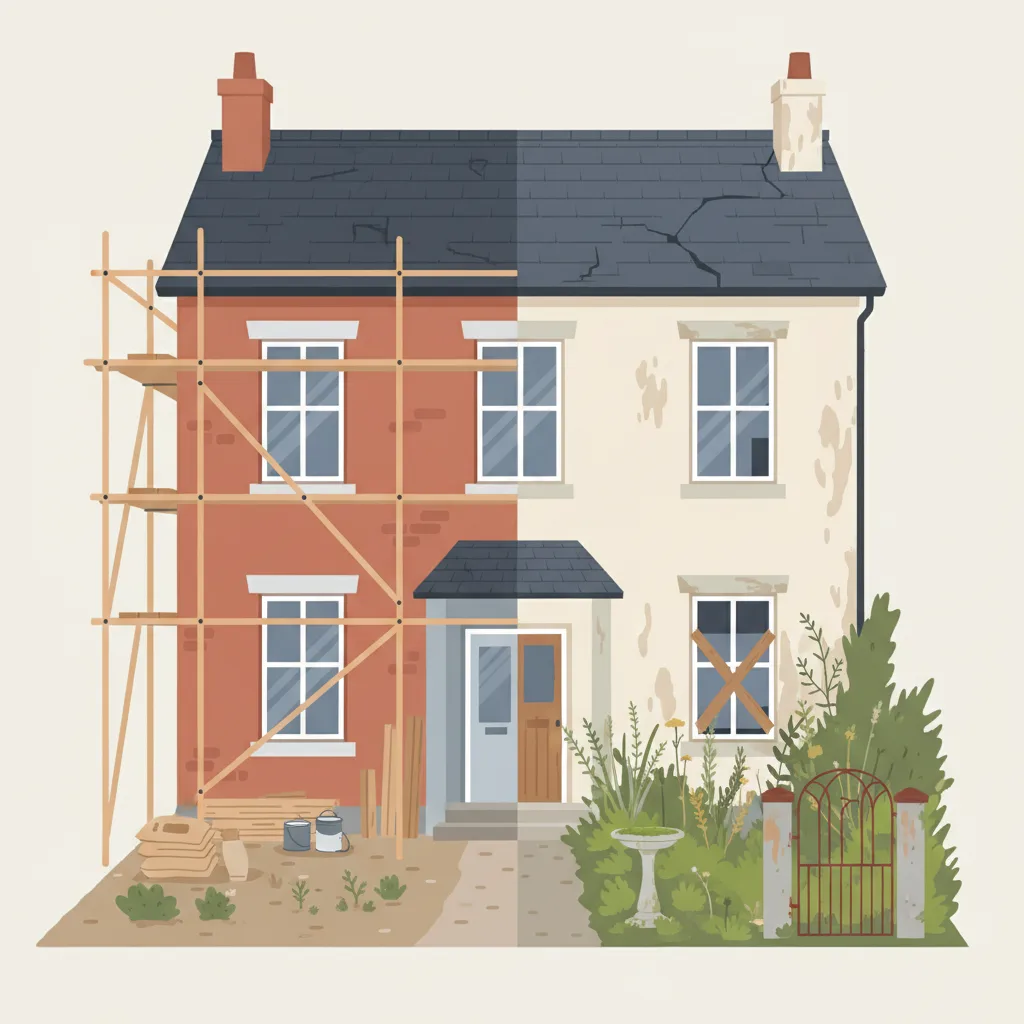


Waiving a home inspection contingency became a common tactic in the 2020–2022 housing frenzy: buyers dropped the clause to make their offers more appealing in multi-bid situations. A 2023 survey of 1,000 Americans who had moved since 2020 found that 15% waived a home inspection — and of those, 47% came to regret it. The mechanism is predictable: inspections exist to surface hidden defects (structural issues, failing HVAC, water damage, electrical hazards) that sellers are not always required to disclose. Clever Real Estate’s 2025 annual buyer survey (n=986) found that 44% of recent buyers discovered undisclosed problems after moving in, a figure that has held steady across three years of surveys regardless of whether buyers had an inspection.
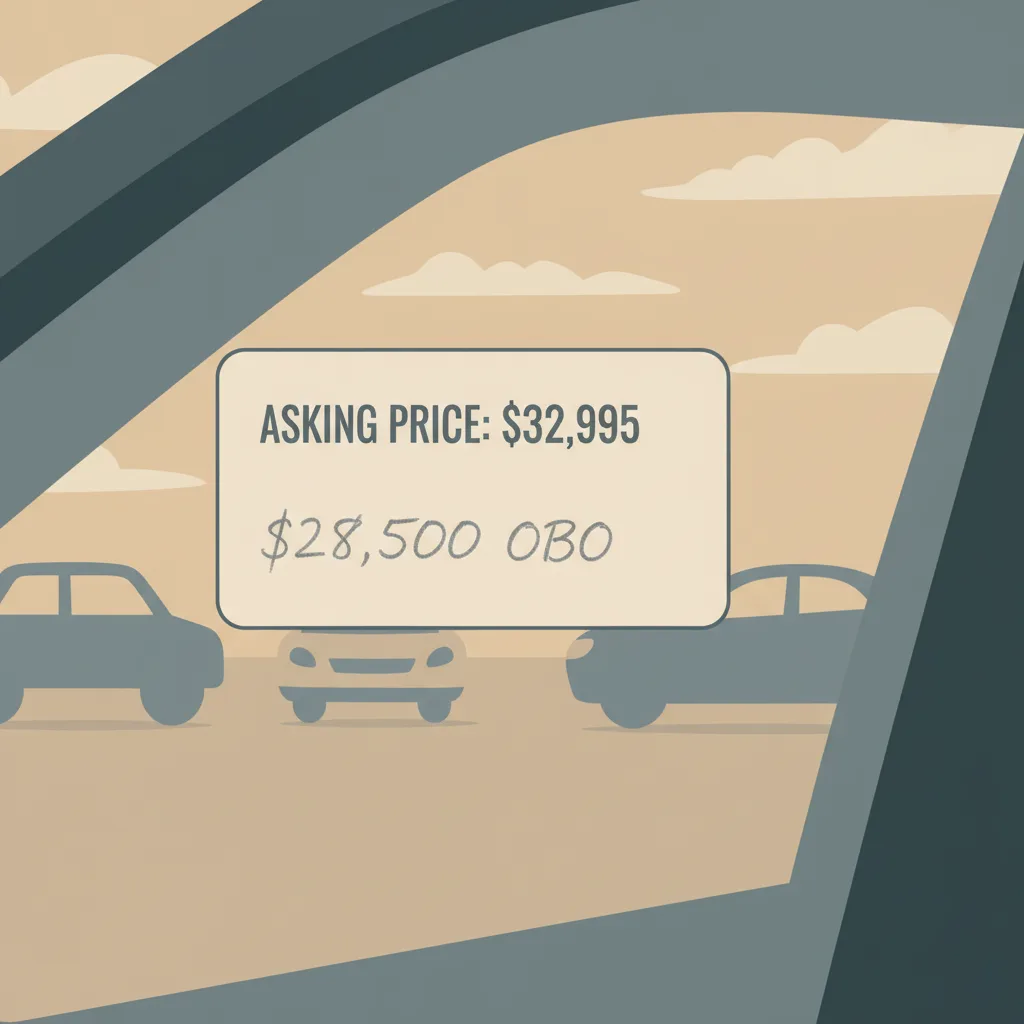
This entry is unusual in the dataset: the action-regret rate substantially exceeds the inaction-regret estimate, reversing the typical pattern. Most negotiation and risk-taking decisions generate more regret from inaction than action, because the unchosen path is idealized over time. Here, buyers who waived inspection took a real, specific risk — purchasing a property sight-unseen for major defects — and a large fraction paid for it. The buyers who held firm on inspection rights and eventually bought a different home did face friction (Clever Real Estate 2025 finds the median buyer made two offers before one was accepted, and 31% made three or more), but the market normalization of multiple-offer sequences means that holding out is not an outlier experience. It is the typical path.
The limitations are meaningful. The 47% figure comes from a survey commissioned by a home services company (All Star Home), and full methodology was not disclosed; the selection of buyers who moved during 2020–2023 oversamples a period of unusually intense bidding competition. NAR Realtors Confidence Index data shows inspection waivers peaked at roughly 30% of transactions in mid-2022 and have since receded to 13–23% as the market cooled; in today’s market, most buyers can include inspection contingencies without significant competitive disadvantage. The 15% inaction-regret estimate is a proxy with no direct survey equivalent. Forty-five percent of sellers who rejected contingent offers and held out for cleaner bids ultimately settled for lower prices (Clever Real Estate 2023) — suggesting that buyers who held contingencies often prevailed anyway, which further suppresses inaction regret in hindsight.