





35% of US parents say they tend to give in too quickly, while 30% say they fail to push their children hard enough, from the same Pew Research Center survey of 3,757 nationally representative US parents fielded in late 2022. Both figures are self-identification proxies, not retrospective regret rates: parents are recognising a present tendency, not judging a completed childhood in hindsight. The action-side has a slim 5-point lead, distinguishing this question from the more lopsided pattern in the broader helicopter-parenting literature; the margin is narrow enough that both errors are meaningfully represented in parental self-assessment.
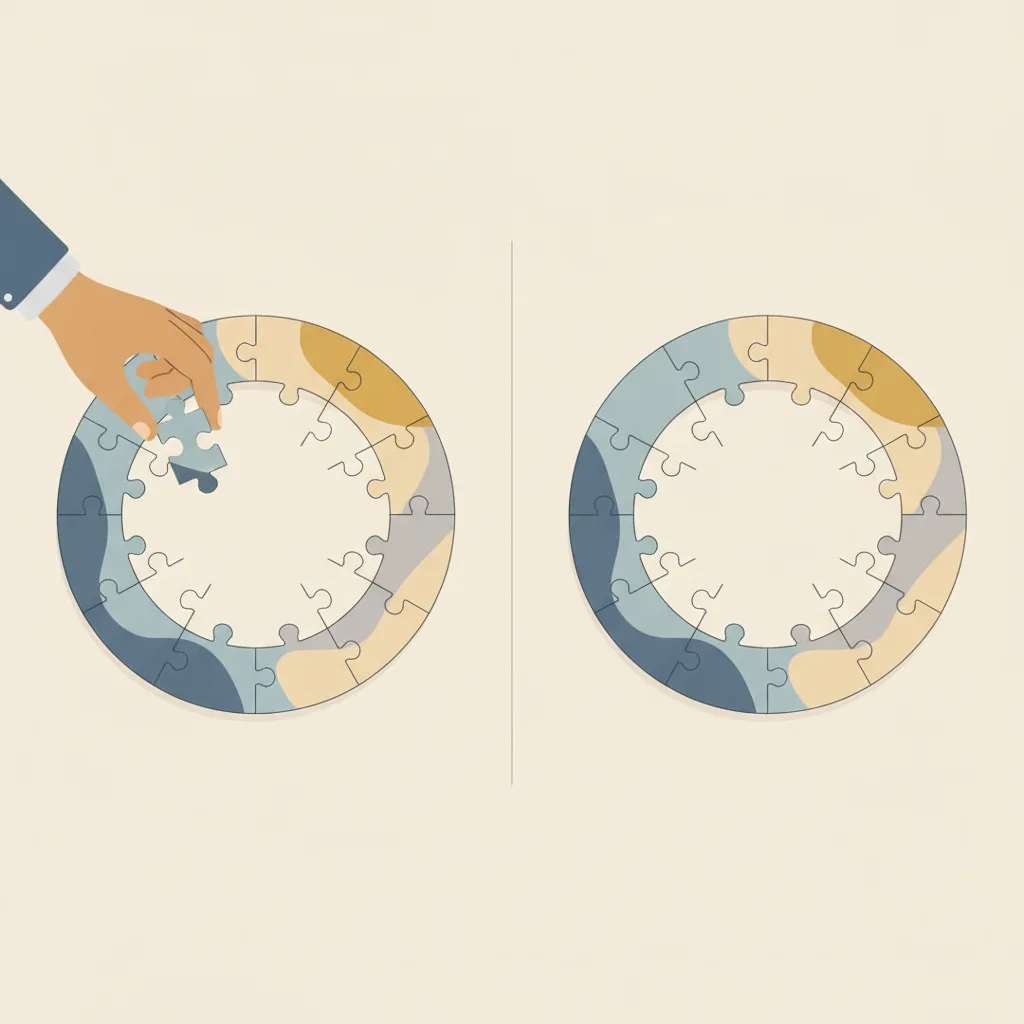
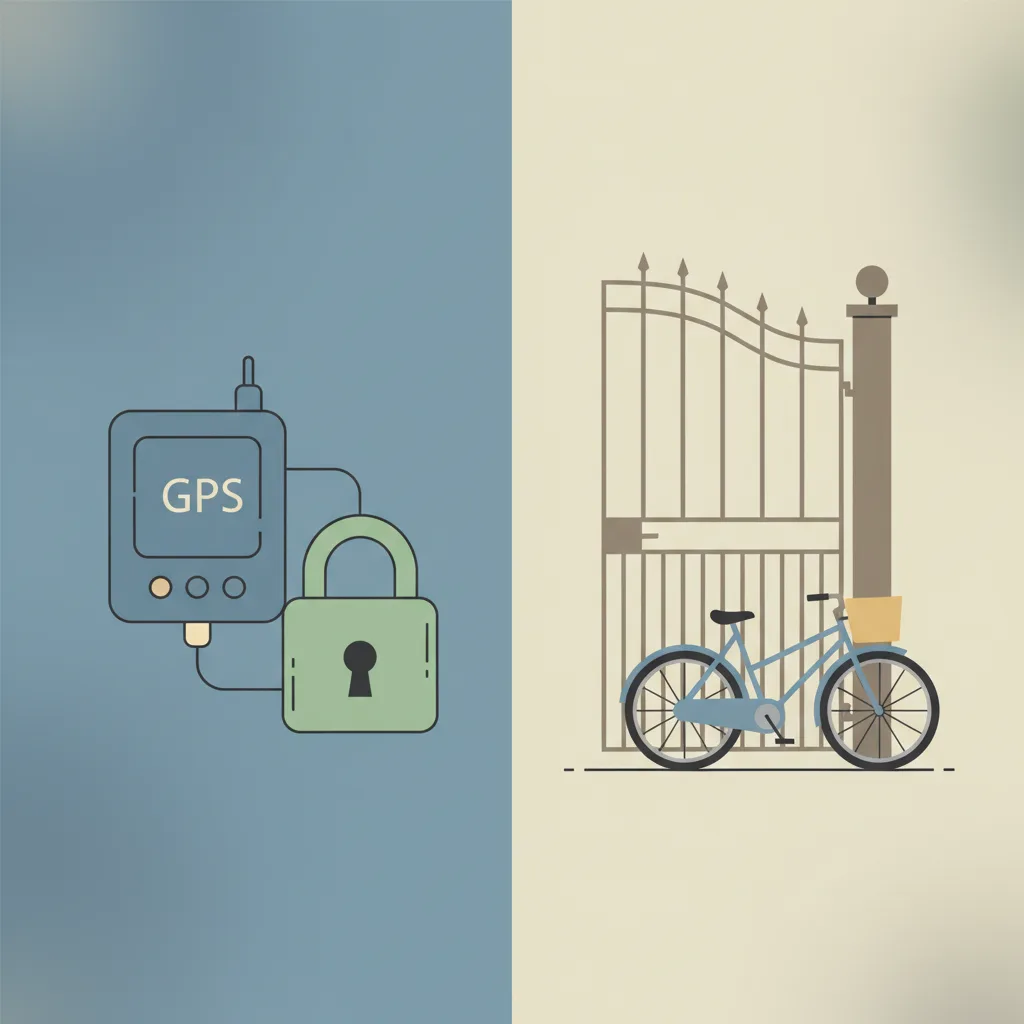
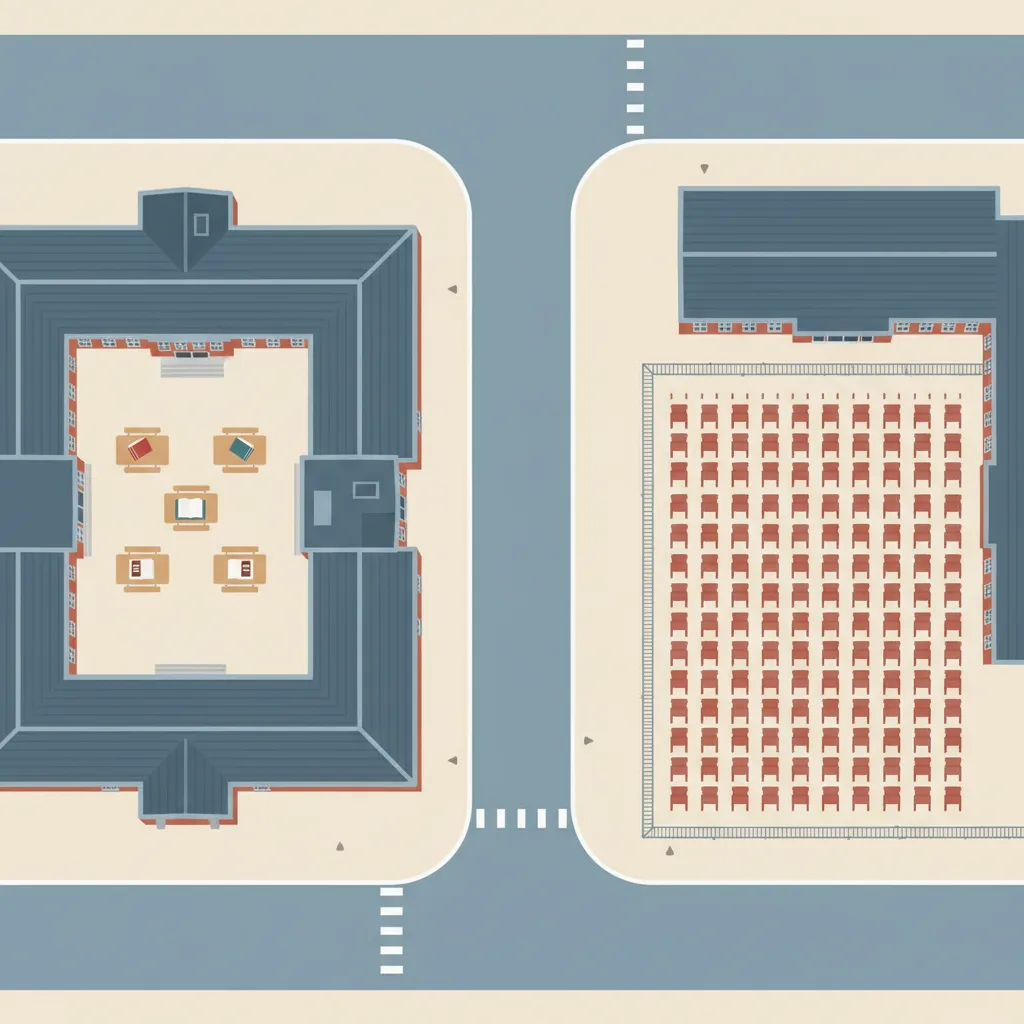
The behavioral outcomes literature, however, does identify a directional cost on the rescue side. Leonard, Martinez, Dashineau, Park, and Mackey (2021) published an experimental study in Child Development showing that children assigned to a taking-over condition persisted less on a subsequent task than those in a teaching or baseline condition. The study isolates the micro-behavior that defines this dilemma: the moment a parent steps in while a child is still grappling. The Mott Poll (October 2023, n=1,044 parents of children aged 5–11) found that while nearly 75% of parents say they encourage independence, fewer than half report their children regularly complete age-appropriate tasks alone. For 9–11-year-olds, 80% of parents agreed unsupervised free time is developmentally valuable, but fewer than half allowed their child to walk or bike to a friend’s house independently. The attitude-behavior gap suggests the 35% who acknowledge giving in too quickly may undercount the true share whose rescue impulse is active in practice.
The honest framing, then, is that both errors carry documented costs and roughly equal rates of parental self-recognition, a pattern the Gilovich temporal model would predict as unstable across time. Action regrets (having hovered and solved) tend to feel more acute when visible: a child who cannot tolerate frustration, cannot start a task without help, registers as a present failure. Inaction regrets (not scaffolding enough, watching a child disengage from challenge) tend to crystallize later, when the child avoids hard problems rather than attempting them. The Leonard et al. findings suggest the rescue pathway accumulates its cost earlier and more measurably; the Pew proxies suggest parents sense both errors at roughly comparable rates. The safest reading is that the risk lies not in a single style but in the reflexive quality of the response: intervening before the child has had real time to attempt, or withdrawing support so completely that challenge becomes discouragement.