
本文へスキップ
Likelier

行動 vs. 不行動の後悔

子どもを私立に通わせるか、公立に通わせるか

行動した場合

私立校

13%

行動しなかった場合

公立校

41%

それぞれの選択を後で後悔した人の割合。バーと完全な記録は下に表示されます。


家族

最終確認 2026-04-26

証拠の質 4.38/5

8次元のレビュー評価。基準は 品質ルーブリック 。各次元は1〜5で評価。

D1 出典の検証
5/5
D2 出典の権威性と独立性
4/5
D3 後悔率の正確性
2/5
D4 出典の比較可能性
5/5
D5 ギロヴィッチ・パターン
5/5
D6 文章の質
5/5
D7 注意事項の完全性
5/5
D8 サンプルの質
4/5
平均 4.38/5
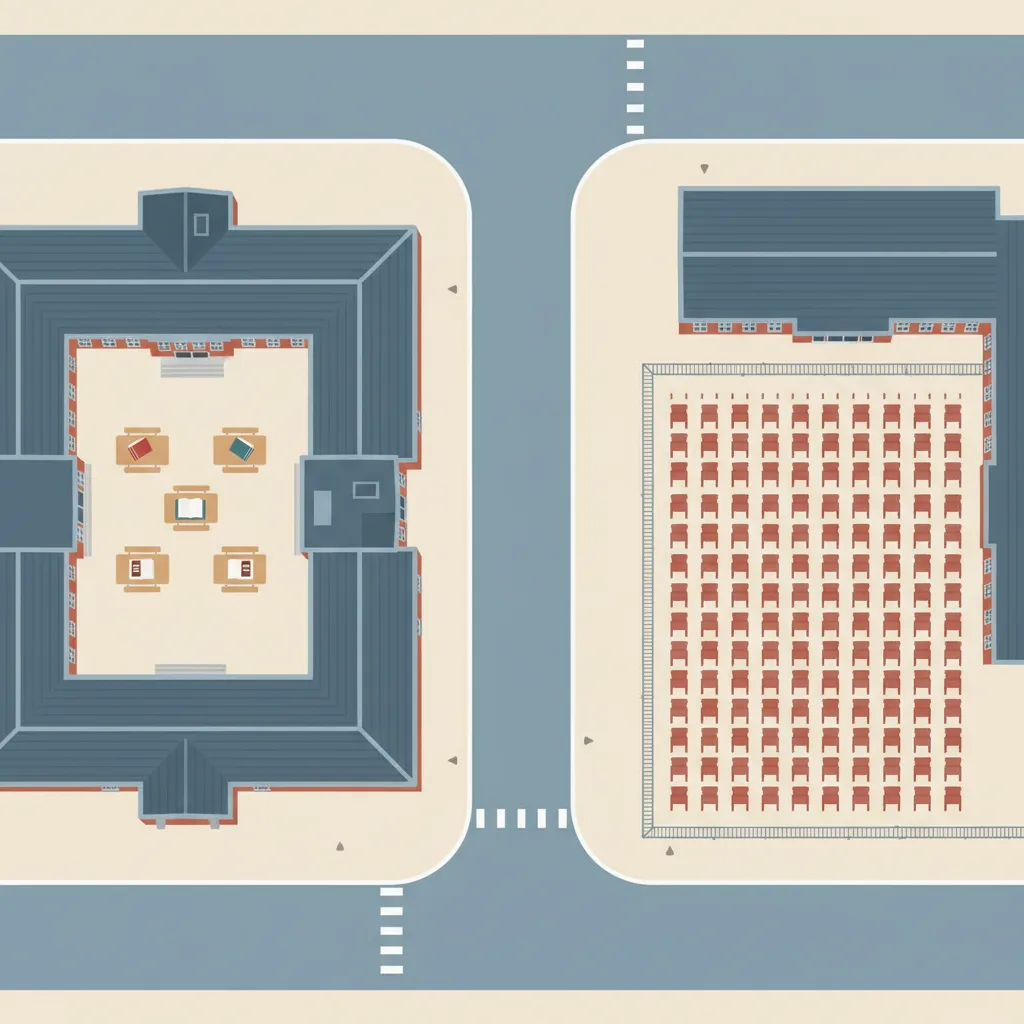
Two school buildings side by side, one with a small class and one with a large crowd, seen from above.

行動への後悔

私立校

13%

私立学校親の13%が同じ学校を再選択しない(代替指標 — 再選択可能性)

K-12生徒の米国親、全国代表

遡及的、固定期間なし

不作為への後悔

公立校

41%

公立学校親の41%が同じ学校を再選択しない(代替指標 — 再選択可能性)

K-12生徒の米国親、全国代表

遡及的、固定期間なし

この選択を後悔した割合

inaction dominates — 不作為が優勢 — 多くは行動しなかったことを後悔しています。

関連する決断

意味的に類似する決断 — 同じ領域、異なるトレードオフ。

family

専業 vs 共働き

この選択を後悔した割合

行動が優勢

行動の後悔が1.3倍高い

family

習い事 vs 自由遊び

この選択を後悔した割合

行動が優勢

行動の後悔が2.6倍高い

family

家族の人数

この選択を後悔した割合

不作為が優勢

不作為の後悔が2.6倍高い

family

助ける vs. 自力で乗り越えさせる

この選択を後悔した割合

行動が優勢

行動の後悔が1.2倍高い

family

家族の食事

この選択を後悔した割合

不作為が優勢

不作為の後悔が6.9倍高い

family

途中でやめさせる vs. 続けさせる

この選択を後悔した割合

不作為が優勢

不作為の後悔が2.3倍高い

family直接

子どものSNSアカウントへのアクセス

この選択を後悔した割合

行動が優勢

行動の後悔が5.4倍高い

family

自由放任 vs. 過保護な子育て

この選択を後悔した割合

行動が優勢

行動の後悔が2.3倍高い

41% of traditional public-school parents say they would not choose the same school again, according to a nationally representative 50CAN/Edge Research survey. Among private-school parents the figure is only 13% — more than three times lower. Pew Research corroborates the gap from a different angle: 79% of private-school families report high satisfaction with educational quality, compared with 55% of public-school families. Neither instrument measures regret directly, but the consistency across surveys and constructs suggests the asymmetry is real, not an artifact of question wording.

The demand-side data makes the inaction story sharper. EdChoice’s 2024 Schooling in America survey found that 36% of parents would prefer private school, yet only 9% actually enroll — a 4:1 gap driven almost entirely by tuition costs and geographic access. That gap complicates the Gilovich framing: most public-school “inaction” is involuntary, constrained by money rather than by indecision. A parent who cannot afford private school and later wishes they could have is experiencing frustrated aspiration, not the freely-chosen inaction that typically intensifies over time in the regret literature.

Selection bias is the largest confounder. Private-school families are wealthier, more likely to have two parents in the household, and more educationally engaged on every metric NCES tracks. Their higher satisfaction may reflect resources and involvement rather than anything intrinsic to private schooling. Randomized voucher studies (e.g., Milwaukee, DC Opportunity Scholarship) show modest academic gains and higher parental satisfaction, but the effect sizes are far smaller than the raw satisfaction gap implies. The directional finding — parents who chose private school regret it less — holds up; the magnitude should be read with the income gradient firmly in mind.

出典: 行動

根拠台帳

以下の各数値は各出典が報告した内容であり、引用した原文の抜粋と算出方法を記載しています。リンクをクリックして直接確認できます。

2/2 件の出典が引用元と一字一句一致することを独立して検証済み

  1. [1] 50CAN / Edge Research — The State of Educational Opportunity in America 検証済み
    The State of Educational Opportunity in America
    統計値
    87% of private-school parents would choose the same school again, vs 59% of traditional public-school parents
    抜粋
    “"87 percent of private school parents and 82 percent of parochial/religious school parents would make the same choice, while the number drops to 59 percent for traditional public school parents." ”
    出典データ
    2024-10-15
    アクセス日
    2026-04-26
    検証
    グラウンディング監査の際、抜粋を引用元から独立して再取得し、原文と一字一句一致することを確認しました。
    計算過程
    50CAN / Edge Research national survey. We derive action-regret as 1 − 0.87 = 0.13 (13% would not choose the same school). This is a proxy for regret — "would not choose again" conflates dissatisfaction, changed circumstances, and active regret.
  2. [2] Pew Research Center — Parents differ sharply by party over what their K-12 children should learn in school 検証済み
    Parents differ sharply by party over what their K-12 children should learn in school
    統計値
    79% of private-school parents report high satisfaction with the quality of their child's education, vs 55% of public-school parents
    抜粋
    “"About eight-in-ten parents answering about a child in private school (79%) express high levels of satisfaction with the quality of education their child is receiving, compared with a narrower majority (55%) of those answering about a child who is in public school." ”
    出典データ
    2022-10-26
    アクセス日
    2026-04-26
    検証
    グラウンディング監査の際、抜粋を引用元から独立して再取得し、原文と一字一句一致することを確認しました。
    計算過程
    Pew Research Center survey of U.S. parents of K-12 children (fielded Oct 2022). The 79% vs 55% satisfaction gap corroborates the 50CAN "would choose again" differential but measures a different construct (satisfaction vs hypothetical re-choice).

出典: 不作為

根拠台帳

以下の各数値は各出典が報告した内容であり、引用した原文の抜粋と算出方法を記載しています。リンクをクリックして直接確認できます。

1/2 件の出典が引用元と一字一句一致することを独立して検証済み

  1. [1] 50CAN / Edge Research — The State of Educational Opportunity in America
    The State of Educational Opportunity in America
    統計値
    Only 59% of traditional public-school parents would choose the same school again
    抜粋
    “"87 percent of private school parents would make the same choice, while the number drops to 59 percent for traditional public school parents." ”
    出典データ
    2024-10-15
    アクセス日
    2026-04-26
    計算過程
    Inaction-regret derived as 1 − 0.59 = 0.41. The 41% includes parents who would switch to private, charter, magnet, or homeschool — not exclusively to private school. This overstates the "wish I'd gone private" sentiment specifically.
  2. [2] EdChoice — Beyond Enrollment: What Parents Really Want from Their Children's Education 検証済み
    Beyond Enrollment: What Parents Really Want from Their Children's Education
    統計値
    36% of parents would most like to enroll in private school, but only 9% actually do
    抜粋
    “"The most popular schooling option was private schooling, with over a third of parents (36%) stating they would most like to enroll their children that way. This is four times the rate of students enrolled in private schools (9%)." ”
    出典データ
    2024-08-01
    アクセス日
    2026-04-26
    検証
    グラウンディング監査の際、抜粋を引用元から独立して再取得し、原文と一字一句一致することを確認しました。
    計算過程
    EdChoice 2024 Schooling in America Survey, n = 2,319 parents. The 4:1 ratio between stated preference and actual enrollment signals a large pool of constrained inaction — parents who want private school but face cost, location, or admissions barriers. This contextualizes but does not directly measure regret.

注意事項

Both sides draw on the same 50CAN/Edge Research survey, so the regret-rate comparison is internally consistent, but the question "would you choose the same school again" conflates regret with changed circumstances — a parent who moved neighborhoods may answer "no" without regretting the original decision. The Pew Research satisfaction data (79% vs 55%) uses a different instrument and year (2022 vs 2024), so the two datasets corroborate the direction but not the exact magnitude. Selection bias is the elephant: families who pay private-school tuition are wealthier and more educationally engaged; their higher satisfaction may reflect income and involvement, not school type alone. The EdChoice 36%-want-vs-9%-enrolled gap suggests cost is the primary barrier, meaning inaction here is often involuntary — a departure from Gilovich's framework, which assumes the agent could have acted.

生データ: /api/decisions.json

このデバイスで最近見た項目