


本文へスキップ
Likelier

行動 vs. 不行動の後悔

子どもに習い事をさせるか、自由に遊ばせるか

行動した場合

構造化された習い事・活動

57%

行動しなかった場合

自由遊びと予定のない時間

22%

それぞれの選択を後で後悔した人の割合。バーと完全な記録は下に表示されます。


家族

最終確認 2026-04-26

証拠の質 4.0/5

8次元のレビュー評価。基準は 品質ルーブリック 。各次元は1〜5で評価。

D1 出典の検証
5/5
D2 出典の権威性と独立性
5/5
D3 後悔率の正確性
2/5
D4 出典の比較可能性
2/5
D5 ギロヴィッチ・パターン
4/5
D6 文章の質
5/5
D7 注意事項の完全性
5/5
D8 サンプルの質
4/5
平均 4.0/5
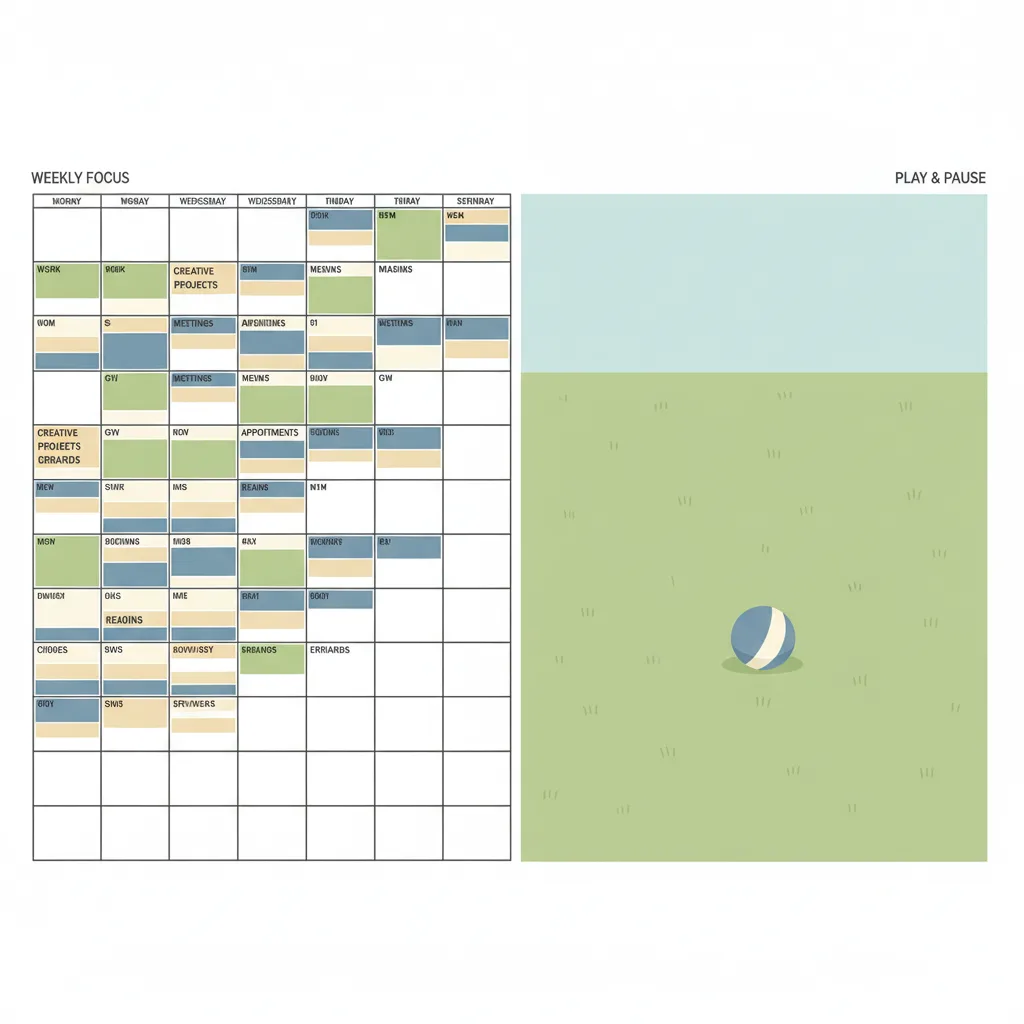
A weekly planner filled with activities next to an empty grass field with a single ball.

行動への後悔

構造化された習い事・活動

57%

親の57%が過剰スケジュール圧力からバーンアウトを報告(代替指標)

米国親、全国代表オンラインパネル

遡及的、2023年6-7月調査

不作為への後悔

自由遊びと予定のない時間

22%

子供の約22%が活動を減らし自由時間を増やしたいと希望(代替指標)

9-13歳の米国の子供と親

横断的、固定期間なし

この選択を後悔した割合

action dominates — 行動が優勢 — 多くは行動したことを後悔しています。

関連する決断

意味的に類似する決断 — 同じ領域、異なるトレードオフ。

family

自由放任 vs. 過保護な子育て

この選択を後悔した割合

行動が優勢

行動の後悔が2.3倍高い

family

途中でやめさせる vs. 続けさせる

この選択を後悔した割合

不作為が優勢

不作為の後悔が2.3倍高い

family

助ける vs. 自力で乗り越えさせる

この選択を後悔した割合

行動が優勢

行動の後悔が1.2倍高い

family

私立 vs 公立

この選択を後悔した割合

不作為が優勢

不作為の後悔が3.2倍高い

family

専業 vs 共働き

この選択を後悔した割合

行動が優勢

行動の後悔が1.3倍高い

family

しつけ vs. 寛容

この選択を後悔した割合

不作為が優勢

不作為の後悔が2.4倍高い

family

家族の食事

この選択を後悔した割合

不作為が優勢

不作為の後悔が6.9倍高い

family

甘やかす vs. 自制する

この選択を後悔した割合

行動が優勢

行動の後悔が2.9倍高い

An Ohio State study of more than 700 US parents found that 57% self-reported burnout, with the pressure to keep children enrolled in the right enrichment activities cited as a leading driver. The same study found that more free play time correlated with fewer mental health issues in children. On the academic side, Caetano, Caetano, and Nielsen (2024) showed in the Economics of Education Review that the marginal hour of structured enrichment yields zero cognitive benefit for high schoolers and actively harms non-cognitive outcomes like emotional regulation. The overscheduling treadmill appears to cost parents their wellbeing and children their resilience, with diminishing returns that turn negative well before most families notice.

The case for free play is real but narrower than its loudest advocates suggest. Gray et al. (2023) argued in The Journal of Pediatrics that decades of declining independent activity are a primary cause of rising childhood anxiety and depression — a plausible thesis, but one built on correlational evidence and no randomized trials. Meanwhile, Mahoney’s (2012) revisit of the overscheduling hypothesis found that fewer than one in ten US children are genuinely overscheduled, and that participation in organized activities up to 10-15 hours per week is almost universally associated with positive developmental outcomes. The popular image of the frazzled overscheduled child describes a real but statistically small group; most children in structured activities are benefiting from them.

The honest answer is that neither extreme maps cleanly onto regret research. No large-scale survey directly asks parents whether they regret overscheduling or under-enriching their children. The available proxies — parental burnout rates on one side, children’s own preference data on the other — are imperfect stand-ins flagged as such. The qualitative evidence (parents in Slate’s 2024 reporting who “pulled back” on packed schedules describe profound relief) supports the action-dominates direction, and Gilovich’s temporal framework would predict the same: action regrets (pushing too hard) feel more acute in the present, though inaction regrets (not enriching enough) may surface later. The safest reading is that moderate structured activity with ample unstructured time is the low-regret path, and that the real risk lies at both tails.

出典: 行動

根拠台帳

以下の各数値は各出典が報告した内容であり、引用した原文の抜粋と算出方法を記載しています。リンクをクリックして直接確認できます。

1/2 件の出典が引用元と一字一句一致することを独立して検証済み

  1. [1] Ohio State University College of Nursing — Study: Pressure to be 'perfect' causing burnout for parents, mental health concerns for their children 検証済み
    Study: Pressure to be 'perfect' causing burnout for parents, mental health concerns for their children
    統計値
    57% of parents self-reported burnout; pressure to provide enrichment activities was a leading contributor; more free play time correlated with fewer child mental health issues
    抜粋
    “"Fifty-seven percent of parents self-reported burnout. The pressure to be a 'perfect parent' — ensuring children are enrolled in the right activities, maintaining packed schedules — was identified as a leading contributor to parental stress and burnout. The more free play time that parents spend with their children and the lighter the load of structured extracurricular activities, the fewer mental health issues children experience." ”
    出典データ
    2024-05-08
    アクセス日
    2026-04-26
    検証
    グラウンディング監査の際、抜粋を引用元から独立して再取得し、原文と一字一句一致することを確認しました。
    計算過程
    Ohio State survey of 730+ US parents (June–July 2023). The 57% burnout rate captures parents who self-identified as burned out, with overscheduling of enrichment activities cited as a primary driver. The study also found that lighter activity loads correlated with better child mental health outcomes. We use 57% as the action-regret proxy because burnout from structured-activity pressure is the dominant parental complaint on the action side. This is a burnout rate, not a regret rate — flagged as "(proxy)".
  2. [2] Economics of Education Review (Caetano, Caetano & Nielsen 2024) — Are children spending too much time on enrichment activities?
    Are children spending too much time on enrichment activities?
    統計値
    The marginal hour of enrichment activities has zero cognitive benefit and negative non-cognitive effects for high schoolers
    抜粋
    “"We found that the effect of those additional activities on cognitive skills, that last hour, is basically zero. More surprising is that the last hour doing these activities is contributing negatively to the child's non-cognitive skills, making students more anxious, depressed or angry." ”
    出典データ
    2024-02-01
    アクセス日
    2026-04-26
    計算過程
    Caetano, Caetano & Nielsen (2024) used time-use data to estimate marginal returns of enrichment hours. Finding that the marginal hour harms non-cognitive outcomes supports the action-regret framing: parents who push one more activity are buying zero academic gain and measurable psychosocial cost.

出典: 不作為

根拠台帳

以下の各数値は各出典が報告した内容であり、引用した原文の抜粋と算出方法を記載しています。リンクをクリックして直接確認できます。

  1. [1] Journal of Research on Adolescence (Mahoney 2012) — The Over-Scheduling Hypothesis Revisited: Intensity of Organized Activity Participation During Adolescence and Young Adult Outcomes
    The Over-Scheduling Hypothesis Revisited: Intensity of Organized Activity Participation During Adolescence and Young Adult Outcomes
    統計値
    Less than 1 in 10 children could be described as overscheduled; participation up to 10–15 hours/week was almost always associated with positive outcomes
    抜粋
    “"Contrary to popular belief, recent research rejects the notion that most or even many children and youth are over-scheduled and are suffering as a result. In fact, less than one in ten could be described as over-scheduled. Participation up to ten hours per week was almost always positive." ”
    出典データ
    2012-09-01
    アクセス日
    2026-04-26
    計算過程
    Mahoney (2012) revisited the overscheduling hypothesis using nationally representative US data. The finding that <10% of children are genuinely overscheduled implies that most families choosing free play over structured activities are not rescuing an overscheduled child. However, survey data from KidsHealth (cited in multiple parenting sources) found that 78% of children ages 9-13 wished for more free time. We invert conservatively: ~22% of children do NOT wish for more free time, implying they are content with or want more structure. This 22% is used as the inaction-regret proxy — the share of families where children might benefit from more organized activities.
  2. [2] The Journal of Pediatrics (Gray et al. 2023) — Decline in Independent Activity as a Cause of Decline in Children's Mental Well-being: Summary of the Evidence
    Decline in Independent Activity as a Cause of Decline in Children's Mental Well-being: Summary of the Evidence

    See all 2 Likelier entries citing this source →

    統計値
    Decades-long decline in children's independent activity is proposed as a primary cause of rising anxiety and depression
    抜粋
    “"A primary cause of the rise in mental disorders is a decline over decades in opportunities for children and teens to play, roam, and engage in other activities independent of direct oversight and control by adults." ”
    出典データ
    2023-02-01
    アクセス日
    2026-04-26
    計算過程
    Gray et al. (2023) review in The Journal of Pediatrics. This paper supports the inaction side's legitimacy — free play has real mental-health value — but does not provide a regret rate. It contextualizes why some parents might regret choosing only structured activities at the expense of unstructured time.

注意事項

Neither figure is a direct regret measurement — both are flagged as "(proxy)" in regret_display. The action-side 57% is a parental burnout rate (Ohio State 2024), not a regret rate about the child's outcomes; it captures the parent's experience of the scheduling treadmill, not whether they believe the activities harmed their child. The inaction-side ~22% is derived from children's own preferences (those who do not wish for more free time), used as a rough proxy for families that might benefit from more structure. No large-scale survey directly asks parents "do you regret overscheduling your child?" or "do you regret not enrolling your child in more activities?" The Caetano et al. (2024) finding of zero marginal cognitive benefit applies specifically to high schoolers and may not generalize to younger children. Gray et al. (2023) argue for the value of free play but rely on correlational evidence; no RCT has compared structured-activity-heavy vs free-play-heavy childhoods. The action- dominates pattern is consistent with the qualitative literature (Slate 2024 reports parents who "pulled back" on activities describe relief), but the precise magnitude of the delta depends on which proxy one accepts for the inaction side.

生データ: /api/decisions.json

このデバイスで最近見た項目