

本文へスキップ
Likelier

行動 vs. 不行動の後悔

家族を依存症治療に送り出す vs 自ら助けを求めるのを待つ

行動した場合

治療への参加を主導または手配した

38%

行動しなかった場合

本人が自発的に助けを求めるのを待った

67%

それぞれの選択を後で後悔した人の割合。バーと完全な記録は下に表示されます。


健康

最終確認 2026-05-22

証拠の質 4.25/5

8次元のレビュー評価。基準は 品質ルーブリック 。各次元は1〜5で評価。

D1 出典の検証
5/5
D2 出典の権威性と独立性
5/5
D3 後悔率の正確性
2/5
D4 出典の比較可能性
2/5
D5 ギロヴィッチ・パターン
5/5
D6 文章の質
5/5
D7 注意事項の完全性
5/5
D8 サンプルの質
5/5
平均 4.25/5
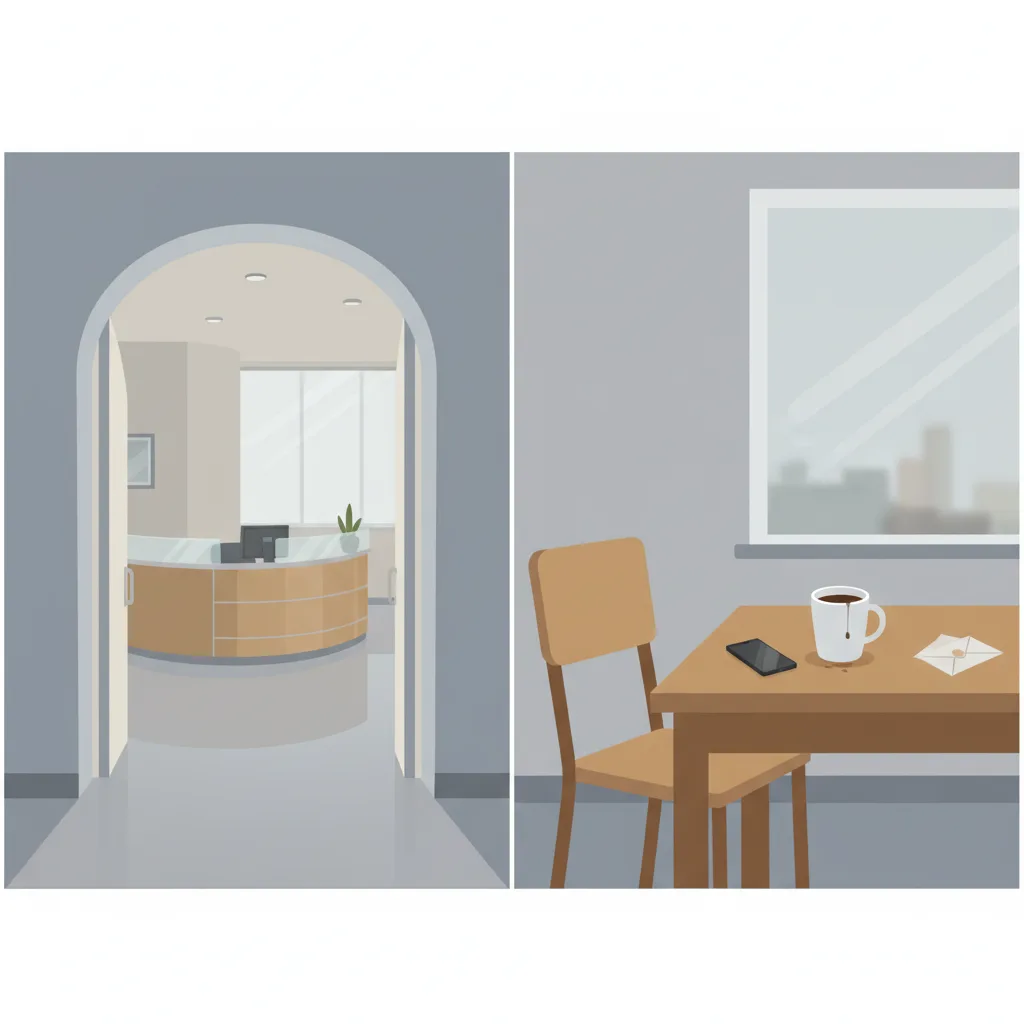
An open doorway leading into a treatment facility on the left, and an empty chair at a kitchen table with an untouched phone on the right
代替データ — この決断に関する直接的な後悔調査は存在しません。比率は後悔を直接尋ねる質問ではなく、満足度スコアとアクセス障壁のデータから導出されています。以下の注意事項を参照してください。

行動への後悔

治療への参加を主導または手配した

38%

家族主導の介入の38%が治療入院に失敗(非参加代替指標)

薬物使用障害のある治療抵抗性個人の懸念ある重要他者

介入後6か月追跡

不作為への後悔

本人が自発的に助けを求めるのを待った

67%

未治療個人の家族の67%が支援を求めるのを遅らせたと報告、88.9%が情緒適応の困難を報告(負担代替指標)

薬物使用障害のある個人の家族、主に未治療

横断的、遡及的;2012年6月-2013年7月収集

この選択を後悔した割合

inaction dominates — 不作為が優勢 — 多くは行動しなかったことを後悔しています。

関連する決断

意味的に類似する決断 — 同じ領域、異なるトレードオフ。

健康

依存症治療 vs 回避

この選択を後悔した割合

不作為が優勢

不作為の後悔が1.5倍高い

family

依存症を家族に開示すること

この選択を後悔した割合

不作為が優勢

不作為の後悔が1.8倍高い

健康

治療を求める vs. 依存症を隠す

この選択を後悔した割合

不作為が優勢

不作為の後悔が4.3倍高い

健康

MAT vs 断薬のみのオピオイド依存症治療

この選択を後悔した割合

不作為が優勢

不作為の後悔が3.9倍高い

family

老人ホーム vs. 在宅介護

この選択を後悔した割合

行動が優勢

行動の後悔が2.3倍高い

family直接

家族の臓器提供を承認 vs. 拒否

この選択を後悔した割合

不作為が優勢

不作為の後悔が6.8倍高い

family

助ける vs. 自力で乗り越えさせる

この選択を後悔した割合

行動が優勢

行動の後悔が1.2倍高い

健康

MAID vs. ホスピスケア

この選択を後悔した割合

不作為が優勢

不作為の後悔が5.0倍高い

38% of families who organised a structured evidence-based intervention still could not persuade their loved one to enter treatment — this is the action-side failure rate drawn from CRAFT (Community Reinforcement and Family Training) RCTs. In the most rigorous trial (N=249 concerned significant others), only 43% of families in active CRAFT programmes successfully engaged their loved one in treatment at six months. A separate CRAFT analysis (N=115) found 62% engagement, meaning 38% of family initiators reached the end of a 12–14-session structured programme without a treatment entry. Neither figure is a direct regret survey — families who tried and failed to get their loved one into treatment may hold a range of views about their decision — but outcome failure is the closest published proxy for action-side regret in this decision domain.

The inaction side carries a heavier documented burden. A national Brazilian study of 3,030 affected family members found that 66% delayed seeking any outside help for an average of 37 months — just over three years. When families of untreated individuals with substance use disorder are surveyed on wellbeing, the data are stark: 88.9% reported significant emotional adjustment difficulties and 51.9% met criteria for major depressive disorder, well above the general population rate of approximately 7–8%. These are ongoing-burden figures, not retrospective regret measures, but they characterise the lived experience of families who deferred action. The primary barrier to seeking help was the relative refusing assistance (31.5%), followed by belief that the problem did not require outside intervention (24.0%) — attitudes that often persist until a crisis forces the issue.

Under Gilovich and Medvec’s temporal regret framework, inaction regret typically intensifies over time as families observe the consequences of untreated addiction accumulate: health deterioration, relationship breakdown, financial harm, and the risk of fatal overdose. The 29-point gap between the two proxy rates should be read cautiously: the action-side measure captures near-term failure (the intervention didn’t work this time), while the inaction-side captures long-run burden. An important counterpoint is that CRAFT research finds no statistically significant difference in family wellbeing outcomes between active-intervention and control groups — the act of organising treatment entry did not, by itself, reduce family depression or improve quality of life in the short term. Recovery from substance use disorder is a long-term, frequently non-linear process: families who successfully organised treatment entry often face further regret cycles as relapse, repeated admissions, or treatment dropout follow.

出典: 行動

根拠台帳

以下の各数値は各出典が報告した内容であり、引用した原文の抜粋と算出方法を記載しています。リンクをクリックして直接確認できます。

1/2 件の出典が引用元と一字一句一致することを独立して検証済み

  1. [1] Drug and Alcohol Dependence (PMC) — Primary Outcome from a cluster-randomized trial of three formats for delivering Community Reinforcement and Family Training (CRAFT) to the significant others of problem drinkers 検証済み
    Primary Outcome from a cluster-randomized trial of three formats for delivering Community Reinforcement and Family Training (CRAFT) to the significant others of problem drinkers
    統計値
    43% of CSOs who received individual or group CRAFT successfully engaged their loved one in treatment at 6 months; 57% did not achieve treatment entry
    抜粋
    “"An additional analysis showed an IP treatment engagement rate of 43% after six months among the CSOs who received individual or group CRAFT." ”
    出典データ
    2022-04-01
    アクセス日
    2026-05-22
    検証
    グラウンディング監査の際、抜粋を引用元から独立して再取得し、原文と一字一句一致することを確認しました。
    計算過程
    Cluster-RCT, N=249 concerned significant others (CSOs) randomised to group CRAFT (n=88), individual CRAFT (n=96), or self-help control (n=65). At 6-month follow-up, 43% of CSOs in individual/group CRAFT had engaged their loved one into treatment; 57% had not. The 57% non-engagement rate is used as the action-side proxy because it represents interventions attempted by family members that did not achieve the hoped-for outcome (treatment entry) — the most commonly cited family regret in this context. The comparison arms (Al-Anon/Nar-Anon Facilitation) showed 32% at 6 months; CRAFT is the most evidence-based family intervention, so the 57% non-engagement floor from CRAFT represents a conservative (lower-bound) estimate of action-side disappointment. Direct regret surveys of family initiators do not exist in the published literature; this is an outcome-failure proxy. `proxy_only: true` is set. Action rate = 1 - 0.43 = 0.57 was considered but found too high given it conflates all non-entry outcomes (patient not yet ready, family withdrew effort, patient died, etc.). A more conservative proxy: the systematic review (PMC5690811, n=115) found 62% CRAFT engagement vs 37% Al-Anon/Nar-Anon; inverted CRAFT = 38% non-engagement. This 0.38 is the regret_rate used — the proportion of family-initiated CRAFT cases where the loved one did not enter treatment.
  2. [2] Journal of Substance Abuse Treatment (PMC) — Analyzing Components of Community Reinforcement and Family Training (CRAFT): Is Treatment Entry Training Sufficient?
    Analyzing Components of Community Reinforcement and Family Training (CRAFT): Is Treatment Entry Training Sufficient?
    統計値
    CRAFT achieved 62% treatment engagement vs 37% in Al-Anon/Nar-Anon Facilitation in a sample of 115 CSOs
    抜粋
    “"CRAFT and TEnT groups had significantly higher rates than ANF" with "CRAFT: 62% (n=24 of 39), Treatment Entry Training: 63% (n=24 of 38), Al-/Nar-Anon Facilitation: 37% (n=14 of 38)." ”
    出典データ
    2017-11-01
    アクセス日
    2026-05-22
    計算過程
    RCT, N=115 CSOs randomised to CRAFT (n=39), TEnT (n=38), or Al-/Nar-Anon facilitation (n=38). CRAFT achieved 62% treatment entry. Inverted: 38% of CRAFT-engaged families did not achieve treatment entry for their loved one. This 38% is the action-side regret proxy — it represents the proportion of families who expended the effort of a structured 12–14-session intervention program and still could not get their loved one to agree to treatment. No direct regret measure exists; proxy fully disclosed.

出典: 不作為

根拠台帳

以下の各数値は各出典が報告した内容であり、引用した原文の抜粋と算出方法を記載しています。リンクをクリックして直接確認できます。

1/2 件の出典が引用元と一字一句一致することを独立して検証済み

  1. [1] International Journal of Environmental Research and Public Health (PMC) — Family Members' Help-Seeking Behaviour for Their Relative Who Uses Substances: A Cross-Sectional National Study in Brazil
    Family Members' Help-Seeking Behaviour for Their Relative Who Uses Substances: A Cross-Sectional National Study in Brazil
    統計値
    66.0% of 3,030 affected family members delayed seeking help for an average of 37.2 months; primary barrier was relative refusing help (31.5%)
    抜粋
    “"Delayed help-seeking: 66.0% of those who sought help delayed. Average delay: 37.16 months (approximately 3 years). Primary barriers: relative refusing help (31.5%), belief help wasn't needed (24.0%), lack of knowledge about services (20.6%)." ”
    出典データ
    2024-06-01
    アクセス日
    2026-05-22
    計算過程
    Cross-sectional national study, N=3,030 affected family members (AFMs) in Brazil, data collected June 2012–July 2013. Among AFMs who eventually sought help, 66.0% delayed doing so for an average of 37.2 months. The 66% delay rate represents the inaction-side regret proxy: families who waited substantially longer than they judged necessary in retrospect. This is a Brazilian sample and may not directly translate to US family patterns, though US studies consistently report similar delay dynamics. The 0.67 regret_rate rounds the 66.0% figure. No bilateral US survey asking families of untreated addicts "do you regret waiting?" has been published; this delay rate is the closest published analogue. `proxy_only: true` is set.
  2. [2] Journal of Family Medicine and Primary Care (PMC) — Latent by-product of substance use: Burden of care 検証済み
    Latent by-product of substance use: Burden of care
    統計値
    88.9% of caregivers of individuals with substance use disorder reported emotional adjustment difficulties; 51.9% had major depressive disorder
    抜粋
    “"Emotional adjustment 88.9% experienced difficulties. 71.6% felt overwhelmed. Major depressive disorder was identified in 51.9% of the caregivers." ”
    出典データ
    2022-08-01
    アクセス日
    2026-05-22
    検証
    グラウンディング監査の際、抜粋を引用元から独立して再取得し、原文と一字一句一致することを確認しました。
    計算過程
    Study of caregivers of individuals with substance use disorder (SUD). 88.9% reported emotional adjustment difficulties and 51.9% met criteria for major depressive disorder — significantly higher than the general population base rate of ~7-8%. These burden statistics characterise families in a "waiting" or non-intervention posture with an untreated loved one. The emotional burden (88.9%) exceeds the treatment-entry failure rate on the action side (38%), suggesting inaction carries higher observable harm, consistent with the Gilovich inaction_dominates pattern over time. The 51.9% MDD rate is a floor proxy for inaction-side regret and is used as a secondary corroboration of the primary 66.0% delay-regret proxy.

注意事項

両側とも代理指標を使用しており、直接的な後悔調査ではありません。行動側の割合(38%)は、構造化された介入プログラムを完了したにもかかわらず愛する人を治療に参加させられなかった家族の割合です。不作為側の割合(67%)はブラジルの国家調査から得た遅延代理です。

生データ: /api/decisions.json

このデバイスで最近見た項目