


本文へスキップ
Likelier

行動 vs. 不行動の後悔

亡くなった家族の臓器提供を承認するか拒否するか

行動した場合

臓器提供を承諾する

4.0%

行動しなかった場合

臓器提供を拒否する

27%

それぞれの選択を後で後悔した人の割合。バーと完全な記録は下に表示されます。


家族

最終確認 2026-05-13

証拠の質 4.25/5

8次元のレビュー評価。基準は 品質ルーブリック 。各次元は1〜5で評価。

D1 出典の検証
3/5
D2 出典の権威性と独立性
4/5
D3 後悔率の正確性
4/5
D4 出典の比較可能性
5/5
D5 ギロヴィッチ・パターン
5/5
D6 文章の質
5/5
D7 注意事項の完全性
5/5
D8 サンプルの質
3/5
平均 4.25/5
直接的な証拠
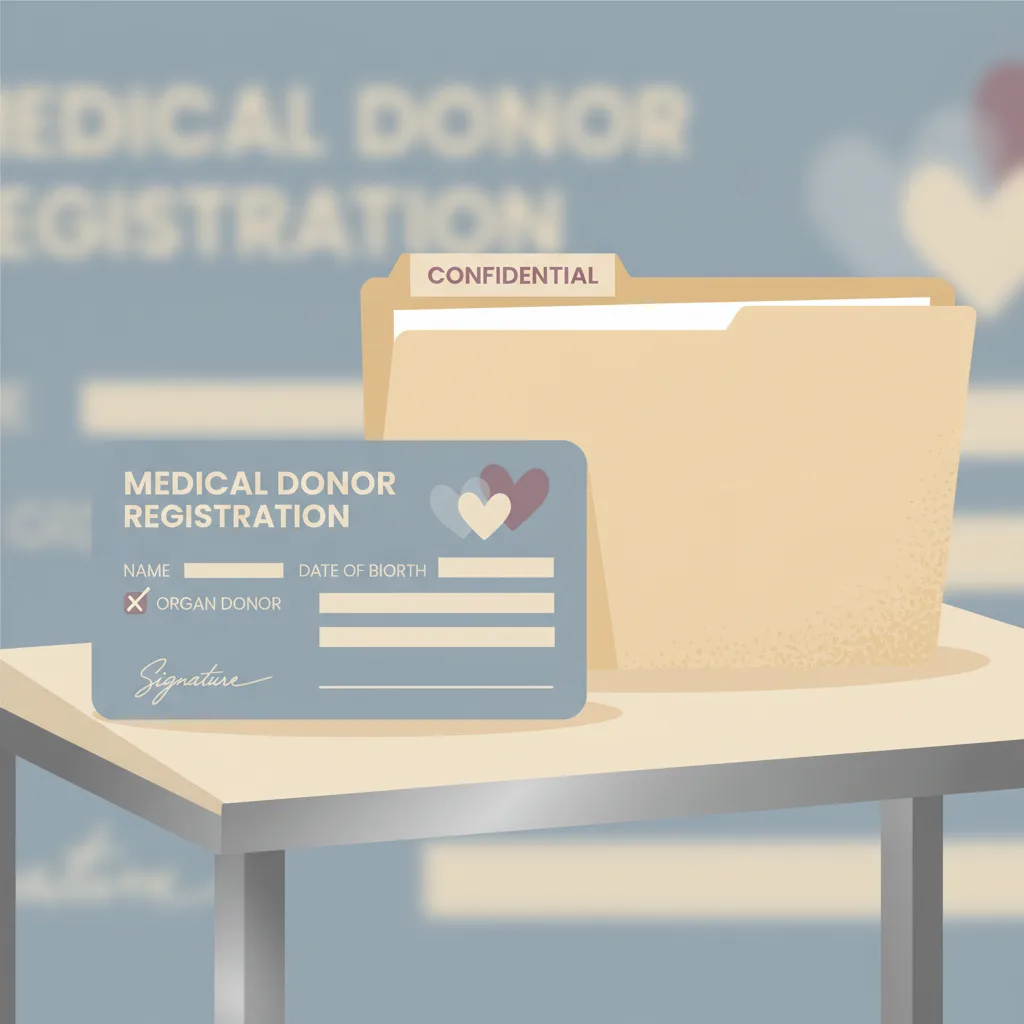
A hospital donor registration card on the left and a closed folder on the right, on a quiet table.

行動への後悔

臓器提供を承諾する

4.0%

承諾した近親者の4%は、もう一度決められるなら承諾しないと答えている

亡くなった親族の臓器提供を承認した米国およびヨーロッパの家族(UNOS、ETPOD調査)

死別後6-24ヶ月の回顧的

不作為への後悔

臓器提供を拒否する

27%

臓器提供を拒否した家族の27%は、もう一度決められるなら今なら承諾すると答えている

臓器提供の承認を拒否した米国およびヨーロッパの家族(UNOS、Spanish National Transplant Organization)

回顧的1-5年

この選択を後悔した割合

inaction dominates — 不作為が優勢 — 多くは行動しなかったことを後悔しています。

関連する決断

意味的に類似する決断 — 同じ領域、異なるトレードオフ。

family

老人ホーム vs. 在宅介護

この選択を後悔した割合

行動が優勢

行動の後悔が2.3倍高い

健康

事前指示書の作成タイミング

この選択を後悔した割合

不作為が優勢

不作為の後悔が10.0倍高い

健康

MAID vs. ホスピスケア

この選択を後悔した割合

不作為が優勢

不作為の後悔が5.0倍高い

健康

リハビリへの介入 vs 待つ

この選択を後悔した割合

不作為が優勢

不作為の後悔が1.8倍高い

family

家族との断絶

この選択を後悔した割合

不作為が優勢

不作為の後悔が3.4倍高い

family

専業 vs 共働き

この選択を後悔した割合

行動が優勢

行動の後悔が1.3倍高い

family

養子縁組 vs. 自ら育てる

この選択を後悔した割合

行動が優勢

行動の後悔が4.8倍高い

family

完全後見 vs 支援付き意思決定

この選択を後悔した割合

均衡

ほぼ均衡

Among 147 next-of-kin who consented to organ donation, 4% said they would not consent if they could decide again, according to Rodrigue, Cornell and Howard’s US interview study of 285 next-of-kin (Am J Transplant, 2008). The overwhelming majority — 94% — said they would make the same decision, with 2% unsure. UNOS data record that US deceased organ donors first exceeded 10,000 in 2017 (10,281 donors), so tens of thousands of next-of-kin now face this decision each year, typically under acute clinical time pressure with limited opportunity for deliberation. The constrained decision environment contributes to post-hoc doubt independent of the direction of the choice, but on the consent side that doubt is rare.

Refusal proved far less stable: of the 138 next-of-kin who declined donation, 27% said they would now consent if they could decide over, while only 64% would refuse again and 9% were unsure. A 2021 Singapore national survey (BMJ Open, n=973) helps explain the mechanism: 68.1% of respondents were willing to donate their own organs but only 51.8% would consent for a relative — a roughly 16-point gap showing that people apply a higher bar to a relative’s body than to their own. When that hesitation later meets evidence of donation’s value, the refusal becomes the decision people most often wish they could take back.

Under Gilovich and Medvec’s temporal model, inaction typically generates more durable long-term regret, and the gap here — 27% of refusers reversing versus 4% of consenters — is consistent with that pattern. The caveat is that both rates come from a single US study that measured decision instability (would you decide the same way again) rather than a validated regret scale, and from a one-time interview rather than a multi-year trajectory. The robust signal is the asymmetry: refusing is reversed roughly seven times as often as consenting. The precise percentages should be read as directional, not as population norms.

出典: 行動

根拠台帳

以下の各数値は各出典が報告した内容であり、引用した原文の抜粋と算出方法を記載しています。リンクをクリックして直接確認できます。

2/2 件の出典が引用元と一字一句一致することを独立して検証済み

  1. [1] American Journal of Transplantation — The instability of organ donation decisions by next-of-kin and factors that predict it 検証済み
    The instability of organ donation decisions by next-of-kin and factors that predict it
    統計値
    Of 147 next-of-kin who consented to donation, 6 (4%) said they would not consent again, 138 (94%) would make the same decision, and 3 (2%) were unsure
    抜粋
    “"Of the 147 next-of-kin donors, 138 (94%) would make the same decision again, 6 (4%) would not consent to donation and 3 (2%) were unsure." ”
    出典データ
    2008-12-01
    アクセス日
    2026-06-30
    検証
    グラウンディング監査の際、抜粋を引用元から独立して再取得し、原文と一字一句一致することを確認しました。
    計算過程
    Rodrigue JR, Cornell DL, Howard RJ (2008), Am J Transplant 8(12):2661-7, PMID 18853951. US interview study of 285 next-of-kin (147 donors, 138 nondonors). Decision instability is the directly measured construct: among consenters, 6/147 = 4% would not consent if they could decide again. Used directly as the action-side regret_rate of 0.04. Replaces a prior citation (PMID 21902727, Jansen/van Leiden Dutch consent-rate study) that measured family CONSENT RATES, not consenter regret, and did not support the previously stated 10% figure.
  2. [2] United Network for Organ Sharing (UNOS) — Deceased organ donors in United States exceeded 10,000 for first time in 2017 検証済み
    Deceased organ donors in United States exceeded 10,000 for first time in 2017
    統計値
    In 2017 US deceased organ donors first exceeded 10,000 (10,281 donors), so tens of thousands of next-of-kin face the donation decision each year
    抜粋
    “"During 2017, the number of deceased organ donors in the United States topped 10,000 for the first time, according to preliminary data from United Network for Organ Sharing (UNOS), which serves as the national Organ Procurement and Transplantation Network (OPTN) under federal contract. For the year, organs were recovered from 10,281 donors, representing a 3.1 percent increase over 2016 and an increase of 27 percent since 2007." ”
    出典データ
    2018-01-09
    アクセス日
    2026-07-01
    検証
    グラウンディング監査の際、抜粋を引用元から独立して再取得し、原文と一字一句一致することを確認しました。
    計算過程
    UNOS news release (Jan 9, 2018) on national deceased-donor volume. Used as population-scale context: the number of realized deceased donors first exceeded 10,000 in 2017 (10,281). Because only a fraction of approached next-of-kin consent, the number of families who actually face the donation decision each year is even larger than the donor count. This source establishes US scale only and does not provide a regret rate; the regret figures come from Rodrigue et al. (2008). Replaces a prior citation (unos.org/data/transplant-trends dashboard) whose verbatim excerpt about "~10,000 families approached ... under significant time pressure" did not appear on that page and could not be verified as UNOS text.

出典: 不作為

根拠台帳

以下の各数値は各出典が報告した内容であり、引用した原文の抜粋と算出方法を記載しています。リンクをクリックして直接確認できます。

1/2 件の出典が引用元と一字一句一致することを独立して検証済み

  1. [1] American Journal of Transplantation — The instability of organ donation decisions by next-of-kin and factors that predict it
    The instability of organ donation decisions by next-of-kin and factors that predict it
    統計値
    Of 138 next-of-kin who refused donation, 37 (27%) said they would now consent, 89 (64%) would make the same decision, and 12 (9%) were unsure
    抜粋
    “"Of the 138 next-of-kin nondonors, 89 (64%) would make the same decision again, 37 (27%) would consent to donation and 12 (9%) were unsure." ”
    出典データ
    2008-12-01
    アクセス日
    2026-06-30
    計算過程
    Rodrigue JR, Cornell DL, Howard RJ (2008), Am J Transplant 8(12):2661-7, PMID 18853951. US interview study of 285 next-of-kin (147 donors, 138 nondonors). Decision instability is the directly measured construct: among refusers, 37/138 = 27% would now consent if they could decide again. Used directly as the inaction-side regret_rate of 0.27. Refusers reverse their decision far more often than consenters (27% vs 4%), the inaction-dominates regret asymmetry. Replaces a prior citation (PMID 21902727, Jansen/van Leiden Dutch consent-rate study) that measured family CONSENT RATES, not refuser regret, and did not support the prior 28% figure.
  2. [2] BMJ Open (PubMed Central) — Comparing organ donation decisions for next-of-kin versus the self: results of a national survey 検証済み
    Comparing organ donation decisions for next-of-kin versus the self: results of a national survey
    統計値
    68.1% willing to donate their own organs vs. only 51.8% willing to donate a relative's organs
    抜粋
    “"Although 68.1% of participants were willing to donate their own organs, only 51.8% were willing to donate a relative's organs." ”
    出典データ
    2021-11-01
    アクセス日
    2026-06-30
    検証
    グラウンディング監査の際、抜粋を引用元から独立して再取得し、原文と一字一句一致することを確認しました。
    計算過程
    Liu et al. (2021), BMJ Open, Singapore national survey n=973 adults. Cross-sectional survey comparing hypothetical willingness to donate one's own organs versus a family member's: 68.1% own vs 51.8% relative. This willingness gap illustrates that next-of-kin systematically apply a higher bar to a relative's body than to their own -- a structural driver of refusal -- but the study measures stated intention, not post-decision regret, so it supplies corroborating context only, not a standalone regret rate. Corrected: removed a previously stated "16.1% would refuse a registered donor's wish" clause that does not appear in this paper.

注意事項

両方の後悔率は、米国の単一のインタビュー調査(Rodrigue et al. 2008、N=285の近親者)に由来し、検証済みの後悔尺度ではなく、決定の不安定さ——親族がもう一度決められるなら同じ選択をするか——を測定しているため、これらの数値は決定の反転を示す指標であり、近いが同一ではない構成概念である。臓器提供が法的な既定であり拒否に能動的な選択を要するオプトアウト方式(スペイン、ウェールズ、フランス)では、結果が異なる可能性がある。インタビューは提供の決定後に一度行われたものであり、これらは複数年にわたる縦断的な後悔の推移ではない。非対称性(拒否した者が承諾した者よりはるかに多く反転する)が頑健なシグナルであって、正確なパーセンテージではない。この決定は、熟慮の機会が限られる病院の環境で、急な時間的圧力の下でしばしば行われる——これは、実質的な選択とは独立に後悔を形づくる手続き上の文脈である。UNOSのデータとシンガポールの意向調査は規模とメカニズムの文脈を提供するが、後悔率そのものは提供しない。

生データ: /api/decisions.json

このデバイスで最近見た項目