

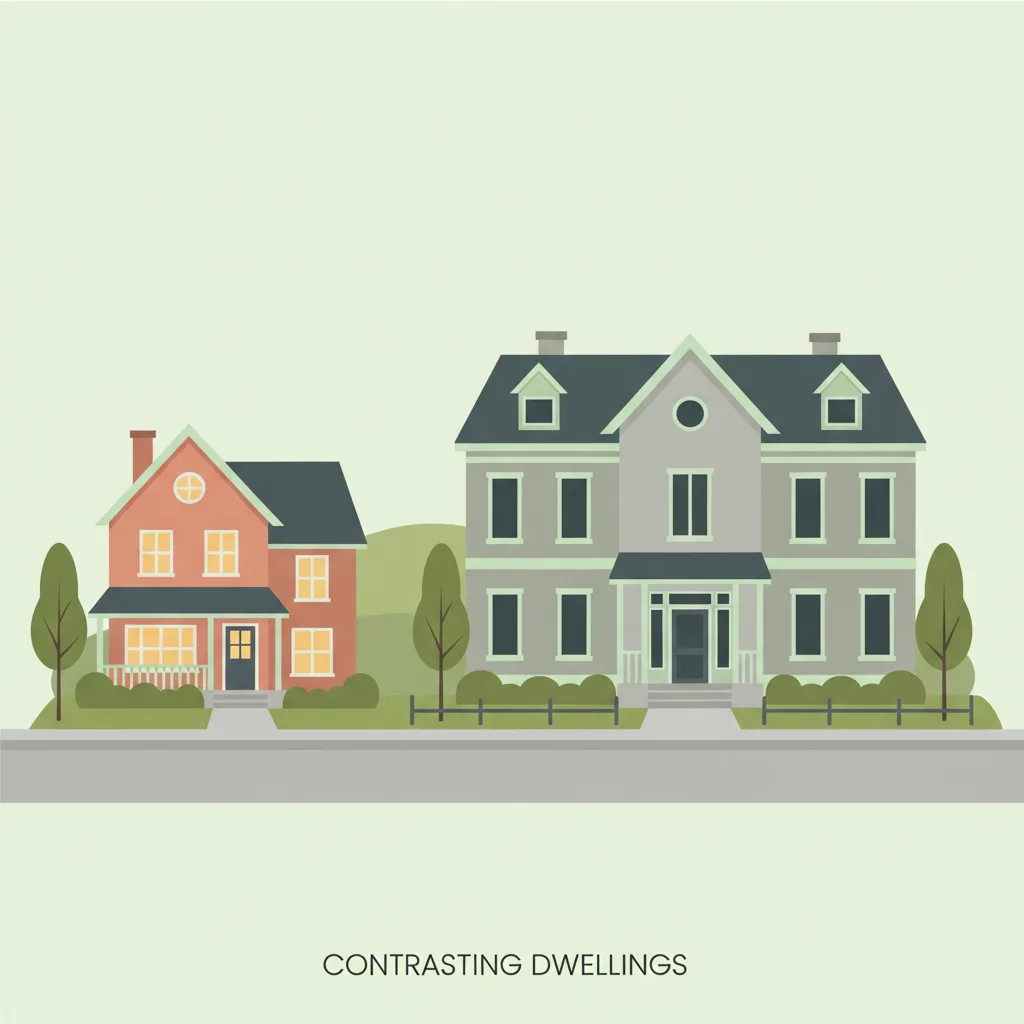

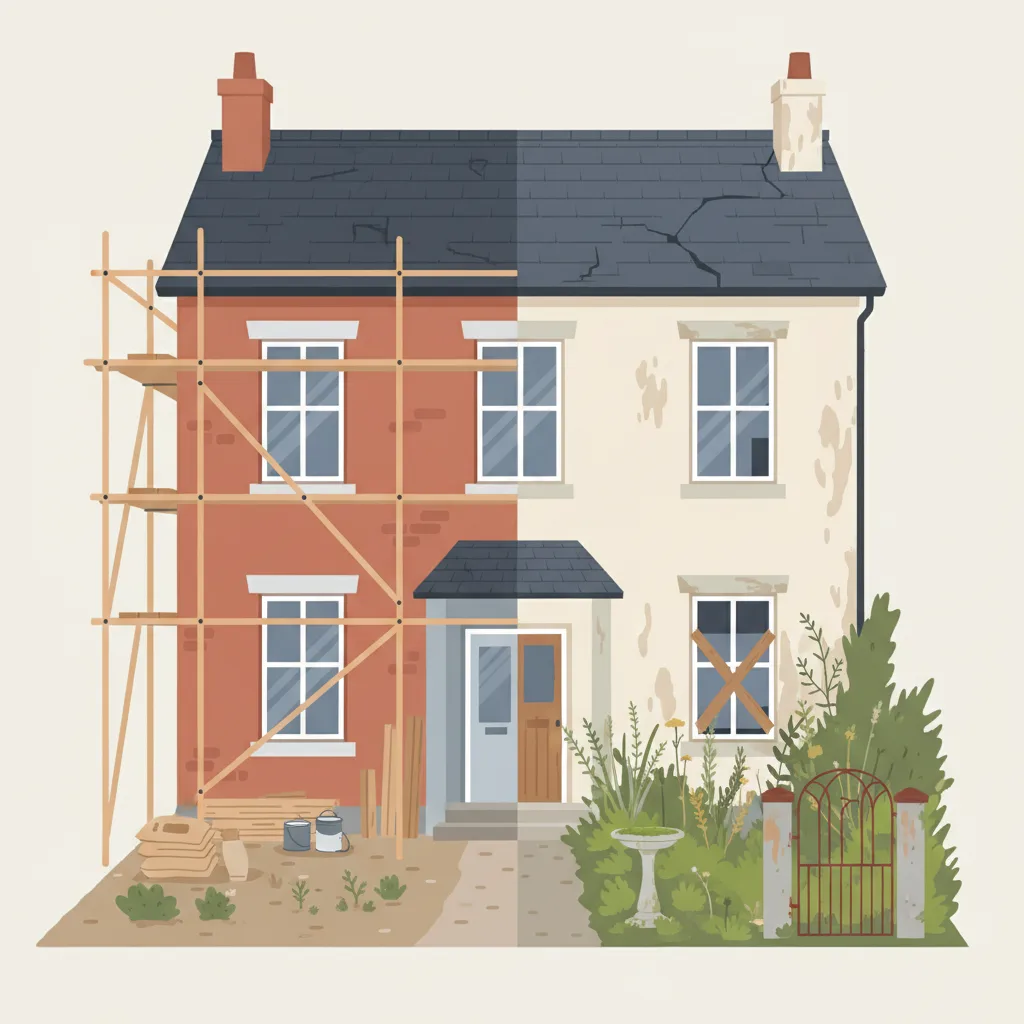



No large-scale survey directly asks retirees whether they regret a housing decision, so both rates here are proxies — read them as rough signals, not measured regret. Merrill Lynch and Age Wave’s 2015 survey of more than 3,600 US retirees found that 65% say they are living in the best home of their lives; the same study reports that 64% expect to move at least once in retirement, half of movers did not downsize, and 3 in 10 actually upsized into a larger home. The survey does not ask movers whether they regret the move, so the action-side figure here is simply the complement of that satisfaction measure. On the stay-put side, AARP’s 2021 Home and Community Preferences Survey is a forward-looking preferences survey, not a regret study: 77% of adults 50+ want to remain in their homes long term, while about a third say their current home would need modifications — grab bars, no-step showers — to live there safely as they age. That modification-need share is used here as a barrier proxy for the practical strain of staying.
Because both sides rest on proxies rather than a regret instrument, the small gap between them is not meaningful, and the older “inaction dominates” framing for this specific decision was not supported by the cited sources. The qualitative literature still points to timing as the recurring theme: people who move sometimes wish they had weighed the social costs first, and people who stay sometimes wish they had adapted or moved before a health event forced the issue. The Health and Retirement Study’s longitudinal data are consistent with this — homeowners who delay residential transitions are more likely to make involuntary, crisis-driven moves — but that is outcome data, not a measured regret rate, and is cited here only as context.
The financial calculus depends heavily on context. In high-cost housing markets, a paid-off family home represents substantial equity that may fund a retirement in a lower-cost region; downsizing in the same city may not free enough capital to justify the social disruption. Housing cost burden — spending more than 30% of income on housing — affects roughly one-quarter of homeowners 65 and over who remain in their pre-retirement homes, per the Joint Center for Housing Studies 2023 report. For this group, staying has a measurable financial cost that compounds over time. The decision is irreversible in a way that amplifies regret: unlike most lifestyle decisions, a home sale in one’s 80s under health pressure is harder to recover from than a voluntary move in one’s 60s made from a position of choice.