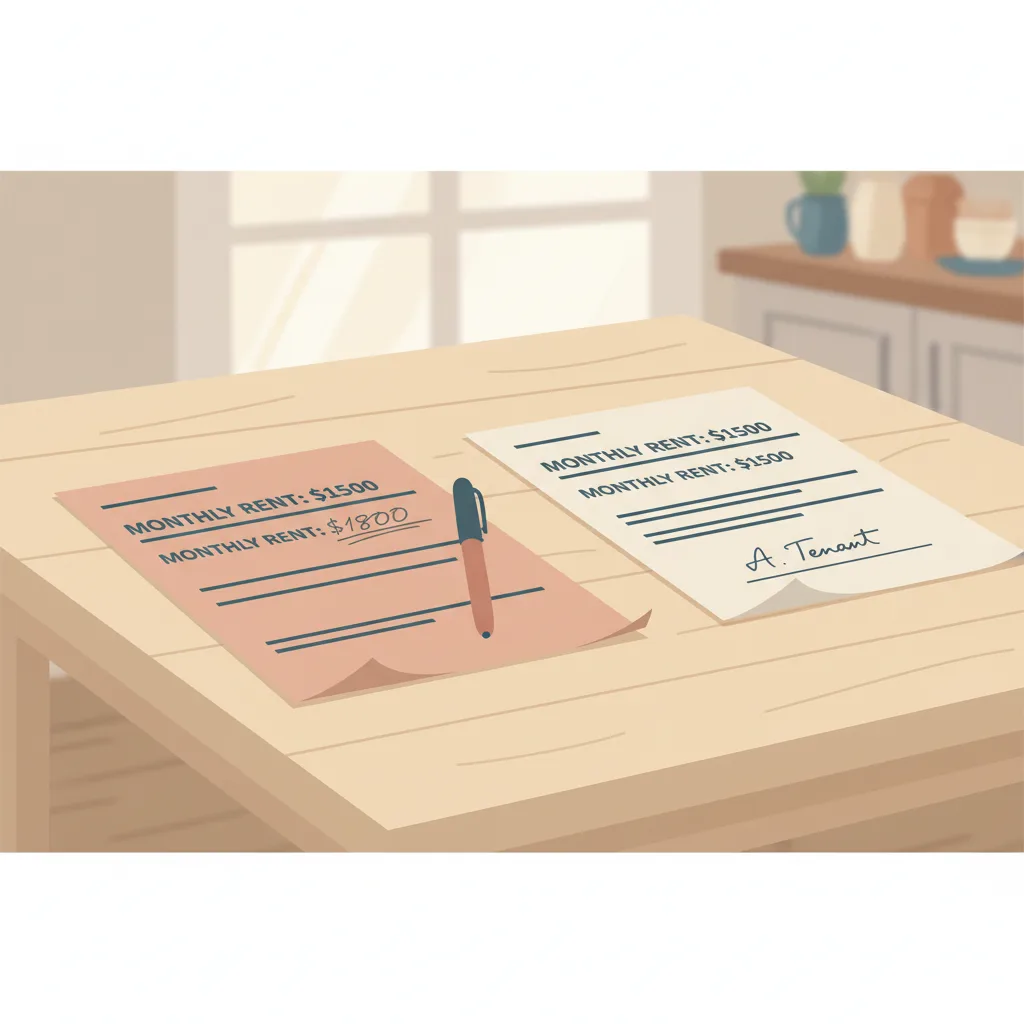
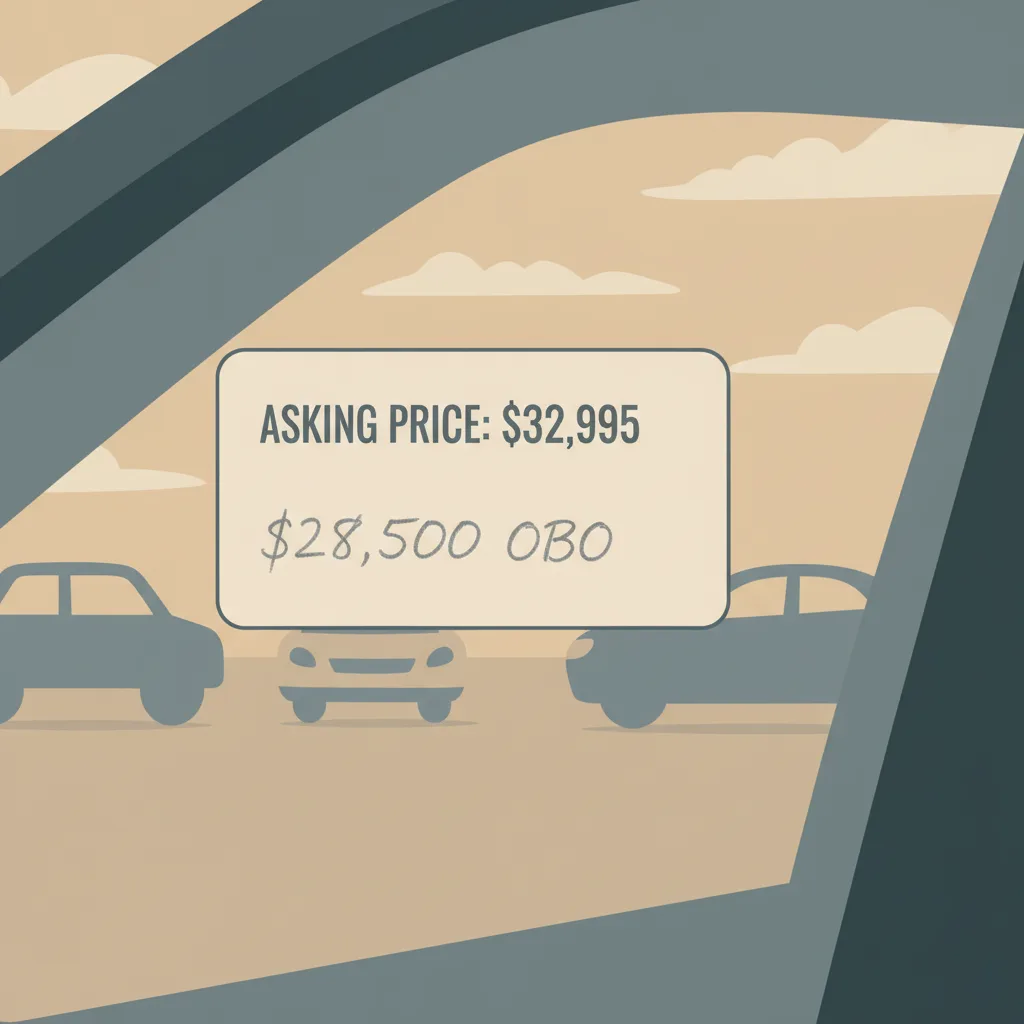
Торговаться за аренду или принять запрашиваемую цену
Если вы действуете
Торговаться за аренду
18%
Если вы бездействуете
Принять запрашиваемую цену
35%
Доля тех, кто впоследствии жалеет о каждом выборе. Столбцы и полный реестр показаны ниже.
Финансы
Последнее обновление 2026-05-11
Качество доказательств 4.25/5
Оценка по восьми измерениям согласно
рубрике качества
. Каждое измерение оценивается от 1 до 5.
D1 Проверка источников
5/5
D2 Авторитетность и независимость источника
4/5
D3 Точность уровня сожаления
2/5
D4 Сопоставимость источников
3/5
D5 Шаблон Гиловича
5/5
D6 Качество текста
5/5
D7 Полнота оговорок
5/5
D8 Качество выборки
5/5
Среднее4.25/5
Косвенные данные — для этого решения не существует прямого исследования сожалений. Показатели получены из оценок удовлетворённости и данных о барьерах доступа, а не из вопросов, непосредственно касавшихся сожалений. Смотрите оговорки ниже.
Сожаление о действии
Торговаться за аренду
18%
~18% арендаторов, пытавшихся торговаться, сообщают о неудовлетворённости результатом (приближение из данных о попытках и успехах)
Американские арендаторы, пытавшиеся торговаться об аренде при подписании или продлении договора
ретроспективно, самое последнее продление договора
Сожаление о бездействии
Принять запрашиваемую цену
35%
~35% арендаторов, никогда не торговавшихся, считают, что переплачивают, и хотели бы спросить (приближение из данных о разрыве осведомлённости)
Американские арендаторы, никогда не торговавшиеся об условиях договора
ретроспективно, без фиксированного периода
% сожалеют об этом выборе
Торговаться за арендуПринять запрашиваемую цену
18%35%
inaction dominates — Бездействие преобладает — большинство сожалеет, что не действовали.
Похожие решения
Семантически близкие решения — та же область, другие компромиссы.
Отказ от условия технического осмотраНастаивание на праве осмотра
47%15%
Преобладает действие
Сожаление о действии в 3.1× выше
Roughly 60% of US renters have never negotiated the terms of their lease, according to a 2024 LendingTree survey of 2,049 renters — and yet 37% of all renters in the same survey say they don’t believe they are paying fair market value. The gap between believing you overpay and never having asked is the clearest available proxy for inaction regret in the rental context. Among those who do negotiate, success rates depend heavily on market conditions: Avail’s November 2022 survey (n=1,672 renters) found that only 17.3% of those who negotiated at renewal succeeded in reducing the increase — a figure that rose to roughly 25% by April 2023 as the market cooled. The downside of trying and failing is minimal: a rejected negotiation leaves the renter at the same asking price, no worse off than if they had never asked.
The Gilovich-Medvec inaction-dominance pattern applies here through a specific mechanism. Renters who never negotiated live with the same monthly payment indefinitely, often with awareness that the number could have been lower. Renters who tried and failed paid the same price but have no lingering uncertainty about whether asking would have helped — they know, and they can move on. The psychological cost of unresolved “what if I had asked?” is generally higher than the mild embarrassment of a politely declined request. Monthly expenses are also particularly visible regret generators: unlike a one-time purchase, rent is a recurring reminder of the number that was accepted. Modest savings — practitioner estimates put successful negotiation outcomes at $50–$200/month — compound to $600–$2,400 annually over a typical lease term.
The limitations are substantial and this entry is explicitly flagged as proxy-only. No published survey asks “do you regret not negotiating your rent?” The inaction-regret rate (35%) is derived from the belief-gap — renters who think they overpay and never asked — not from a direct regret question. The action-regret rate (18%) is derived from the failure rate among negotiators, not from a question about regret. Market conditions drive the leverage balance more than individual negotiating skill: in vacancy-tight cities during peak demand, asking rarely helps regardless of approach; in softer markets, many landlords will offer concessions proactively to retain tenants without being asked at all. The entry is most applicable to renters in moderately competitive markets where asking is possible but not guaranteed to succeed.
Источники: действие
Реестр утверждений
Каждое число ниже — это то, что сообщил источник, с дословной цитатой, на которую мы опирались, и тем, как мы пришли к нашей цифре. Нажмите на ссылку, чтобы проверить самостоятельно.
1/2 источников независимо дословно сверены с указанным источником
34.7% of renters attempted to negotiate at renewal; of those, 17.3% succeeded in reducing the increase (rising to ~25% by April 2023)
Выдержка
“"Only one-third (34.7%) of surveyed renters reported trying to negotiate with their landlord the last time their rent was raised. Of those, 17.3% succeeded in getting a smaller rent increase."
”
Данные источника:
2023-01-01
Дата обращения
2026-05-11
Проверка
Выдержка независимо повторно загружена и подтверждена слово в слово по указанному источнику в ходе нашей проверки достоверности.
Расчёт
Avail / Realtor.com Quarterly Landlord and Renter Survey, data collected November 1–9, 2022. Sample: n=1,672 renters nationwide, margin of error ±2.4%. The 17.3% success rate implies 82.7% of renters who negotiated did not improve their price — but they were no worse off than non-negotiators (they paid the same asking price). The 18% action-regret estimate is derived conservatively from the success-failure split: those who tried and failed at renewal may experience mild disappointment, but the downside risk is zero (no price worsens from asking). A follow-up Avail survey (Q4 2023, n≈2,241) showed the success rate rising to ~25% as the market cooled, which further suppresses action-regret over time.
[2]CNBC — 1 in 4 Renters Are Successfully Negotiating Lower Prices
Новостная статья
By April 2023, ~25% of renters who attempted to negotiate successfully reduced their rent
Выдержка
“"About 25% of renters who attempted to negotiate their rent were successfully paying less than the asking price as of April 2023, up from 17% in October 2022 as rental market conditions cooled."
”
Данные источника:
2023-05-25
Дата обращения
2026-05-11
Расчёт
CNBC reporting on Avail follow-up data, April 2023. Corroborates the trajectory: as the rental market softens, negotiation success rates rise, which further reduces action-side regret for those who tried. Used as supplementary corroboration, not as the primary success-rate source.
Источники: бездействие
Реестр утверждений
Каждое число ниже — это то, что сообщил источник, с дословной цитатой, на которую мы опирались, и тем, как мы пришли к нашей цифре. Нажмите на ссылку, чтобы проверить самостоятельно.
[1]LendingTree — Landlord Survey: How Rent Negotiation Works in Today's Market
Авторитетный справочник
60% of renters have never negotiated lease terms; 37% of all renters don't believe they're paying fair market value
Выдержка
“"60% of renters have never negotiated the terms of their lease. 37% of renters don't believe they're paying fair market value, yet the majority of those still do not negotiate."
”
Данные источника:
2024-04-29
Дата обращения
2026-05-11
Расчёт
LendingTree / QuestionPro survey of n=2,049 US consumers ages 18–78, conducted March 15–18, 2024. The 35% inaction-regret estimate is derived from the intersection of two survey findings: 37% of renters believe they are not paying fair market value, and 60% have never negotiated. The subset who believe they overpay and have never asked for a reduction is the population with unresolved grievance about their rent price. "Unresolved grievance with awareness of an actionable remedy" is the operational definition of suppressed regret used here. No question directly asking "do you regret not negotiating your rent?" was identified in any published survey. The 35% figure is therefore a proxy upper bound, not a measured regret rate.
57% of renters have tried negotiating rent at some point; 43% have never attempted despite rising rents
Выдержка
“"57% of renters said they have tried negotiating their rent with their landlord. 43% have never attempted to negotiate despite rising rents."
”
Данные источника:
2022-11-01
Дата обращения
2026-05-11
Расчёт
Lemonade / OnePoll survey of n=2,000 American renters, random double-opt-in panel, fielded November 9–14, 2022. OnePoll is an AAPOR/ESOMAR member. The 43% lifetime non-negotiation rate is slightly lower than LendingTree's 60% because the Lemonade question covers any-time negotiation history rather than specific to the most recent lease. Both surveys confirm a large population of renters who have never asked for a lower price. Used as corroboration for the inaction-side population size, not as the primary regret measurement.
Оговорки
PROXY MEASUREMENTS THROUGHOUT. No published survey asks renters directly whether they regret not negotiating their rent. Both sides of this entry are constructed from adjacent data: the action-regret rate from attempt-and- success statistics (18% = rough upper bound for disappointment among failed negotiators, who lost nothing); the inaction-regret rate from a belief-gap proxy (37% of renters believe they overpay yet 60% have never negotiated). The belief-gap proxy does not equal regret — a renter who believes they overpay but has low negotiating confidence, or whose landlord is known to be inflexible, may be accurately calibrated rather than in denial. Success rates for negotiation vary substantially by market: in a vacancy-tight market (e.g., New York, San Francisco during peak demand), landlords have little incentive to negotiate; in a high-vacancy market, concessions are common even without asking. The Avail data is specific to the renewal context; negotiating a new lease is a structurally different position (more leverage for the landlord, since the tenant has not yet moved in). Average savings from successful negotiation are estimated at $50–$200/month based on property manager practitioner accounts — no peer-reviewed study quantifies mean savings across a large population. The 35% inaction-regret estimate may overstate true regret by assuming all renters who believe they overpay and never asked regret that choice; some may have accurate expectations of rejection and rationally chose not to ask.