





Zum Inhalt springen
Likelier

Reue durch Handeln vs. Nichthandeln

Geld an die Familie verleihen vs. ablehnen

Wenn du handelst

Familie oder Freunden Geld leihen

35%

Wenn du nicht handelst

Familie oder Freunden kein Geld leihen

26%

Anteil derer, die jede Entscheidung später bereuen. Balken und vollständige Datengrundlage erscheinen unten.


Finanzen

Zuletzt überprüft 2026-04-25

Evidenzqualität 3.13/5

Bewertungsergebnis nach acht Dimensionen gemäß der Qualitätsrubrik . Jede Dimension wird mit 1–5 bewertet.

D1 Quellenüberprüfung
2/5
D2 Quellenautorität & Unabhängigkeit
2/5
D3 Genauigkeit der Bedauernsrate
3/5
D4 Vergleichbarkeit der Quellen
2/5
D5 Gilovich-Muster
3/5
D6 Prosaqualität
5/5
D7 Vollständigkeit der Einschränkungen
5/5
D8 Stichprobenqualität
3/5
Durchschnitt 3.13/5
Two hands near each other but not touching, with a small gap between them, on a neutral background.

Reue fürs Handeln

Familie oder Freunden Geld leihen

35%

24–46 % der Verleiher bedauern es

US-Erwachsene, die Familie oder Freunden Geld liehen

retrospektiv, kein fester Zeitraum

Reue fürs Unterlassen

Familie oder Freunden kein Geld leihen

26%

26 % sagen, das Ablehnen habe eine Beziehung beendet (Näherung — siehe Vorbehalte)

US-Erwachsene, die Familie oder Freunden den Kreditwunsch ablehnten

retrospektiv, kein fester Zeitraum

% bereuen diese Entscheidung

action dominates — Handeln dominiert — die meisten bereuen ihr Handeln.

Verwandte Entscheidungen

Semantisch ähnliche Entscheidungen — gleiches Terrain, andere Abwägungen.

Finanzen

Erwachsenes Kind unterstützen vs. Unterstützung...

% bereuen diese Entscheidung

Handlung überwiegt

Reue über Handlung 3.7× höher

Finanzen

Anzahlung schenken vs. Ersparnisse schützen

% bereuen diese Entscheidung

Untätigkeit überwiegt

Reue über Untätigkeit 2.3× höher

Finanzen

Mietverhandlung

% bereuen diese Entscheidung

Untätigkeit überwiegt

Reue über Untätigkeit 1.9× höher

Finanzen

Nachlassplanung jetzt vs. später

% bereuen diese Entscheidung

Untätigkeit überwiegt

Reue über Untätigkeit 11.7× höher

Finanzen

Hausrenovierung

% bereuen diese Entscheidung

Handlung überwiegt

Reue über Handlung 2.3× höher

Finanzen

Verhandlung der Krankenhausrechnung

% bereuen diese Entscheidung

Untätigkeit überwiegt

Reue über Untätigkeit 7.6× höher

Finanzen

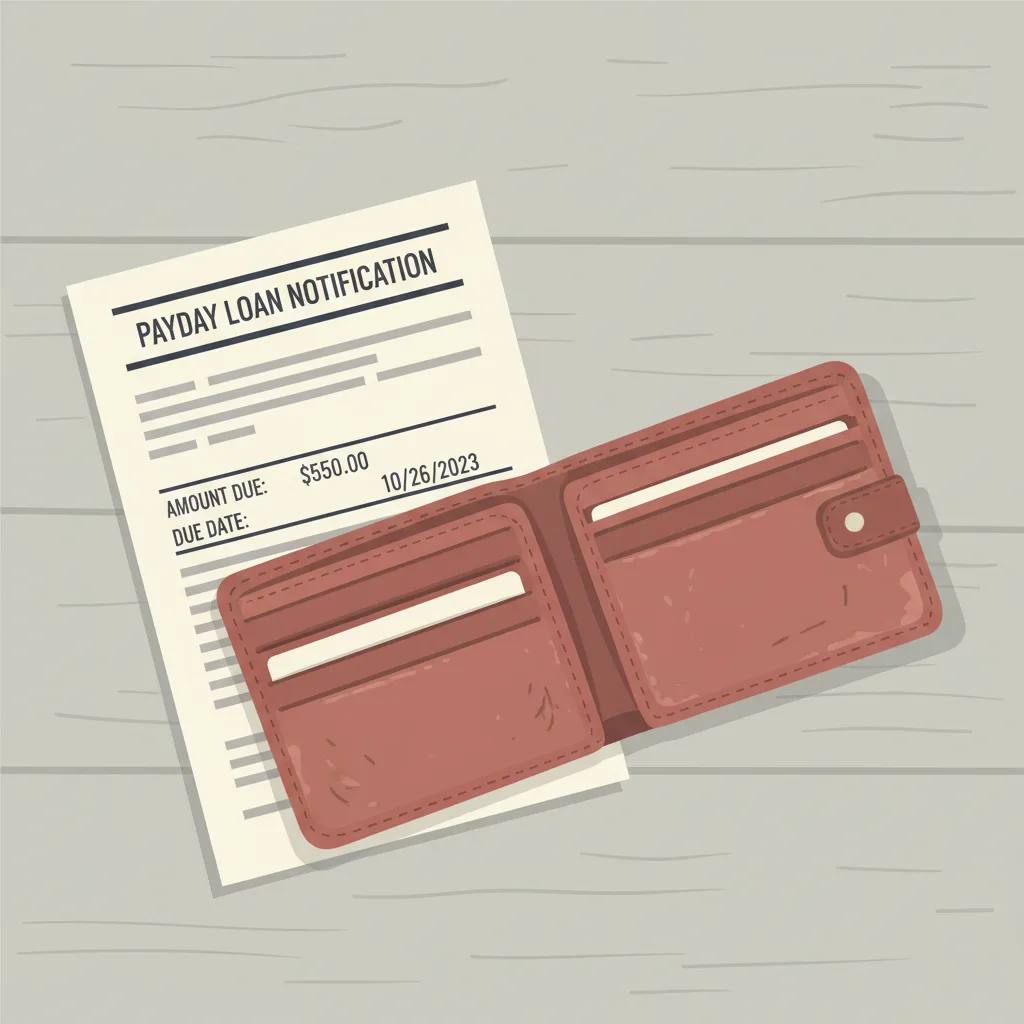
Kurzzeitkredit-Entscheidung

% bereuen diese Entscheidung

Untätigkeit überwiegt

Reue über Untätigkeit 2.2× höher

family

Pflegeheim vs. Heimpflege

% bereuen diese Entscheidung

Handlung überwiegt

Reue über Handlung 2.3× höher

Lending money to family or friends is a decision where both paths carry substantial downside. Bankrate’s 2019 survey of 2,490 US adults found that 46% of those who lent money to a loved one experienced negative consequences — lost money, damaged credit, or harmed relationships. LendingTree’s parallel survey put direct regret at 24%. On the refusal side, 26% of those who declined to lend say the refusal ended a relationship entirely. The action side carries financial risk; the inaction side carries relational risk.

The asymmetry in regret type is more interesting than the asymmetry in regret rate. Lenders who regret the decision typically lost money they will not recover — a concrete, quantifiable harm. Refusers who regret it lost a relationship — an emotional, diffuse harm that may be harder to value but can persist longer. Gilovich and Medvec’s temporal framework would predict that the relational regret (inaction) grows over time while the financial regret (action) fades, but no longitudinal study has tested this specifically for family lending.

The comparison has a fundamental measurement problem: the two sides use different instruments, different survey years, and different definitions of “negative outcome.” The 35% midpoint used for the action side blends direct regret (24%, LendingTree) with broader negative consequences (46%, Bankrate). The 26% for the inaction side measures relationship loss, not self-reported regret. A cleaner comparison would need a single validated instrument applied to both lenders and refusers in the same sample. Until that exists, the takeaway is qualitative: both lending and refusing carry roughly comparable odds of a bad outcome, but the nature of the harm differs.

Quellen: Handeln

Quellenregister

Jede Zahl unten ist das, was die jeweilige Quelle berichtet hat — mit dem wörtlichen Zitat, auf das wir uns stützen, und wie wir zu unserer Zahl gelangt sind. Klicke auf einen Link, um direkt zu prüfen.

  1. [1] Bankrate — Survey: Nearly half of Americans who lend cash to loved ones face negative consequences
    Survey: Nearly half of Americans who lend cash to loved ones face negative consequences
    Statistik
    46% of those who lent money to family or friends experienced negative consequences including lost money, damaged credit, or harmed relationships
    Auszug
    “"Nearly half (46%) of those who lent cash to loved ones experienced a negative consequence as a result, whether it was losing money, damaging a relationship or seeing a decline in their credit score." ”
    Quelldaten von
    2019-09-25
    Abgerufen
    2026-04-25
    Berechnung
    Bankrate surveyed 2,490 US adults in August 2019. The 46% negative-consequences figure is the broadest measure. Of those, 37% specifically lost money and ~20% experienced relationship damage. We use 0.35 as the regret_rate (midpoint of 24% direct regret from LendingTree and 46% negative outcomes from Bankrate).
  2. [2] LendingTree — Lending Between Family or Friends Results in Guilt, Hurt Feelings and Regret, Survey Finds
    Lending Between Family or Friends Results in Guilt, Hurt Feelings and Regret, Survey Finds
    Statistik
    24% of family/friend lenders regret their decision to lend money; lending between family or friends is likely to result in guilt, hurt feelings, or regret
    Auszug
    “"24% of family/friend lenders regret their decision to lend money in the first place." ”
    Quelldaten von
    2019-11-13
    Abgerufen
    2026-04-25
    Berechnung
    LendingTree commissioned Qualtrics to survey 1,022 US consumers (620 of whom lent and/or borrowed money among family or friends in the last five years) in November 2019. The 24% is a direct regret measure, lower than the 46% negative-consequences figure from Bankrate because it captures explicit regret rather than any negative outcome.

Quellen: Nichthandeln

Quellenregister

Jede Zahl unten ist das, was die jeweilige Quelle berichtet hat — mit dem wörtlichen Zitat, auf das wir uns stützen, und wie wir zu unserer Zahl gelangt sind. Klicke auf einen Link, um direkt zu prüfen.

  1. [1] LendingTree — 31% of Americans Say a Friend or Family Member Owes Them Money
    31% of Americans Say a Friend or Family Member Owes Them Money
    Statistik
    26% say money ended a relationship because they refused to lend; relationship loss is the primary negative outcome of refusing
    Auszug
    “"Among reasons why the subject of money ended a relationship, 26% say it was because they refused to lend the money." ”
    Quelldaten von
    2021-10-20
    Abgerufen
    2026-04-25
    Berechnung
    LendingTree commissioned Qualtrics to survey 2,051 US consumers in October 2021. The 26% represents those who lost a relationship specifically because they refused to lend. We use 0.26 as the regret_rate, noting that it measures relationship loss (a proxy for regret) rather than direct decisional regret.
  2. [2] LendingTree — Survey: Many Americans Prefer Debt Over Borrowing From Family
    Survey: Many Americans Prefer Debt Over Borrowing From Family
    Statistik
    Many Americans would rather take on formal debt than borrow from family, suggesting that the social costs of family lending cut both ways
    Auszug
    “"Many Americans say they would prefer to go into debt rather than borrow from a family member or friend, highlighting the social risks inherent in mixing money and personal relationships." ”
    Quelldaten von
    2022-06-15
    Abgerufen
    2026-04-25
    Berechnung
    Contextual support showing that the social costs of family lending are widely recognized. The preference for formal debt over family borrowing suggests that both lending and refusing carry relational risk.

Einschränkungen

The action-side and inaction-side figures measure different things: the 35% captures financial loss and general negative outcomes from lending, while the 26% captures relationship loss from refusing. These are not equivalent regret measures — one is primarily financial harm, the other is relational harm. A true apples-to-apples comparison would require the same instrument applied to both groups. The surveys are also from different years and slightly different populations. The delta of 0.09 exceeds the 0.05 threshold, so we classify as action_dominates — lending carries a higher measured regret rate than refusing. However, the qualitative difference in regret type (money lost vs relationship lost) means the directional label should be read with caution; both sides carry substantial and differently-flavored downsides. Survey data are drawn exclusively from United States samples; satisfaction and regret rates in countries with different institutional structures — housing markets, credit culture, retirement systems, or social norms — may differ substantially.

Rohdaten: /api/decisions.json

Zuletzt auf diesem Gerät angesehen