




Saltar al contenido
Likelier

Arrepentimiento por actuar o por no actuar

Hacerse un tatuaje vs no hacérselo

Si actúas

Hacerse un tatuaje

24%

Si no actúas

No hacerse un tatuaje

15%

Porcentaje de quienes luego se arrepienten de cada elección. Las barras y el registro completo aparecen abajo.


Estilo de vida

Última revisión 2026-04-26

Calidad de la evidencia 4.38/5

Puntuación de revisión en ocho dimensiones según la rúbrica de calidad . Cada dimensión puntuada de 1 a 5.

D1 Verificación de fuentes
5/5
D2 Autoridad e independencia de las fuentes
5/5
D3 Precisión de la tasa de arrepentimiento
3/5
D4 Comparabilidad de las fuentes
3/5
D5 Patrón de Gilovich
4/5
D6 Calidad de la prosa
5/5
D7 Completitud de las advertencias
5/5
D8 Calidad de la muestra
5/5
Media 4.38/5
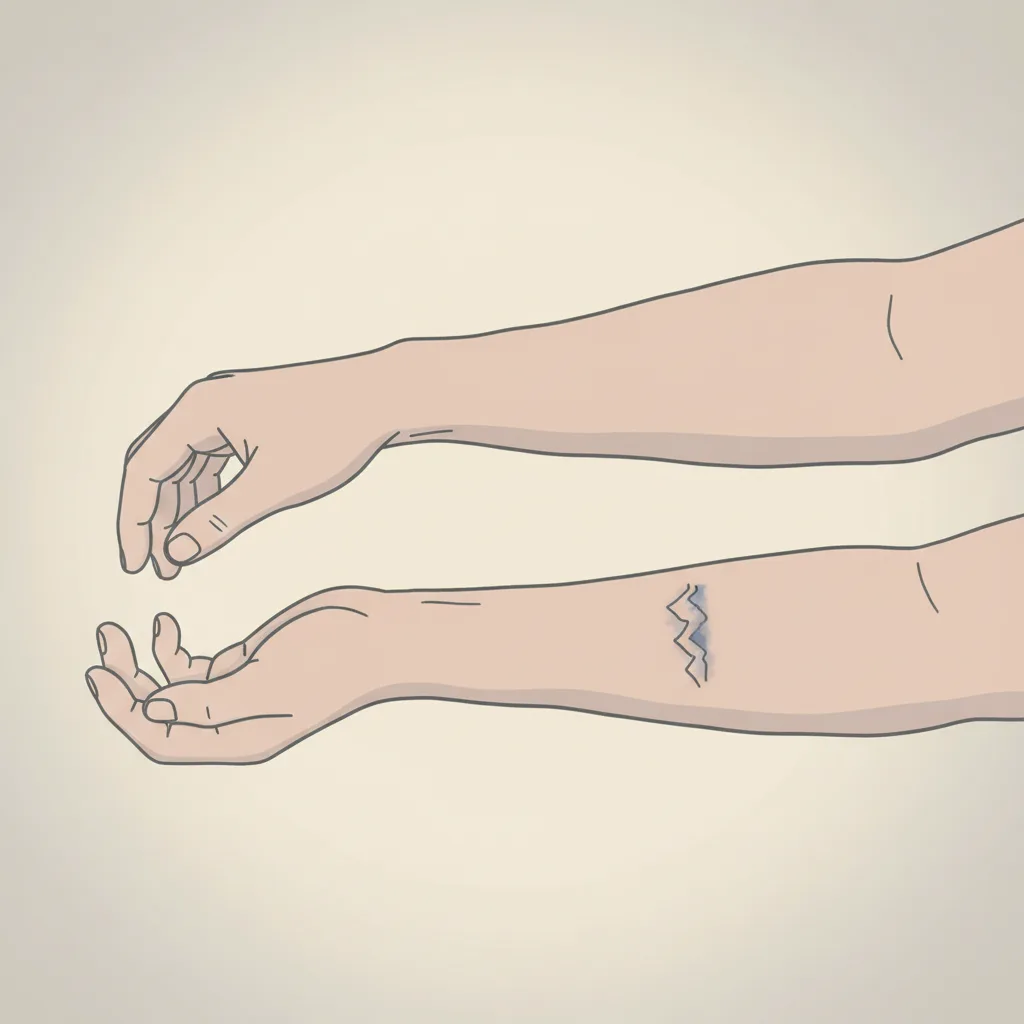
A bare forearm beside an identical forearm with a small faded tattoo, both resting on a neutral surface.

Arrepentimiento por acción

Hacerse un tatuaje

24%

24% se arrepiente de al menos un tatuaje

Adultos estadounidenses con tatuajes, representativo a nivel nacional

retrospectivo, sin marco temporal fijo

Arrepentimiento por inacción

No hacerse un tatuaje

15%

15% de los adultos sin tatuajes dice que es probable que se haga uno (proxy — ver caveats)

Adultos estadounidenses sin tatuajes

retrospectivo, sin marco temporal fijo

% que se arrepienten de esta elección

action dominates — Domina la acción — la mayoría se arrepiente de actuar.

Decisiones relacionadas

Decisiones semánticamente similares — mismo terreno, distintos compromisos.

Salud

Piercing corporal

% que se arrepienten de esta elección

Acción dominante

Arrepentimiento por acción 4.0× mayor

lifestyle

Dieta vegetariana

% que se arrepienten de esta elección

Acción dominante

Arrepentimiento por acción 3.8× mayor

lifestyle

Usar IA para decisiones

% que se arrepienten de esta elección

Equilibrado

Aproximadamente equilibrado

Salud

Trasplante capilar

% que se arrepienten de esta elección

Inacción dominante

Arrepentimiento por inacción 5.0× mayor

lifestyle

Ciudad vs afueras

% que se arrepienten de esta elección

Acción dominante

Arrepentimiento por acción 1.2× mayor

Salud

Terapia o sin terapia

% que se arrepienten de esta elección

Equilibrado

Aproximadamente equilibrado

Salud

Aumento de senos

% que se arrepienten de esta elección

Equilibrado

Aproximadamente equilibrado

Salud

Cirugía estética

% que se arrepienten de esta elección

Equilibrado

Aproximadamente equilibrado

About 24% of tattooed Americans say they regret at least one tattoo, according to a 2023 Pew Research Center survey of 8,480 adults — a figure corroborated by a peer-reviewed Cureus study that found an 18.2% regret rate among 1,072 tattooed participants using census-matched sampling. On the inaction side, 85% of non-tattooed adults say they are unlikely to ever get a tattoo, leaving roughly 15% who express some intent — a proxy for latent desire, though not a direct regret measure. The resulting pattern makes tattoos one of the clearest action-dominates entries in the dataset: a permanent, visible, body-altering decision where the thing you did haunts more than the thing you did not.

The psychology is straightforward and cuts against the usual Gilovich finding. Most regretted life decisions involve inaction — the degree not pursued, the relationship not attempted — because inactions leave an open counterfactual that the mind inflates over time. Tattoos close the counterfactual: the ink is there, on the skin, every day. There is no ambiguity about the outcome. The Cureus study found that getting a tattoo while impaired, choosing a head or neck location, and experiencing an adverse event (infection, prolonged itching, or swelling) were all significant predictors of regret. Age also matters: older age was protective (odds ratio 0.93 per year in the same study), so getting a first tattoo younger predicts higher lifetime regret.

The main caveat is measurement asymmetry. The action side benefits from a clean, direct question; the inaction side relies on a future-intent proxy because no major survey asks non-tattooed adults whether they actively regret not having a tattoo. The 15% figure almost certainly overstates inaction regret, since “I might get one someday” is weaker than “I wish I had done it.” Cognitive dissonance also cuts both ways: tattooed people may underreport regret to protect self-image, while non-tattooed people may suppress desire to justify their choice. The directional finding — that tattoo regret runs action-heavy — is robust across multiple studies and consistent with the irreversibility mechanism; the precise 24-to-15 ratio should be read as approximate.

Fuentes: acción

Registro de evidencia

Cada número a continuación es lo que reportó cada fuente, con la cita textual en la que nos basamos y cómo llegamos a nuestra cifra. Haz clic en cualquier enlace para verificarlo directamente.

2/2 fuentes verificadas de forma independiente palabra por palabra frente a la fuente citada

  1. [1] Pew Research Center — 32% of Americans have a tattoo, including 22% who have more than one Verificado
    32% of Americans have a tattoo, including 22% who have more than one
    Estadística
    About a quarter (24%) of tattooed Americans say they ever regret getting one or more of their tattoos
    Extracto
    “"About a quarter (24%) of tattooed Americans say they ever regret getting one or more of their tattoos. Among those with tattoos, younger adults are more likely than older adults to say they have regretted getting a tattoo." ”
    Datos de la fuente de
    2023-08-15
    Accedido
    2026-04-26
    Verificación
    Extracto recuperado de forma independiente y confirmado palabra por palabra frente a la fuente citada durante nuestra auditoría de fundamentación.
    Cálculo
    Pew Research Center American Trends Panel survey of 8,480 US adults conducted July 10-16, 2023. The 24% figure is among the subset who report having at least one tattoo (32% of all respondents). Used directly as the action-regret rate.
  2. [2] Cureus (peer-reviewed) — Think Before You Ink: Perception, Prevalence, and Correlates of Tattooing and Tattoo Regret in US Adults Verificado
    Think Before You Ink: Perception, Prevalence, and Correlates of Tattooing and Tattoo Regret in US Adults
    Estadística
    18.2% of tattooed US adults reported regretting one or more of their tattoos
    Extracto
    “"Of those with tattoos, 18.2% reported regretting one or more of their tattoos. The number of comorbid conditions, time with a tattoo, being impaired when getting the tattoo, having a tattoo on the head or neck, and experiencing a tattoo-related adverse event were predictive of having tattoo regret." ”
    Datos de la fuente de
    2023-11-02
    Accedido
    2026-04-26
    Verificación
    Extracto recuperado de forma independiente y confirmado palabra por palabra frente a la fuente citada durante nuestra auditoría de fundamentación.
    Cálculo
    Cross-sectional study of 3,033 US adults recruited using a random stratified sampling framework similar to the US Census. 35.3% (1,072) reported having a tattoo. The 18.2% regret rate among tattooed respondents is lower than the Pew figure (24%), possibly due to stricter sampling. We use the Pew 24% as the primary action-side rate given its larger sample and the ATP's established representativeness methodology.

Fuentes: inacción

Registro de evidencia

Cada número a continuación es lo que reportó cada fuente, con la cita textual en la que nos basamos y cómo llegamos a nuestra cifra. Haz clic en cualquier enlace para verificarlo directamente.

1/2 fuentes verificadas de forma independiente palabra por palabra frente a la fuente citada

  1. [1] Pew Research Center — 32% of Americans have a tattoo, including 22% who have more than one Verificado
    32% of Americans have a tattoo, including 22% who have more than one
    Estadística
    15% of non-tattooed Americans say they are somewhat, very, or extremely likely to get a tattoo in the future
    Extracto
    “"The vast majority (85%) of Americans who don't have a tattoo say they are not too or not at all likely to get one in the future. Among those under 30 without a tattoo, 19% say they are extremely or very likely to get one." ”
    Datos de la fuente de
    2023-08-15
    Accedido
    2026-04-26
    Verificación
    Extracto recuperado de forma independiente y confirmado palabra por palabra frente a la fuente citada durante nuestra auditoría de fundamentación.
    Cálculo
    Same Pew ATP survey (n=8,480). Among the 68% of respondents without a tattoo, 6% said extremely/very likely and 9% said somewhat likely to get one in the future, totaling 15%. This is a desire-intent measure, not a direct regret measure — see caveats. Used as the inaction-side proxy because no large-sample survey directly asks non-tattooed adults whether they regret not having a tattoo.
  2. [2] YouGov — Americans have become more favorable toward tattoos in the past decade
    Americans have become more favorable toward tattoos in the past decade
    Estadística
    24% of Americans currently have a tattoo; attitudes toward tattoos have become significantly more favorable over the past decade
    Extracto
    “"Americans have become more favorable toward tattoos in the past decade. 24% of Americans say they currently have a tattoo. Women (30%) are more likely than men (19%) to say they currently have a tattoo." ”
    Datos de la fuente de
    2025-03-14
    Accedido
    2026-04-26
    Cálculo
    YouGov survey documenting that 24% of Americans currently have a tattoo and that attitudes have grown more favorable over the past decade. The article reports no regret figure; the growing social acceptance of tattoos suggests that inaction regret may be rising over time as tattoos become more normative, but no direct inaction-regret figure is available.

Advertencias

Las medidas de acción e inacción no son simétricas. La tasa del 24% de arrepentimiento por acción es una pregunta directa de arrepentimiento ("¿Alguna vez se arrepiente de haberse hecho un tatuaje?"), mientras que la cifra del 15% lado inacción es un proxy de intención futura ("¿Qué tan probable es que se haga un tatuaje?"), no una pregunta de arrepentimiento retrospectivo. Ninguna encuesta de muestra grande pregunta directamente a adultos sin tatuajes si se arrepienten de no haberse tatuado. La verdadera tasa de arrepentimiento por inacción probablemente sea menor al 15%, ya que querer algo no es lo mismo que arrepentirse de su ausencia. Un estudio revisado por pares en Cureus encontró una tasa de arrepentimiento por acción menor del 18,2%, que estrecharía aún más el delta. Los tatuajes son un raro contraejemplo al patrón típico de Gilovich y Medvec de dominio de inacción: la irreversibilidad y visibilidad de la decisión sostienen el arrepentimiento por acción de una manera que una vacación renunciada o un movimiento de carrera no intentado no lo hacen. La disonancia cognitiva también puede suprimir el arrepentimiento reportado entre los tatuados — las personas están motivadas a racionalizar elecciones permanentes — significando que la verdadera tasa de arrepentimiento por acción podría ser mayor de lo que capturan las encuestas. Los datos de encuesta provienen exclusivamente de muestras de Estados Unidos; las tasas de satisfacción y arrepentimiento en países con diferentes normas sociales sobre modificación corporal y aceptación de tatuajes pueden diferir sustancialmente.

Datos brutos: /api/decisions.json

Vistos recientemente en este dispositivo