Odsetek osób, które później żałują każdego wyboru. Słupki i pełna kartoteka danych poniżej.
Finanse
Ostatnio sprawdzono 2026-05-14
Jakość dowodów 4.75/5
Ocena recenzji w ośmiu wymiarach względem
rubryki jakości
. Każdy wymiar oceniony w skali 1–5.
D1 Weryfikacja źródeł
5/5
D2 Autorytet i niezależność źródeł
5/5
D3 Dokładność wskaźnika żalu
4/5
D4 Porównywalność źródeł
4/5
D5 Wzorzec Gilovicha
5/5
D6 Jakość tekstu
5/5
D7 Kompletność zastrzeżeń
5/5
D8 Jakość próby
5/5
Średnia4.75/5
Dane zastępcze — dla tej decyzji nie istnieje bezpośrednie badanie żałowania. Wskaźniki są oparte na ocenach zadowolenia i danych o barierach dostępu, a nie na pytaniach bezpośrednio dotyczących żałowania. Zobacz zastrzeżenia poniżej.
Żal za działanie
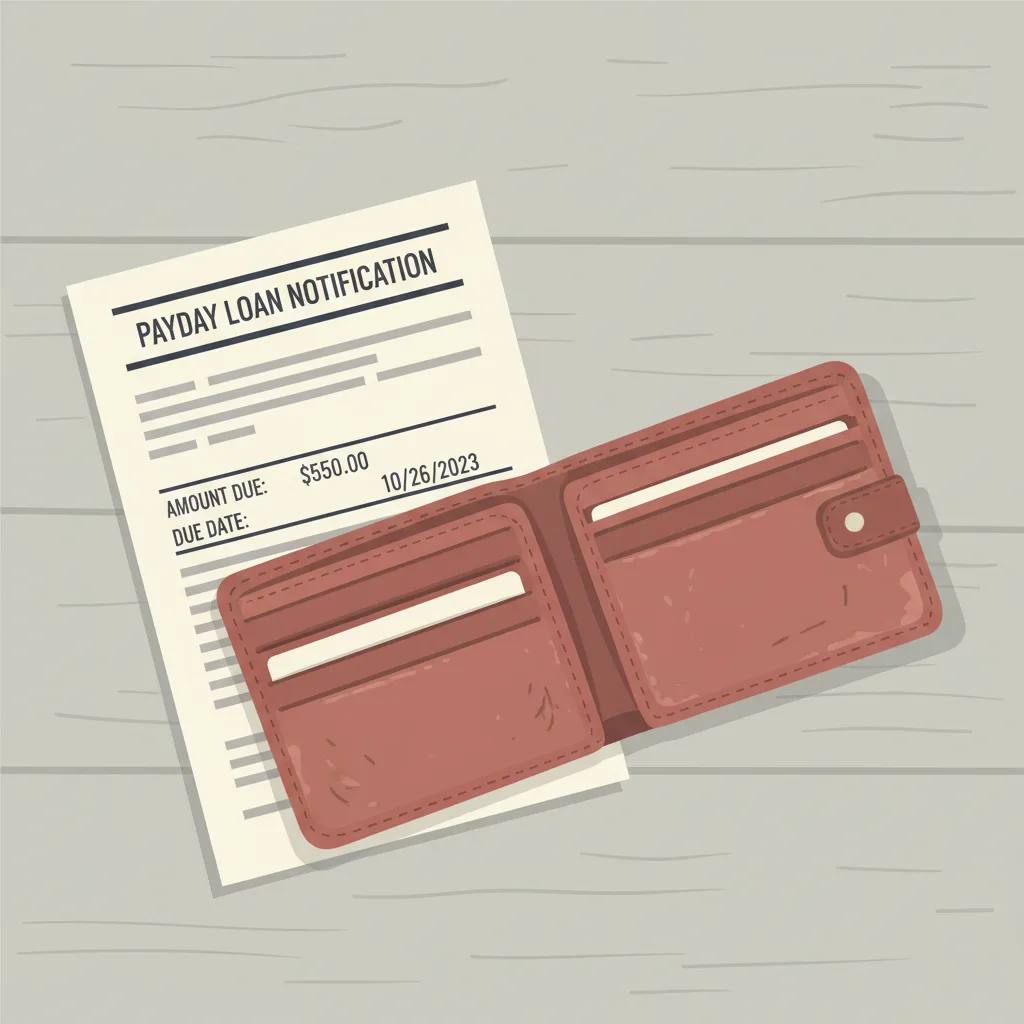
Wzięcie chwilówki
37%
37% pożyczających payday loan mówi, że byli w tak trudnej sytuacji finansowej, że wzięliby pożyczkę na dowolnych oferowanych warunkach
retrospektywnie, oceniane podczas aktywnego pożyczania
Żal za zaniechanie
Rezygnacja z pożyczki
81%
81% pożyczających payday loan w placówkach stacjonarnych mówi, że gdyby payday loans były niedostępne, ograniczyliby wydatki takie jak żywność i odzież
Amerykańscy pożyczający payday loan w placówkach stacjonarnych, deklarujący, jak poradziliby sobie, gdyby pożyczka była niedostępna (ogólnokrajowa reprezentatywna ankieta)
retrospektywnie, hipotetyczna alternatywa dla pożyczania
% żałuje tej decyzji
Wzięcie chwilówkiRezygnacja z pożyczki
37%81%
inaction dominates — Bezczynność dominuje — większość żałuje, że nie podjęła działania.
Powiązane decyzje
Semantycznie podobne decyzje — ten sam obszar, inne kompromisy.
Zainwestowanie oszczędności w kryptowalutyPozostanie przy tradycyjnych aktywach
46%16%
Działanie dominuje
Żal za działaniem 2.9× wyższy
A Pew Charitable Trusts survey of more than 33,000 US adults found that 37% of payday loan borrowers say they were in such a difficult financial situation that they would take a loan on any terms offered — desperation, not free choice, drives a large share of the borrowing. Pew separately found that a majority of borrowers say the loans take advantage of them. The same research documented why the harm runs deep: the average borrower spends five months repaying what is marketed as a two-week product, paying $520 in fees to repeatedly service a $375 principal. That fee-to-principal ratio of 139% explains the harm — the product routinely transforms a short-term cash shortfall into a multi-month debt spiral before the borrower can exit.
Independent analysis by the Consumer Financial Protection Bureau, drawing on 12 million storefront payday loans, found that four out of five loans are rolled over or renewed within two weeks. Only 15% of borrowers repay without re-borrowing within 14 days; over 60% of all loans go to borrowers in sequences of seven or more consecutive loans. The gap between the marketed product (a short-term bridge) and the actual product (a recurring fee mechanism) is the structural reason harm rates are as high as they are.
The inaction side carries real costs. Pew asked borrowers what they would do if payday loans were unavailable: 81% said they would cut back on expenses such as food and clothing, and majorities said they would delay paying some bills, borrow from family or friends, or sell possessions. In other words, the underlying cash shortfall does not disappear when the loan is off the table — it gets shifted onto other necessities and bills. That is the hardship going without imposes. But it is the same shortfall that borrowers who take the loan also carry: Pew separately reports that a majority of borrowers say the loans take advantage of them. Going without the money produces hardship for a large share of people in that position, yet without adding the fee-driven debt spiral that the loan brings. The two figures shown here are proxies drawn from different survey questions — the 37% is Pew’s desperation measure (would borrow on any terms), the 81% is Pew’s coping measure (would cut back on necessities without the loan) — so the raw gap between them is not a clean regret comparison. The signal that survives is severity: CFPB’s rollover data show the harm from taking the loan, when it lands, is deep and prolonged, whereas going without shifts the same shortfall onto other bills without the debt trap.
Źródła: działanie
Rejestr twierdzeń
Każda liczba poniżej jest tym, co podało dane źródło — z dosłownym cytatem, na którym się oparliśmy, i sposobem, w jaki doszliśmy do naszej wartości. Kliknij dowolny link, żeby zweryfikować bezpośrednio.
1/2 źródeł niezależnie zweryfikowanych słowo w słowo z podanym źródłem
[1]Pew Charitable Trusts — Payday Lending in America: How Borrowers Choose and Repay Payday Loans (Overview)
Badanie pierwotne
37% of borrowers say they have been in such a difficult financial situation that they would take a payday loan on any terms offered; a majority of borrowers say payday loans take advantage of them
Cytat
“"Desperation also influences the choice of 37 percent of borrowers who say they have been in such a difficult financial situation that they would take a payday loan on any terms offered." ... "A majority of borrowers say payday loans take advantage of them, and a majority also say they provide relief."
”
Dane źródłowe z
2013-02-20
Dostęp
2026-06-30
Obliczenie
Pew Charitable Trusts "Payday Lending in America" series, drawn from the same nationally representative survey of 33,576 US adults. The 37% figure is Pew's exact, directly reported measure of borrowers who say they were so financially desperate they would accept a payday loan on any terms — a desperation/harm-sentiment construct, NOT a self-report that the loan "made their finances worse" (no such Pew statistic exists). It is used as the action-side rate to label the share of borrowers who took the loan out of acute desperation rather than genuine choice; Pew separately finds a majority say the loans take advantage of them. This is a relabeled sentiment proxy, not a direct regret survey.
[2]Consumer Financial Protection Bureau — CFPB Finds Four Out of Five Payday Loans Are Rolled Over or Renewed
Zweryfikowane
Raport rządowy
80% of payday loans are rolled over or renewed within 14 days; over 60% of loans go to borrowers in sequences of 7 or more loans; only 15% of borrowers repay without re-borrowing
Cytat
“"Four out of five payday loans are rolled over or renewed within two weeks. Over 60 percent of loans are made to borrowers in the course of loan sequences lasting seven or more loans. Only 15 percent of borrowers repay all of their payday debts when due without re-borrowing within 14 days."
”
Dane źródłowe z
2014-03-25
Dostęp
2026-05-14
Weryfikacja
Cytat niezależnie pobrany ponownie i potwierdzony słowo w słowo z podanym źródłem podczas naszego audytu ugruntowania.
Obliczenie
CFPB analysis of 12 million storefront payday loans over a 12-month period, published March 2014. The 80% rollover rate and the finding that only 15% of borrowers escape without re-borrowing corroborate the action-side harm framing: the debt-trap structure makes the loan more harmful and prolonged than most borrowers anticipate at origination, consistent with Pew's finding that desperation, not free choice, drives a large share of borrowing. These figures are from the CFPB press release, which cites the full study: https://files.consumerfinance.gov/f/201403_cfpb_report_payday-lending.pdf
Źródła: bezczynność
Rejestr twierdzeń
Każda liczba poniżej jest tym, co podało dane źródło — z dosłownym cytatem, na którym się oparliśmy, i sposobem, w jaki doszliśmy do naszej wartości. Kliknij dowolny link, żeby zweryfikować bezpośrednio.
[1]Pew Charitable Trusts — Payday Lending in America: Who Borrows, Where They Borrow, and Why
Badanie pierwotne
If payday loans were unavailable, 81% of borrowers say they would cut back on expenses such as food and clothing, and majorities say they would delay paying some bills — the shortfall the loan was meant to cover is not resolved but shifted
Cytat
“"If faced with a cash shortfall and payday loans were unavailable, 81 percent of borrowers say they would cut back on expenses. Many also would delay paying some bills, rely on friends and family, or sell personal possessions." ... "Eighty-one percent of those who have used a storefront payday loan would cut back on expenses such as food and clothing. Majorities also would delay paying bills, borrow from family or friends, or sell or pawn possessions."
”
Dane źródłowe z
2012-07-19
Dostęp
2026-05-14
Obliczenie
The 0.81 inaction-side rate is Pew's exact, directly reported figure: 81% of those who have used a storefront payday loan say they would cut back on expenses such as food and clothing if payday loans were unavailable. It is used here as a hardship proxy for the inaction side — the share who, without the loan, absorb the cash shortfall by cutting back on necessities (and, for majorities, delaying bills, borrowing from family or friends, or selling possessions). This is a coping-response proxy, NOT a direct regret survey of people who went without a payday loan (no such survey exists); "would cut back on food and clothing" is disclosed as a hardship-sentiment stretch rather than a self-reported regret measure. The number itself is taken verbatim from Pew's stated 81%; it is not adjusted or derived downward, because no source states any intermediate value and inventing one would be ungrounded.
Zastrzeżenia
37% wskaźnika po stronie działania to dokładna miara Pew pożyczających, którzy mówią, że byli w tak trudnej sytuacji finansowej, że wzięliby payday loan na dowolnych oferowanych warunkach — konstrukt desperacji/poczucia szkody, NIE samodzielna deklaracja, że pożyczka „pogorszyła ich sytuację finansową" (taka statystyka Pew nie istnieje). Pochodzi z ogólnokrajowej reprezentatywnej ankiety 33 576 dorosłych Amerykanów z serii „Payday Lending in America"; Pew osobno podaje, że większość pożyczających mówi, iż pożyczki je wykorzystują. 81% wskaźnika po stronie zaniechania to dokładna, bezpośrednio podana liczba Pew: 81% pożyczających payday loan w placówkach stacjonarnych ograniczyłoby wydatki takie jak żywność i odzież, gdyby payday loans były niedostępne — użyta tu jako proxy trudności dla rezygnacji z pożyczki, nie bezpośrednia ankieta o żal osób, które odmówiły payday loan (takiej ankiety nie znaleziono). Ponieważ dwa proxy opierają się na różnych pytaniach (desperacja, by pożyczyć na dowolnych warunkach, vs. ograniczanie wydatków na potrzeby, gdyby pożyczki zabrakło), różnica między nimi (delta = -0,44) jest orientacyjnym porównaniem proxy, a nie precyzyjną różnicą żalu: wskazuje kierunkowo, że rezygnacja z pożyczki jest bardziej kosztowną ścieżką — 81% ograniczających wydatki na potrzeby to szerszy sygnał trudności niż węższa miara 37% desperacji, by pożyczyć — ale wielkości tej nie skalibrowano. Bardziej wiarygodnym sygnałem jest ciężkość, nie wskaźnik: po stronie działania analiza CFPB 12 mln pożyczek ustaliła, że ponad 80% jest rolowanych w ciągu 14 dni, a tylko 15% pożyczających ucieka bez ponownego pożyczania — wskazując, że szkoda, gdy występuje, jest głęboka i przedłużona. Rezygnacja z pożyczki przenosi trudność na inne rachunki i potrzeby, ale unika napędzanej opłatami spirali zadłużenia. Dane Pew 2012 poprzedzają zasadę pożyczek payday Consumer Financial Protection Bureau z 2017 r. (następnie zmniejszoną w 2020 r.), co oznacza, że strukturalne dynamiki opłat mogą się różnić od obecnych produktów. Populacje porównawcze po obu stronach nie są identyczne — dane po stronie działania obejmują potwierdzonych pożyczających, podczas gdy dane po stronie zaniechania są wnioskowane z hipotetycznych alternatyw tych samych pożyczających — wprowadzając ograniczenie dopasowania.