Negocjowanie ceny samochodu vs. przyjęcie pierwszej oferty sprzedawcy
Jeśli działasz
Negocjowanie ceny
14%
Jeśli nie działasz
Przyjęcie pierwszej oferty sprzedawcy
23%
Odsetek osób, które później żałują każdego wyboru. Słupki i pełna kartoteka danych poniżej.
Finanse
Ostatnio sprawdzono 2026-05-11
Jakość dowodów 4.13/5
Ocena recenzji w ośmiu wymiarach względem
rubryki jakości
. Każdy wymiar oceniony w skali 1–5.
D1 Weryfikacja źródeł
5/5
D2 Autorytet i niezależność źródeł
4/5
D3 Dokładność wskaźnika żalu
2/5
D4 Porównywalność źródeł
3/5
D5 Wzorzec Gilovicha
5/5
D6 Jakość tekstu
5/5
D7 Kompletność zastrzeżeń
5/5
D8 Jakość próby
4/5
Średnia4.13/5
Dane zastępcze — dla tej decyzji nie istnieje bezpośrednie badanie żałowania. Wskaźniki są oparte na ocenach zadowolenia i danych o barierach dostępu, a nie na pytaniach bezpośrednio dotyczących żałowania. Zobacz zastrzeżenia poniżej.
Żal za działanie
Negocjowanie ceny
14%
~14% kupujących samochód, którzy negocjują, zgłasza niezadowolenie z procesu lub wyniku (proxy z literatury o tarciu i wyrzutach kupującego)
Amerykańscy i brytyjscy kupujący samochód, którzy próbowali negocjacji cenowych
retrospektywnie, bez stałego horyzontu
Żal za zaniechanie
Przyjęcie pierwszej oferty sprzedawcy
23%
23% kupujących samochód mówi, że przepłacenie to ich pojedynczy najgorszy błąd przy kupowaniu samochodu
Dorośli Amerykanie, którzy kupili samochód
retrospektywnie, bez stałego horyzontu
% żałuje tej decyzji
Negocjowanie cenyPrzyjęcie pierwszej oferty sprzedawcy
14%23%
inaction dominates — Bezczynność dominuje — większość żałuje, że nie podjęła działania.
Powiązane decyzje
Semantycznie podobne decyzje — ten sam obszar, inne kompromisy.
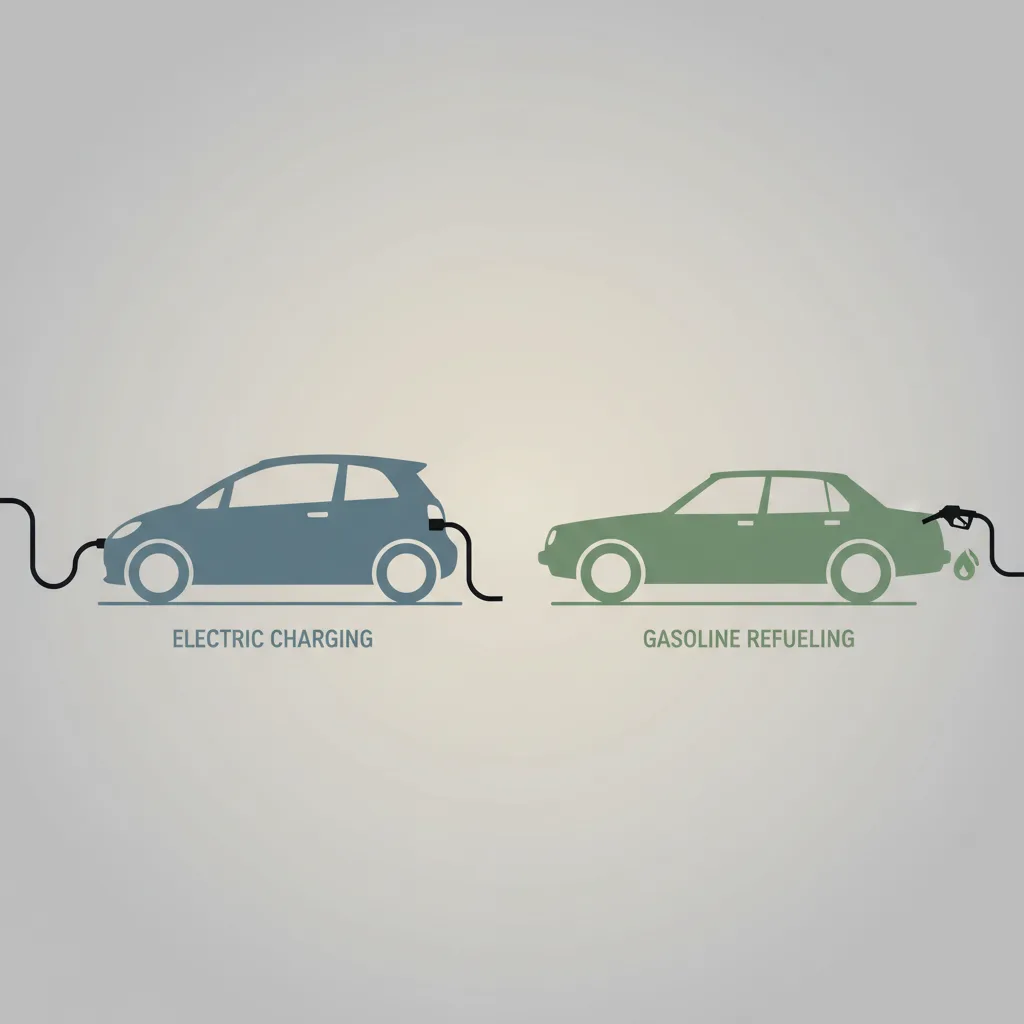
Przesiadka na elektrykZatrzymanie auta spalinowego
46%16%
Działanie dominuje
Żal za działaniem 2.9× wyższy
Among used-car buyers who attempted to negotiate, 83% succeeded in paying less than the asking price, with a median saving of $900 — roughly 8% off the sticker — according to a Consumer Reports survey of 1,006 US buyers. The group that did not negotiate accepted a higher price for no reason other than not asking. An Ipsos survey of 1,005 US adults found that 23% of car buyers named overpaying as their single worst mistake in the car-buying process, ranking it ahead of not doing enough research (20%), buying the wrong car (14%), and buying from an untrustworthy source (14%). The LendingTree car-regrets survey (n=1,919) separately found that 8% of recent buyers specifically regret not shopping around for a better deal — a narrower, more direct measure of negotiation regret.
The asymmetry tracks cleanly with the Gilovich-Medvec inaction-dominance pattern. Negotiating and failing costs nothing in price — you end up paying exactly what non-negotiators pay, and in most cases you still drive away with the car. Negotiating and succeeding saves hundreds to thousands of dollars. Not negotiating locks in the sticker price permanently. The expected value of asking is positive, the downside is minimal, and yet a large share of buyers accept the first number without countering. Edmunds data shows that by Q3 2024, the average US new-vehicle buyer was leaving with the car $1,744 below MSRP — a figure that reflects an entire population of buyers, including those who did not negotiate, being averaged against those who did. Individual negotiators likely fared better than the mean.
The caveats are real. Market conditions shift the leverage dramatically: during the 2021–2022 inventory shortage, used-car prices spiked well above pre-pandemic levels and dealers routinely added markups above MSRP, making negotiation nearly impossible for popular models. In a surplus market — the environment most buyers will encounter across their lifetime — the leverage returns to the buyer. The Ipsos regret figure (23%) almost certainly conflates depreciation disappointment with negotiation failure; buyers who timed their purchase during a price peak, negotiated well, and still watched the car lose value quickly would also report this regret. The CarGurus UK data shows 53% of buyers find negotiation uncomfortable — a real barrier that suppresses attempts — but discomfort during the process does not reliably translate into regret about having tried.
Źródła: działanie
Rejestr twierdzeń
Każda liczba poniżej jest tym, co podało dane źródło — z dosłownym cytatem, na którym się oparliśmy, i sposobem, w jaki doszliśmy do naszej wartości. Kliknij dowolny link, żeby zweryfikować bezpośrednio.
1/2 źródeł niezależnie zweryfikowanych słowo w słowo z podanym źródłem
[1]Consumer Reports — Why Haggling for Your Next Car Really Pays
Zweryfikowane
Źródło referencyjne
70% of used-car buyers who haggled succeeded 83% of the time, saving a median of $900 (8% off asking price)
Cytat
“"70 percent of used-car buyers haggled over the price, succeeding in getting a better deal 83 percent of the time. The median was $900, or 8 percent less than the asking price."
”
Dane źródłowe z
2023-01-01
Dostęp
2026-05-11
Weryfikacja
Cytat niezależnie pobrany ponownie i potwierdzony słowo w słowo z podanym źródłem podczas naszego audytu ugruntowania.
Obliczenie
Consumer Reports survey of n=1,006 US adults who purchased a used car in the past five years. The 83% success rate among negotiators implies 17% failed to improve the price. Even among those who failed, they were no worse off than non-negotiators. Low post-negotiation regret is estimated from the inverse: the majority who succeeded saved real money (median $900), the minority who failed got the same price they would have accepted anyway. The 14% action-regret proxy is derived conservatively from the failure rate (17%) adjusted downward by the fact that failed negotiators lose nothing — they pay the same price as non-negotiators.
[2]CarGurus UK — Car Negotiation Tips — Consumer Survey
Źródło referencyjne
53% of car buyers found negotiating 'too uncomfortable'; among successful negotiators, average savings were £896 (~$1,100)
Cytat
“"Fewer than a third of car buyers (29%) always try to negotiate. 53% found negotiating too uncomfortable. Among those who did negotiate successfully, the average saving was £896."
”
Dane źródłowe z
2023-05-01
Dostęp
2026-05-11
Obliczenie
CarGurus UK commissioned survey of n=2,000 UK motorists, May 2023. The discomfort figure (53%) represents anxiety during the process, not post-purchase regret. UK negotiation norms differ from US; the discomfort rate is used as a proxy upper bound for action-side regret, acknowledging the methodological mismatch. The savings figure (£896) contextualizes stakes: real money is on the table, which suppresses retrospective regret even when the process was uncomfortable.
Źródła: bezczynność
Rejestr twierdzeń
Każda liczba poniżej jest tym, co podało dane źródło — z dosłownym cytatem, na którym się oparliśmy, i sposobem, w jaki doszliśmy do naszej wartości. Kliknij dowolny link, żeby zweryfikować bezpośrednio.
1/2 źródeł niezależnie zweryfikowanych słowo w słowo z podanym źródłem
[1]Ipsos — Top Car Buyer Regrets Include Overpaying for a New Car and Not Doing Enough Research
Zweryfikowane
Źródło referencyjne
23% of car buyers say overpaying for a new car that quickly depreciated was their single worst mistake
Cytat
“"Roughly a quarter (23%) say that their worst mistake when purchasing a car was overpaying for a new car that quickly depreciated. One in five (20%) say their worst mistake was not doing enough research."
”
Dane źródłowe z
2009-01-01
Dostęp
2026-05-11
Weryfikacja
Cytat niezależnie pobrany ponownie i potwierdzony słowo w słowo z podanym źródłem podczas naszego audytu ugruntowania.
Obliczenie
Ipsos online panel survey of n=1,005 US adults ages 18+, January 2009. Margin of error ±3.1pp. The question asked respondents to identify their single worst car-buying mistake. "Overpaying for a new car that quickly depreciated" encompasses both depreciation timing and price negotiation failure; it is the closest available US survey data linking car purchase regret to price paid. Because the question conflates depreciation and negotiation failure, the 23% figure is an upper bound for negotiation-specific regret. No more recent US survey with comparable methodology on car-price- specific regret was identified. Used as the inaction-regret rate.
[2]LendingTree — Car Regrets Survey: Nearly 4 in 10 Who Bought a Car in the Past Year Have Regrets
Źródło referencyjne
8% of recent car buyers specifically regret not shopping around for a better deal
Cytat
“"Nearly 4 in 10 who bought a car in the past year have regrets. Top regrets include wrong make/model (14%), bought an unaffordable car (10%), and not shopping around for a better car deal (8%)."
”
Dane źródłowe z
2021-12-01
Dostęp
2026-05-11
Obliczenie
LendingTree survey of n=1,919 US car owners conducted via Qualtrics, December 2021. The 8% figure is the direct measurement of "not shopping around for a better deal" as a reported regret — the closest available operationalization of not-negotiating regret. Because shopping around and price negotiation are related but not identical, and because this question allows multiple regrets while Ipsos forced a single worst mistake, the two figures are not directly comparable. The 23% Ipsos upper bound and 8% LendingTree lower bound bracket the inaction-regret range. We use 0.23 as the conservative estimate of stated regret about overpaying.
Zastrzeżenia
POMIARY ZASTĘPCZE NA OBU STRONACH. Żadna ankieta nie pyta wprost: „Czy nie negocjowałeś ceny samochodu i żałujesz tego?”. Liczba 23% po stronie zaniechania (Ipsos 2009) miesza żal z deprecjacji z żalem z negocjacji; niektórzy kupujący, którzy przepłacili, negocjowali, a niektórzy, którzy zapłacili mniej, nie. Dane Ipsos mają też 16 lat i poprzedzają niedobór zapasów ery COVID (2021–2022), podczas której większość kupujących płaciła powyżej MSRP niezależnie od umiejętności negocjacyjnych. Oszacowanie 14% żalu z działania wyprowadzono z 17% wskaźnika niepoprawy Consumer Reports skorygowanego w dół, a nie z bezpośredniej ankiety o żal. Dane Edmunds (Q3 2024) pokazują, że kupujący nowych pojazdów teraz średnio płacą 1744–1884 USD poniżej MSRP — stawki są realne i rosną. Liczba dyskomfortu CarGurus (53% uznało negocjowanie za niekomfortowe) to miara procesu, nie retrospektywna miara żalu, i pochodzi z brytyjskiej próby, która może zaniżać normy negocjacyjne w USA. Ogólny kierunek — żal z zaniechania przewyższa żal z działania — jest solidnie wspierany przez dane Consumer Reports i Ipsos, ale luka jest na tyle mała, że konkretne wskaźniki należy czytać jako przybliżone, a nie skalibrowane. Warunki rynkowe mają znaczenie: na rynku gorących zapasów (np. 2021–2022) dealerzy rzadko negocjowali, a kupujący mieli małą dźwignię; na rynku kupującego (np. po 2023) negocjacje są znacznie wykonalne, a żal z zaniechania jest prawdopodobnie wyższy.