



Перейти к содержанию
Likelier

Сожаление о действии против бездействия

Развестись или остаться в несчастливом браке

Если вы действуете

Развестись

30%

Если вы бездействуете

Остаться в несчастливом браке

32%

Доля тех, кто впоследствии жалеет о каждом выборе. Столбцы и полный реестр показаны ниже.


Семья

Последнее обновление 2026-04-25

Качество доказательств 3.63/5

Оценка по восьми измерениям согласно рубрике качества . Каждое измерение оценивается от 1 до 5.

D1 Проверка источников
4/5
D2 Авторитетность и независимость источника
3/5
D3 Точность уровня сожаления
3/5
D4 Сопоставимость источников
2/5
D5 Шаблон Гиловича
5/5
D6 Качество текста
4/5
D7 Полнота оговорок
4/5
D8 Качество выборки
4/5
Среднее 3.63/5
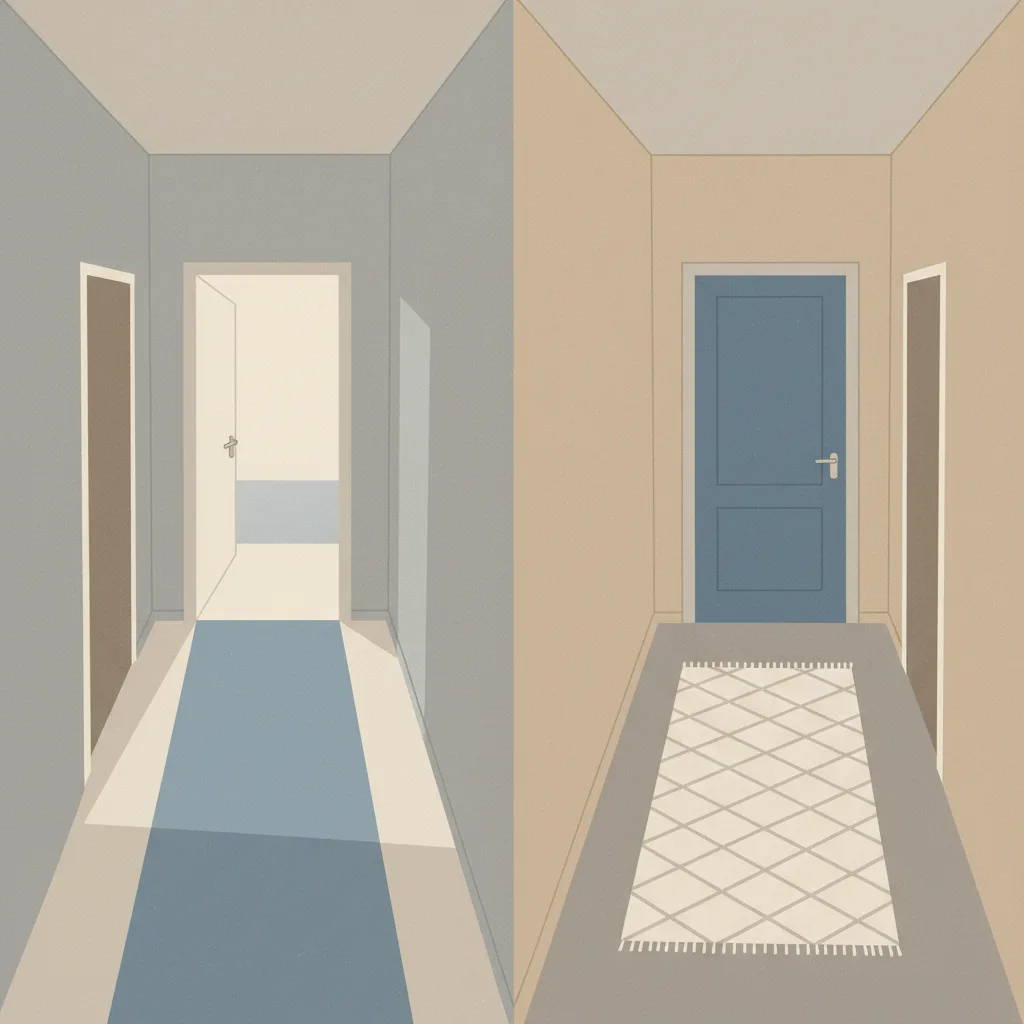
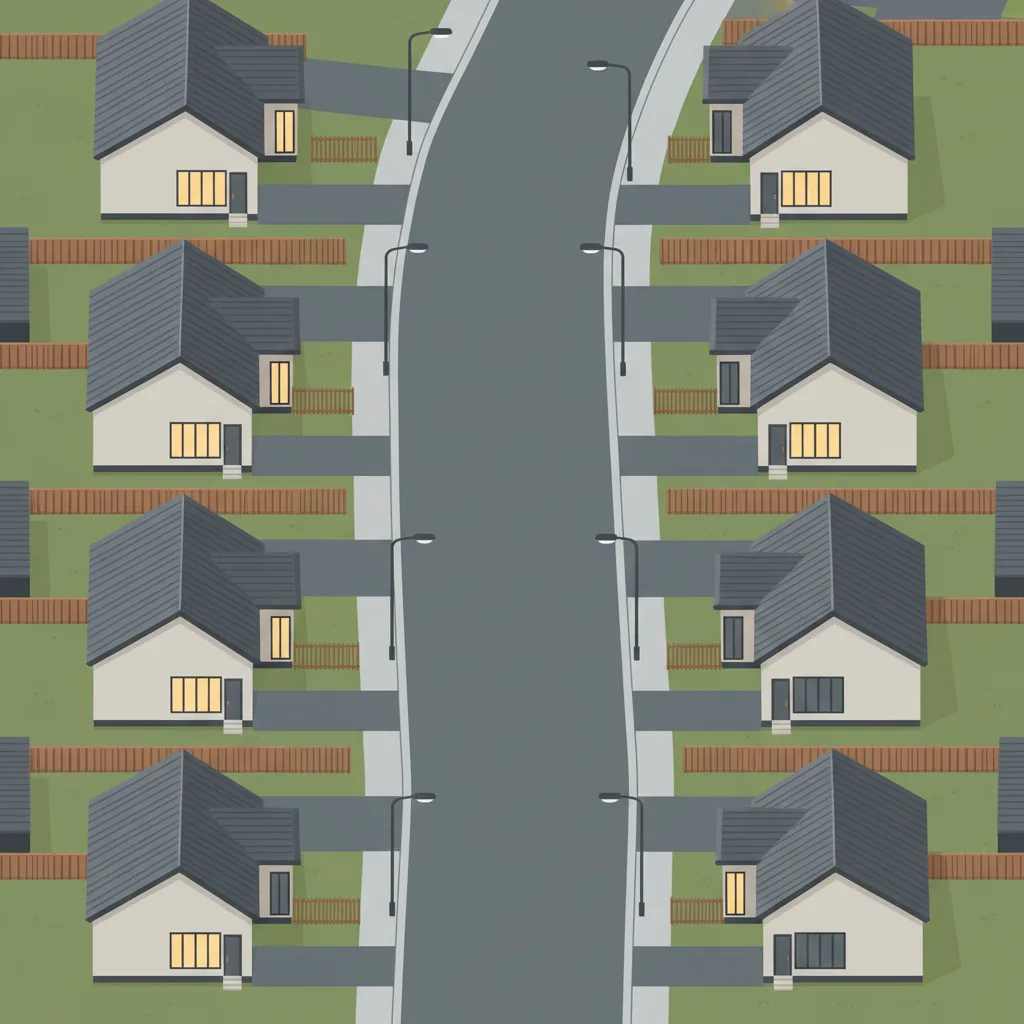
Two diverging hallways in a quiet house, one leading to an open door with light, the other to a closed door.

Сожаление о действии

Развестись

30%

27–39% разведённых сожалеют о разводе (27% женщин, 39% мужчин)

Взрослые США, прошедшие развод, онлайн-панель

ретроспективно, без фиксированного периода

Сожаление о бездействии

Остаться в несчастливом браке

32%

~1/3 всё ещё несчастливы 5 лет спустя (прокси исхода, а не опрос о сожалении)

Взрослые США в несчастливых браках, общенационально репрезентативная панель NSFH

5-летнее продольное наблюдение

% сожалеют об этом выборе

balanced — Примерно сбалансировано — оба выбора несут схожее сожаление.

Похожие решения

Семантически близкие решения — та же область, другие компромиссы.

family

Сожаление об измене

% сожалеют об этом выборе

Преобладает действие

Сожаление о действии в 3.7× выше

family

Семейная медиация vs судебный процесс

% сожалеют об этом выборе

Преобладает бездействие

Сожаление о бездействии в 3.1× выше

family

Ранний брак vs. ждать

% сожалеют об этом выборе

Преобладает действие

Сожаление о действии в 1.5× выше

family

Рождение детей

% сожалеют об этом выборе

Сбалансировано

Примерно сбалансировано

family

Разрыв с семьёй

% сожалеют об этом выборе

Преобладает бездействие

Сожаление о бездействии в 3.4× выше

family

Дом или работа (родитель)

% сожалеют об этом выборе

Преобладает действие

Сожаление о действии в 1.3× выше

family

Парная терапия vs отказ от неё

% сожалеют об этом выборе

Преобладает бездействие

Сожаление о бездействии в 1.2× выше

family

Размер семьи

% сожалеют об этом выборе

Преобладает бездействие

Сожаление о бездействии в 2.6× выше

Риски, стоящие за этим решением

Вероятности, лежащие в основе этого выбора.

About one-third of unhappily married adults who stayed married were still unhappy five years later (an outcome, not a regret survey), according to Waite et al.’s 2002 NSFH study — a rate nearly identical to the 30% of divorced adults who report regretting their divorce, anchored by Avvo’s 2016 panel survey (27% women, 39% men) and corroborated by broader estimates reaching at least one-third. The gender gap in divorce regret is consistent: men regret divorce more often than women, likely because women initiate roughly two-thirds of divorces and have therefore had more time to process the decision before it becomes final.

The cultural framing heavily favors action: divorce is positioned as liberation, staying as settling. The data complicates this. Waite’s finding that most unhappy marriages self-correct within five years is one of the more robust results in this literature, based on a nationally representative panel (NSFH) that tracked the same unhappily married respondents from a baseline rating to a five-year follow-up. It does not mean staying is always better — the study excluded abusive marriages, and “happy” was measured by a single survey item. But it does mean the widespread assumption that unhappiness in marriage is permanent is empirically wrong for the majority.

The near-parity between divorce-regret and staying-and-staying-unhappy rates (roughly 30% vs one-third) makes this one of the most balanced entries in the dataset — bearing in mind the inaction figure is an outcome, not a self-reported regret. The delta is within the margin of error for both surveys. The practical implication is that neither path reliably avoids regret — which is itself a useful calibration against the certainty that either side’s advocates tend to project.

Источники: действие

Реестр утверждений

Каждое число ниже — это то, что сообщил источник, с дословной цитатой, на которую мы опирались, и тем, как мы пришли к нашей цифре. Нажмите на ссылку, чтобы проверить самостоятельно.

3/3 источников независимо дословно сверены с указанным источником

  1. [1] Avvo (original press release) — Avvo study: Men regret divorce more often than women Проверено
    Avvo study: Men regret divorce more often than women
    Статистика
    27% of women and 39% of men regret their divorce (73% of women and 61% of men report no regret)
    Выдержка
    “"73% of women report having no regret over being divorced while 61% of men say the same." ”
    Данные источника:
    2016-03-15
    Дата обращения
    2026-06-30
    Проверка
    Выдержка независимо повторно загружена и подтверждена слово в слово по указанному источнику в ходе нашей проверки достоверности.
    Расчёт
    Avvo 2016 survey via Research Now panel, 2,000 US adults age 18+, credibility interval ±2.5 pp. The press release frames it as no-regret: 73% of women and 61% of men report no regret, i.e. 27% of women and 39% of men regret divorcing. Gender-weighted midpoint ~33%, rounded to 0.30.
  2. [2] Psychology Today — 7 Reasons People Regret Divorce Проверено
    7 Reasons People Regret Divorce
    Статистика
    At least one-third of people regret their marriage dissolution; up to 80% among those who divorced for the wrong reasons
    Выдержка
    “"Statistical data suggests that at least one-third of people regret their marriage dissolution. That number can rise to 80 percent for ex-spouses who chose the wrong reasons to get divorced and feel that it could have been prevented if both parties had put forth more effort." ”
    Данные источника:
    2023-06-12
    Дата обращения
    2026-06-30
    Проверка
    Выдержка независимо повторно загружена и подтверждена слово в слово по указанному источнику в ходе нашей проверки достоверности.
    Расчёт
    Psychology Today narrative review corroborates the one-third floor (rising to 80% for subsets who divorced for the wrong reasons). We use the one-third floor as triangulation for the 0.30 rate.
  3. [3] ScienceDaily, reporting Rosenfeld (Stanford), American Sociological Association 2015 Annual Meeting — Women More Likely Than Men to Initiate Divorces, But Not Non-Marital Breakups Проверено
    Women More Likely Than Men to Initiate Divorces, But Not Non-Marital Breakups
    Статистика
    Women initiated 69% of divorces versus 31% for men, based on the 2009-2015 waves of the nationally representative 'How Couples Meet and Stay Together' survey (2,262 adults age 19-94, 371 of whom had broken up or divorced by 2015)
    Выдержка
    “"Women initiated 69 percent of all divorces, compared to 31 percent for men." ”
    Данные источника:
    2015-08-22
    Дата обращения
    2026-07-03
    Проверка
    Выдержка независимо повторно загружена и подтверждена слово в слово по указанному источнику в ходе нашей проверки достоверности.
    Расчёт
    Rosenfeld (Stanford sociology), presented at the 2015 American Sociological Association Annual Meeting, analyzing the "How Couples Meet and Stay Together" panel (2009-2015 waves, N=2,262 adults aged 19-94; 371 breakups/divorces by 2015). Added to ground the body's explanatory claim that women initiate roughly two-thirds of divorces -- a contextual figure explaining the gender gap in divorce regret, not a regret-rate input; does not change the action_side regret_rate (0.30).

Источники: бездействие

Реестр утверждений

Каждое число ниже — это то, что сообщил источник, с дословной цитатой, на которую мы опирались, и тем, как мы пришли к нашей цифре. Нажмите на ссылку, чтобы проверить самостоятельно.

  1. [1] Institute for American Values / Waite, Browning et al. — Does Divorce Make People Happy? Findings from a Study of Unhappy Marriages
    Does Divorce Make People Happy? Findings from a Study of Unhappy Marriages
    Статистика
    Two-thirds of unhappily married adults who stayed married reported being happy five years later; approximately one-third remained unhappy
    Выдержка
    “"Two out of three unhappily married adults who avoided divorce or separation ended up happily married five years later. Just one out of three unhappy marriages ended in divorce or separation; among those who stayed, two-thirds reported being 'happily married' five years later." ”
    Данные источника:
    2002-07-11
    Дата обращения
    2026-04-25
    Расчёт
    Waite et al. tracked NSFH respondents who rated their marriages unhappy in wave 1. Of those who stayed, two-thirds reported being "happily married" at wave 2 (5 years later); the remaining ~one-third were still unhappy. This is an OUTCOME proxy — the study measured marital-happiness status, never asked a regret question — so the 0.32 rate stands in for "stayed and remained unhappy," not self-reported regret of the decision to stay.

Оговорки

The Waite study defines "unhappy" by self-report on a single item and counts anyone who later reports being "happy" as a success, ignoring intermediate misery. It also excludes marriages involving domestic violence, where staying carries physical risk. The divorce regret figures come from the Avvo 2016 online panel (n = 2,000, ±2.5 pp) — a non-probability sample, not peer-reviewed. The original Avvo press release reports 73% of women and 61% of men with no regret, i.e. 27% of women and 39% of men who regret divorcing; some secondary blogs further rephrase the male figure as 32%, which the primary source does not support. Critically, the inaction "32%" is an OUTCOME measure (still unhappy five years later), not a regret survey — the NSFH study never asked whether stayers regretted staying. The two populations (all divorcees vs unhappily married stayers) are not directly comparable — selection effects dominate. The near-parity in rates is the finding; the precise delta is noise.

Исходные данные: /api/decisions.json

Недавно просмотрено на этом устройстве