



Перейти к содержанию
Likelier

Сожаление о действии против бездействия

Завести детей или остаться бездетным

Если вы действуете

Завести детей

8,0%

Если вы бездействуете

Не заводить детей

7,0%

Доля тех, кто впоследствии жалеет о каждом выборе. Столбцы и полный реестр показаны ниже.


Семья

Последнее обновление 2026-04-25

Качество доказательств 4.38/5

Оценка по восьми измерениям согласно рубрике качества . Каждое измерение оценивается от 1 до 5.

D1 Проверка источников
5/5
D2 Авторитетность и независимость источника
4/5
D3 Точность уровня сожаления
3/5
D4 Сопоставимость источников
3/5
D5 Шаблон Гиловича
5/5
D6 Качество текста
5/5
D7 Полнота оговорок
5/5
D8 Качество выборки
5/5
Среднее 4.38/5
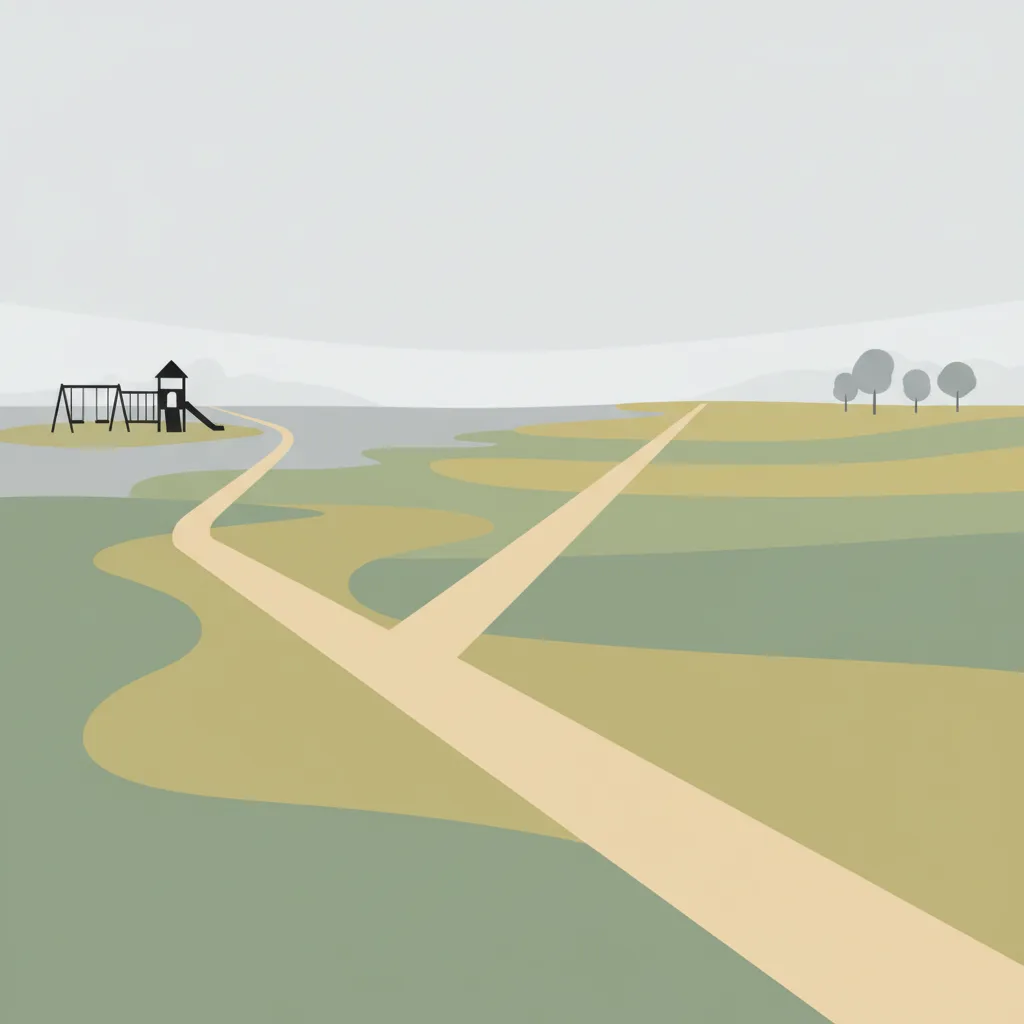
Two diverging paths through a quiet park, one leading toward a playground silhouette, the other into open fields.

Сожаление о действии

Завести детей

8,0%

8% родителей

Взрослые Великобритании с детьми, общенационально репрезентативно

ретроспективно, без фиксированного периода

Сожаление о бездействии

Не заводить детей

7,0%

~7% бездетных взрослых сообщают о жизненном сожалении, сопоставимом с родителями (приближение — см. оговорки)

Взрослые США без детей, возраст 70+

ретроспективно, возраст 70+

% сожалеют об этом выборе

balanced — Примерно сбалансировано — оба выбора несут схожее сожаление.

Похожие решения

Семантически близкие решения — та же область, другие компромиссы.

family

Дом или работа (родитель)

% сожалеют об этом выборе

Преобладает действие

Сожаление о действии в 1.3× выше

family

Размер семьи

% сожалеют об этом выборе

Преобладает бездействие

Сожаление о бездействии в 2.6× выше

family

Усыновление vs воспитание

% сожалеют об этом выборе

Преобладает действие

Сожаление о действии в 4.8× выше

family

Ранее vs позднее родительство

% сожалеют об этом выборе

Преобладает бездействие

Сожаление о бездействии в 1.7× выше

ЗдоровьеПрямые

Решение об обрезании

% сожалеют об этом выборе

Сбалансировано

Примерно сбалансировано

family

Ещё один ребёнок vs. стоп

% сожалеют об этом выборе

Преобладает бездействие

Сожаление о бездействии в 2.6× выше

family

Суррогатное материнство vs. жизнь без детей

% сожалеют об этом выборе

Преобладает бездействие

Сожаление о бездействии в 2.1× выше

family

Дом престарелых vs домашний уход

% сожалеют об этом выборе

Преобладает действие

Сожаление о действии в 2.3× выше

About 8% of parents report regretting having children, a figure that holds in the same order of magnitude across surveys in the UK (YouGov) and Poland (Piotrowski). The Polish figures run somewhat higher — 13.6% among parents aged 18-40 in one national sample and 10.7% among the emerging-adult subset aged 18-30 in a separate sample — though these are two distinct studies from the same research program rather than one cohort tracked over time, so the gap between them should not be read as regret rising or fading with age. On the other side, a Michigan State population study found that adults who reached their 70s without children reported no more life regret than parents — and in fact, parents were slightly more likely to say they would change something about their lives.

The cultural narrative overwhelmingly frames childlessness as something people will regret “when it’s too late.” The data does not support this. Pew’s 2024 survey found that only 38% of childless adults over 50 even report having once wanted children, and the MSU population-based data shows that this aspiration gap does not translate into elevated regret in old age. The asymmetry in public discourse (intense focus on childless regret, near-silence on parental regret) is itself a perception gap worth noting.

The caveat that matters most is voluntariness. Involuntarily childless adults — those who wanted children but could not have them due to fertility, circumstance, or timing — likely experience higher regret than the voluntarily childless. Most surveys combine both groups, which obscures the difference. Similarly, the parent-regret figure almost certainly underreports due to social desirability: saying you regret your children remains one of the strongest taboos in survey research.

Источники: действие

Реестр утверждений

Каждое число ниже — это то, что сообщил источник, с дословной цитатой, на которую мы опирались, и тем, как мы пришли к нашей цифре. Нажмите на ссылку, чтобы проверить самостоятельно.

1/2 источников независимо дословно сверены с указанным источником

  1. [1] YouGov UK — One in twelve parents say they regret having children
    One in twelve parents say they regret having children
    Статистика
    8% of UK parents say they regret having children; only 4% say they would not have children again if given the choice
    Выдержка
    “"One in twelve parents (8%) say they regret having children. When asked to imagine they could go back in time and make the decision again, only 4% say they would choose not to have children." ”
    Данные источника:
    2021-08-30
    Дата обращения
    2026-04-25
    Расчёт
    Direct survey response; 8% is the headline "regret" figure. The lower 4% "would choose differently" figure represents a stricter test. We use the 8% as the regret_rate since it maps directly to the question framing.
  2. [2] PLOS ONE / Konrad Piotrowski — How many parents regret having children and how it is linked to their personality and health: Two studies with national samples in Poland Проверено
    How many parents regret having children and how it is linked to their personality and health: Two studies with national samples in Poland
    Статистика
    13.6% of Polish parents aged 18-40 regret having children (Study 1); 10.7% of parents aged 18-30 (Study 2); regret comparable among women and men
    Выдержка
    “"in the population of the Polish parents between the ages of 18 and 40, 13.6% of the parents claimed that if they could once again make the decision, they would choose a life without children. ... in the investigated sample, 10.7% of the emerging adult parents responded that, if they could make the decision once again, they would decide not to have children. ... The results of the Chi-square analysis show that the percentage of parents who regretted having a child was comparable among women and men." ”
    Данные источника:
    2021-07-22
    Дата обращения
    2026-04-25
    Проверка
    Выдержка независимо повторно загружена и подтверждена слово в слово по указанному источнику в ходе нашей проверки достоверности.
    Расчёт
    Two Polish national samples: Study 1 (ages 18-40, 13.6% regret) and Study 2 (emerging adults 18-30, 10.7% regret). Both figures sit modestly above the YouGov 8% UK headline, providing cross-cultural corroboration in the same order of magnitude. The study found no significant gender difference in regret rates.

Источники: бездействие

Реестр утверждений

Каждое число ниже — это то, что сообщил источник, с дословной цитатой, на которую мы опирались, и тем, как мы пришли к нашей цифре. Нажмите на ссылку, чтобы проверить самостоятельно.

1/2 источников независимо дословно сверены с указанным источником

  1. [1] Michigan State University / Watling Neal — Child-free adults don't experience more regret as they age Проверено
    Child-free adults don't experience more regret as they age
    Статистика
    No evidence that older child-free adults experience more life regret than older parents; parents were slightly more likely to want to change something
    Выдержка
    “"We found no evidence that child-free older adults experienced any more life regret than older parents. In fact, older parents were slightly more likely to say they would want to change something about their life." ”
    Данные источника:
    2023-04-14
    Дата обращения
    2026-04-25
    Проверка
    Выдержка независимо повторно загружена и подтверждена слово в слово по указанному источнику в ходе нашей проверки достоверности.
    Расчёт
    Population-based study of 1,000 Michigan adults. The finding is that childless adults do NOT show elevated regret — they match or slightly beat parents. We use 0.07 as a conservative estimate aligned with the parent-regret figure, reflecting parity.
  2. [2] Pew Research Center — The Experiences of U.S. Adults Who Don't Have Children
    The Experiences of U.S. Adults Who Don't Have Children

    See all 3 Likelier entries citing this source →

    Статистика
    Among US adults 50+ without children, 38% say there was a time they wanted children; 32% say they never wanted them
    Выдержка
    “"Among adults ages 50 and older who don't have children, 38% say there was a time when they wanted to have children. About three-in-ten (32%) say they never wanted children." ”
    Данные источника:
    2024-07-25
    Дата обращения
    2026-04-25
    Расчёт
    Pew does not directly measure "regret" but the 38% who once wanted children is a ceiling for even partial regret. Combined with the MSU finding of no elevated regret, the inaction rate appears comparable to the action rate.

Оговорки

Comparing across populations (parents vs non-parents) introduces selection bias — people who chose to have children differ systematically from those who did not. Regret surveys also suffer from social desirability bias: admitting you regret your children is culturally taboo, likely suppressing the parent-regret figure. The MSU study measured general life regret, not child-specific regret. Voluntarily childless adults report lower regret than involuntarily childless adults, but most surveys combine both groups.

Исходные данные: /api/decisions.json

Недавно просмотрено на этом устройстве