







Перейти к содержанию
Likelier

Сожаление о действии против бездействия

Жить в городе или в пригороде

Если вы действуете

Жить в городе

43%

Если вы бездействуете

Жить в пригороде

35%

Доля тех, кто впоследствии жалеет о каждом выборе. Столбцы и полный реестр показаны ниже.


Образ жизни

Последнее обновление 2026-04-26

Качество доказательств 4.25/5

Оценка по восьми измерениям согласно рубрике качества . Каждое измерение оценивается от 1 до 5.

D1 Проверка источников
5/5
D2 Авторитетность и независимость источника
4/5
D3 Точность уровня сожаления
2/5
D4 Сопоставимость источников
5/5
D5 Шаблон Гиловича
4/5
D6 Качество текста
5/5
D7 Полнота оговорок
4/5
D8 Качество выборки
5/5
Среднее 4.25/5
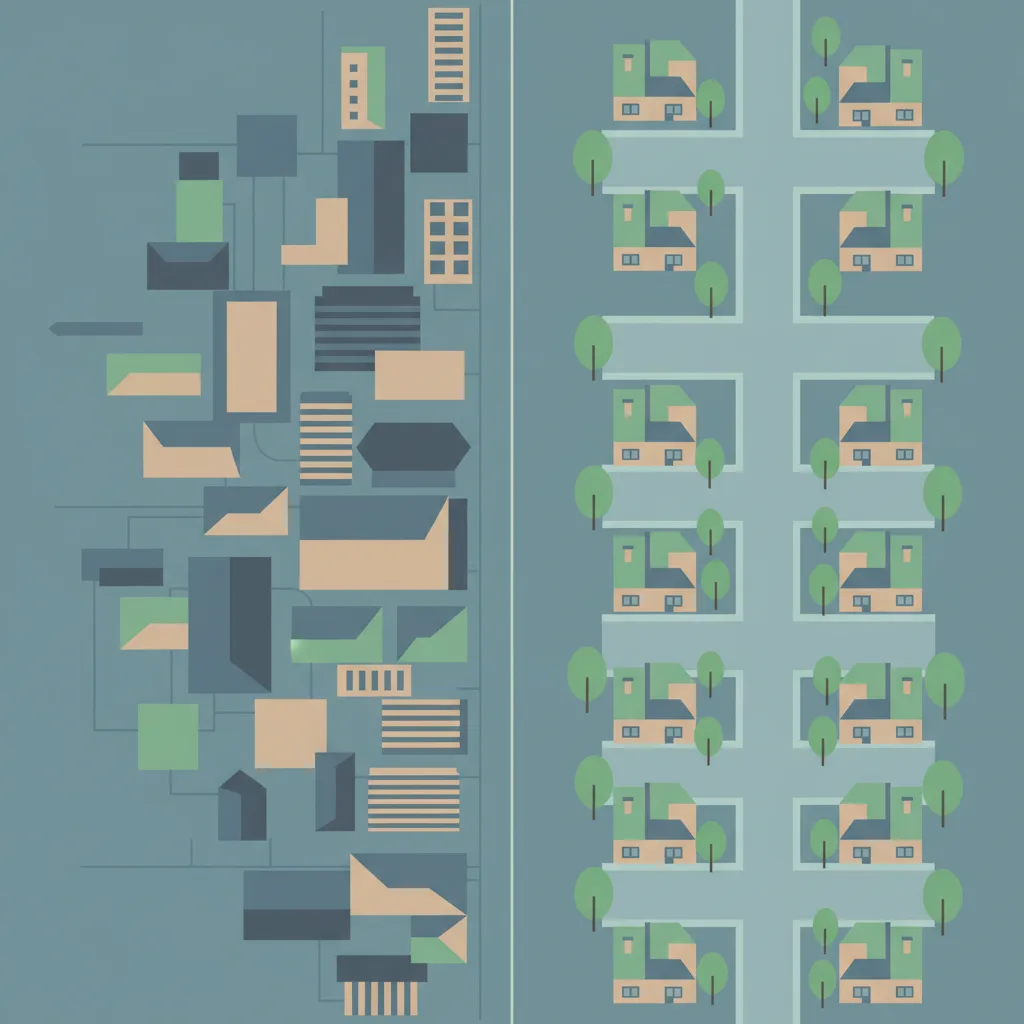
A city skyline and a quiet suburban street separated by a thin vertical line.

Сожаление о действии

Жить в городе

43%

43% городских жителей говорят, что переехали бы в другое место, если бы могли (прокси по желанию переехать, а не ретроспективное сожаление — см. оговорки)

Взрослые США, живущие в больших городах

ретроспективно, без фиксированного периода

Сожаление о бездействии

Жить в пригороде

35%

35% жителей пригородов говорят, что переехали бы в другое место, если бы могли (прокси по желанию переехать, а не ретроспективное сожаление — см. оговорки)

Взрослые США, живущие в пригородах больших городов

ретроспективно, без фиксированного периода

% сожалеют об этом выборе

action dominates — Действие преобладает — большинство сожалеет, что действовали.

Похожие решения

Семантически близкие решения — та же область, другие компромиссы.

lifestyle

Уехать из родного города

% сожалеют об этом выборе

Преобладает бездействие

Сожаление о бездействии в 1.5× выше

lifestyle

Переезд за границу

% сожалеют об этом выборе

Преобладает бездействие

Сожаление о бездействии в 5.7× выше

lifestyle

Принятие перемен

% сожалеют об этом выборе

Преобладает бездействие

Сожаление о бездействии в 3.3× выше

lifestyle

Татуировка

% сожалеют об этом выборе

Преобладает действие

Сожаление о действии в 1.6× выше

lifestyle

Уйти из религии

% сожалеют об этом выборе

Преобладает бездействие

Сожаление о бездействии в 2.9× выше

lifestyle

Оставить или отдать питомца

% сожалеют об этом выборе

Преобладает бездействие

Сожаление о бездействии в 5.7× выше

lifestyleПрямые

Вьетнам: переезд в город vs. остаться в деревне

% сожалеют об этом выборе

Преобладает действие

Сожаление о действии в 2.1× выше

lifestyle

Прокрастинация

% сожалеют об этом выборе

Преобладает бездействие

Сожаление о бездействии в 4.7× выше

Pew Research found in late 2021 that 43% of urban residents would move to a different community if they could, compared with 35% of suburban residents — an 8-point gap that puts city living on the action-regret side of the ledger. The gap is real but narrow, and it widened during the pandemic: between 2018 and 2021, the share of Americans preferring suburbs climbed from 42% to 46%, while urban preference dropped from 23% to 19%. Separately, Home Bay’s 2023 survey of 1,000 recent movers found that 75% expressed some regret about their move regardless of direction, suggesting that relocation itself — not the destination — is the primary regret generator.

The asymmetry here is unusually weak compared to most regret-pair entries in this dataset. Gilovich and Medvec’s temporal framework predicts that inaction regret dominates over time, yet the city-vs-suburb question resists that pattern: choosing the city (action) produces slightly more dissatisfaction than staying in the suburbs (inaction). One explanation is that urban living imposes daily friction — cost, noise, space constraints — that keeps action regret salient rather than allowing it to fade. Another is that suburbs are not really an “inaction” in any meaningful sense; both choices are active, and framing suburbs as the default is itself a cultural artifact of post-war American planning.

The main caveat is measurement. Pew asked about desire to leave, not about regret for a past choice. A 25-year-old renting in Brooklyn who wants to leave may be responding to rent pressure, not regretting a life decision. The 75% Home Bay figure is similarly blunt — it includes people who regret their moving company, their timing, or their square footage, not the city-vs-suburb axis specifically. The directional finding (city dwellers are modestly more dissatisfied than suburbanites) is consistent across multiple surveys, but the 8-point gap should be read as a signal of mild asymmetry, not a strong verdict.

Источники: действие

Реестр утверждений

Каждое число ниже — это то, что сообщил источник, с дословной цитатой, на которую мы опирались, и тем, как мы пришли к нашей цифре. Нажмите на ссылку, чтобы проверить самостоятельно.

1/2 источников независимо дословно сверены с указанным источником

  1. [1] Pew Research Center — Americans Are Less Likely Than Before COVID-19 To Want To Live in Cities Проверено
    Americans Are Less Likely Than Before COVID-19 To Want To Live in Cities
    Статистика
    43% of urban dwellers say they would like to move (forward-looking move-desire, not retrospective regret)
    Выдержка
    “"Some 43% of urban dwellers say they would like to move, compared with 35% in suburbs and an even smaller share of those in rural areas (25%)." ”
    Данные источника:
    2021-12-16
    Дата обращения
    2026-04-26
    Проверка
    Выдержка независимо повторно загружена и подтверждена слово в слово по указанному источнику в ходе нашей проверки достоверности.
    Расчёт
    Pew Research Center survey of 9,676 US adults conducted Oct 18–Nov 1, 2021. The 43% figure refers to urban residents who express a desire to move to a different community. We treat this as a proxy for city-living regret: the question captures dissatisfaction intense enough to motivate relocation intent.
  2. [2] CNBC — 75% of Americans who moved last year have regrets—here's the No. 1 reason why
    75% of Americans who moved last year have regrets—here's the No. 1 reason why
    Статистика
    75% of Americans who moved in 2022 have regrets about their move
    Выдержка
    “"Three out of four Americans (75%) say they had regrets about relocating last year... The number one regret was a tie between not moving to a bigger place and missing their previous home, which was selected by 20% of those surveyed." ”
    Данные источника:
    2023-03-11
    Дата обращения
    2026-07-01
    Расчёт
    CNBC reporting on a Home Bay online survey of 1,000 Americans who moved in 2022, fielded December 29, 2022. The 75% figure covers all movers, not just city-to-suburb movers, and captures any regret (cost, size, location, timing). Included as contextual evidence that moving regret is pervasive regardless of direction. Replaced the dead homebay.com/moving-trends/ link (403/removed) with CNBC's verbatim coverage of the same survey on 2026-07-01.

Источники: бездействие

Реестр утверждений

Каждое число ниже — это то, что сообщил источник, с дословной цитатой, на которую мы опирались, и тем, как мы пришли к нашей цифре. Нажмите на ссылку, чтобы проверить самостоятельно.

1/1 источников независимо дословно сверены с указанным источником

  1. [1] Pew Research Center — Americans Are Less Likely Than Before COVID-19 To Want To Live in Cities Проверено
    Americans Are Less Likely Than Before COVID-19 To Want To Live in Cities
    Статистика
    35% of suburban residents say they would like to move (forward-looking move-desire, not retrospective regret)
    Выдержка
    “"Some 43% of urban dwellers say they would like to move, compared with 35% in suburbs and an even smaller share of those in rural areas (25%)." ”
    Данные источника:
    2021-12-16
    Дата обращения
    2026-04-26
    Проверка
    Выдержка независимо повторно загружена и подтверждена слово в слово по указанному источнику в ходе нашей проверки достоверности.
    Расчёт
    Same Pew survey as action_side. The 35% figure represents suburban residents expressing desire to move — 8 percentage points lower than the city-dweller rate, suggesting modestly lower dissatisfaction in suburban settings.

Оговорки

The Pew figures measure desire to leave a community type, not retrospective regret about a past decision — they are a proxy for dissatisfaction, not a direct regret survey. The 8-percentage-point gap is modest and may fall within the survey's margin of error for subgroup comparisons. The Home Bay 75% figure applies to all movers regardless of origin or destination, so it cannot be decomposed into city-to-suburb vs suburb-to-city regret rates. Post-COVID sentiment shifted preferences toward suburbs (Pew showed suburban preference rising from 42% to 46% between 2018 and 2021), which may overstate city-living regret relative to long-run equilibrium. Age is a major confound: adults under 30 prefer cities at 31% vs 14% among those 65+, so the aggregate gap conflates lifecycle stage with genuine locational regret.

Исходные данные: /api/decisions.json

Недавно просмотрено на этом устройстве