




Перейти до вмісту
Likelier

Дія й бездіяльність: число для кожного вибору

Мати дітей чи не мати дітей

Якщо ви дієте

Мати дітей

8,0%

Якщо ви не дієте

Не мати дітей

Прямого вимірювання немає

Принаймні одне число є непрямою оцінкою, а не виміряною часткою тих, хто шкодує. Як отримано кожне число, описано нижче.


Family

Остання перевірка 2026-04-25

Якість доказів 4.38/5

Восьмивимірна оцінка перевірки за рубрикою якості . Кожен вимір оцінений 1–5.

D1 Перевірка джерел
5/5
D2 Авторитет та незалежність джерела
4/5
D3 Точність частоти жалю
3/5
D4 Порівнянність джерел
3/5
D5 Шаблон Гіловича
5/5
D6 Якість прози
5/5
D7 Повнота застережень
5/5
D8 Якість вибірки
5/5
Середнє 4.38/5
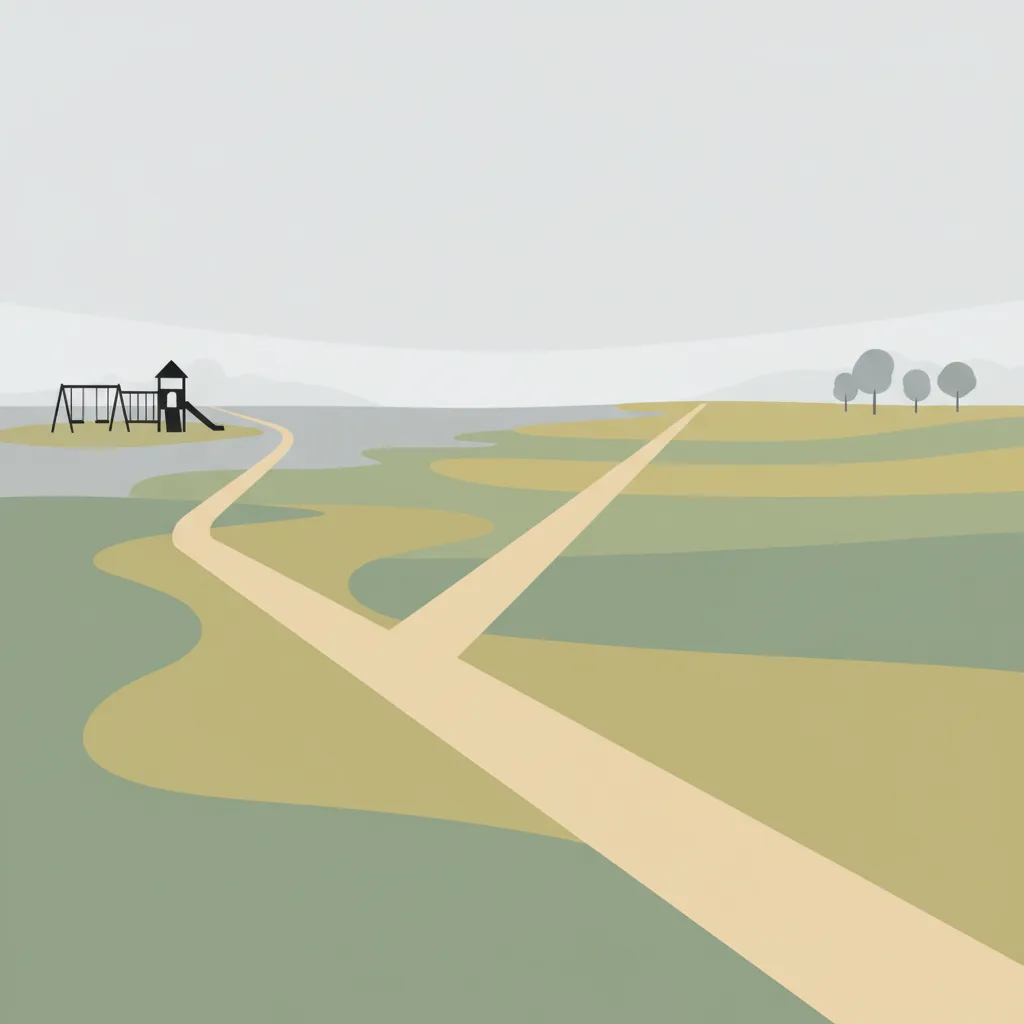
Two diverging paths through a quiet park, one leading toward a playground silhouette, the other into open fields.
Непрямі дані: щодо цього рішення принаймні один показник отримано з непрямої міри, як-от наслідки, задоволеність або намір, або з редакційної оцінки, а не з прямого опитування про жаль. У примітках до кожної сторони нижче описано, як отримано показник.

Якщо ви дієте

Мати дітей

8,0%

8 % батьків

британські дорослі з дітьми, національно репрезентативно

ретроспективно, без фіксованого часу

Якщо ви не дієте

Не мати дітей

Прямого вимірювання немає

Жодне джерело не наводить число для цього боку, тому ми його не показуємо.

американські дорослі без дітей, вік 70+

ретроспективно, вік 70+

Число для кожного вибору (що саме виміряно, зазначено на сторінці)

Пов’язані рішення

Семантично близькі рішення — та сама сфера, інші компроміси.

family

Дім чи робота (батько)

Число для кожного вибору (що саме виміряно, зазначено на сторінці)

family

Розмір сім'ї

Число для кожного вибору (що саме виміряно, зазначено на сторінці)

family

Усиновлення vs виховання

Число для кожного вибору (що саме виміряно, зазначено на сторінці)

family

Рання vs пізня батьківськість

Число для кожного вибору (що саме виміряно, зазначено на сторінці)

Здоров’яПрямі

Рішення про обрізання

% шкодує про цей вибір

Збалансовано

Приблизно збалансовано

family

Ще одна дитина vs. стоп

Число для кожного вибору (що саме виміряно, зазначено на сторінці)

family

Розрив із сім'єю

Число для кожного вибору (що саме виміряно, зазначено на сторінці)

family

Будинок догляду vs домашній догляд

Число для кожного вибору (що саме виміряно, зазначено на сторінці)

About 8% of parents report regretting having children, a figure that holds in the same order of magnitude across surveys in the UK (YouGov) and Poland (Piotrowski). The Polish figures run somewhat higher — 13.6% among parents aged 18-40 in one national sample and 10.7% among the emerging-adult subset aged 18-30 in a separate sample — though these are two distinct studies from the same research program rather than one cohort tracked over time, so the gap between them should not be read as regret rising or fading with age.

The caveat that matters most is voluntariness: most surveys combine adults who chose not to have children with those who wanted children but could not have them due to fertility, circumstance, or timing, which obscures the difference. Similarly, the parent-regret figure almost certainly underreports due to social desirability: saying you regret your children remains one of the strongest taboos in survey research.

Джерела: дія

Реєстр тверджень

Кожне число нижче — це те, що повідомило джерело, з дослівною цитатою, на яку ми спиралися, та тим, як ми дійшли до нашої цифри. Натисніть на посилання, щоб перевірити самостійно.

1/2 джерел незалежно перевірено дослівно за вказаним джерелом

  1. [1] YouGov UK — One in twelve parents say they regret having children
    One in twelve parents say they regret having children
    Статистика
    8% of UK parents say they regret having children; only 4% say they would not have children again if given the choice
    Витяг
    “"One in twelve parents (8%) say they regret having children, while another 6% have previously had regrets but don’t now.' … 'While some 8% of parents currently feel regretful about their offspring, a separate survey shows that only half as many (4%) say they would not have had children if they could do it all again." ”
    Дані джерела:
    2021-08-30
    Дата звернення
    2026-04-25
    Розрахунок
    Direct survey response; 8% is the headline "regret" figure. The lower 4% "would choose differently" figure represents a stricter test. We use the 8% as the regret_rate since it maps directly to the question framing.
  2. [2] PLOS ONE / Konrad Piotrowski — How many parents regret having children and how it is linked to their personality and health: Two studies with national samples in Poland Перевірено
    How many parents regret having children and how it is linked to their personality and health: Two studies with national samples in Poland
    Статистика
    13.6% of Polish parents aged 18-40 regret having children (Study 1); 10.7% of parents aged 18-30 (Study 2); regret comparable among women and men
    Витяг
    “"in the population of the Polish parents between the ages of 18 and 40, 13.6% of the parents claimed that if they could once again make the decision, they would choose a life without children. ... in the investigated sample, 10.7% of the emerging adult parents responded that, if they could make the decision once again, they would decide not to have children. ... The results of the Chi-square analysis show that the percentage of parents who regretted having a child was comparable among women and men." ”
    Дані джерела:
    2021-07-22
    Дата звернення
    2026-04-25
    Перевірка
    Витяг незалежно повторно отримано та дослівно підтверджено за вказаним джерелом під час нашого аудиту обґрунтованості.
    Розрахунок
    Two Polish national samples: Study 1 (ages 18-40, 13.6% regret) and Study 2 (emerging adults 18-30, 10.7% regret). Both figures sit modestly above the YouGov 8% UK headline, providing cross-cultural corroboration in the same order of magnitude. The study found no significant gender difference in regret rates.

Джерела: бездіяльність

Реєстр тверджень

Кожне число нижче — це те, що повідомило джерело, з дослівною цитатою, на яку ми спиралися, та тим, як ми дійшли до нашої цифри. Натисніть на посилання, щоб перевірити самостійно.

1/2 джерел незалежно перевірено дослівно за вказаним джерелом

  1. [1] Michigan State University / Watling Neal — Child-free adults don't experience more regret as they age Перевірено
    Child-free adults don't experience more regret as they age
    Статистика
    No evidence that older child-free adults experience more life regret than older parents; parents were slightly more likely to want to change something
    Витяг
    “""we found no evidence that older child-free adults experience any more life regret than older parents. In fact, older parents were slightly more likely to want to change something about their life."" ”
    Дані джерела:
    2023-04-14
    Дата звернення
    2026-04-25
    Перевірка
    Витяг незалежно повторно отримано та дослівно підтверджено за вказаним джерелом під час нашого аудиту обґрунтованості.
    Розрахунок
    Population-based study of 1,000 Michigan adults. The finding is that childless adults do NOT show elevated regret — they match or slightly beat parents. No inaction-regret figure is shown for this side; the finding is parity with parents, not a rate.
  2. [2] Pew Research Center — The Experiences of U.S. Adults Who Don't Have Children
    The Experiences of U.S. Adults Who Don't Have Children

    Усі записи Likelier, що посилаються на це джерело (3) →

    Статистика
    Among US adults 50+ without children, 38% say there was a time they wanted children; 32% say they never wanted them
    Витяг
    “"About four-in-ten of those in the older group (38%) say there was a time when they wanted to have children. A smaller but sizable share (32%) say they never wanted children" ”
    Дані джерела:
    2024-07-25
    Дата звернення
    2026-04-25
    Розрахунок
    Pew does not directly measure "regret" but the 38% who once wanted children is a ceiling for even partial regret. Combined with the MSU finding of no elevated regret, the inaction rate appears comparable to the action rate.

Застереження

Comparing across populations (parents vs non-parents) introduces selection bias — people who chose to have children differ systematically from those who did not. Regret surveys also suffer from social desirability bias: admitting you regret your children is culturally taboo, likely suppressing the parent-regret figure. The MSU study measured general life regret, not child-specific regret. Most surveys combine voluntarily and involuntarily childless adults.

Вихідні дані: /api/decisions.json

Нещодавно переглянуті на цьому пристрої