




Перейти до вмісту
Likelier

Жаль від дії проти бездіяльності

Залишитися вдома заради дітей чи продовжити працювати

Якщо ви дієте

Залишатися вдома

64%

Якщо ви не дієте

Працювати і бути батьком

50%

Відсоток тих, хто згодом шкодує про кожен вибір. Стовпчики та повний реєстр показані нижче.


Family

Остання перевірка 2026-04-26

Якість доказів 4.25/5

Восьмивимірна оцінка перевірки за рубрикою якості . Кожен вимір оцінений 1–5.

D1 Перевірка джерел
5/5
D2 Авторитет та незалежність джерела
5/5
D3 Точність частоти жалю
2/5
D4 Порівнянність джерел
3/5
D5 Шаблон Гіловича
4/5
D6 Якість прози
5/5
D7 Повнота застережень
5/5
D8 Якість вибірки
5/5
Середнє 4.25/5
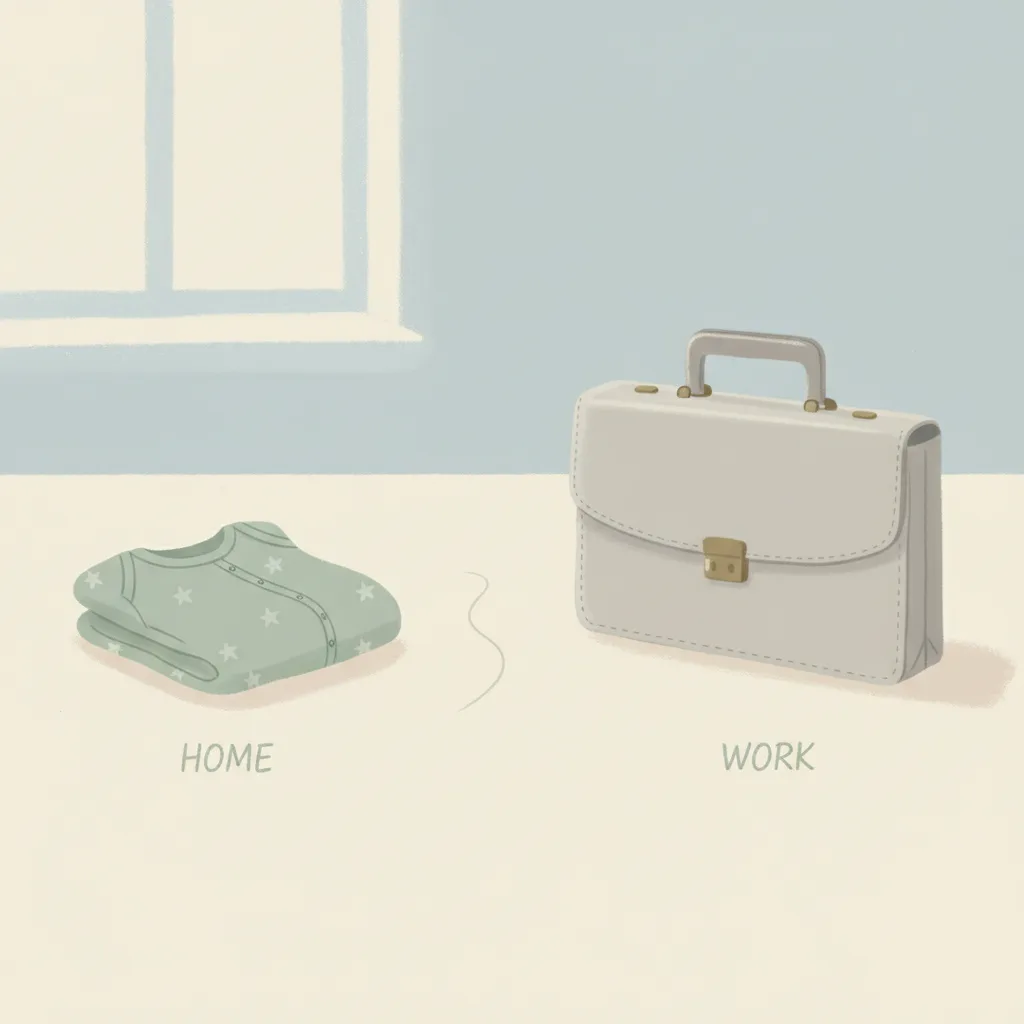
A kitchen table split in two halves, one side with children's drawings and crayons, the other with a laptop and coffee mug.
Замінні дані — для цього рішення не існує прямого дослідження жалю. Показники отримані з оцінок задоволеності та даних про бар'єри доступу, а не з питань, що безпосередньо стосувалися жалю. Дивіться застереження нижче.

Жаль за дію

Залишатися вдома

64%

непрямий показник уподобань, а не жалю: лише 36% домогосподарок-матерів вважають повну відмову від роботи своїм ідеалом, тож ~64% воліли б хоч якусь роботу (запитання Pew про ідеальну ситуацію; багато з них воліють неповну зайнятість, а не повернення до повної зайнятості, тож це завищує жаль про перебування вдома)

американські домогосподарки-матері, національно репрезентативно

ретроспективно, без фіксованого часу

Жаль за бездіяльність

Працювати і бути батьком

50%

непрямий показник уподобань, а не жалю: 50% матерів із дітьми до 18 років кажуть, що воліли б залишатися вдома, якби мали вільний вибір (примусовий вибір Gallup; це всі матері з неповнолітніми дітьми, поєднуючи домогосподарок і працюючих матерів, а не ретроспективний жаль працюючих матерів)

американські матері з дітьми до 18, національно репрезентативно

ретроспективно, без фіксованого часу

% шкодує про цей вибір

action dominates — Дія переважає — більшість шкодує, що діяла.

Пов’язані рішення

Семантично близькі рішення — та сама сфера, інші компроміси.

family

Приватна чи держ. школа

% шкодує про цей вибір

Переважає бездіяльність

Жаль за бездіяльність на 3.2× вищий

family

Будинок догляду vs домашній догляд

% шкодує про цей вибір

Переважає дія

Жаль за дію на 2.3× вищий

family

Усиновлення vs виховання

% шкодує про цей вибір

Переважає дія

Жаль за дію на 4.8× вищий

family

Розмір сім'ї

% шкодує про цей вибір

Переважає бездіяльність

Жаль за бездіяльність на 2.6× вищий

family

Народження дітей

% шкодує про цей вибір

Збалансовано

Приблизно збалансовано

family

Гуртки чи вільна гра

% шкодує про цей вибір

Переважає дія

Жаль за дію на 2.6× вищий

family

Відпустка батька vs. пропустити

% шкодує про цей вибір

Переважає бездіяльність

Жаль за бездіяльність на 4.5× вищий

family

Рятувати проти дати розібратись

% шкодує про цей вибір

Переважає дія

Жаль за дію на 1.2× вищий

64% of stay-at-home mothers say that not working is not their ideal situation, per Pew Research — only 36% called it ideal. Among all mothers with children under 18, 50% say they would prefer to stay home, according to Gallup. The 14-percentage-point gap puts this in action-dominates territory under Gilovich’s framework, though the underlying pattern is less about action vs inaction than about a forced binary vs a preferred middle.

The counterintuitive finding is the self-assessment gap. Stay-at-home mothers rate themselves lower as parents than working mothers do — 66% versus 78% calling themselves “excellent” or “very good” in Pew’s 2014 survey. One interpretation is that full-time proximity to children exposes every parenting failure in high definition, while working parents compare themselves against a lower baseline of available hours. Another is that the identity cost of leaving the workforce erodes confidence in ways that spill into parenting self-evaluation. Either way, the data undermines the assumption that staying home is the self-evidently superior parenting move.

The strongest signal in the research is that neither full-time work nor full-time homemaking is what most mothers actually want. A 47% plurality of adults told Pew that part-time work is the ideal arrangement for mothers of young children; only 12% said full-time work, and 33% said no work at all. Both rates here are preference proxies, not retrospective regret measures — no large-scale study has directly asked mothers on both sides whether they regret their employment decision. The dissatisfaction on both sides may say less about which choice is wrong than about a labor market that mostly offers all-or-nothing.

Джерела: дія

Реєстр тверджень

Кожне число нижче — це те, що повідомило джерело, з дослівною цитатою, на яку ми спиралися, та тим, як ми дійшли до нашої цифри. Натисніть на посилання, щоб перевірити самостійно.

1/2 джерел незалежно перевірено дослівно за вказаним джерелом

  1. [1] Pew Research Center — Public Views on Moms Staying at Home vs. Working Перевірено
    Public Views on Moms Staying at Home vs. Working
    Статистика
    Only 36% of stay-at-home mothers say not working at all is ideal for them, down from 48% in 2007
    Витяг
    “"Only 36% of stay-at-home mothers say that not working at all is ideal for them. The share of stay-at-home mothers who say that not working at all is their ideal situation has fallen since 2007, when 48% said so." ”
    Дані джерела:
    2014-04-08
    Дата звернення
    2026-04-26
    Перевірка
    Витяг незалежно повторно отримано та дослівно підтверджено за вказаним джерелом під час нашого аудиту обґрунтованості.
    Розрахунок
    Pew Research survey of 3,341 US adults, Jan 23–Feb 9 2014. Among stay-at-home mothers specifically, 36% called not working "ideal." We invert: 100% - 36% = 64% who say their current arrangement is not ideal — used as the action-side preference proxy.
  2. [2] Pew Research Center — Chapter 1: Comparing Stay-at-Home and Working Mothers
    Chapter 1: Comparing Stay-at-Home and Working Mothers
    Статистика
    66% of stay-at-home mothers rate themselves as excellent or very good parents, compared with 78% of working mothers
    Витяг
    “"Despite the additional time they spend on child care, mothers who do not work outside the home give themselves slightly lower ratings than working mothers for the job they are doing as parents. Some 66% of stay-at-home mothers rate themselves as doing an excellent or very good job as a parent, compared with 78% of working mothers." ”
    Дані джерела:
    2014-04-08
    Дата звернення
    2026-04-26
    Розрахунок
    Same Pew 2012/2014 study. The 12-percentage-point self-rating gap (66% vs 78%) reinforces the finding that staying home does not reliably produce the parenting confidence one might expect.

Джерела: бездіяльність

Реєстр тверджень

Кожне число нижче — це те, що повідомило джерело, з дослівною цитатою, на яку ми спиралися, та тим, як ми дійшли до нашої цифри. Натисніть на посилання, щоб перевірити самостійно.

2/2 джерел незалежно перевірено дослівно за вказаним джерелом

  1. [1] Gallup — Record-High 56% of U.S. Women Prefer Working to Homemaking Перевірено
    Record-High 56% of U.S. Women Prefer Working to Homemaking
    Статистика
    50% of mothers with children under 18 prefer to stay home and take care of the house and family
    Витяг
    “"By 50% to 34%, mothers of children under 18 years of age are more likely than those with no children under 18 to prefer to stay at home and take care of the house and family." ”
    Дані джерела:
    2015-10-19
    Дата звернення
    2026-04-26
    Перевірка
    Витяг незалежно повторно отримано та дослівно підтверджено за вказаним джерелом під час нашого аудиту обґрунтованості.
    Розрахунок
    Gallup annual Work and Education survey, nationally representative sample of US adults. Among mothers with children under 18, 50% said they would prefer to stay home. Used as inaction-regret proxy: half of working mothers report a preference mismatch.
  2. [2] Pew Research Center — Mothers and Work: What's 'Ideal'? Перевірено
    Mothers and Work: What's 'Ideal'?
    Статистика
    A plurality of all mothers (47% of US adults) say part-time work is the ideal situation for mothers of young children
    Витяг
    “"Nearly half (47%) of the public said that working part time is the ideal situation for women with young children, 33% said not working outside the home is ideal, and another 12% said working full time would be ideal." ”
    Дані джерела:
    2013-08-19
    Дата звернення
    2026-04-26
    Перевірка
    Витяг незалежно повторно отримано та дослівно підтверджено за вказаним джерелом під час нашого аудиту обґрунтованості.
    Розрахунок
    Pew Research Center analysis of survey data. The plurality preference for part-time work (47%) over full-time (12%) or no work (33%) contextualizes the inaction-side finding: most mothers want neither extreme.

Застереження

Neither figure is a direct regret measurement — both are preference proxies, flagged as such in regret_display. The action-side 64% is inverted from Pew's "ideal situation" question; saying your current arrangement is not ideal is a weaker claim than saying you regret it. The inaction-side 50% is a stated preference from Gallup, not a retrospective regret judgment. No large-scale survey directly asks "do you regret staying home / going to work?" — extensive searching confirms this gap in the literature. The two figures come from different surveys with different framing (2014 Pew vs 2015 Gallup), making precise comparison questionable. A plurality of mothers in both groups say part-time work is the true ideal — suggesting the real regret may be about the forced binary rather than either side of it. Sample compositions also differ: Pew surveyed SAH mothers specifically while Gallup surveyed all mothers with minor children. The Bright Horizons Modern Family Index (2024) found that one in three working mothers considered downshifting careers, but this captures consideration rather than regret. Until a study directly measures retrospective regret on both sides using comparable methodology, these preference proxies are the best available anchors for this dilemma. Survey data are drawn exclusively from United States samples; satisfaction and regret rates in countries with different institutional structures — parental leave policies, childcare systems, family law — may differ substantially.

Вихідні дані: /api/decisions.json

Нещодавно переглянуті на цьому пристрої