


Перейти до вмісту
Likelier

Жаль від дії проти бездіяльності

Записати дітей на гуртки та секції чи дати вільно гратися

Якщо ви дієте

Структуровані заходи

57%

Якщо ви не дієте

Вільна гра та неструктурований час

22%

Відсоток тих, хто згодом шкодує про кожен вибір. Стовпчики та повний реєстр показані нижче.


Family

Остання перевірка 2026-04-26

Якість доказів 4.0/5

Восьмивимірна оцінка перевірки за рубрикою якості . Кожен вимір оцінений 1–5.

D1 Перевірка джерел
5/5
D2 Авторитет та незалежність джерела
5/5
D3 Точність частоти жалю
2/5
D4 Порівнянність джерел
2/5
D5 Шаблон Гіловича
4/5
D6 Якість прози
5/5
D7 Повнота застережень
5/5
D8 Якість вибірки
4/5
Середнє 4.0/5
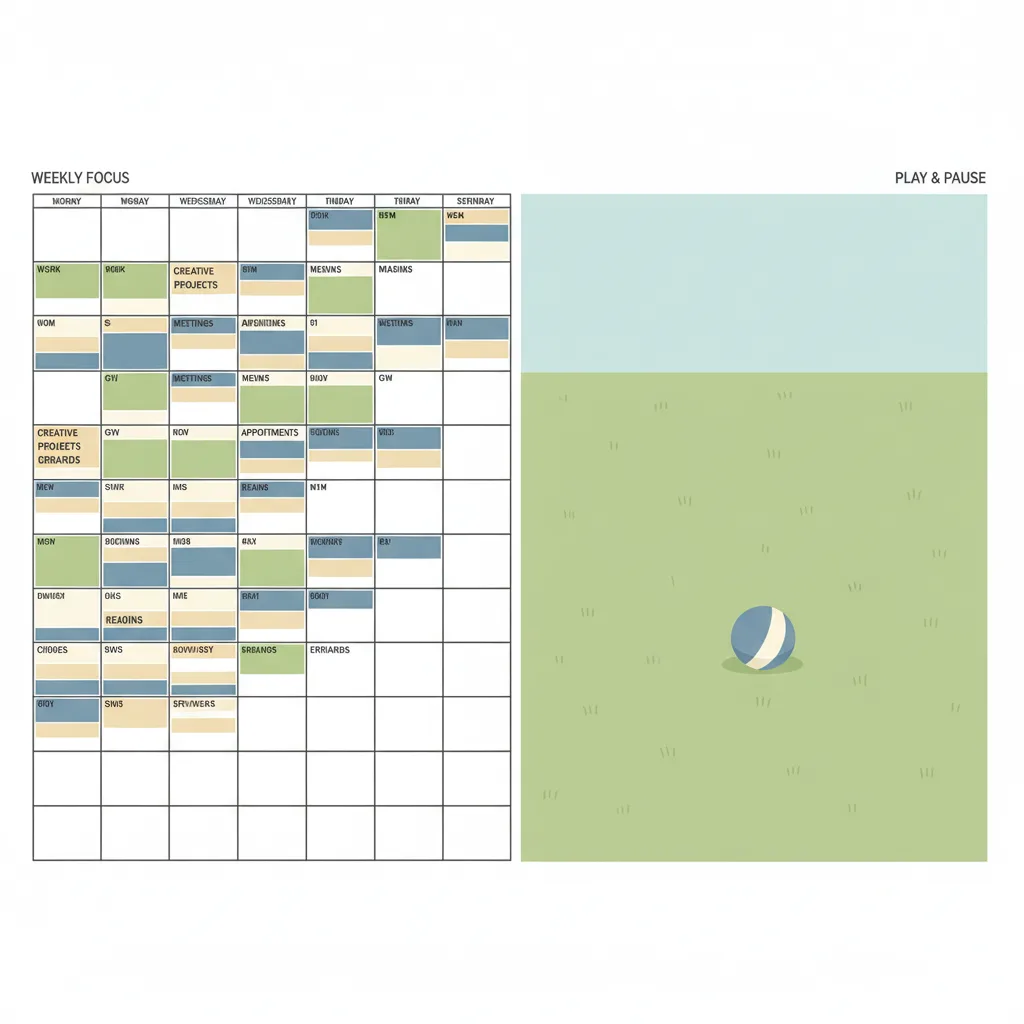
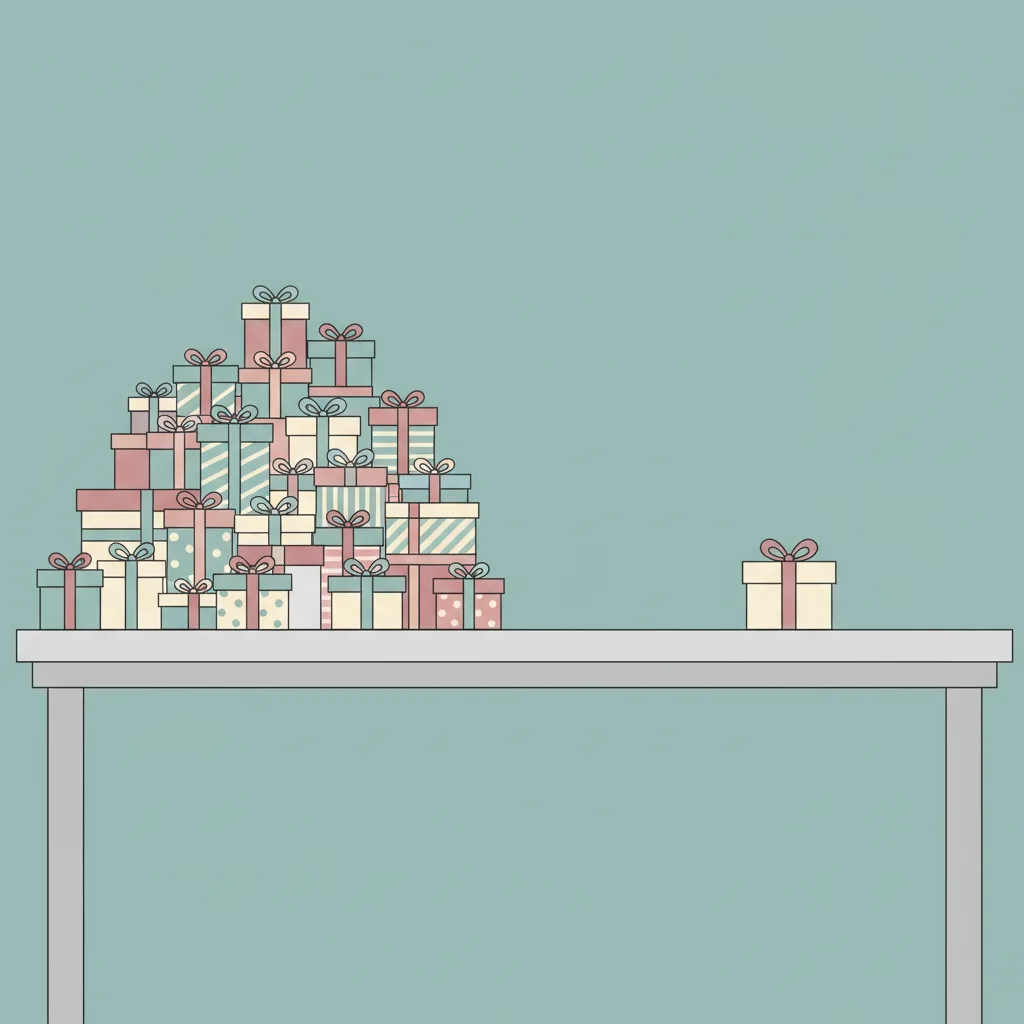
A weekly planner filled with activities next to an empty grass field with a single ball.

Жаль за дію

Структуровані заходи

57%

57 % батьків повідомляють про вигорання від тиску надмірного планування (проксі)

американські батьки, національно репрезентативна онлайн-панель

ретроспективно, опитування червень–липень 2023

Жаль за бездіяльність

Вільна гра та неструктурований час

22%

~22 % дітей бажають менше занять / більше вільного часу (проксі)

американські діти 9–13 років та їхні батьки

поперечно, без фіксованого часу

% шкодує про цей вибір

action dominates — Дія переважає — більшість шкодує, що діяла.

Пов’язані рішення

Семантично близькі рішення — та сама сфера, інші компроміси.

family

Свобода vs надмірна опіка

% шкодує про цей вибір

Переважає дія

Жаль за дію на 2.3× вищий

family

Дозволити кинути проти довести

% шкодує про цей вибір

Переважає бездіяльність

Жаль за бездіяльність на 2.3× вищий

family

Рятувати проти дати розібратись

% шкодує про цей вибір

Переважає дія

Жаль за дію на 1.2× вищий

family

Приватна чи держ. школа

% шкодує про цей вибір

Переважає бездіяльність

Жаль за бездіяльність на 3.2× вищий

family

Дім чи робота (батько)

% шкодує про цей вибір

Переважає дія

Жаль за дію на 1.3× вищий

family

Дисципліна vs поблажливість

% шкодує про цей вибір

Переважає бездіяльність

Жаль за бездіяльність на 2.4× вищий

family

Сімейні обіди

% шкодує про цей вибір

Переважає бездіяльність

Жаль за бездіяльність на 6.9× вищий

family

Балувати проти стриманості

% шкодує про цей вибір

Переважає дія

Жаль за дію на 2.9× вищий

An Ohio State study of more than 700 US parents found that 57% self-reported burnout, with the pressure to keep children enrolled in the right enrichment activities cited as a leading driver. The same study found that more free play time correlated with fewer mental health issues in children. On the academic side, Caetano, Caetano, and Nielsen (2024) showed in the Economics of Education Review that the marginal hour of structured enrichment yields zero cognitive benefit for high schoolers and actively harms non-cognitive outcomes like emotional regulation. The overscheduling treadmill appears to cost parents their wellbeing and children their resilience, with diminishing returns that turn negative well before most families notice.

The case for free play is real but narrower than its loudest advocates suggest. Gray et al. (2023) argued in The Journal of Pediatrics that decades of declining independent activity are a primary cause of rising childhood anxiety and depression — a plausible thesis, but one built on correlational evidence and no randomized trials. Meanwhile, Mahoney’s (2012) revisit of the overscheduling hypothesis found that fewer than one in ten US children are genuinely overscheduled, and that participation in organized activities up to 10-15 hours per week is almost universally associated with positive developmental outcomes. The popular image of the frazzled overscheduled child describes a real but statistically small group; most children in structured activities are benefiting from them.

The honest answer is that neither extreme maps cleanly onto regret research. No large-scale survey directly asks parents whether they regret overscheduling or under-enriching their children. The available proxies — parental burnout rates on one side, children’s own preference data on the other — are imperfect stand-ins flagged as such. The qualitative evidence (parents in Slate’s 2024 reporting who “pulled back” on packed schedules describe profound relief) supports the action-dominates direction, and Gilovich’s temporal framework would predict the same: action regrets (pushing too hard) feel more acute in the present, though inaction regrets (not enriching enough) may surface later. The safest reading is that moderate structured activity with ample unstructured time is the low-regret path, and that the real risk lies at both tails.

Джерела: дія

Реєстр тверджень

Кожне число нижче — це те, що повідомило джерело, з дослівною цитатою, на яку ми спиралися, та тим, як ми дійшли до нашої цифри. Натисніть на посилання, щоб перевірити самостійно.

1/2 джерел незалежно перевірено дослівно за вказаним джерелом

  1. [1] Ohio State University College of Nursing — Study: Pressure to be 'perfect' causing burnout for parents, mental health concerns for their children Перевірено
    Study: Pressure to be 'perfect' causing burnout for parents, mental health concerns for their children
    Статистика
    57% of parents self-reported burnout; pressure to provide enrichment activities was a leading contributor; more free play time correlated with fewer child mental health issues
    Витяг
    “"Fifty-seven percent of parents self-reported burnout. The pressure to be a 'perfect parent' — ensuring children are enrolled in the right activities, maintaining packed schedules — was identified as a leading contributor to parental stress and burnout. The more free play time that parents spend with their children and the lighter the load of structured extracurricular activities, the fewer mental health issues children experience." ”
    Дані джерела:
    2024-05-08
    Дата звернення
    2026-04-26
    Перевірка
    Витяг незалежно повторно отримано та дослівно підтверджено за вказаним джерелом під час нашого аудиту обґрунтованості.
    Розрахунок
    Ohio State survey of 730+ US parents (June–July 2023). The 57% burnout rate captures parents who self-identified as burned out, with overscheduling of enrichment activities cited as a primary driver. The study also found that lighter activity loads correlated with better child mental health outcomes. We use 57% as the action-regret proxy because burnout from structured-activity pressure is the dominant parental complaint on the action side. This is a burnout rate, not a regret rate — flagged as "(proxy)".
  2. [2] Economics of Education Review (Caetano, Caetano & Nielsen 2024) — Are children spending too much time on enrichment activities?
    Are children spending too much time on enrichment activities?
    Статистика
    The marginal hour of enrichment activities has zero cognitive benefit and negative non-cognitive effects for high schoolers
    Витяг
    “"We found that the effect of those additional activities on cognitive skills, that last hour, is basically zero. More surprising is that the last hour doing these activities is contributing negatively to the child's non-cognitive skills, making students more anxious, depressed or angry." ”
    Дані джерела:
    2024-02-01
    Дата звернення
    2026-04-26
    Розрахунок
    Caetano, Caetano & Nielsen (2024) used time-use data to estimate marginal returns of enrichment hours. Finding that the marginal hour harms non-cognitive outcomes supports the action-regret framing: parents who push one more activity are buying zero academic gain and measurable psychosocial cost.

Джерела: бездіяльність

Реєстр тверджень

Кожне число нижче — це те, що повідомило джерело, з дослівною цитатою, на яку ми спиралися, та тим, як ми дійшли до нашої цифри. Натисніть на посилання, щоб перевірити самостійно.

  1. [1] Journal of Research on Adolescence (Mahoney 2012) — The Over-Scheduling Hypothesis Revisited: Intensity of Organized Activity Participation During Adolescence and Young Adult Outcomes
    The Over-Scheduling Hypothesis Revisited: Intensity of Organized Activity Participation During Adolescence and Young Adult Outcomes
    Статистика
    Less than 1 in 10 children could be described as overscheduled; participation up to 10–15 hours/week was almost always associated with positive outcomes
    Витяг
    “"Contrary to popular belief, recent research rejects the notion that most or even many children and youth are over-scheduled and are suffering as a result. In fact, less than one in ten could be described as over-scheduled. Participation up to ten hours per week was almost always positive." ”
    Дані джерела:
    2012-09-01
    Дата звернення
    2026-04-26
    Розрахунок
    Mahoney (2012) revisited the overscheduling hypothesis using nationally representative US data. The finding that <10% of children are genuinely overscheduled implies that most families choosing free play over structured activities are not rescuing an overscheduled child. However, survey data from KidsHealth (cited in multiple parenting sources) found that 78% of children ages 9-13 wished for more free time. We invert conservatively: ~22% of children do NOT wish for more free time, implying they are content with or want more structure. This 22% is used as the inaction-regret proxy — the share of families where children might benefit from more organized activities.
  2. [2] The Journal of Pediatrics (Gray et al. 2023) — Decline in Independent Activity as a Cause of Decline in Children's Mental Well-being: Summary of the Evidence
    Decline in Independent Activity as a Cause of Decline in Children's Mental Well-being: Summary of the Evidence

    See all 2 Likelier entries citing this source →

    Статистика
    Decades-long decline in children's independent activity is proposed as a primary cause of rising anxiety and depression
    Витяг
    “"A primary cause of the rise in mental disorders is a decline over decades in opportunities for children and teens to play, roam, and engage in other activities independent of direct oversight and control by adults." ”
    Дані джерела:
    2023-02-01
    Дата звернення
    2026-04-26
    Розрахунок
    Gray et al. (2023) review in The Journal of Pediatrics. This paper supports the inaction side's legitimacy — free play has real mental-health value — but does not provide a regret rate. It contextualizes why some parents might regret choosing only structured activities at the expense of unstructured time.

Застереження

Neither figure is a direct regret measurement — both are flagged as "(proxy)" in regret_display. The action-side 57% is a parental burnout rate (Ohio State 2024), not a regret rate about the child's outcomes; it captures the parent's experience of the scheduling treadmill, not whether they believe the activities harmed their child. The inaction-side ~22% is derived from children's own preferences (those who do not wish for more free time), used as a rough proxy for families that might benefit from more structure. No large-scale survey directly asks parents "do you regret overscheduling your child?" or "do you regret not enrolling your child in more activities?" The Caetano et al. (2024) finding of zero marginal cognitive benefit applies specifically to high schoolers and may not generalize to younger children. Gray et al. (2023) argue for the value of free play but rely on correlational evidence; no RCT has compared structured-activity-heavy vs free-play-heavy childhoods. The action- dominates pattern is consistent with the qualitative literature (Slate 2024 reports parents who "pulled back" on activities describe relief), but the precise magnitude of the delta depends on which proxy one accepts for the inaction side.

Вихідні дані: /api/decisions.json

Нещодавно переглянуті на цьому пристрої