


Lewati ke konten
Likelier

Penyesalan bertindak vs. tidak bertindak

Memberikan kebebasan signifikan kepada anak untuk berkeliaran dan menjelajah versus mengawasi kegiatan dan keberadaan mereka secara ketat

Jika Anda bertindak

Pengawasan ketat / pengasuhan helikopter

45%

Jika Anda tidak bertindak

Pengasuhan bebas / mandiri

20%

Persentase orang yang kemudian menyesali setiap pilihan. Diagram batang dan catatan lengkap ditampilkan di bawah.


Family

Terakhir ditinjau 2026-06-14

Kualitas bukti 4.63/5

Skor tinjauan delapan dimensi terhadap rubrik kualitas . Setiap dimensi dinilai 1–5.

D1 Verifikasi sumber
5/5
D2 Otoritas & independensi sumber
5/5
D3 Akurasi tingkat penyesalan
2/5
D4 Keterbandingan sumber
5/5
D5 Pola Gilovich
5/5
D6 Kualitas prosa
5/5
D7 Kelengkapan peringatan
5/5
D8 Kualitas sampel
5/5
Rata-rata 4.63/5
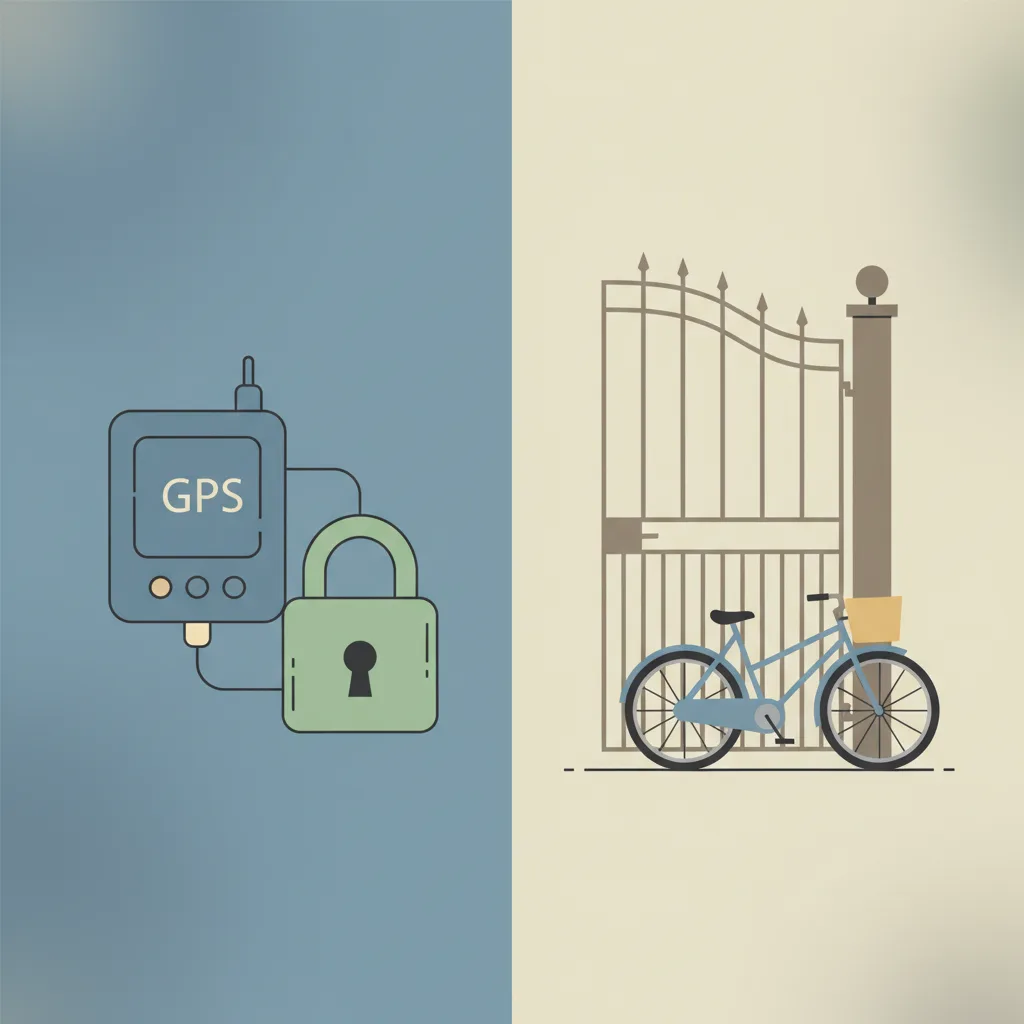
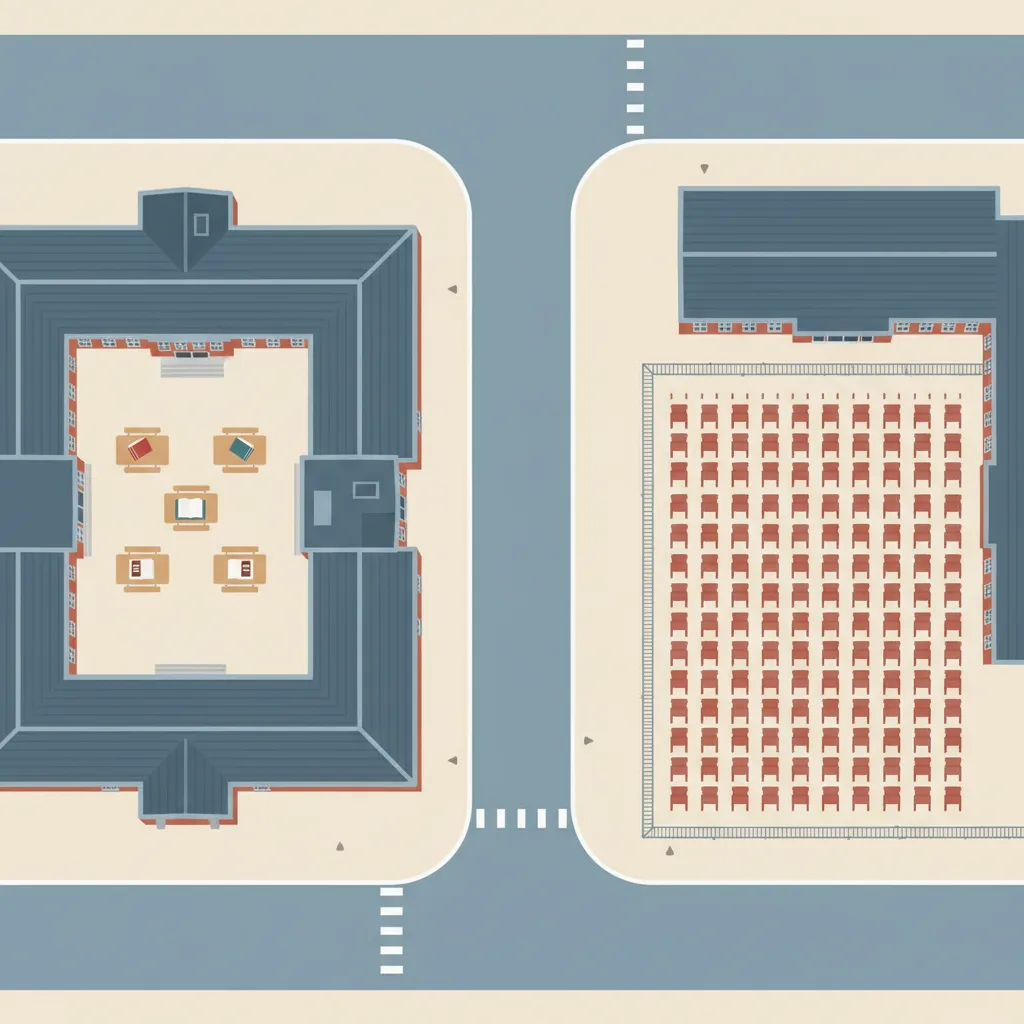
A GPS tracker and a padlock on the left, an open gate with a bicycle on the right
Data proksi — tidak ada survei penyesalan langsung untuk keputusan ini. Tingkat diturunkan dari skor kepuasan dan data hambatan akses daripada pertanyaan yang langsung menanyakan tentang penyesalan. Lihat peringatan di bawah.

Penyesalan atas tindakan

Pengawasan ketat / pengasuhan helikopter

45%

45% orang tua AS mengidentifikasi diri cenderung terlalu protektif (proksi identifikasi-diri)

Orang tua AS dengan anak di bawah 18, representatif nasional

retrospektif, survei September-Oktober 2022

Penyesalan atas kelambanan

Pengasuhan bebas / mandiri

20%

20% orang tua AS mengatakan mereka cenderung memberi anak-anak terlalu banyak kebebasan (proksi identifikasi-diri)

Orang tua AS dengan anak di bawah 18, representatif nasional

retrospektif, survei September-Oktober 2022

% menyesal dengan pilihan ini

action dominates — Bertindak mendominasi — sebagian besar menyesali karena bertindak.

Keputusan terkait

Keputusan yang serupa secara semantik — area yang sama, kompromi yang berbeda.

family

Menolong vs. biarkan mandiri

% menyesal dengan pilihan ini

Tindakan mendominasi

Penyesalan bertindak 1.2× lebih tinggi

family

Kegiatan terstruktur vs bermain bebas

% menyesal dengan pilihan ini

Tindakan mendominasi

Penyesalan bertindak 2.6× lebih tinggi

family

Disiplin vs. permisif

% menyesal dengan pilihan ini

Ketidakaktifan mendominasi

Penyesalan tidak bertindak 2.4× lebih tinggi

family

Memanjakan vs. menahan hadiah

% menyesal dengan pilihan ini

Tindakan mendominasi

Penyesalan bertindak 2.9× lebih tinggi

family

Swasta vs negeri

% menyesal dengan pilihan ini

Ketidakaktifan mendominasi

Penyesalan tidak bertindak 3.2× lebih tinggi

family

Di rumah vs bekerja

% menyesal dengan pilihan ini

Tindakan mendominasi

Penyesalan bertindak 1.3× lebih tinggi

family

Panti jompo vs. rawat di rumah

% menyesal dengan pilihan ini

Tindakan mendominasi

Penyesalan bertindak 2.3× lebih tinggi

familyLangsung

Akses media sosial anak

% menyesal dengan pilihan ini

Tindakan mendominasi

Penyesalan bertindak 5.4× lebih tinggi

45% of US parents self-identify as tending to be overprotective, per Pew Research Center’s nationally representative 2023 survey of 3,757 parents — more than double the 20% who say they tend to give too much freedom. Both figures emerge from the same instrument and the same sample, making this one of the cleaner action-vs-inaction comparisons available in the parenting literature. The outcome research reinforces the direction: McCoy, Dimler, and Rodrigues (2025) aggregated 53 studies and 111 effect sizes in the Journal of Adult Development and found helicopter parenting consistently associated with increased anxiety and depression and reduced self-efficacy, academic adjustment, and regulatory skills in emerging adults.

The case against excessive independence is real but narrow. A handful of studies find that extended unsupervised time correlates with modestly elevated risk of externalizing problems in younger children. Yet Gray, Lancy, and Bjorklund (2023) reviewed decades of evidence in The Journal of Pediatrics and concluded the opposite dynamic is the dominant public-health concern: declining opportunities for independent activity are a primary driver of rising childhood anxiety and depression. The world has also become objectively safer for children since the 1980s — rates of child abduction and traffic fatalities have fallen substantially — even as parental supervision has intensified. The gap between objective risk and perceived risk is itself a well-documented phenomenon in the parenting literature.

The Pew data capture a self-aware tension that Gilovich’s framework would predict: action regrets (having hovered too much) tend to feel more acute in the present because the costs — a child who cannot order at a restaurant, negotiate a conflict, or tolerate brief discomfort — are visible day to day, whereas inaction regrets (having allowed too much freedom) are more abstract and harder to attribute to a specific parenting choice. Neither figure here is a retrospective regret rate; both are self-identification proxies from a moment in time, and both undercount the true share of parents who feel some measure of dissatisfaction with their approach. The C.S. Mott Children’s Hospital Poll (2023) found that four in five parents of 9–11-year-olds agreed free time without adult supervision is beneficial, yet fewer than half permitted unsupervised neighbourhood activities — suggesting a large group of parents who believe one thing and do another, and who may not yet have labelled their own behaviour as overprotective.

Sumber: tindakan

Buku besar klaim

Setiap angka di bawah ini adalah apa yang dilaporkan masing-masing sumber, dengan kutipan kata demi kata yang kami andalkan dan bagaimana kami sampai pada angka kami. Klik tautan mana saja untuk memverifikasi langsung.

1/2 sumber diverifikasi secara independen kata demi kata terhadap sumber terkutip

  1. [1] Pew Research Center (Minkin & Horowitz 2023) — Parenting in America Today: A Survey Report (2023) Terverifikasi
    Parenting in America Today: A Survey Report (2023)

    See all 2 Likelier entries citing this source →

    Statistik
    More than four-in-ten parents (45%) say they tend to be overprotective, compared with 20% who say they tend to give too much freedom
    Kutipan
    “"More than four-in-ten parents (45%) say they tend to be overprotective, compared with 20% who say they tend to give too much freedom. About half of mothers (51%) say they are the type of parent who tends to be overprotective, compared with 38% of fathers." ”
    Data sumber dari
    2023-01-24
    Diakses
    2026-05-02
    Verifikasi
    Kutipan diambil ulang secara independen dan dikonfirmasi kata demi kata terhadap sumber terkutip selama audit pendasaran kami.
    Perhitungan
    Pew Research Center nationally representative survey of 3,757 US parents with children under 18, collected Sept 20–Oct 2, 2022. Among all parents, 45% self-describe as tending to be overprotective. We use this as the action-side proxy: parents who recognise their own tendency toward over-supervision — a weaker claim than retrospective regret but the closest available population-level measure. The same instrument, same sample, and same question set also yields the inaction-side figure (20% give too much freedom), making it the cleanest mirror comparison available in the literature.
  2. [2] Journal of Adult Development (McCoy, Dimler & Rodrigues 2025) — Parenting in Overdrive: A Meta-analysis of Helicopter Parenting Across Multiple Indices of Emerging Adult Functioning
    Parenting in Overdrive: A Meta-analysis of Helicopter Parenting Across Multiple Indices of Emerging Adult Functioning

    See all 2 Likelier entries citing this source →

    Statistik
    Analysis of 53 studies and 111 effect sizes found helicopter parenting associated with increased internalizing behaviors and reduced academic adjustment, self-efficacy, and regulatory skills
    Kutipan
    “"An analysis of 53 studies and 111 effect sizes revealed that helicopter parenting was associated with increased internalizing behaviors and reduced academic adjustment, self-efficacy and regulatory skills. Parent gender did not moderate these associations." ”
    Data sumber dari
    2024-09-18
    Diakses
    2026-05-02
    Perhitungan
    McCoy, Dimler & Rodrigues (2024/2025) meta-analysis published in the Journal of Adult Development. This is an outcomes study, not a regret survey; it contextualises why the action-side proxy carries regret-adjacent weight — helicopter-parented children show measurably worse functioning across anxiety, depression, academic adjustment, and self-efficacy, supporting the direction of the action-side interpretation.

Sumber: tidak bertindak

Buku besar klaim

Setiap angka di bawah ini adalah apa yang dilaporkan masing-masing sumber, dengan kutipan kata demi kata yang kami andalkan dan bagaimana kami sampai pada angka kami. Klik tautan mana saja untuk memverifikasi langsung.

1/2 sumber diverifikasi secara independen kata demi kata terhadap sumber terkutip

  1. [1] Pew Research Center (Minkin & Horowitz 2023) — Parenting in America Today: A Survey Report (2023) Terverifikasi
    Parenting in America Today: A Survey Report (2023)

    See all 2 Likelier entries citing this source →

    Statistik
    20% of parents say they tend to give their children too much freedom, vs 45% who say they tend to be overprotective
    Kutipan
    “"More than four-in-ten parents (45%) say they tend to be overprotective, compared with 20% who say they tend to give too much freedom. About half of mothers (51%) say they are the type of parent who tends to be overprotective, compared with 38% of fathers." ”
    Data sumber dari
    2023-01-24
    Diakses
    2026-05-02
    Verifikasi
    Kutipan diambil ulang secara independen dan dikonfirmasi kata demi kata terhadap sumber terkutip selama audit pendasaran kami.
    Perhitungan
    Same Pew 2023 nationally representative survey of 3,757 US parents. Among all parents, 20% self-describe as tending to give too much freedom — the mirror counterpart of the action-side 45% from the identical question. The shared instrument and sample eliminate cross-survey framing bias that would otherwise undermine comparison. We use 20% as the inaction-side proxy: parents who recognise their own tendency toward under-supervision — again a weaker claim than direct regret but the cleanest available measure.
  2. [2] The Journal of Pediatrics (Gray, Lancy & Bjorklund 2023) — Decline in Independent Activity as a Cause of Decline in Children's Mental Well-being: Summary of the Evidence
    Decline in Independent Activity as a Cause of Decline in Children's Mental Well-being: Summary of the Evidence

    See all 2 Likelier entries citing this source →

    Statistik
    Decades-long decline in children's independent activity is proposed as a primary cause of rising anxiety and depression among children and teens
    Kutipan
    “"A primary cause of the rise in mental disorders is a decline over decades in opportunities for children and teens to play, roam, and engage in other activities independent of direct oversight and control by adults. Although well intended, adults' drive to guide and protect children has deprived them of the independence they need for mental health." ”
    Data sumber dari
    2023-02-01
    Diakses
    2026-05-02
    Perhitungan
    Gray, Lancy & Bjorklund (2023) review in The Journal of Pediatrics. This is an outcomes study, not a regret survey; it contextualises the inaction side by showing that reduced adult supervision is associated with better child mental health outcomes, making the inaction-side regret rate structurally lower than the action-side rate. It supports the direction of the inaction-side proxy without providing a head-count.

Catatan

Tidak ada angka yang merupakan pengukuran penyesalan langsung — keduanya adalah proksi identifikasi-diri. Pertanyaan Pew 2023 menanyakan bagaimana orang tua menggambarkan kecenderungan mereka sendiri ("cenderung terlalu protektif" vs "cenderung memberi terlalu banyak kebebasan"); mengakui kecenderungan adalah klaim yang lebih lemah daripada menyesalinya secara retrospektif. Pembingkaian cermin dari instrumen tunggal dan sampel 3.757 orang tua secara metodologis paling bersih. Angka 45% mewakili penurunan yang nyata dari 2015, ketika 62% orang tua AS menggambarkan diri mereka sebagai setidaknya kadang-kadang terlalu protektif. Tidak ada survei skala besar yang secara langsung menanyakan orang tua apakah mereka menyesali mengawasi terlalu dekat atau memberi terlalu banyak kemandirian. Literatur hasil (meta-analisis McCoy et al. 2024) secara konsisten menunjukkan konsekuensi negatif dari pengasuhan helikopter. C.S. Mott Children's Hospital National Poll (Agustus 2023) mendokumentasikan kesenjangan sikap-tindakan yang besar.

Data mentah: /api/decisions.json

Baru-baru ini dilihat di perangkat ini