


Vai al contenuto
Likelier

Rimpianto per l’azione vs. l’inazione

Desiderare meno figli vs. desiderarne di più

Se agisci

Avere più figli (rimpiangendo di non averne avuti meno)

14%

Se non agisci

Non avere altri figli (rimpiangendo di non averne avuti di più)

37%

Percentuale di chi poi rimpiange ciascuna scelta. Le barre e il registro completo dei dati compaiono sotto.


Famiglia

Ultima revisione 2026-04-25

Qualità delle prove 4.38/5

Punteggio di revisione su otto dimensioni rispetto alla griglia di qualità . Ogni dimensione valutata da 1 a 5.

D1 Verifica delle fonti
5/5
D2 Autorità e indipendenza delle fonti
4/5
D3 Precisione del tasso di rimpianto
3/5
D4 Comparabilità delle fonti
3/5
D5 Schema di Gilovich
5/5
D6 Qualità della prosa
5/5
D7 Completezza degli avvertimenti
5/5
D8 Qualità del campione
5/5
Media 4.38/5
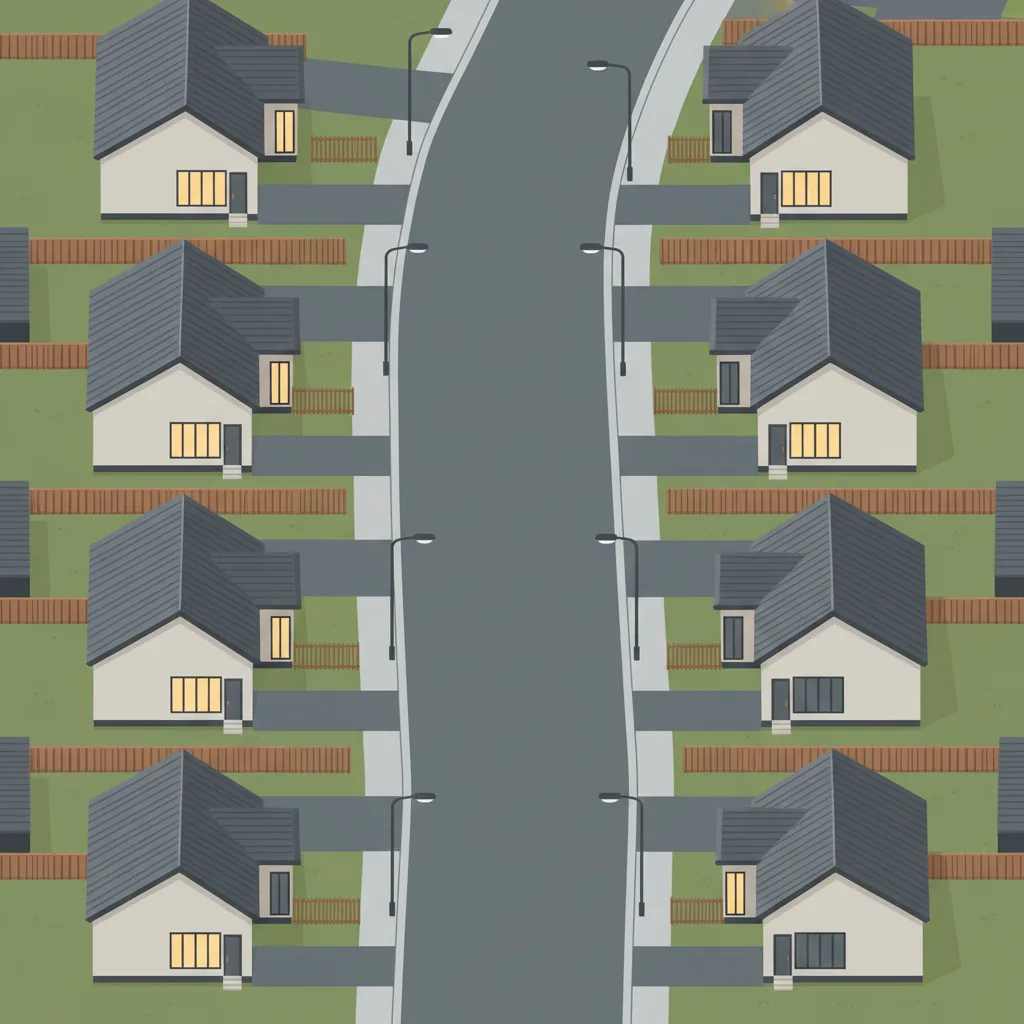
A row of small houses, some with lights on and some dark, stretching along a quiet street.

Rimpianto per azione

Avere più figli (rimpiangendo di non averne avuti meno)

14%

Il 14% dei genitori vorrebbe avere meno figli

Adulti statunitensi con figli, rappresentativo a livello nazionale

retrospettivo, nessun arco temporale fisso

Rimpianto per inazione

Non avere altri figli (rimpiangendo di non averne avuti di più)

37%

Il 37% degli adulti statunitensi vorrebbe avere più figli

Adulti statunitensi (genitori e non genitori), rappresentativo a livello nazionale

retrospettivo, nessun arco temporale fisso

% rimpiange questa scelta

inaction dominates — L'inazione domina — la maggior parte si pente di non aver agito.

Decisioni correlate

Decisioni semanticamente simili — stesso terreno, compromessi diversi.

family

Un altro figlio vs. fermarsi

% rimpiange questa scelta

L'inazione prevale

Rimpianto per l'inazione 2.6× maggiore

family

Privata vs pubblica

% rimpiange questa scelta

L'inazione prevale

Rimpianto per l'inazione 3.2× maggiore

family

Genitore a casa vs lavoratore

% rimpiange questa scelta

L'azione prevale

Rimpianto per l'azione 1.3× maggiore

family

Avere figli

% rimpiange questa scelta

Equilibrato

Approssimativamente equilibrato

family

Soccorrere vs. lasciar fare

% rimpiange questa scelta

L'azione prevale

Rimpianto per l'azione 1.2× maggiore

family

Congedo di paternità vs. rinunciarvi

% rimpiange questa scelta

L'inazione prevale

Rimpianto per l'inazione 4.5× maggiore

family

Disciplina vs. permissività

% rimpiange questa scelta

L'inazione prevale

Rimpianto per l'inazione 2.4× maggiore

family

Pasti in famiglia

% rimpiange questa scelta

L'inazione prevale

Rimpianto per l'inazione 6.9× maggiore

The Institute for Family Studies surveyed 1,518 US adults in 2021 and found a clear asymmetry in fertility regret. 37% of all US adults wish they had more children than they currently have, including both parents who want additional children (24%) and childless adults who want to start (13%). On the other side, only 14% of parents wish they had fewer children. The desire for more consistently outweighs the desire for fewer, roughly two-to-one.

This asymmetry aligns with Gilovich and Medvec’s prediction that inaction regrets dominate over time. The gap between desired and actual fertility has been a persistent structural feature of US demography for decades, and IFS trend data shows it is widening: the share of Americans who say the ideal family size is three or more children recently hit a 50-year high. People are not adjusting their preferences downward to match their behavior — they continue to wish for more even as birth rates fall.

The comparison is imperfect in several ways. “Wishing for more” is not the same as regretting a specific past decision — it may reflect wistfulness about circumstances (finances, partner, timing) rather than decisional regret. The populations are also not cleanly symmetric: the 14% is measured among parents, while the 37% includes childless adults. And the largest confound is involuntariness: many people who want more children face fertility limitations, financial barriers, or partner disagreement, making the “inaction” label somewhat misleading. They did not choose fewer children — they ended up with fewer.

A complementary signal from the children themselves: a YouGov poll of 2,000 US adults (October 2023) found that 66% of adults who grew up as only children wish they had had at least one sibling, against 34% who were satisfied with the arrangement. The child’s sibling-wish rate (66%) runs nearly double the parent’s wish-for-more rate (37%), a gap that hints at a systematic blind spot: parents may underestimate how much their child will want a sibling, while the child feels the absence as an adult. These are different populations answering different questions, not directly comparable rates, but the directional divergence is worth registering.

Fonti: azione

Registro delle fonti

Ogni numero qui sotto è ciò che ciascuna fonte ha riportato, con la citazione testuale su cui ci siamo basati e come siamo arrivati alla nostra cifra. Clicca su qualsiasi link per verificare direttamente.

1/2 fonti verificate in modo indipendente e alla lettera rispetto alla fonte citata

  1. [1] Institute for Family Studies / Stone — To Have Kids or Not: Which Decision Do Americans Regret More?
    To Have Kids or Not: Which Decision Do Americans Regret More?

    See all 2 Likelier entries citing this source →

    Statistica
    14% of people with children agreed 'I wish I had had fewer children' (10% of all US adults)
    Estratto
    “"Just 14% of people with children agreed with the statement 'I wish I had had fewer children' (which equals 10% of all adults). The vast majority of people want to have children and more than a third wish they had more." ”
    Dati originali da
    2021-12-08
    Consultato
    2026-04-25
    Calcolo
    Data from the second wave of the US Adult Sexual Behaviors and Attitudes Study, fielded March 2021 (n=1,518). The 14% is among parents specifically. We use 0.14 as the regret_rate for the action side (having had too many).
  2. [2] Pew Research Center — The Experiences of U.S. Adults Who Don't Have Children Verificato
    The Experiences of U.S. Adults Who Don't Have Children

    See all 3 Likelier entries citing this source →

    Statistica
    Among adults 50+ without children, 38% say there was a time they wanted children; broader context for fertility preference gaps
    Estratto
    “"Among adults ages 50 and older who don't have children, 38% say there was a time when they wanted to have children. About three-in-ten (32%) say they never wanted children." ”
    Dati originali da
    2024-07-25
    Consultato
    2026-04-25
    Verifica
    Estratto recuperato in modo indipendente e confermato parola per parola rispetto alla fonte citata durante il nostro audit di attendibilità.
    Calcolo
    Pew data provides cross-validation for the IFS survey. The 38% who once wanted children among the childless represents a ceiling for wish-for-more regret. Used as contextual support, not as the primary figure.

Fonti: inazione

Registro delle fonti

Ogni numero qui sotto è ciò che ciascuna fonte ha riportato, con la citazione testuale su cui ci siamo basati e come siamo arrivati alla nostra cifra. Clicca su qualsiasi link per verificare direttamente.

1/2 fonti verificate in modo indipendente e alla lettera rispetto alla fonte citata

  1. [1] Institute for Family Studies / Stone — To Have Kids or Not: Which Decision Do Americans Regret More? Verificato
    To Have Kids or Not: Which Decision Do Americans Regret More?

    See all 2 Likelier entries citing this source →

    Statistica
    37% of US adults wish they had more children than they currently have (including 24% who are parents and want more, plus 13% who are childless and want children)
    Estratto
    “"34% have children and are happy with the number they have ... Another third—the largest group—wish they had more (37%), whether currently parents or not." ”
    Dati originali da
    2021-12-08
    Consultato
    2026-04-25
    Verifica
    Estratto recuperato in modo indipendente e confermato parola per parola rispetto alla fonte citata durante il nostro audit di attendibilità.
    Calcolo
    The IFS source reports a single wish-for-more figure of 37%, combining parents who want more (24%) and childless adults who want children (13%, inferred as 37 minus 24). It is the largest fertility-preference group. We use 0.37 as the regret_rate for the inaction side.
  2. [2] Institute for Family Studies — Americans' Desire for Large Families Hits 50-Year High
    Americans' Desire for Large Families Hits 50-Year High

    See all 2 Likelier entries citing this source →

    Statistica
    The share of Americans who say the ideal family size is 3+ children rose to the highest level in 50 years, indicating a persistent gap between desired and actual fertility
    Estratto
    “"The share of Americans who say the ideal family size is three or more children has risen to the highest level in 50 years, widening the gap between desired and actual fertility." ”
    Dati originali da
    2023-06-28
    Consultato
    2026-04-25
    Calcolo
    Trend data showing that the desire-for-more gap is widening over time. Supports the 37% wish-for-more figure as durable rather than transient. The gap between desired and actual fertility is a structural feature of modern US demography.

Avvertenze

Le popolazioni "desiderio di meno" e "desiderio di più" si sovrappongono imperfettamente: il 14% è tra i genitori attuali, mentre il 37% include sia genitori che vogliono di più sia adulti senza figli che vogliono figli. Confrontare un sottoinsieme solo-genitori con una cifra di tutti-adulti gonfia l'apparente asimmetria. L'indagine IFS ha usato scale di accordo a singolo item, non uno strumento di rimpianto validato. "Desiderare di averne di più" non è lo stesso che pentirsi di una decisione specifica — può riflettere malinconia piuttosto che rimpianto decisionale. Vincoli finanziari, limitazioni di fertilità e disaccordo del partner significano che non avere più figli è spesso involontario, il che complica l'inquadramento azione/inazione. Un angolo complementare dalla prospettiva del bambino: YouGov (ottobre 2023, n=2.000 adulti statunitensi, campione appaiato da ACS 2019) ha rilevato che il 66% degli adulti cresciuti come figli unici avrebbe voluto avere almeno un fratello; solo il 34% era soddisfatto di essere figlio unico. Circa il 12% degli adulti statunitensi è cresciuto come figlio unico. Il tasso di desiderio di fratelli dalla prospettiva del bambino (66%) è sostanzialmente più alto del tasso di desiderio-di-più dalla prospettiva del genitore (37%), suggerendo che il costo di fermarsi a un figlio è sentito più acutamente dal bambino di quanto sia anticipato dal genitore che prende la decisione. Questi dati dalla prospettiva del bambino non possono essere direttamente confrontati con i tassi di rimpianto genitoriale azione/inazione — popolazioni diverse, quadri di domanda diversi — ma forniscono un contesto rilevante per comprendere chi sopporta l'asimmetria del rimpianto. Fonte: https://today.yougov.com/society/articles/47825-most-only-children-wish-they-had-at-least-one-sibling-us-poll

Dati grezzi: /api/decisions.json

Visti di recente su questo dispositivo