




Vai al contenuto
Likelier

Rimpianto per l’azione vs. l’inazione

Restare a casa per crescere i figli vs continuare a lavorare

Se agisci

Restare a casa con i figli

64%

Se non agisci

Lavorare mentre si cresce i figli

50%

Percentuale di chi poi rimpiange ciascuna scelta. Le barre e il registro completo dei dati compaiono sotto.


Famiglia

Ultima revisione 2026-04-26

Qualità delle prove 4.25/5

Punteggio di revisione su otto dimensioni rispetto alla griglia di qualità . Ogni dimensione valutata da 1 a 5.

D1 Verifica delle fonti
5/5
D2 Autorità e indipendenza delle fonti
5/5
D3 Precisione del tasso di rimpianto
2/5
D4 Comparabilità delle fonti
3/5
D5 Schema di Gilovich
4/5
D6 Qualità della prosa
5/5
D7 Completezza degli avvertimenti
5/5
D8 Qualità del campione
5/5
Media 4.25/5
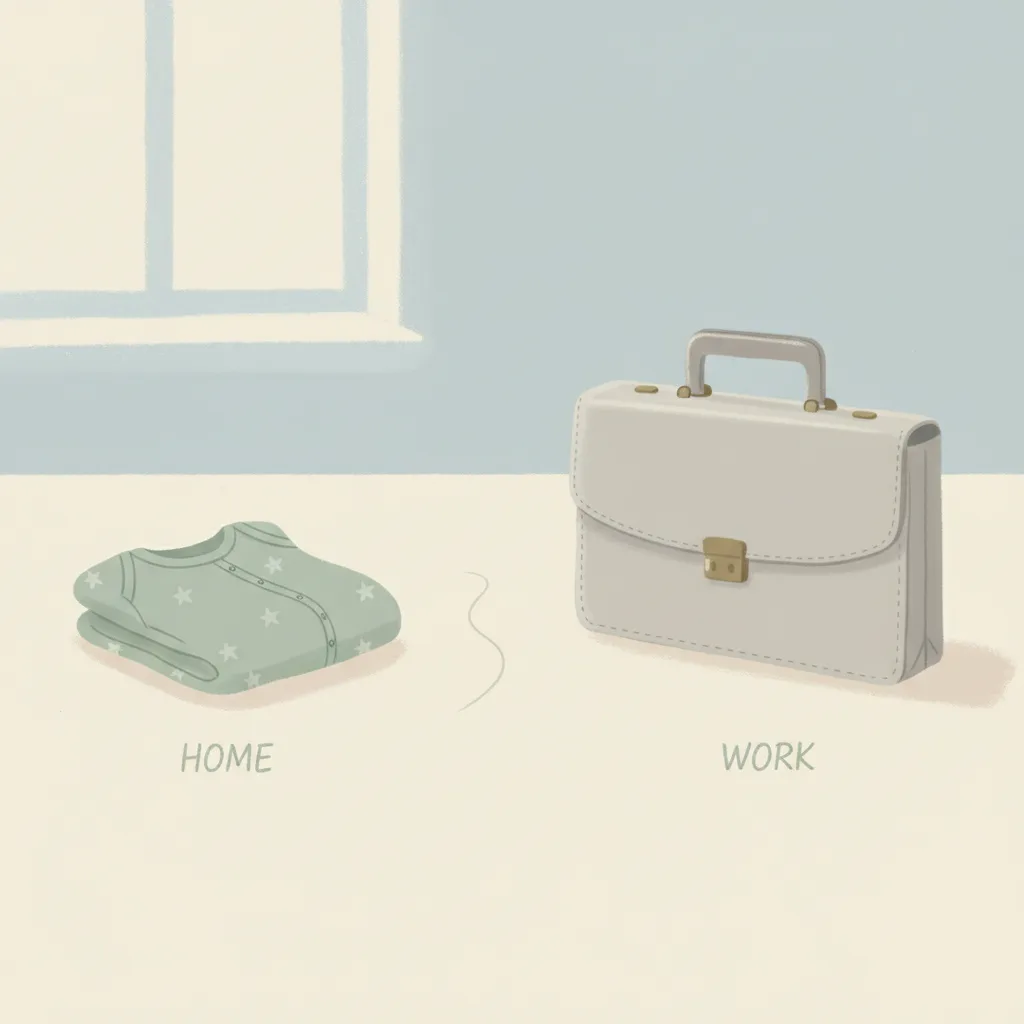
A kitchen table split in two halves, one side with children's drawings and crayons, the other with a laptop and coffee mug.
Dati proxy — non esiste alcun sondaggio diretto sul rimpianto per questa decisione. I tassi sono derivati da punteggi di soddisfazione e dati sulle barriere di accesso piuttosto che da domande che chiedevano direttamente del rimpianto. Vedi avvertenze di seguito.

Rimpianto per azione

Restare a casa con i figli

64%

proxy di preferenza, non rammarico: solo il 36% delle madri casalinghe indica come proprio ideale il non lavorare affatto, quindi il ~64% preferirebbe un qualche lavoro (domanda Pew sulla situazione ideale; molte di queste preferiscono il part-time, non un ritorno al lavoro a tempo pieno, quindi ciò sovrastima il rammarico per essere rimaste a casa)

Madri casalinghe statunitensi, nazionalmente rappresentativo

retrospettivo, nessun orizzonte temporale fisso

Rimpianto per inazione

Lavorare mentre si cresce i figli

50%

proxy di preferenza, non rammarico: il 50% delle madri con figli sotto i 18 anni dichiara che preferirebbe restare a casa se fosse libera di scegliere (scelta forzata Gallup; questo riguarda tutte le madri con figli minori, mescolando madri casalinghe e madri lavoratrici, non il rammarico retrospettivo delle madri lavoratrici)

Madri statunitensi con figli minori di 18 anni, nazionalmente rappresentativo

retrospettivo, nessun orizzonte temporale fisso

% rimpiange questa scelta

action dominates — L'azione domina — la maggior parte si pente di aver agito.

Decisioni correlate

Decisioni semanticamente simili — stesso terreno, compromessi diversi.

family

Privata vs pubblica

% rimpiange questa scelta

L'inazione prevale

Rimpianto per l'inazione 3.2× maggiore

family

Casa di cura vs. assistenza domiciliare

% rimpiange questa scelta

L'azione prevale

Rimpianto per l'azione 2.3× maggiore

family

Adozione vs. crescere da soli

% rimpiange questa scelta

L'azione prevale

Rimpianto per l'azione 4.8× maggiore

family

Dimensione della famiglia

% rimpiange questa scelta

L'inazione prevale

Rimpianto per l'inazione 2.6× maggiore

family

Avere figli

% rimpiange questa scelta

Equilibrato

Approssimativamente equilibrato

family

Attività vs gioco libero

% rimpiange questa scelta

L'azione prevale

Rimpianto per l'azione 2.6× maggiore

family

Congedo di paternità vs. rinunciarvi

% rimpiange questa scelta

L'inazione prevale

Rimpianto per l'inazione 4.5× maggiore

family

Soccorrere vs. lasciar fare

% rimpiange questa scelta

L'azione prevale

Rimpianto per l'azione 1.2× maggiore

64% of stay-at-home mothers say that not working is not their ideal situation, per Pew Research — only 36% called it ideal. Among all mothers with children under 18, 50% say they would prefer to stay home, according to Gallup. The 14-percentage-point gap puts this in action-dominates territory under Gilovich’s framework, though the underlying pattern is less about action vs inaction than about a forced binary vs a preferred middle.

The counterintuitive finding is the self-assessment gap. Stay-at-home mothers rate themselves lower as parents than working mothers do — 66% versus 78% calling themselves “excellent” or “very good” in Pew’s 2014 survey. One interpretation is that full-time proximity to children exposes every parenting failure in high definition, while working parents compare themselves against a lower baseline of available hours. Another is that the identity cost of leaving the workforce erodes confidence in ways that spill into parenting self-evaluation. Either way, the data undermines the assumption that staying home is the self-evidently superior parenting move.

The strongest signal in the research is that neither full-time work nor full-time homemaking is what most mothers actually want. A 47% plurality of adults told Pew that part-time work is the ideal arrangement for mothers of young children; only 12% said full-time work, and 33% said no work at all. Both rates here are preference proxies, not retrospective regret measures — no large-scale study has directly asked mothers on both sides whether they regret their employment decision. The dissatisfaction on both sides may say less about which choice is wrong than about a labor market that mostly offers all-or-nothing.

Fonti: azione

Registro delle fonti

Ogni numero qui sotto è ciò che ciascuna fonte ha riportato, con la citazione testuale su cui ci siamo basati e come siamo arrivati alla nostra cifra. Clicca su qualsiasi link per verificare direttamente.

1/2 fonti verificate in modo indipendente e alla lettera rispetto alla fonte citata

  1. [1] Pew Research Center — Public Views on Moms Staying at Home vs. Working Verificato
    Public Views on Moms Staying at Home vs. Working
    Statistica
    Only 36% of stay-at-home mothers say not working at all is ideal for them, down from 48% in 2007
    Estratto
    “"Only 36% of stay-at-home mothers say that not working at all is ideal for them. The share of stay-at-home mothers who say that not working at all is their ideal situation has fallen since 2007, when 48% said so." ”
    Dati originali da
    2014-04-08
    Consultato
    2026-04-26
    Verifica
    Estratto recuperato in modo indipendente e confermato parola per parola rispetto alla fonte citata durante il nostro audit di attendibilità.
    Calcolo
    Pew Research survey of 3,341 US adults, Jan 23–Feb 9 2014. Among stay-at-home mothers specifically, 36% called not working "ideal." We invert: 100% - 36% = 64% who say their current arrangement is not ideal — used as the action-side preference proxy.
  2. [2] Pew Research Center — Chapter 1: Comparing Stay-at-Home and Working Mothers
    Chapter 1: Comparing Stay-at-Home and Working Mothers
    Statistica
    66% of stay-at-home mothers rate themselves as excellent or very good parents, compared with 78% of working mothers
    Estratto
    “"Despite the additional time they spend on child care, mothers who do not work outside the home give themselves slightly lower ratings than working mothers for the job they are doing as parents. Some 66% of stay-at-home mothers rate themselves as doing an excellent or very good job as a parent, compared with 78% of working mothers." ”
    Dati originali da
    2014-04-08
    Consultato
    2026-04-26
    Calcolo
    Same Pew 2012/2014 study. The 12-percentage-point self-rating gap (66% vs 78%) reinforces the finding that staying home does not reliably produce the parenting confidence one might expect.

Fonti: inazione

Registro delle fonti

Ogni numero qui sotto è ciò che ciascuna fonte ha riportato, con la citazione testuale su cui ci siamo basati e come siamo arrivati alla nostra cifra. Clicca su qualsiasi link per verificare direttamente.

2/2 fonti verificate in modo indipendente e alla lettera rispetto alla fonte citata

  1. [1] Gallup — Record-High 56% of U.S. Women Prefer Working to Homemaking Verificato
    Record-High 56% of U.S. Women Prefer Working to Homemaking
    Statistica
    50% of mothers with children under 18 prefer to stay home and take care of the house and family
    Estratto
    “"By 50% to 34%, mothers of children under 18 years of age are more likely than those with no children under 18 to prefer to stay at home and take care of the house and family." ”
    Dati originali da
    2015-10-19
    Consultato
    2026-04-26
    Verifica
    Estratto recuperato in modo indipendente e confermato parola per parola rispetto alla fonte citata durante il nostro audit di attendibilità.
    Calcolo
    Gallup annual Work and Education survey, nationally representative sample of US adults. Among mothers with children under 18, 50% said they would prefer to stay home. Used as inaction-regret proxy: half of working mothers report a preference mismatch.
  2. [2] Pew Research Center — Mothers and Work: What's 'Ideal'? Verificato
    Mothers and Work: What's 'Ideal'?
    Statistica
    A plurality of all mothers (47% of US adults) say part-time work is the ideal situation for mothers of young children
    Estratto
    “"Nearly half (47%) of the public said that working part time is the ideal situation for women with young children, 33% said not working outside the home is ideal, and another 12% said working full time would be ideal." ”
    Dati originali da
    2013-08-19
    Consultato
    2026-04-26
    Verifica
    Estratto recuperato in modo indipendente e confermato parola per parola rispetto alla fonte citata durante il nostro audit di attendibilità.
    Calcolo
    Pew Research Center analysis of survey data. The plurality preference for part-time work (47%) over full-time (12%) or no work (33%) contextualizes the inaction-side finding: most mothers want neither extreme.

Avvertenze

Nessuno dei due dati è una misurazione diretta del rammarico — entrambi sono proxy di preferenza, contrassegnati come tali in regret_display. Il 64% del lato azione è invertito dalla domanda di Pew sulla "situazione ideale"; dire che la propria attuale sistemazione non è ideale è un'affermazione più debole del dire di rimpiangerla. Il 50% del lato inazione è una preferenza dichiarata di Gallup, non un giudizio di rammarico retrospettivo. Nessun sondaggio su larga scala chiede direttamente "rimpiangi di essere rimasta a casa / di essere andata a lavorare?" — una ricerca approfondita conferma questa lacuna nella letteratura. I due dati provengono da sondaggi diversi con inquadramenti diversi (Pew 2014 vs Gallup 2015), rendendo discutibile un confronto preciso. Una pluralità di madri in entrambi i gruppi dichiara che il part-time è il vero ideale — a suggerire che il vero rammarico possa riguardare la scelta binaria forzata anziché uno dei due lati. Anche la composizione dei campioni differisce: Pew ha intervistato specificamente le madri casalinghe mentre Gallup ha intervistato tutte le madri con figli minori. Il Bright Horizons Modern Family Index (2024) ha rilevato che una madre lavoratrice su tre ha considerato di ridimensionare la carriera, ma questo coglie la considerazione anziché il rammarico. Finché uno studio non misurerà direttamente il rammarico retrospettivo su entrambi i lati con una metodologia comparabile, questi proxy di preferenza sono i migliori ancoraggi disponibili per questo dilemma. I dati dei sondaggi provengono esclusivamente da campioni degli Stati Uniti; i tassi di soddisfazione e di rammarico in Paesi con strutture istituzionali diverse — politiche di congedo parentale, sistemi di assistenza all'infanzia, diritto di famiglia — possono differire sostanzialmente.

Dati grezzi: /api/decisions.json

Visti di recente su questo dispositivo