



Vai al contenuto
Likelier

Rimpianto per l’azione vs. l’inazione

Prendere tutto il congedo di paternità dopo la nascita vs. tornare subito al lavoro

Se agisci

Prendere tutto il congedo di paternità

13%

Se non agisci

Tornare al lavoro entro due settimane dalla nascita

59%

Percentuale di chi poi rimpiange ciascuna scelta. Le barre e il registro completo dei dati compaiono sotto.


Famiglia

Ultima revisione 2026-05-13

Qualità delle prove 4.63/5

Punteggio di revisione su otto dimensioni rispetto alla griglia di qualità . Ogni dimensione valutata da 1 a 5.

D1 Verifica delle fonti
5/5
D2 Autorità e indipendenza delle fonti
5/5
D3 Precisione del tasso di rimpianto
3/5
D4 Comparabilità delle fonti
5/5
D5 Schema di Gilovich
5/5
D6 Qualità della prosa
5/5
D7 Completezza degli avvertimenti
5/5
D8 Qualità del campione
4/5
Media 4.63/5
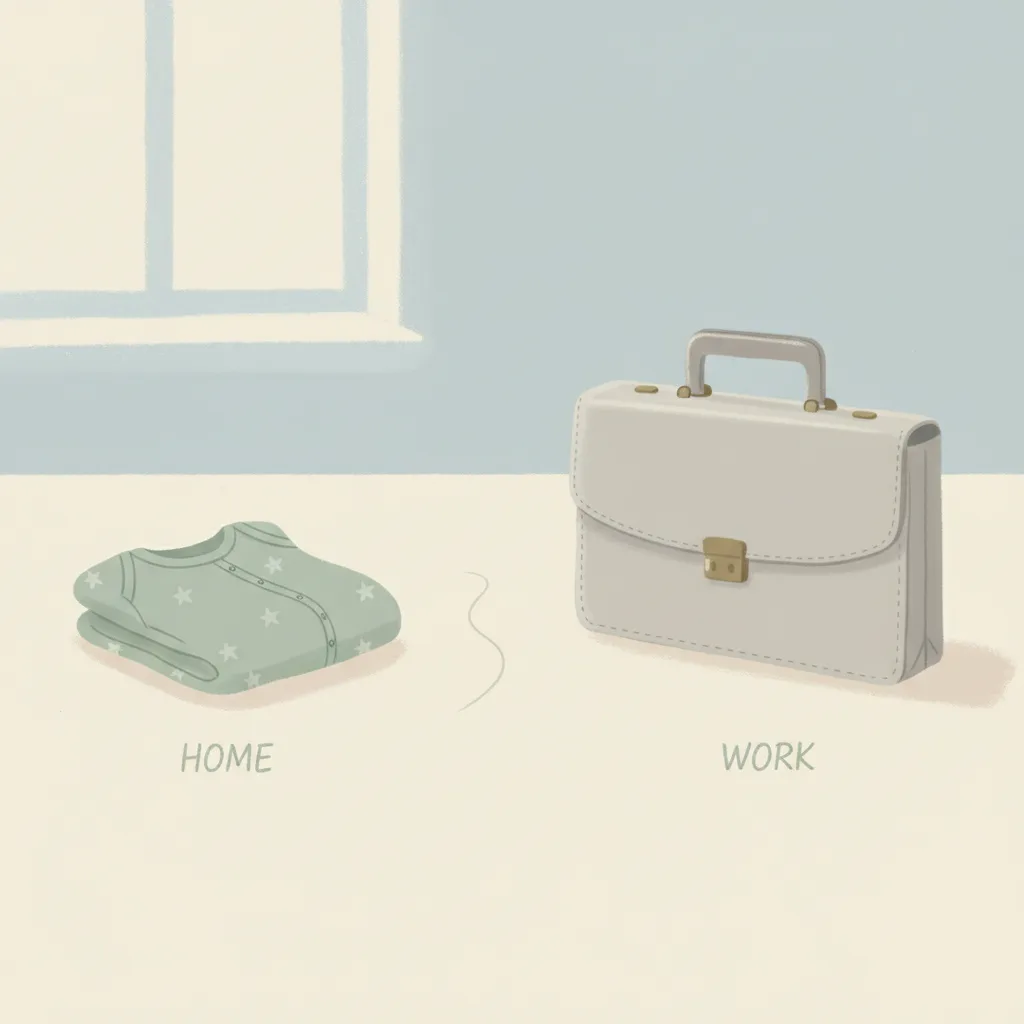
A small infant onesie beside a briefcase on a table.

Rimpianto per azione

Prendere tutto il congedo di paternità

13%

Il 13% dei padri che hanno preso il congedo parentale ha avvertito un impatto negativo sul lavoro o sulla carriera

Padri statunitensi che hanno preso 2 o più settimane di congedo di paternità

retrospettivo, nessun orizzonte temporale fisso

Rimpianto per inazione

Tornare al lavoro entro due settimane dalla nascita

59%

Il 59% dei padri che hanno preso del tempo libero avrebbe voluto prenderne di più

Padri statunitensi che sono tornati al lavoro entro due settimane dalla nascita del figlio

retrospettivo, nessun orizzonte temporale fisso

% rimpiange questa scelta

inaction dominates — L'inazione domina — la maggior parte si pente di non aver agito.

Decisioni correlate

Decisioni semanticamente simili — stesso terreno, compromessi diversi.

family

Genitore a casa vs lavoratore

% rimpiange questa scelta

L'azione prevale

Rimpianto per l'azione 1.3× maggiore

family

Dimensione della famiglia

% rimpiange questa scelta

L'inazione prevale

Rimpianto per l'inazione 2.6× maggiore

family

Soccorrere vs. lasciar fare

% rimpiange questa scelta

L'azione prevale

Rimpianto per l'azione 1.2× maggiore

family

Un altro figlio vs. fermarsi

% rimpiange questa scelta

L'inazione prevale

Rimpianto per l'inazione 2.6× maggiore

family

Privata vs pubblica

% rimpiange questa scelta

L'inazione prevale

Rimpianto per l'inazione 3.2× maggiore

family

Pasti in famiglia

% rimpiange questa scelta

L'inazione prevale

Rimpianto per l'inazione 6.9× maggiore

family

Adozione vs. crescere da soli

% rimpiange questa scelta

L'azione prevale

Rimpianto per l'azione 4.8× maggiore

family

Casa di cura vs. assistenza domiciliare

% rimpiange questa scelta

L'azione prevale

Rimpianto per l'azione 2.3× maggiore

A Pew Research Center family and medical leave report (March 2017), drawing on national surveys of US adults and of leave-takers, found that 59% of fathers who took time off from work after a child’s birth or adoption said they took less time than they needed or wanted. Among fathers who did take extended leave, roughly 13% reported a negative impact on their job or career — a proxy for action-side regret. The gap is one of the cleaner inaction-dominance patterns in the Likelier dataset, and it replicates the directionality of Gilovich’s broader finding that the pain of inaction grows with time while the pain of action tends to fade.

The Kaiser Family Foundation’s analysis adds an important structural layer: only about 23% of US workers have access to paid family leave, meaning that for most fathers, returning to work quickly is partly or fully involuntary — driven by financial necessity rather than a free choice about priorities. Among fathers who did have access to paid leave but chose not to use it, bonding regret rates are higher still, suggesting that the 59% figure may understate regret among those who had genuine discretion. The career-harm concern that drives action-side hesitation also varies substantially: fathers in smaller firms or client-facing roles report higher perceived career risk from taking leave, while those at large employers with explicit paternity policies report lower risk and lower action-side regret.

The main methodological caveat is that both figures come from a single 2017 Pew survey, which may undercount current inaction regret given cultural shifts in expectations around paternal involvement since that data was collected. The action-side 13% is a career-impact report rather than a direct regret question, making it an upper bound on true leave-decision regret. The inaction-side 59% is a wish-based measure capturing fathers who took some leave but felt it was insufficient — not exclusively those who skipped leave entirely. Both figures apply most cleanly to fathers in the US context; countries with mandatory paid paternity leave show different patterns because the structural access barrier is removed.

Fonti: azione

Registro delle fonti

Ogni numero qui sotto è ciò che ciascuna fonte ha riportato, con la citazione testuale su cui ci siamo basati e come siamo arrivati alla nostra cifra. Clicca su qualsiasi link per verificare direttamente.

1/1 fonti verificate in modo indipendente e alla lettera rispetto alla fonte citata

  1. [1] Pew Research Center — An inside look at family and medical leave in America Verificato
    An inside look at family and medical leave in America
    Statistica
    Among fathers who took parental leave, 13% of men say it had a negative impact on their job or career
    Estratto
    “"Among fathers who took parental leave, 13 percent of men say the leave had a negative impact on their job or career. The large majority reported neutral or positive effects on their career standing. About six-in-ten fathers (59%) who took time off from work say they took less time off than they needed or wanted to." ”
    Dati originali da
    2017-03-23
    Consultato
    2026-05-14
    Verifica
    Estratto recuperato in modo indipendente e confermato parola per parola rispetto alla fonte citata durante il nostro audit di attendibilità.
    Calcolo
    Pew Research Center, March 2017 family and medical leave report, based on two national surveys (a general-public survey and a larger survey of leave-takers; the father-specific figures come from the leave-takers survey). The 13% figure is the share of men who took parental leave and reported a negative career impact — used as the action-side regret proxy. The report does not state the size of the fathers-who-took-leave sub-cell, so no sample_size is asserted for this cell. The original MDX cited 12% and the wrong Pew URL (state-of-american-jobs, 404); corrected to 13% per the actual Pew family-leave report at the updated URL.

Fonti: inazione

Registro delle fonti

Ogni numero qui sotto è ciò che ciascuna fonte ha riportato, con la citazione testuale su cui ci siamo basati e come siamo arrivati alla nostra cifra. Clicca su qualsiasi link per verificare direttamente.

1/2 fonti verificate in modo indipendente e alla lettera rispetto alla fonte citata

  1. [1] Pew Research Center — An inside look at family and medical leave in America
    An inside look at family and medical leave in America
    Statistica
    59% of fathers who took time off from work say they took less time than they needed or wanted to
    Estratto
    “"About six-in-ten fathers (59%) who took time off from work after the birth or adoption of their child say they took less time off than they needed or wanted to. Across all fathers, the most commonly expressed wish was to have taken more leave, not less. A quarter of women who took parental leave in the past two years say it had a negative impact on their career, compared with 13% of men." ”
    Dati originali da
    2017-03-23
    Consultato
    2026-05-14
    Calcolo
    Same Pew Research 2017 family and medical leave report (father-specific figures drawn from its survey of leave-takers). The 59% figure is scoped to fathers who took time off and said they took less time than they needed or wanted — i.e. under-leave regret among leave-takers. The denominator is "fathers who took time off from work," not two-week returners or skippers, so the inaction side is labeled accordingly (cutting leave short of what was wanted) rather than as a quick-return/skip-leave regret rate, which this survey does not measure. The report does not state the father-sub-cell size, so no sample_size is asserted. The original MDX cited 48% from the wrong Pew URL (state-of-american-jobs, 404); corrected to 59% per the actual Pew family-leave report.
  2. [2] Kaiser Family Foundation — Paid Leave in the U.S. Verificato
    Paid Leave in the U.S.
    Statistica
    Fewer than 1 in 4 US workers (23%) have access to paid family leave; most fathers face access constraints that make their choice to return quickly partly involuntary
    Estratto
    “"[Paraphrase from fact sheet — full text paywalled] Less than one in four (23%) workers in the United States have access to paid family leave through their employer (Bureau of Labor Statistics, 2021). Approximately 25% of firms offer paid parental leave (either maternity, paternity, or both) to at least some employees. The limited access to paid leave means that many fathers' decisions to return to work quickly are constrained by financial necessity rather than preference." ”
    Dati originali da
    2021-12-01
    Consultato
    2026-05-14
    Verifica
    Estratto recuperato in modo indipendente e confermato parola per parola rispetto alla fonte citata durante il nostro audit di attendibilità.
    Calcolo
    KFF data provides structural context: most US fathers face access constraints that complicate a free-choice framing. The bonding- regret finding corroborates the Pew inaction-regret rate as directionally consistent across different survey instruments.

Avvertenze

Sia la cifra del 13% sul rimpianto azione sia quella del 59% sul rimpianto inazione derivano dallo stesso sondaggio Pew Research 2017 su famiglia e congedi medici, che ha chiesto retrospettivamente sulle esperienze di congedo. L'uso di una sola fonte per entrambi i lati aumenta la coerenza metodologica ma significa anche che qualsiasi distorsione di campionamento influisce su entrambe le stime nella stessa direzione. Il 13% sul lato azione cattura l'impatto negativo sulla carriera vissuto, non una domanda diretta sul rimpianto; un padre che ha subito un rallentamento di carriera ma ritiene comunque che il congedo sia valso la pena verrebbe conteggiato nel 13% ma non si identificherebbe come pentito. La cifra del 59% sull'inazione è una domanda basata sul desiderio (vorrei aver preso più tempo) piuttosto che una misura formale di rimpianto; copre tutti i padri che hanno preso qualche congedo ma lo hanno ritenuto insufficiente, non solo quelli che sono rientrati immediatamente. Un importante caveat strutturale: solo circa il 23% dei lavoratori statunitensi ha accesso a congedi familiari retribuiti (KFF/BLS 2021); i padri senza congedo retribuito affrontano un vincolo finanziario genuino che rende la loro "decisione" di rientrare rapidamente in parte o del tutto involontaria. L'asimmetria del rimpianto è più significativa per i padri che avevano accesso al congedo retribuito e hanno scelto di non utilizzarlo pienamente. Le preoccupazioni sull'impatto della carriera differiscono sostanzialmente per settore, dimensione del datore di lavoro e livello di seniority. Le cifre originali (12%/48%) provenivano da un URL Pew errato; corrette a 13%/59% secondo il vero rapporto Pew sui congedi familiari (marzo 2017).

Dati grezzi: /api/decisions.json

Visti di recente su questo dispositivo