


Vai al contenuto
Likelier

Rimpianto per l’azione vs. l’inazione

Dare ai figli ampia libertà di girare ed esplorare versus sorvegliare da vicino le loro attività e i loro spostamenti

Se agisci

Supervisione stretta / genitorialità iperprotettiva

45%

Se non agisci

Genitorialità libera e indipendente

20%

Percentuale di chi poi rimpiange ciascuna scelta. Le barre e il registro completo dei dati compaiono sotto.


Famiglia

Ultima revisione 2026-06-14

Qualità delle prove 4.63/5

Punteggio di revisione su otto dimensioni rispetto alla griglia di qualità . Ogni dimensione valutata da 1 a 5.

D1 Verifica delle fonti
5/5
D2 Autorità e indipendenza delle fonti
5/5
D3 Precisione del tasso di rimpianto
2/5
D4 Comparabilità delle fonti
5/5
D5 Schema di Gilovich
5/5
D6 Qualità della prosa
5/5
D7 Completezza degli avvertimenti
5/5
D8 Qualità del campione
5/5
Media 4.63/5
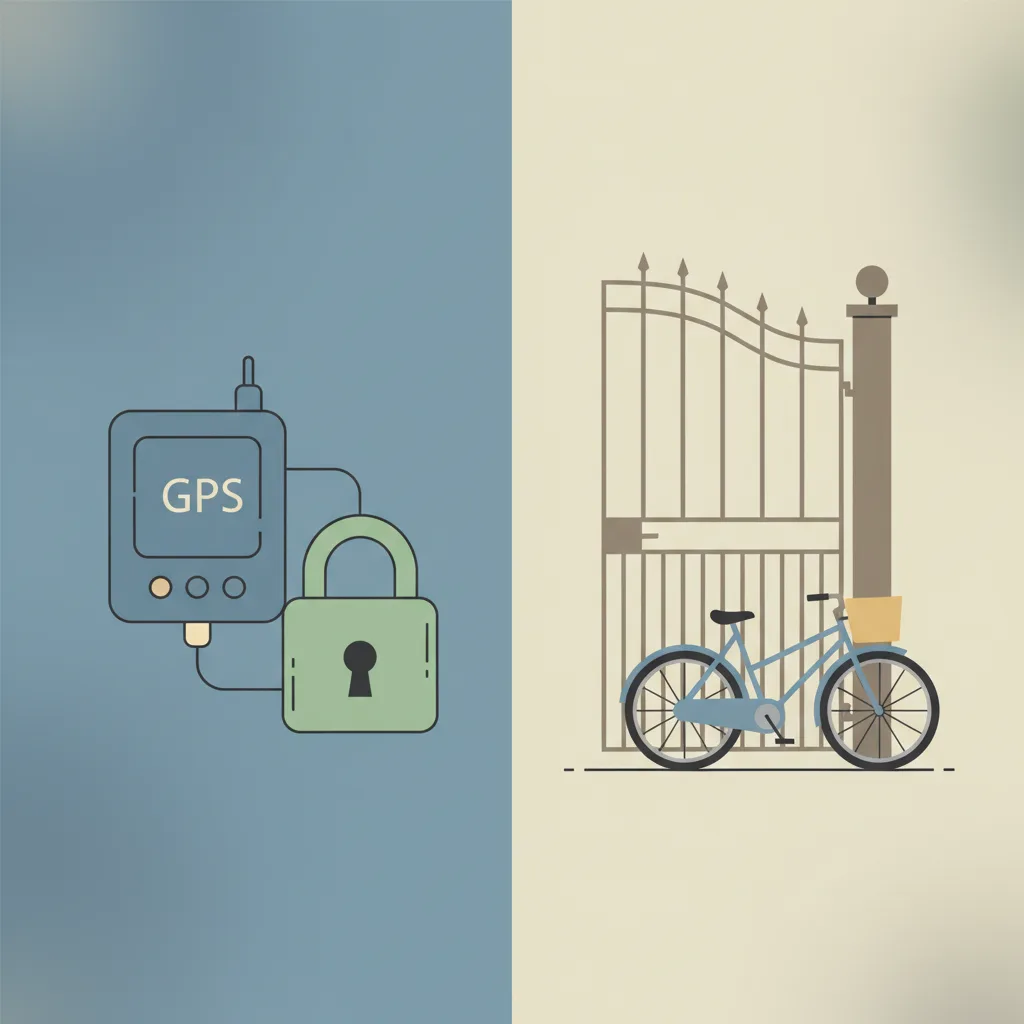
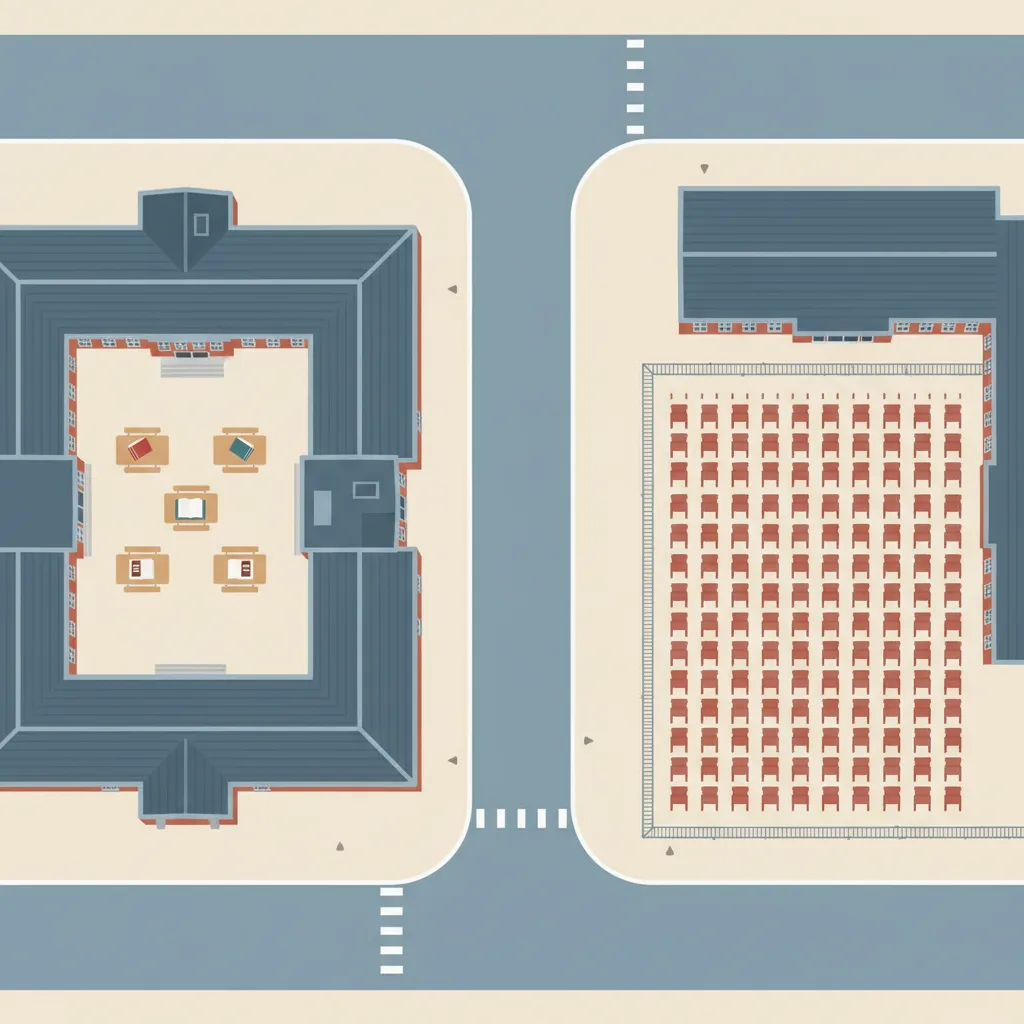
A GPS tracker and a padlock on the left, an open gate with a bicycle on the right
Dati proxy — non esiste alcun sondaggio diretto sul rimpianto per questa decisione. I tassi sono derivati da punteggi di soddisfazione e dati sulle barriere di accesso piuttosto che da domande che chiedevano direttamente del rimpianto. Vedi avvertenze di seguito.

Rimpianto per azione

Supervisione stretta / genitorialità iperprotettiva

45%

Il 45% dei genitori statunitensi si auto-identifica come tendente a essere iperprotettivo (proxy di auto-identificazione)

Genitori statunitensi con figli sotto i 18 anni, rappresentativo a livello nazionale

retrospettivo, indagine settembre-ottobre 2022

Rimpianto per inazione

Genitorialità libera e indipendente

20%

Il 20% dei genitori statunitensi dice di tendere a dare ai propri figli troppa libertà (proxy di auto-identificazione)

Genitori statunitensi con figli sotto i 18 anni, rappresentativo a livello nazionale

retrospettivo, indagine settembre-ottobre 2022

% rimpiange questa scelta

action dominates — L'azione domina — la maggior parte si pente di aver agito.

Decisioni correlate

Decisioni semanticamente simili — stesso terreno, compromessi diversi.

family

Soccorrere vs. lasciar fare

% rimpiange questa scelta

L'azione prevale

Rimpianto per l'azione 1.2× maggiore

family

Attività vs gioco libero

% rimpiange questa scelta

L'azione prevale

Rimpianto per l'azione 2.6× maggiore

family

Disciplina vs. permissività

% rimpiange questa scelta

L'inazione prevale

Rimpianto per l'inazione 2.4× maggiore

family

Viziare vs. moderare i regali

% rimpiange questa scelta

L'azione prevale

Rimpianto per l'azione 2.9× maggiore

family

Privata vs pubblica

% rimpiange questa scelta

L'inazione prevale

Rimpianto per l'inazione 3.2× maggiore

family

Genitore a casa vs lavoratore

% rimpiange questa scelta

L'azione prevale

Rimpianto per l'azione 1.3× maggiore

family

Casa di cura vs. assistenza domiciliare

% rimpiange questa scelta

L'azione prevale

Rimpianto per l'azione 2.3× maggiore

familyDiretta

Accesso del bambino ai social media

% rimpiange questa scelta

L'azione prevale

Rimpianto per l'azione 5.4× maggiore

45% of US parents self-identify as tending to be overprotective, per Pew Research Center’s nationally representative 2023 survey of 3,757 parents — more than double the 20% who say they tend to give too much freedom. Both figures emerge from the same instrument and the same sample, making this one of the cleaner action-vs-inaction comparisons available in the parenting literature. The outcome research reinforces the direction: McCoy, Dimler, and Rodrigues (2025) aggregated 53 studies and 111 effect sizes in the Journal of Adult Development and found helicopter parenting consistently associated with increased anxiety and depression and reduced self-efficacy, academic adjustment, and regulatory skills in emerging adults.

The case against excessive independence is real but narrow. A handful of studies find that extended unsupervised time correlates with modestly elevated risk of externalizing problems in younger children. Yet Gray, Lancy, and Bjorklund (2023) reviewed decades of evidence in The Journal of Pediatrics and concluded the opposite dynamic is the dominant public-health concern: declining opportunities for independent activity are a primary driver of rising childhood anxiety and depression. The world has also become objectively safer for children since the 1980s — rates of child abduction and traffic fatalities have fallen substantially — even as parental supervision has intensified. The gap between objective risk and perceived risk is itself a well-documented phenomenon in the parenting literature.

The Pew data capture a self-aware tension that Gilovich’s framework would predict: action regrets (having hovered too much) tend to feel more acute in the present because the costs — a child who cannot order at a restaurant, negotiate a conflict, or tolerate brief discomfort — are visible day to day, whereas inaction regrets (having allowed too much freedom) are more abstract and harder to attribute to a specific parenting choice. Neither figure here is a retrospective regret rate; both are self-identification proxies from a moment in time, and both undercount the true share of parents who feel some measure of dissatisfaction with their approach. The C.S. Mott Children’s Hospital Poll (2023) found that four in five parents of 9–11-year-olds agreed free time without adult supervision is beneficial, yet fewer than half permitted unsupervised neighbourhood activities — suggesting a large group of parents who believe one thing and do another, and who may not yet have labelled their own behaviour as overprotective.

Fonti: azione

Registro delle fonti

Ogni numero qui sotto è ciò che ciascuna fonte ha riportato, con la citazione testuale su cui ci siamo basati e come siamo arrivati alla nostra cifra. Clicca su qualsiasi link per verificare direttamente.

1/2 fonti verificate in modo indipendente e alla lettera rispetto alla fonte citata

  1. [1] Pew Research Center (Minkin & Horowitz 2023) — Parenting in America Today: A Survey Report (2023) Verificato
    Parenting in America Today: A Survey Report (2023)

    See all 2 Likelier entries citing this source →

    Statistica
    More than four-in-ten parents (45%) say they tend to be overprotective, compared with 20% who say they tend to give too much freedom
    Estratto
    “"More than four-in-ten parents (45%) say they tend to be overprotective, compared with 20% who say they tend to give too much freedom. About half of mothers (51%) say they are the type of parent who tends to be overprotective, compared with 38% of fathers." ”
    Dati originali da
    2023-01-24
    Consultato
    2026-05-02
    Verifica
    Estratto recuperato in modo indipendente e confermato parola per parola rispetto alla fonte citata durante il nostro audit di attendibilità.
    Calcolo
    Pew Research Center nationally representative survey of 3,757 US parents with children under 18, collected Sept 20–Oct 2, 2022. Among all parents, 45% self-describe as tending to be overprotective. We use this as the action-side proxy: parents who recognise their own tendency toward over-supervision — a weaker claim than retrospective regret but the closest available population-level measure. The same instrument, same sample, and same question set also yields the inaction-side figure (20% give too much freedom), making it the cleanest mirror comparison available in the literature.
  2. [2] Journal of Adult Development (McCoy, Dimler & Rodrigues 2025) — Parenting in Overdrive: A Meta-analysis of Helicopter Parenting Across Multiple Indices of Emerging Adult Functioning
    Parenting in Overdrive: A Meta-analysis of Helicopter Parenting Across Multiple Indices of Emerging Adult Functioning

    See all 2 Likelier entries citing this source →

    Statistica
    Analysis of 53 studies and 111 effect sizes found helicopter parenting associated with increased internalizing behaviors and reduced academic adjustment, self-efficacy, and regulatory skills
    Estratto
    “"An analysis of 53 studies and 111 effect sizes revealed that helicopter parenting was associated with increased internalizing behaviors and reduced academic adjustment, self-efficacy and regulatory skills. Parent gender did not moderate these associations." ”
    Dati originali da
    2024-09-18
    Consultato
    2026-05-02
    Calcolo
    McCoy, Dimler & Rodrigues (2024/2025) meta-analysis published in the Journal of Adult Development. This is an outcomes study, not a regret survey; it contextualises why the action-side proxy carries regret-adjacent weight — helicopter-parented children show measurably worse functioning across anxiety, depression, academic adjustment, and self-efficacy, supporting the direction of the action-side interpretation.

Fonti: inazione

Registro delle fonti

Ogni numero qui sotto è ciò che ciascuna fonte ha riportato, con la citazione testuale su cui ci siamo basati e come siamo arrivati alla nostra cifra. Clicca su qualsiasi link per verificare direttamente.

1/2 fonti verificate in modo indipendente e alla lettera rispetto alla fonte citata

  1. [1] Pew Research Center (Minkin & Horowitz 2023) — Parenting in America Today: A Survey Report (2023) Verificato
    Parenting in America Today: A Survey Report (2023)

    See all 2 Likelier entries citing this source →

    Statistica
    20% of parents say they tend to give their children too much freedom, vs 45% who say they tend to be overprotective
    Estratto
    “"More than four-in-ten parents (45%) say they tend to be overprotective, compared with 20% who say they tend to give too much freedom. About half of mothers (51%) say they are the type of parent who tends to be overprotective, compared with 38% of fathers." ”
    Dati originali da
    2023-01-24
    Consultato
    2026-05-02
    Verifica
    Estratto recuperato in modo indipendente e confermato parola per parola rispetto alla fonte citata durante il nostro audit di attendibilità.
    Calcolo
    Same Pew 2023 nationally representative survey of 3,757 US parents. Among all parents, 20% self-describe as tending to give too much freedom — the mirror counterpart of the action-side 45% from the identical question. The shared instrument and sample eliminate cross-survey framing bias that would otherwise undermine comparison. We use 20% as the inaction-side proxy: parents who recognise their own tendency toward under-supervision — again a weaker claim than direct regret but the cleanest available measure.
  2. [2] The Journal of Pediatrics (Gray, Lancy & Bjorklund 2023) — Decline in Independent Activity as a Cause of Decline in Children's Mental Well-being: Summary of the Evidence
    Decline in Independent Activity as a Cause of Decline in Children's Mental Well-being: Summary of the Evidence

    See all 2 Likelier entries citing this source →

    Statistica
    Decades-long decline in children's independent activity is proposed as a primary cause of rising anxiety and depression among children and teens
    Estratto
    “"A primary cause of the rise in mental disorders is a decline over decades in opportunities for children and teens to play, roam, and engage in other activities independent of direct oversight and control by adults. Although well intended, adults' drive to guide and protect children has deprived them of the independence they need for mental health." ”
    Dati originali da
    2023-02-01
    Consultato
    2026-05-02
    Calcolo
    Gray, Lancy & Bjorklund (2023) review in The Journal of Pediatrics. This is an outcomes study, not a regret survey; it contextualises the inaction side by showing that reduced adult supervision is associated with better child mental health outcomes, making the inaction-side regret rate structurally lower than the action-side rate. It supports the direction of the inaction-side proxy without providing a head-count.

Avvertenze

Nessuna delle due cifre è una misura diretta del rimpianto — entrambe sono proxy di auto-identificazione, contrassegnate come tali in regret_display. La domanda Pew 2023 chiede come i genitori descrivono la propria tendenza ("tende a essere iperprotettivo" vs "tende a dare troppa libertà"); riconoscere una tendenza è un'affermazione più debole che pentirsi retrospettivamente di essa. L'inquadramento speculare da un singolo strumento e campione di 3.757 genitori è metodologicamente la cifra più pulita disponibile: entrambi i tassi derivano dallo stesso set di domande, eliminando il bias di inquadramento tra indagini che affligge la maggior parte delle altre voci in questa raccolta. La cifra del 45% rappresenta un notevole declino dal 2015, quando il 62% dei genitori statunitensi si descriveva come almeno a volte iperprotettivo — suggerendo che l'etichetta è sensibile al cambiamento delle norme sociali sul parenting intensivo, non solo al comportamento parentale. Nessuna indagine su larga scala ha chiesto direttamente ai genitori se si pentono di supervisionare troppo da vicino o di dare troppa indipendenza; la ricerca estesa conferma questo divario nella letteratura. La letteratura sugli esiti (meta-analisi McCoy et al. 2024; Gray et al. 2023) mostra costantemente conseguenze negative del helicopter parenting, rafforzando la direzione action-dominates, ma i dati sugli esiti e i dati sul rimpianto sono costrutti distinti. Il sondaggio nazionale del C.S. Mott Children's Hospital (agosto 2023, n=1.044 genitori di bambini di 5-11 anni) ha documentato un grande divario atteggiamento-azione — quattro genitori su cinque di bambini di 9-11 anni concordano che il tempo libero senza supervisione è buono, eppure meno della metà permette attività di quartiere non supervisionate — suggerendo che il 20% che si auto-identifica come dando troppa libertà può sottostimare la vera quota il cui comportamento si inclina verso l'indipendenza. I dati delle indagini sono tratti da campioni statunitensi; le norme parentali, i quadri legali a livello statale per l'indipendenza dei bambini e le aspettative culturali differiscono sostanzialmente tra i paesi.

Dati grezzi: /api/decisions.json

Visti di recente su questo dispositivo