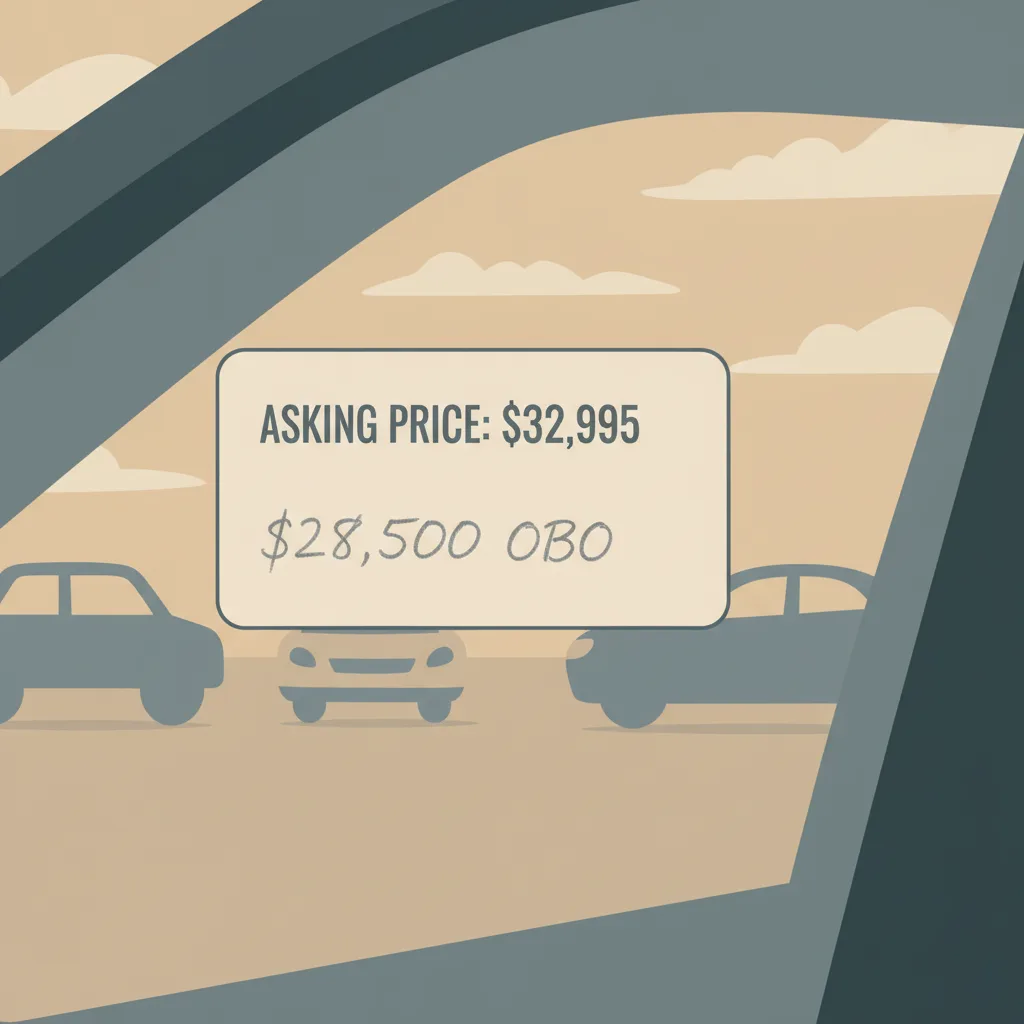
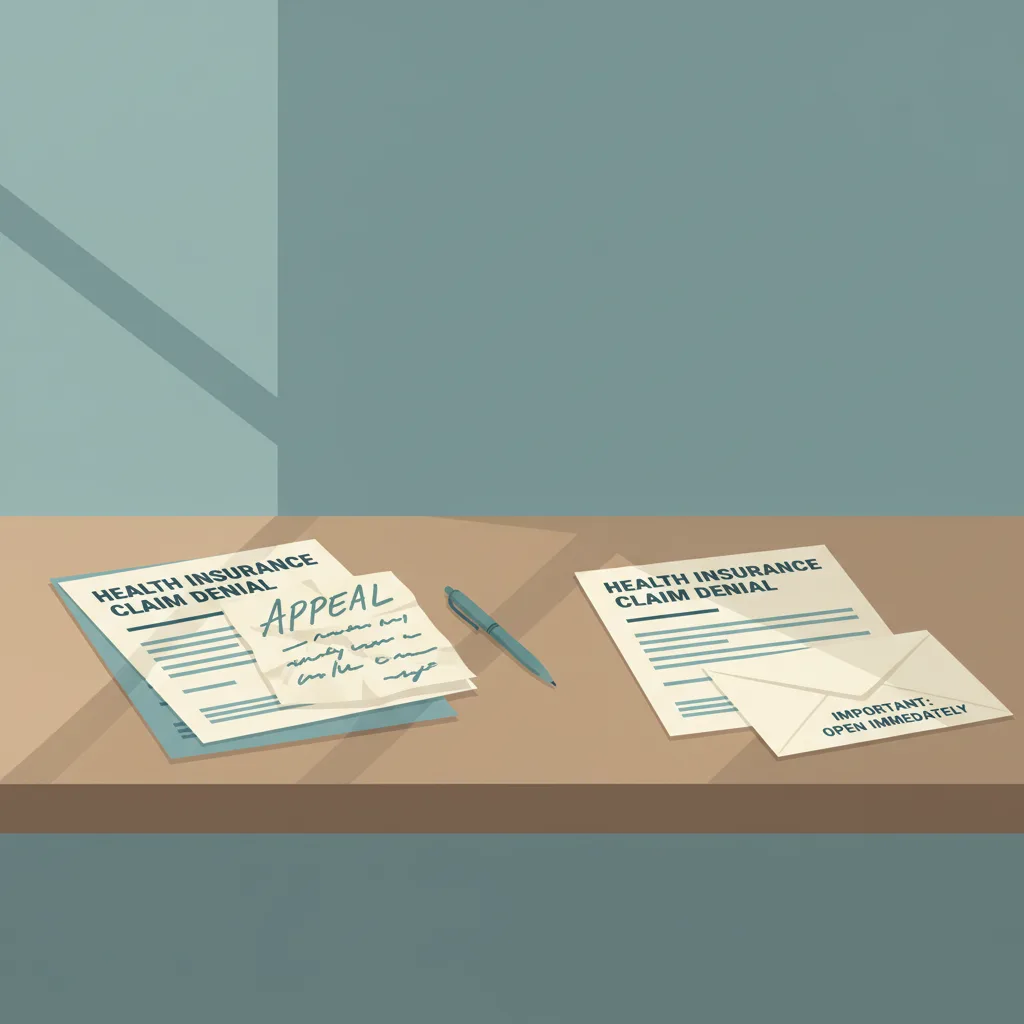
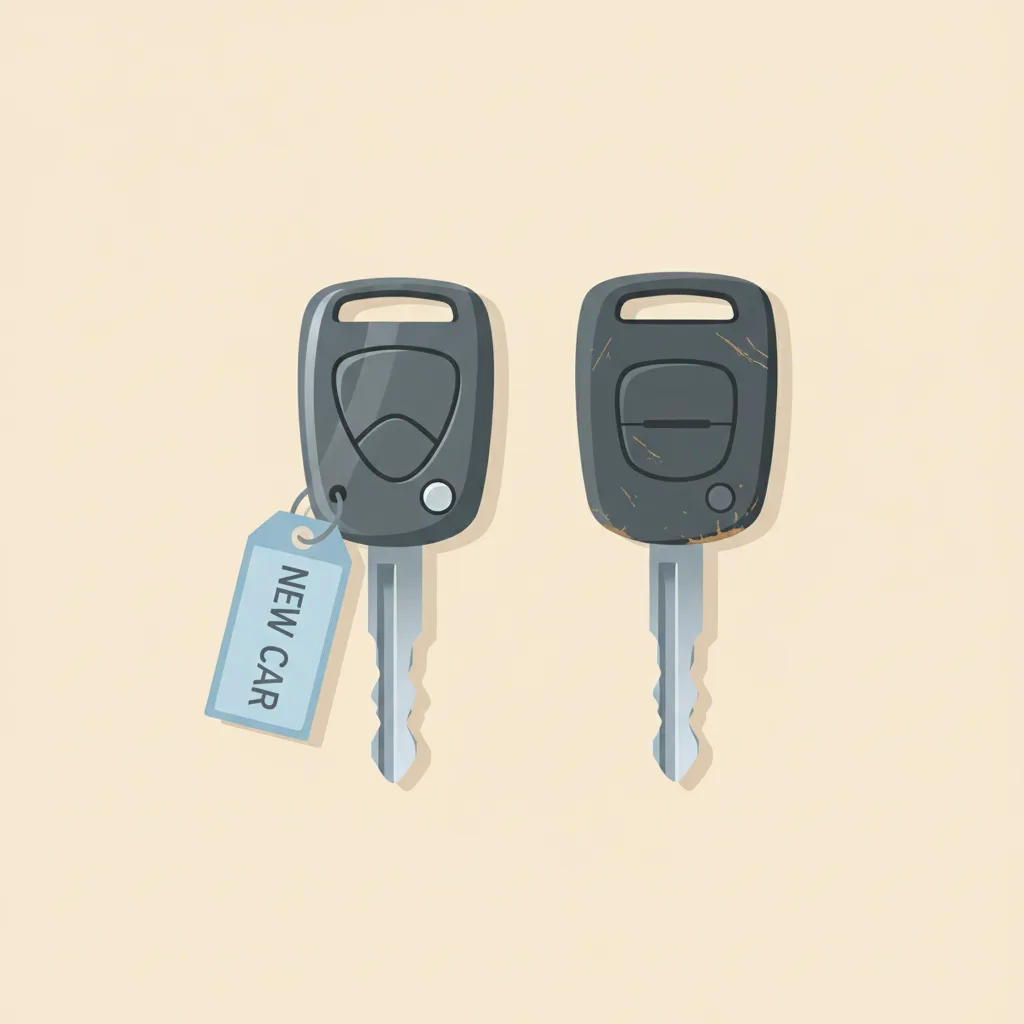
Trattare il prezzo dell'auto vs. accettare la prima offerta del concessionario
Se agisci
Trattare il prezzo
14%
Se non agisci
Accettare la prima offerta del concessionario
23%
Percentuale di chi poi rimpiange ciascuna scelta. Le barre e il registro completo dei dati compaiono sotto.
Finanza
Ultima revisione 2026-05-11
Qualità delle prove 4.13/5
Punteggio di revisione su otto dimensioni rispetto alla
griglia di qualità
. Ogni dimensione valutata da 1 a 5.
D1 Verifica delle fonti
5/5
D2 Autorità e indipendenza delle fonti
4/5
D3 Precisione del tasso di rimpianto
2/5
D4 Comparabilità delle fonti
3/5
D5 Schema di Gilovich
5/5
D6 Qualità della prosa
5/5
D7 Completezza degli avvertimenti
5/5
D8 Qualità del campione
4/5
Media4.13/5
Dati proxy — non esiste alcun sondaggio diretto sul rimpianto per questa decisione. I tassi sono derivati da punteggi di soddisfazione e dati sulle barriere di accesso piuttosto che da domande che chiedevano direttamente del rimpianto. Vedi avvertenze di seguito.
Rimpianto per azione
Trattare il prezzo
14%
~14% degli acquirenti di auto che negoziano riferisce insoddisfazione con il processo o l'esito (proxy dalla letteratura su attrito e rimorso dell'acquirente)
Acquirenti di auto statunitensi e britannici che hanno tentato la negoziazione del prezzo
retrospettivo, nessun arco temporale fisso
Rimpianto per inazione
Accettare la prima offerta del concessionario
23%
Il 23% degli acquirenti di auto dice che pagare troppo è il loro singolo peggior errore di acquisto auto
Adulti statunitensi che hanno acquistato un'auto
retrospettivo, nessun arco temporale fisso
% rimpiange questa scelta
Trattare il prezzoAccettare la prima offerta del concessionario
14%23%
inaction dominates — L'inazione domina — la maggior parte si pente di non aver agito.
Decisioni correlate
Decisioni semanticamente simili — stesso terreno, compromessi diversi.
Among used-car buyers who attempted to negotiate, 83% succeeded in paying less than the asking price, with a median saving of $900 — roughly 8% off the sticker — according to a Consumer Reports survey of 1,006 US buyers. The group that did not negotiate accepted a higher price for no reason other than not asking. An Ipsos survey of 1,005 US adults found that 23% of car buyers named overpaying as their single worst mistake in the car-buying process, ranking it ahead of not doing enough research (20%), buying the wrong car (14%), and buying from an untrustworthy source (14%). The LendingTree car-regrets survey (n=1,919) separately found that 8% of recent buyers specifically regret not shopping around for a better deal — a narrower, more direct measure of negotiation regret.
The asymmetry tracks cleanly with the Gilovich-Medvec inaction-dominance pattern. Negotiating and failing costs nothing in price — you end up paying exactly what non-negotiators pay, and in most cases you still drive away with the car. Negotiating and succeeding saves hundreds to thousands of dollars. Not negotiating locks in the sticker price permanently. The expected value of asking is positive, the downside is minimal, and yet a large share of buyers accept the first number without countering. Edmunds data shows that by Q3 2024, the average US new-vehicle buyer was leaving with the car $1,744 below MSRP — a figure that reflects an entire population of buyers, including those who did not negotiate, being averaged against those who did. Individual negotiators likely fared better than the mean.
The caveats are real. Market conditions shift the leverage dramatically: during the 2021–2022 inventory shortage, used-car prices spiked well above pre-pandemic levels and dealers routinely added markups above MSRP, making negotiation nearly impossible for popular models. In a surplus market — the environment most buyers will encounter across their lifetime — the leverage returns to the buyer. The Ipsos regret figure (23%) almost certainly conflates depreciation disappointment with negotiation failure; buyers who timed their purchase during a price peak, negotiated well, and still watched the car lose value quickly would also report this regret. The CarGurus UK data shows 53% of buyers find negotiation uncomfortable — a real barrier that suppresses attempts — but discomfort during the process does not reliably translate into regret about having tried.
Fonti: azione
Registro delle fonti
Ogni numero qui sotto è ciò che ciascuna fonte ha riportato, con la citazione testuale su cui ci siamo basati e come siamo arrivati alla nostra cifra. Clicca su qualsiasi link per verificare direttamente.
1/2 fonti verificate in modo indipendente e alla lettera rispetto alla fonte citata
[1]Consumer Reports — Why Haggling for Your Next Car Really Pays
Verificato
Fonte di riferimento
70% of used-car buyers who haggled succeeded 83% of the time, saving a median of $900 (8% off asking price)
Estratto
“"70 percent of used-car buyers haggled over the price, succeeding in getting a better deal 83 percent of the time. The median was $900, or 8 percent less than the asking price."
”
Dati originali da
2023-01-01
Consultato
2026-05-11
Verifica
Estratto recuperato in modo indipendente e confermato parola per parola rispetto alla fonte citata durante il nostro audit di attendibilità.
Calcolo
Consumer Reports survey of n=1,006 US adults who purchased a used car in the past five years. The 83% success rate among negotiators implies 17% failed to improve the price. Even among those who failed, they were no worse off than non-negotiators. Low post-negotiation regret is estimated from the inverse: the majority who succeeded saved real money (median $900), the minority who failed got the same price they would have accepted anyway. The 14% action-regret proxy is derived conservatively from the failure rate (17%) adjusted downward by the fact that failed negotiators lose nothing — they pay the same price as non-negotiators.
[2]CarGurus UK — Car Negotiation Tips — Consumer Survey
Fonte di riferimento
53% of car buyers found negotiating 'too uncomfortable'; among successful negotiators, average savings were £896 (~$1,100)
Estratto
“"Fewer than a third of car buyers (29%) always try to negotiate. 53% found negotiating too uncomfortable. Among those who did negotiate successfully, the average saving was £896."
”
Dati originali da
2023-05-01
Consultato
2026-05-11
Calcolo
CarGurus UK commissioned survey of n=2,000 UK motorists, May 2023. The discomfort figure (53%) represents anxiety during the process, not post-purchase regret. UK negotiation norms differ from US; the discomfort rate is used as a proxy upper bound for action-side regret, acknowledging the methodological mismatch. The savings figure (£896) contextualizes stakes: real money is on the table, which suppresses retrospective regret even when the process was uncomfortable.
Fonti: inazione
Registro delle fonti
Ogni numero qui sotto è ciò che ciascuna fonte ha riportato, con la citazione testuale su cui ci siamo basati e come siamo arrivati alla nostra cifra. Clicca su qualsiasi link per verificare direttamente.
1/2 fonti verificate in modo indipendente e alla lettera rispetto alla fonte citata
[1]Ipsos — Top Car Buyer Regrets Include Overpaying for a New Car and Not Doing Enough Research
Verificato
Fonte di riferimento
23% of car buyers say overpaying for a new car that quickly depreciated was their single worst mistake
Estratto
“"Roughly a quarter (23%) say that their worst mistake when purchasing a car was overpaying for a new car that quickly depreciated. One in five (20%) say their worst mistake was not doing enough research."
”
Dati originali da
2009-01-01
Consultato
2026-05-11
Verifica
Estratto recuperato in modo indipendente e confermato parola per parola rispetto alla fonte citata durante il nostro audit di attendibilità.
Calcolo
Ipsos online panel survey of n=1,005 US adults ages 18+, January 2009. Margin of error ±3.1pp. The question asked respondents to identify their single worst car-buying mistake. "Overpaying for a new car that quickly depreciated" encompasses both depreciation timing and price negotiation failure; it is the closest available US survey data linking car purchase regret to price paid. Because the question conflates depreciation and negotiation failure, the 23% figure is an upper bound for negotiation-specific regret. No more recent US survey with comparable methodology on car-price- specific regret was identified. Used as the inaction-regret rate.
[2]LendingTree — Car Regrets Survey: Nearly 4 in 10 Who Bought a Car in the Past Year Have Regrets
Fonte di riferimento
8% of recent car buyers specifically regret not shopping around for a better deal
Estratto
“"Nearly 4 in 10 who bought a car in the past year have regrets. Top regrets include wrong make/model (14%), bought an unaffordable car (10%), and not shopping around for a better car deal (8%)."
”
Dati originali da
2021-12-01
Consultato
2026-05-11
Calcolo
LendingTree survey of n=1,919 US car owners conducted via Qualtrics, December 2021. The 8% figure is the direct measurement of "not shopping around for a better deal" as a reported regret — the closest available operationalization of not-negotiating regret. Because shopping around and price negotiation are related but not identical, and because this question allows multiple regrets while Ipsos forced a single worst mistake, the two figures are not directly comparable. The 23% Ipsos upper bound and 8% LendingTree lower bound bracket the inaction-regret range. We use 0.23 as the conservative estimate of stated regret about overpaying.
Avvertenze
MISURE PROXY OVUNQUE. Nessun sondaggio chiede direttamente: "Ha mancato di negoziare il prezzo dell'auto e se ne pente?". La cifra del 23% di inazione (Ipsos 2009) confonde il rimpianto sul deprezzamento con il rimpianto sulla negoziazione; alcuni acquirenti che hanno pagato troppo hanno negoziato, e alcuni che hanno pagato meno non l'hanno fatto. I dati Ipsos sono anche vecchi di 16 anni e precedono la carenza di inventario dell'era COVID (2021-2022), durante la quale la maggior parte degli acquirenti pagava sopra MSRP indipendentemente dall'abilità negoziale. La stima del 14% di rimpianto dall'azione è derivata dal tasso del 17% di mancato miglioramento di Consumer Reports aggiustato verso il basso, non da una diretta indagine sul rimpianto. I dati Edmunds (Q3 2024) mostrano che gli acquirenti di nuovi veicoli ora pagano in media 1.744-1.884$ sotto MSRP — la posta in gioco è reale e crescente. La cifra del disagio CarGurus (53% ha trovato la negoziazione scomoda) è una misura di processo, non una misura di rimpianto retrospettivo, e proviene da un campione britannico che può sottostimare le norme di negoziazione negli USA. La direzione complessiva — il rimpianto da inazione supera il rimpianto da azione — è robustamente supportata dai dati Consumer Reports e Ipsos, ma il divario è abbastanza piccolo che i tassi specifici dovrebbero essere letti come approssimativi piuttosto che calibrati. Le condizioni di mercato contano: in un mercato di inventario caldo (ad es. 2021-2022), i concessionari raramente negoziavano e gli acquirenti avevano poca leva; in un mercato di acquirenti (ad es. post-2023), la negoziazione è molto più fattibile e il rimpianto da inazione è probabilmente più alto.